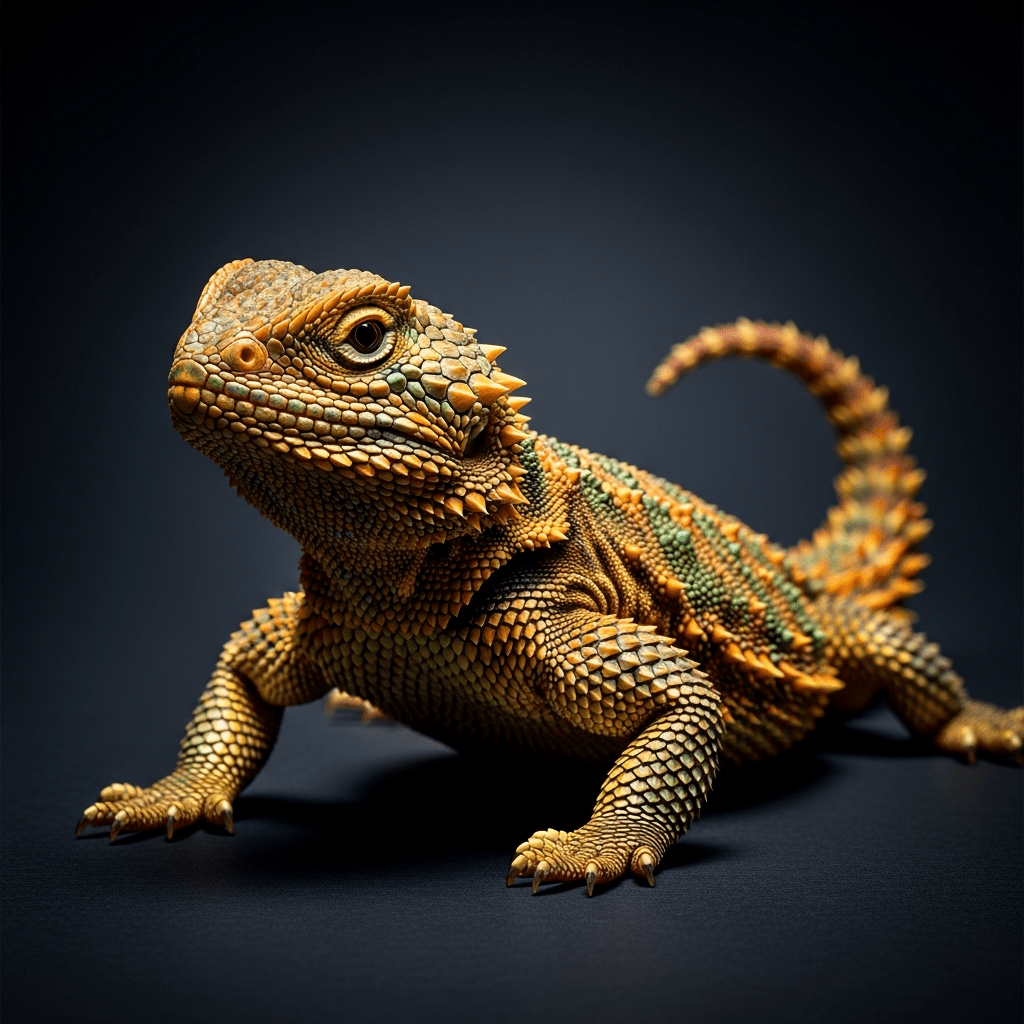
Uromastyx
Uromastyx is a genus of robust, spiny-tailed lizards native to arid regions of North Africa, the Middle East, and parts of South Asia, known for their heavily armored tails and herbivorous diet.
Uromastyx is a genus of robust, spiny-tailed lizards native to arid regions of North Africa, the Middle East, and parts of South Asia, known for their heavily armored tails and herbivorous diet.
The genus Uromastyx was first scientifically described by Merrem in 1820. These lizards have evolved over millennia to thrive in some of the harshest desert environments across North Africa, the Middle East, and South Asia. They are wild-discovered taxa with no single breeder or institution responsible for their origin, reflecting a natural lineage deeply adapted to arid landscapes.
Uromastyx belongs to the family Agamidae within the suborder Lacertilia (Sauria) of the order Squamata. This genus is part of the diverse group of lizards characterized by external ear openings and movable eyelids. Historically, the genus has also been referred to by the synonym Mastigure, though Uromastyx remains the accepted scientific name.
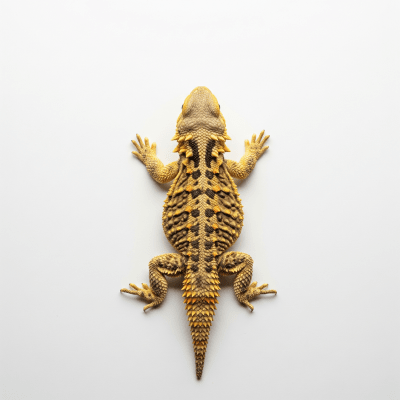
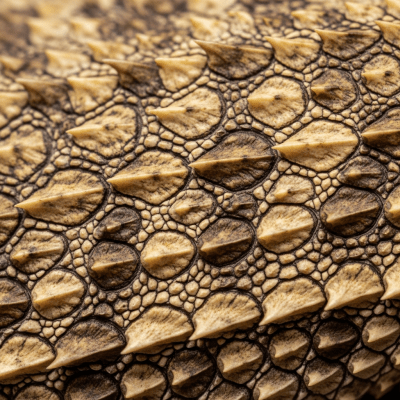
Members of the genus Uromastyx are medium to large lizards, ranging from 25 to 90 centimeters in total length. They have stout bodies with short limbs and are most notable for their distinctive tails, which are heavily armored with whorls of spiny scales used for defense. Their coloration varies widely, displaying shades of brown, gray, yellow, green, or blue, often adorned with intricate patterns that enhance their desert camouflage.
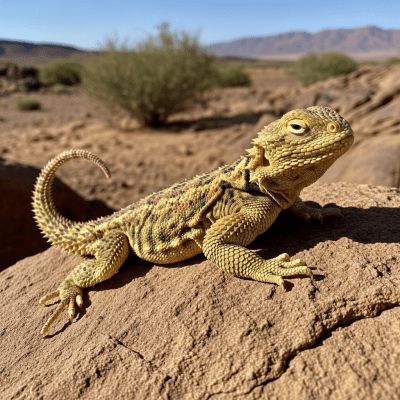
Uromastyx lizards are diurnal and exhibit unique thermoregulatory behaviors, often basking in the sun to raise their body temperature above 40°C. They are strictly herbivorous, feeding on leaves, flowers, seeds, and occasionally fruits. Their spiny tails serve as an effective defense mechanism against predators, and their tolerance for extreme heat allows them to thrive where few other reptiles can.
Bring this kind into your world illustrated posters, mugs, and shirts.
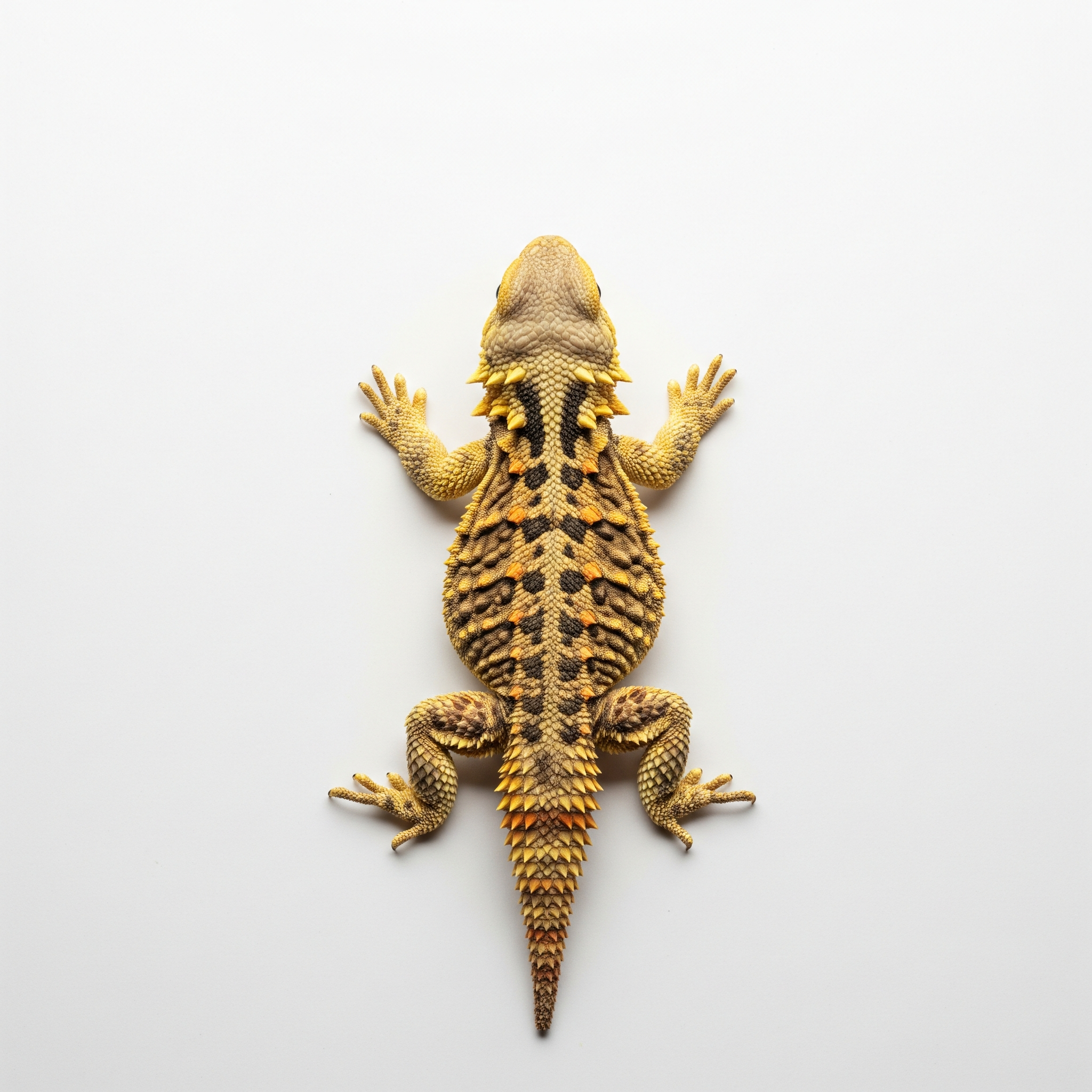
Archival print, museum-grade paper
Buy Poster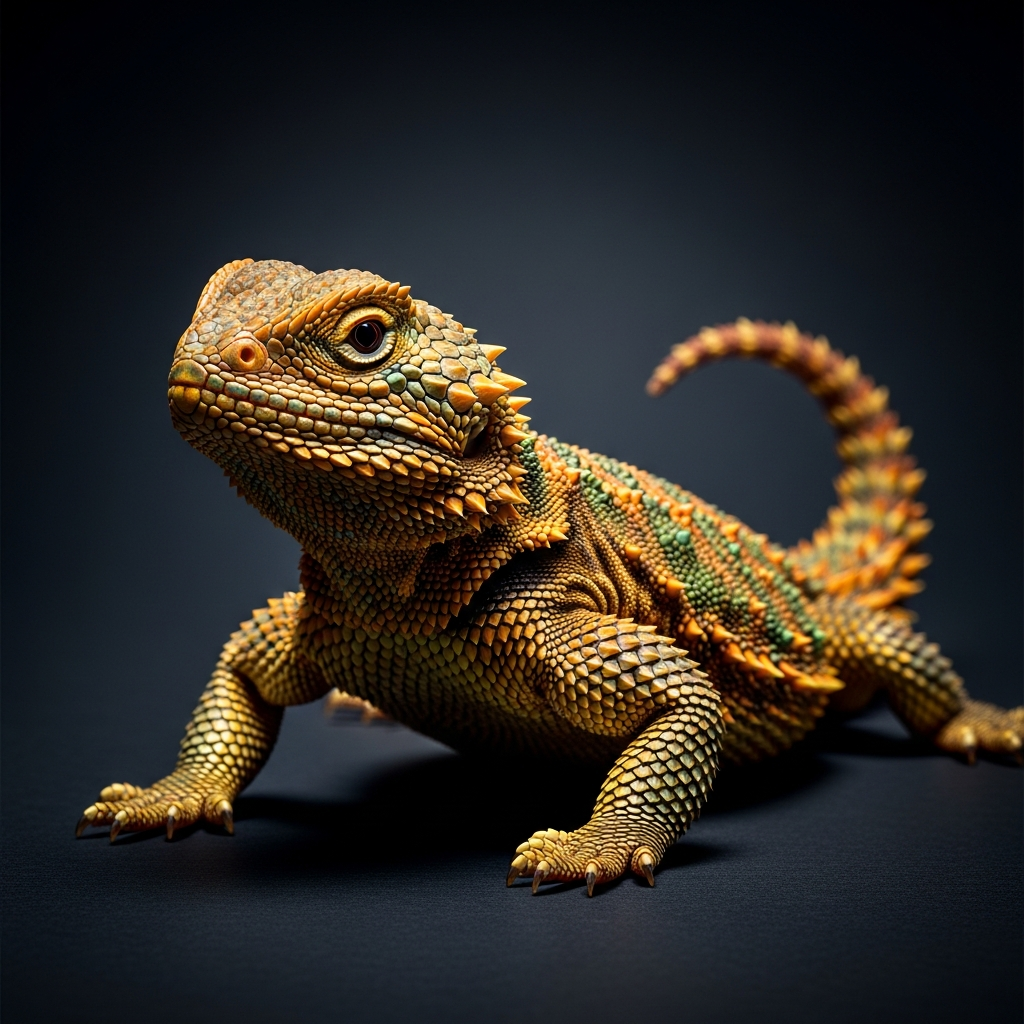
Stoneware mug, dishwasher safe
Buy Mug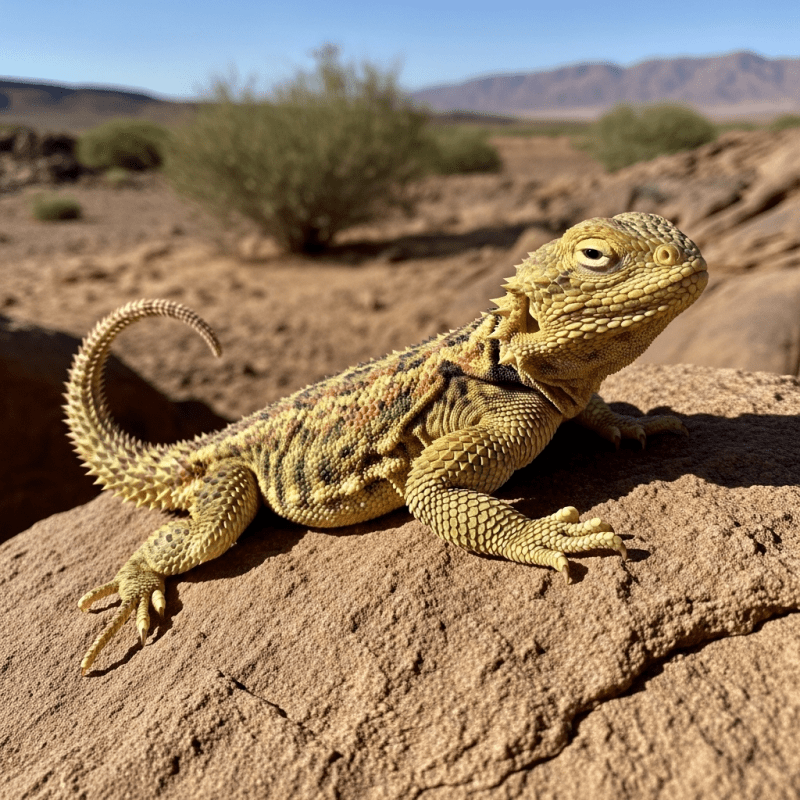
Soft cotton tee, unisex sizes
Buy ShirtIn some regions, particularly parts of the Arabian Peninsula, Uromastyx species have been historically hunted for food and medicinal purposes. Known locally as "dab lizards" or "mastigures," they appear in traditional lore and are recognized for their striking appearance. In modern times, they hold a valued place in the exotic pet trade due to their docile nature and unique look, though their specialized care limits widespread popularity.
Uromastyx species are native to arid desert environments spanning North Africa, the Middle East, and parts of South Asia. They favor rocky, sandy habitats where they can bask in the sun and find sparse vegetation for food. Their distribution includes countries such as Egypt, Saudi Arabia, and regions extending into South Asia, adapted to survive extreme heat and scarce water.
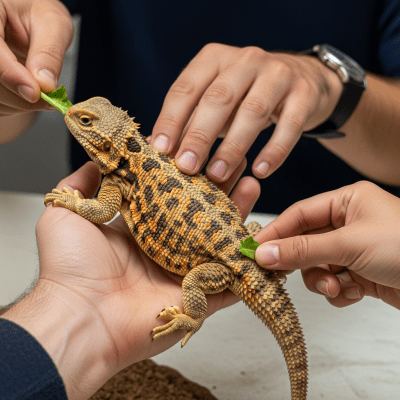
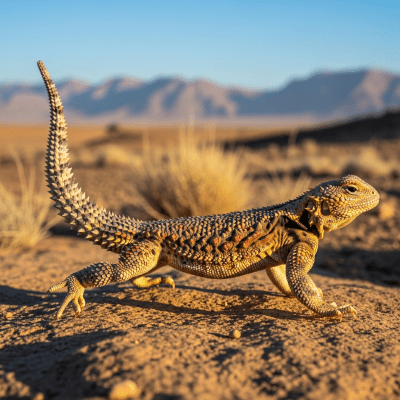
Strictly herbivorous, Uromastyx lizards feed primarily on a diet of leaves, flowers, seeds, and occasionally fruits. Their digestive systems are adapted to process tough plant material, and they often forage during the cooler parts of the day to avoid overheating. This plant-based diet distinguishes them from many other lizard species that are insectivorous or omnivorous.
While specific reproductive details vary among species, Uromastyx lizards are oviparous, laying eggs that hatch after an incubation period. Breeding typically occurs seasonally, with females laying clutches of eggs in burrows or sheltered areas. Juveniles grow steadily, reaching maturity over several years, and individuals can live over 15 years, especially in captivity where conditions are controlled.
Several Uromastyx species face threats from habitat loss, over-collection for the pet trade, and hunting for food or traditional medicine. Conservation efforts include legal protections and restrictions on wild collection and export in various countries. Their specialized desert habitats are vulnerable to environmental changes, making ongoing monitoring and habitat preservation critical for their survival.
Keeping Uromastyx as pets requires replicating their natural desert environment, including high temperatures with ample basking spots and low humidity. Their diet must be strictly herbivorous, offering a variety of leafy greens, flowers, and seeds. They are generally docile but need spacious enclosures with hiding places and UVB lighting to support their health. Common health issues in captivity include respiratory infections, especially if humidity is too high. With proper care, they can live well over a decade in captivity.