Five-Lined Skink
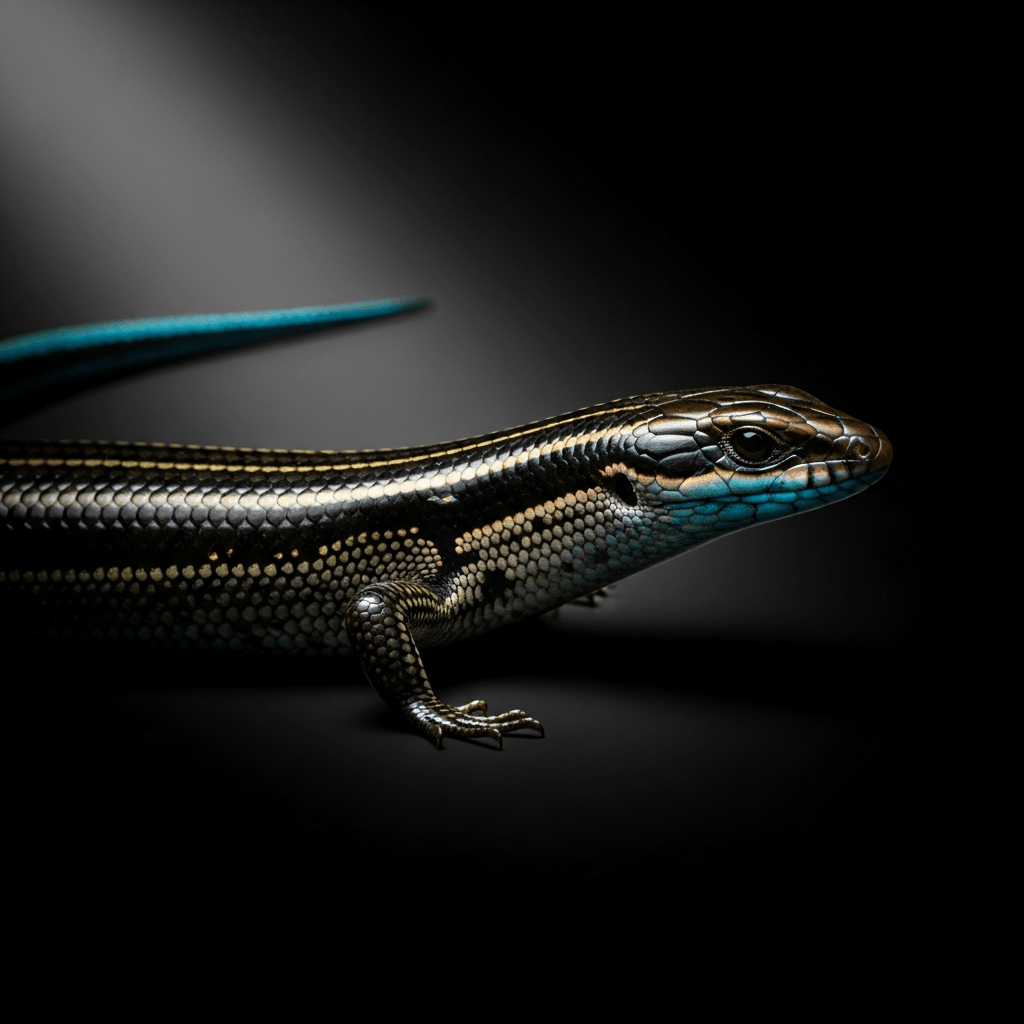
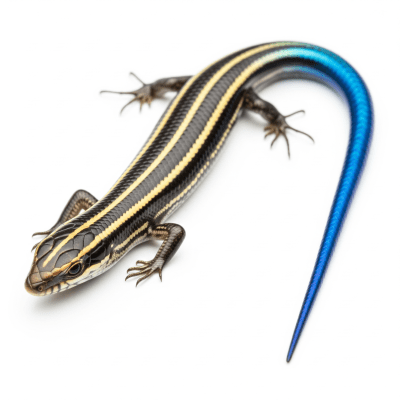
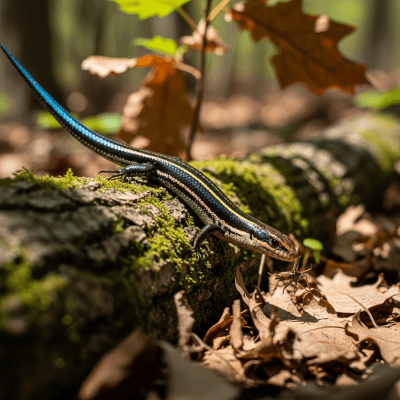
The Five-lined Skink (Plestiodon fasciatus) is a medium-sized, smooth-scaled lizard native to eastern North America, easily recognized by its five distinctive longitudinal stripes and the bright blue tail of its juveniles.
The Five-lined Skink (Plestiodon fasciatus) is a medium-sized, smooth-scaled lizard native to eastern North America, easily recognized by its five distinctive longitudinal stripes and the bright blue tail of its juveniles.
First described by Carl Linnaeus in 1758, the Five-lined Skink has a long-established presence in the moist, wooded regions of eastern North America. It evolved naturally in this region without human intervention or domestication.
The Five-lined Skink belongs to the family Scincidae, within the genus Plestiodon. Historically, it was classified under the genus Eumeces, reflecting shifts in taxonomic understanding over time. As a member of the skink family, it shares traits such as smooth scales and well-developed limbs common to this diverse group of lizards.
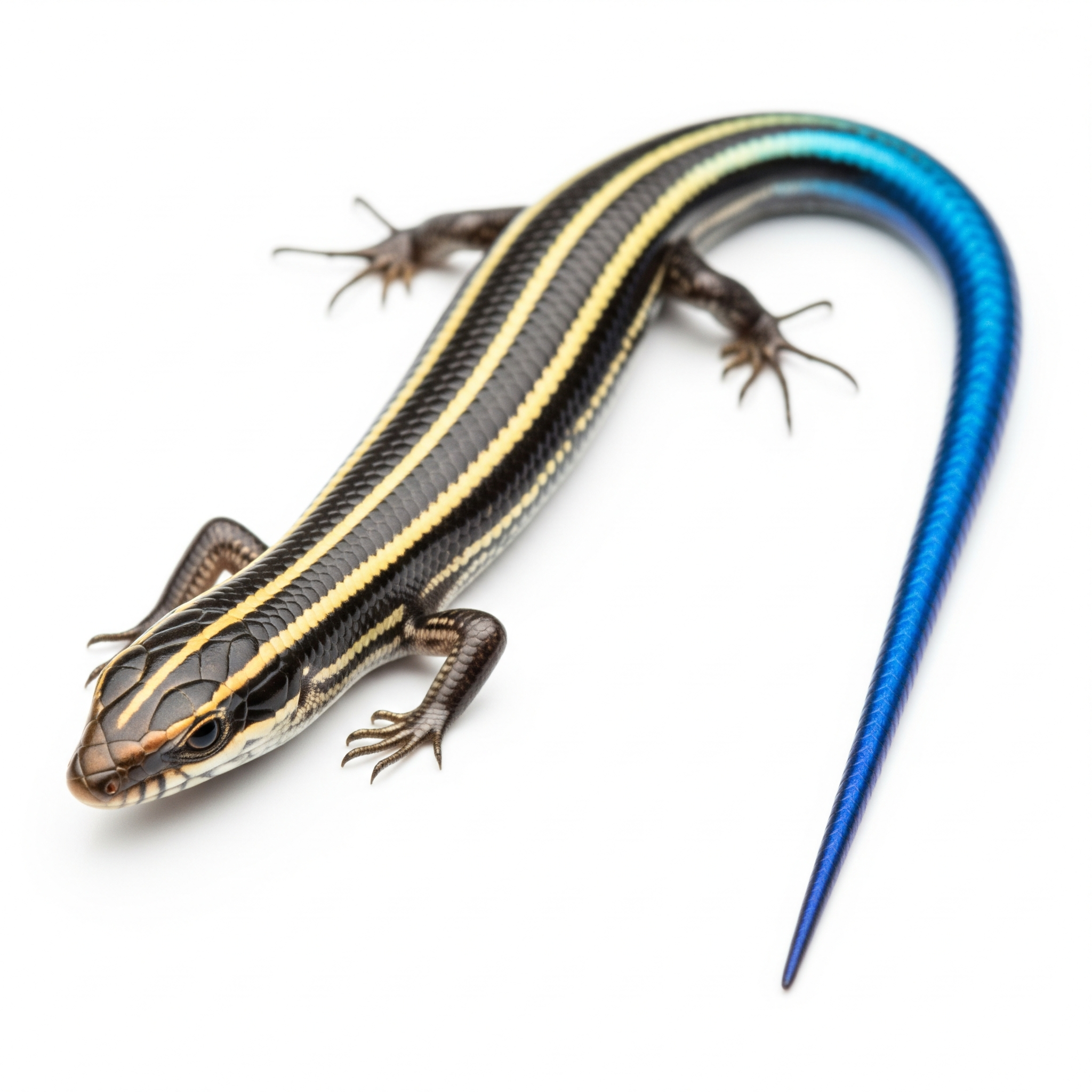
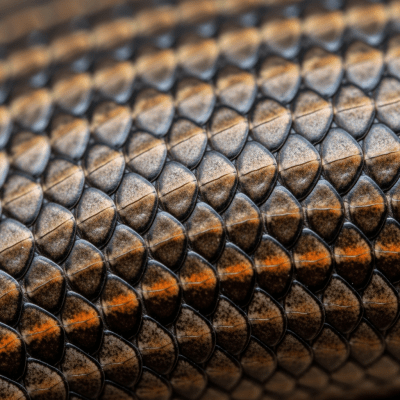
Adults of this species typically measure between 12 and 21 centimeters in total length, featuring a brown or olive base color accented by five yellowish to white stripes running from the snout down to the tail. Juveniles are especially striking, sporting a vivid blue tail that gradually fades as they mature. Their smooth, shiny scales and well-developed limbs contribute to their sleek, agile appearance. Notably, they can shed their tails as a defense mechanism, a process known as caudal autotomy.
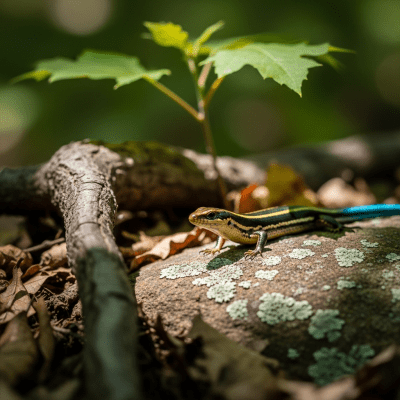
The Five-lined Skink is diurnal and terrestrial, often seeking shelter under logs, rocks, or leaf litter within moist forest habitats. Agile and alert, it uses its bright blue juvenile tail to distract predators, shedding it if threatened. Ecologically, it plays a vital role as both predator and prey, contributing to the balance of forest ecosystems.
Bring this kind into your world illustrated posters, mugs, and shirts.
Archival print, museum-grade paper
Buy Poster
Stoneware mug, dishwasher safe
Buy Mug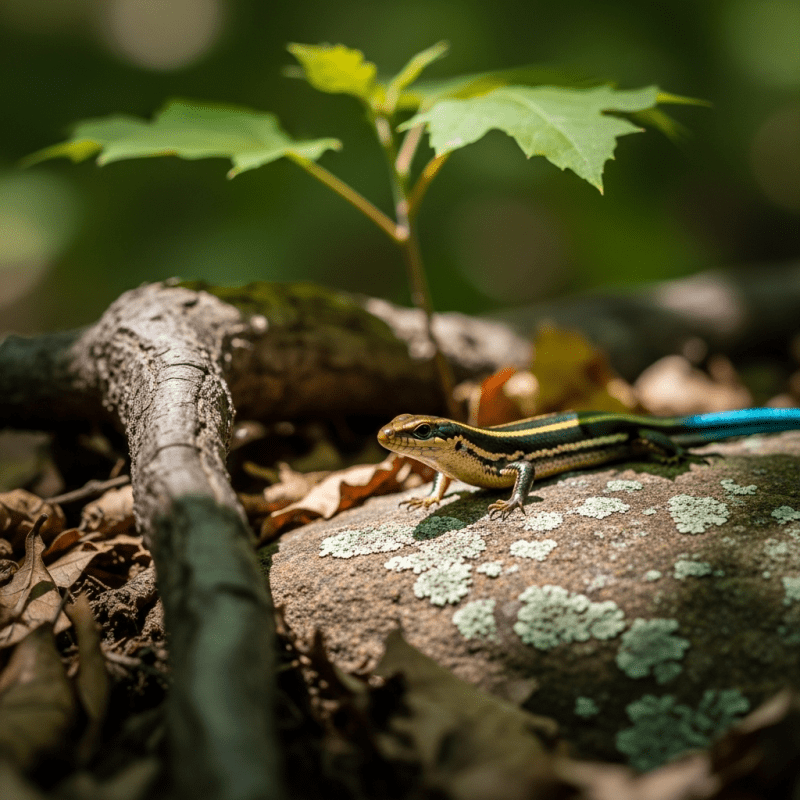
Soft cotton tee, unisex sizes
Buy ShirtWhile not prominent in culinary or commercial contexts, the Five-lined Skink holds ecological and educational value. It occasionally appears in pet collections and is a subject of herpetological research, helping deepen understanding of forest biodiversity and reptile behavior. Regional names like "Blue-tailed Skink" reflect its juvenile coloration and local familiarity.
The Five-lined Skink inhabits moist, wooded environments across eastern North America. It favors terrestrial microhabitats such as under logs, stones, and leaf litter where humidity and cover provide shelter and hunting grounds. Its range extends through forests and woodlands, reflecting its adaptation to temperate climates.
While specific diet details are not provided, Five-lined Skinks typically feed on small invertebrates found within their forest floor habitats. Their diurnal activity pattern supports active foraging during daylight hours among leaf litter and undergrowth.
The Five-lined Skink is oviparous, laying clutches of six to twelve eggs in concealed nests. Reproductive activity aligns with warmer seasons, ensuring optimal conditions for egg incubation. Juveniles emerge with their characteristic blue tails, which fade as they grow into adulthood.
Currently, the Five-lined Skink faces threats primarily from habitat fragmentation and predation. Its tolerance to various microhabitats aids its resilience, but ongoing forest loss and environmental changes pose risks. Conservation efforts focus on habitat preservation to maintain stable populations.
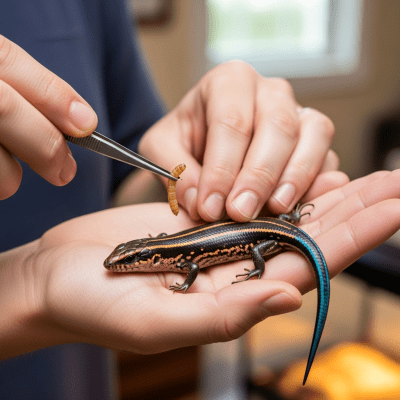
Occasionally kept as pets, Five-lined Skinks require environments that mimic their natural moist, wooded habitats. Proper husbandry includes providing adequate shelter, humidity, and diet of small invertebrates. While they can adapt to captivity, their sensitivity to habitat changes necessitates attentive care. Lifespan and common health issues in captivity are not extensively documented.