Origin Story

First scientifically described by Ernst Ahl in 1926, the Bearded Dragon originates from the arid and semi-arid regions of eastern and central Australia. Since the 1980s, commercial breeders in Australia, the United States, and Europe have cultivated captive populations, supporting its widespread presence in the pet trade.

Classification

The Bearded Dragon belongs to the genus Pogona within the family Agamidae. It is part of the suborder Lacertilia, encompassing true lizards, and is scientifically known as Pogona vitticeps. Historically, it has also been referred to by the synonym Amphibolurus vitticeps.

Appearance or Form

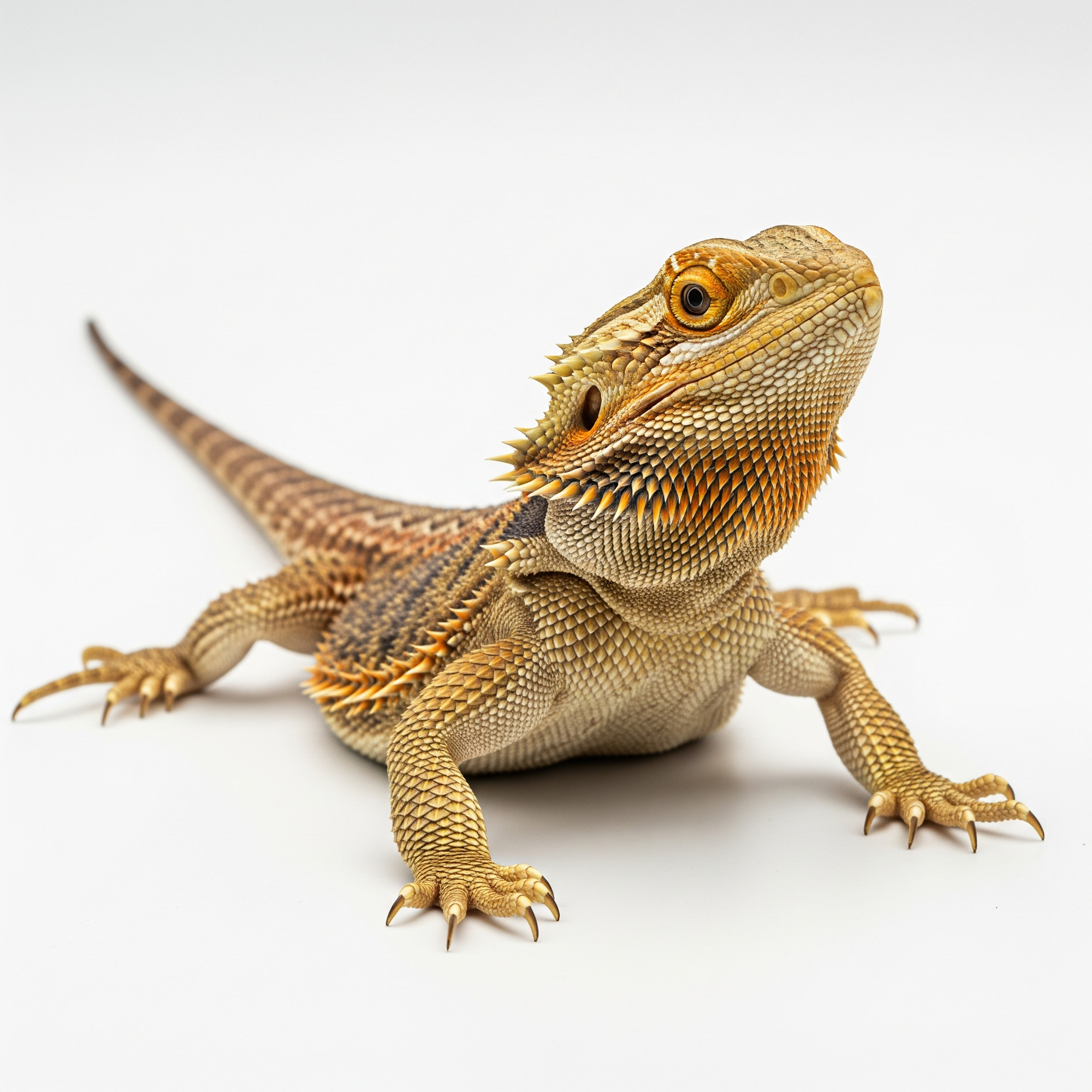
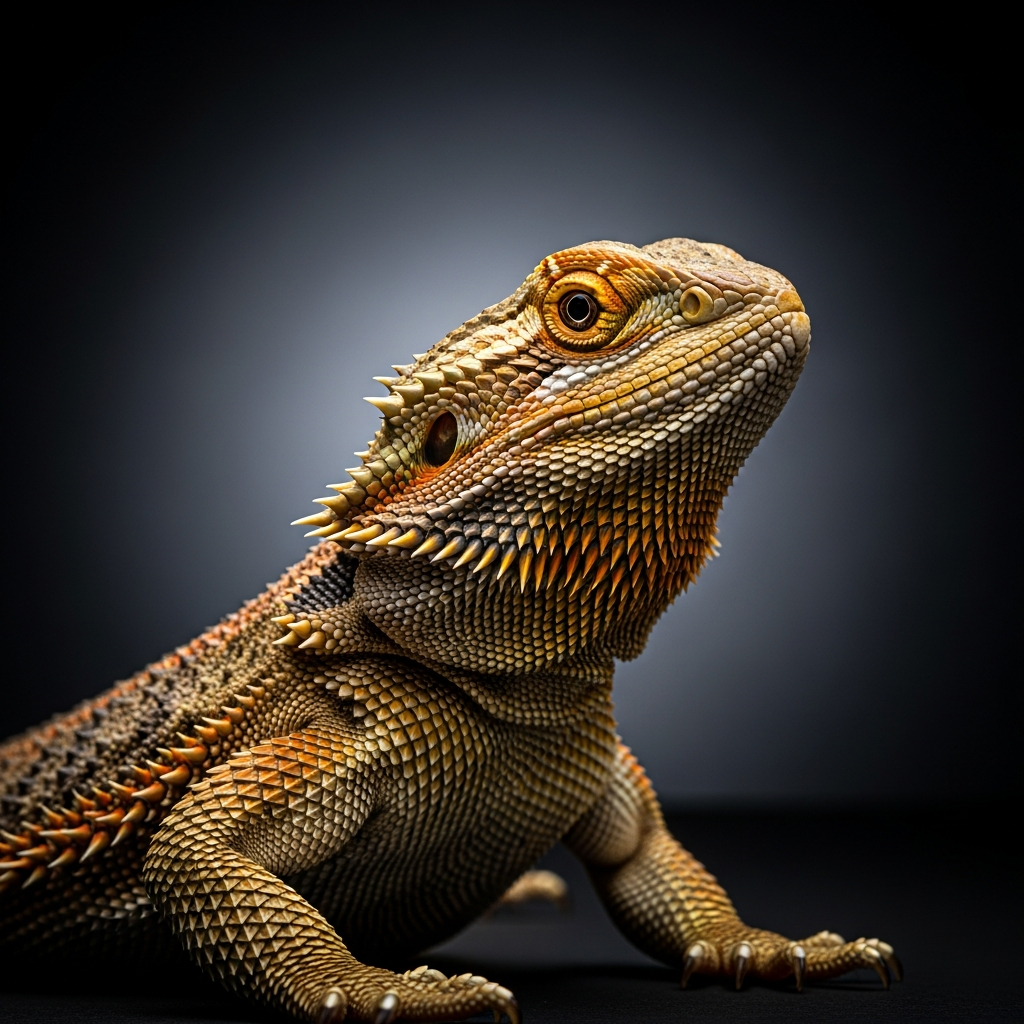
Bearded Dragons typically measure between 40 and 60 centimeters in total length. They possess robust, flattened bodies with triangular heads and well-developed limbs ending in clawed digits suited for climbing and digging. Their most notable feature is an expandable throat "beard" that darkens during social displays. Their coloration ranges widely from tan, yellow, and orange to red and white, with selective breeding producing diverse morphs exhibiting varied patterns and hues.

Behavior or Usage

Diurnal by nature, Bearded Dragons are active during the day, basking in high temperatures between 35 and 40°C and requiring UVB exposure for health. They exhibit calm and docile behavior, making them approachable for human interaction. Their omnivorous diet and adaptability to captive environments contribute to their popularity as companion animals and subjects in herpetoculture research.

Merchandise & Prints

Bring this kind into your world � illustrated posters, mugs, and shirts.

Bearded Dragon Bearded Dragon Poster

Bearded Dragon Poster

Archival print, museum-grade paper

Bearded Dragon Bearded Dragon Mug

Bearded Dragon Mug

Stoneware mug, dishwasher safe

Bearded Dragon Bearded Dragon Shirt

Bearded Dragon Shirt

Soft cotton tee, unisex sizes

Attributes & Insights

Taxon-Specific Insights

🌍Cultural Significance

While not used culinarily, Bearded Dragons hold significant cultural value as beloved pets worldwide. They feature prominently in educational programs and zoological exhibits, serving as ambassadors for reptile awareness and conservation. Their approachable nature and distinctive appearance have made them iconic within the reptile-keeping community.

📌Notable Facts

  • The Bearded Dragon's "beard" darkens dramatically during displays to communicate stress or dominance.
  • Selective breeding has produced popular morphs such as "Leatherback" and "Silkback," prized for unique scale textures and colors.
  • They tolerate arid environments well, reflecting their native Australian habitats.
  • Despite their hardiness, they are vulnerable to metabolic bone disease if deprived of proper lighting and nutrition.
  • They reach maturity rapidly, typically within 1 to 2 years.

🌍Habitat And Distribution

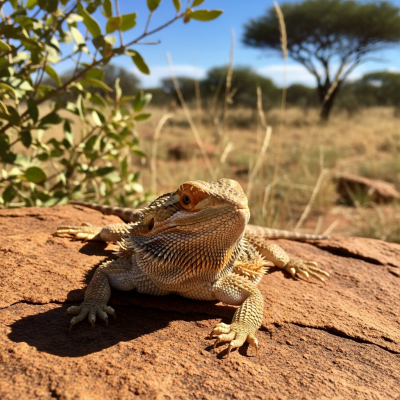
Native to the arid and semi-arid regions of eastern and central Australia, Bearded Dragons inhabit environments characterized by open woodlands, scrublands, and deserts. They favor areas with ample basking spots and shelter, adapting well to harsh, dry climates.

Visual Variations

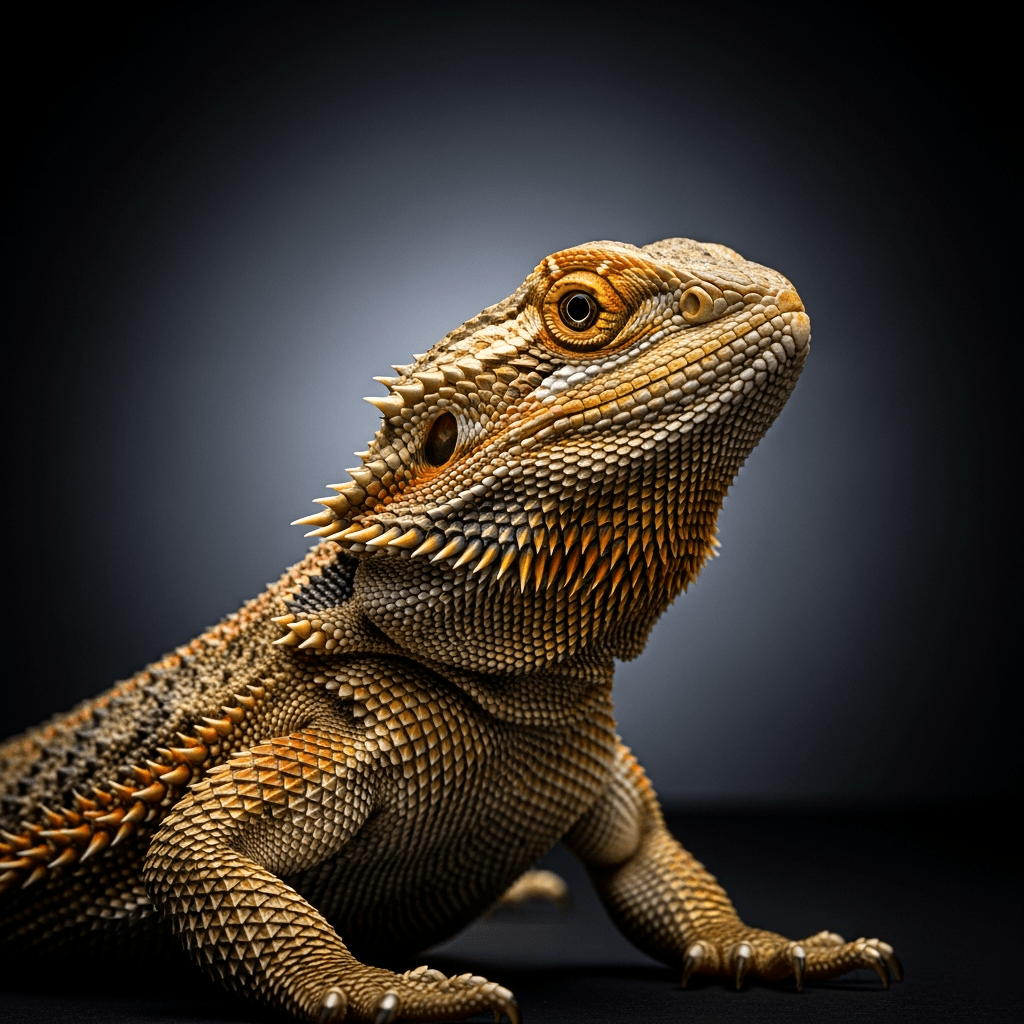
High quality studio photograph of a Bearded Dragon, part of the taxonomy lizards
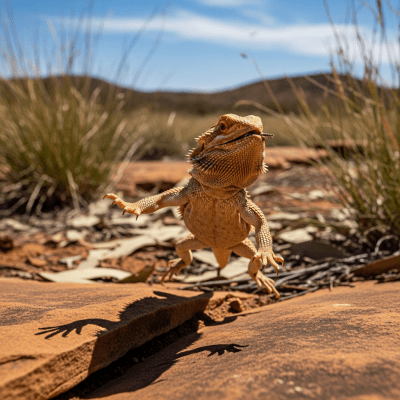
Detailed image of a Bearded Dragon (lizards) in its natural habitat
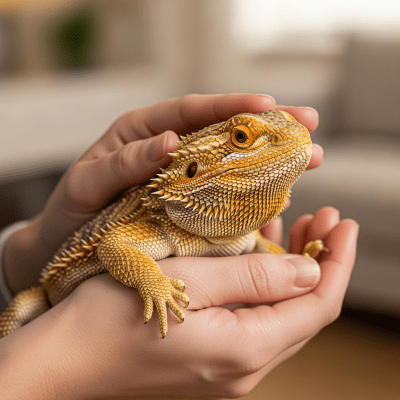
Image of a Bearded Dragon interacting with humans in a responsible pet-keeping context
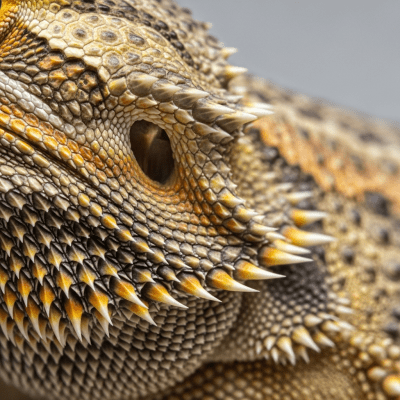
Macro close-up image of the skin texture and scale pattern of a Bearded Dragon, part of the taxonomy lizards
A dynamic action scene featuring a single Bearded Dragon (lizards) running, climbing, or catching prey in its typical environment

Composition & Context

Taxon-Specific Insights

🍽️Diet And Feeding

Bearded Dragons are omnivores, consuming a varied diet that includes insects, small invertebrates, leafy greens, vegetables, and occasional fruits. In the wild, they forage actively during daylight hours, balancing protein and plant matter to meet nutritional needs.

🦎Reproduction And Lifecycle

Bearded Dragons reproduce by laying eggs (oviparous). Females deposit clutches in sandy soil, with incubation periods varying by temperature. Juveniles grow rapidly, reaching sexual maturity within one to two years, and can live up to 12 years under proper care.

🛡️Conservation Status

Currently, the Bearded Dragon faces no significant threats in the wild and is not considered endangered. Its populations remain stable across native ranges, aided by widespread captive breeding programs that reduce pressure on wild specimens.

🏡Pet Care And Husbandry

Successful care of Bearded Dragons requires providing high-temperature basking spots between 35 and 40°C, along with UVB lighting to support bone health. A balanced omnivorous diet and a spacious enclosure mimicking natural conditions are essential. Common health issues include metabolic bone disease, often preventable through proper lighting and nutrition. Captive breeding has been well established since the 1980s, making these lizards widely available and well-understood in herpetoculture.

Faq

Q: How long do Bearded Dragons live?
A: They typically live 8 to 12 years in captivity with proper care.

Q: What do Bearded Dragons eat?
A: They are omnivorous, eating a mix of insects, vegetables, and fruits.

Q: Are Bearded Dragons good pets for beginners?
A: Yes, their docile nature and manageable care requirements make them ideal for first-time reptile owners.