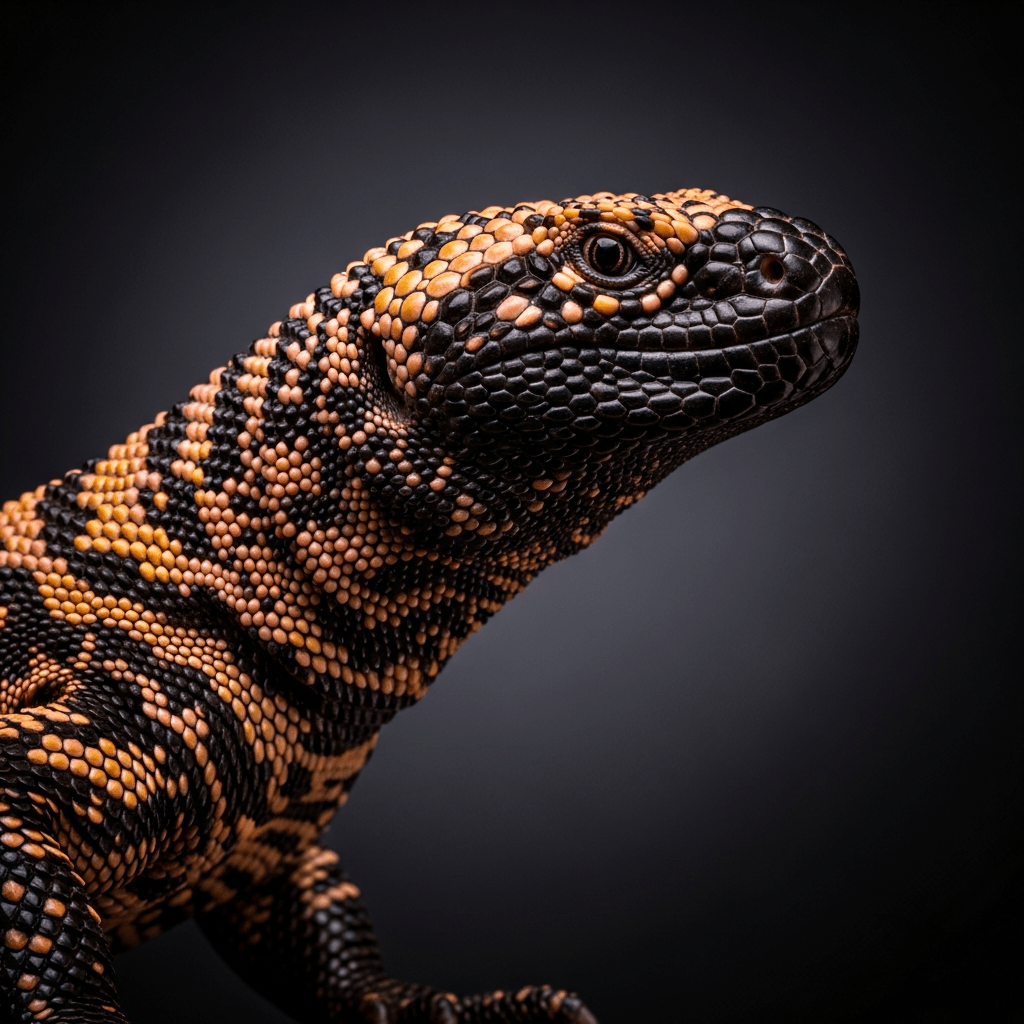
Gila Monster
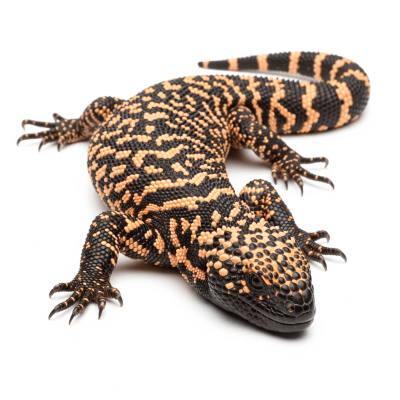
The Gila Monster (Heloderma suspectum) is one of the world’s few venomous lizards, recognized for its robust body, bead-like scales, and striking black-and-pink or orange coloration.
The Gila Monster (Heloderma suspectum) is one of the world’s few venomous lizards, recognized for its robust body, bead-like scales, and striking black-and-pink or orange coloration.
First described by Edward Drinker Cope in 1869, the Gila Monster is native to the arid regions of the southwestern United States and northwestern Mexico, including Arizona, New Mexico, Nevada, Utah, and Sonora. It evolved within the family Helodermatidae, sharing lineage with the Mexican beaded lizard.
The Gila Monster belongs to the genus Heloderma within the family Helodermatidae. This family is notable for comprising venomous lizards, distinct from most other lizard groups. Its scientific name is Heloderma suspectum, with some debate over two described subspecies.
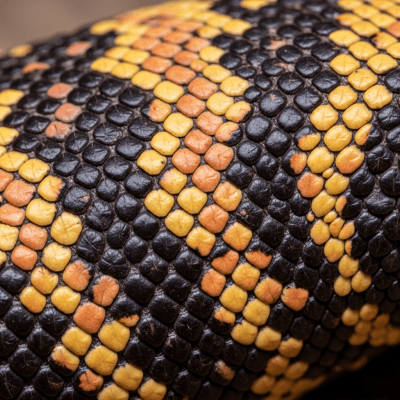
This lizard features a stout, heavy body covered in bead-like osteoderms that give its skin a textured, protective armor. It typically measures between 35 and 56 centimeters in length and can weigh up to 2 kilograms. Its coloration is boldly patterned with black interspersed by irregular bands or blotches of pink, orange, or yellow. Short, sturdy limbs are adapted for digging, and venom glands reside in its lower jaw, delivering venom through grooved teeth.
The Gila Monster is a slow-moving, primarily diurnal reptile that spends much of its time underground, emerging mainly in spring and early summer. It uses its venom defensively and to subdue prey. Carnivorous by nature, it feeds on eggs, small mammals, birds, and other reptiles. Its unique venom delivery system distinguishes it from most other lizards.
Bring this kind into your world illustrated posters, mugs, and shirts.
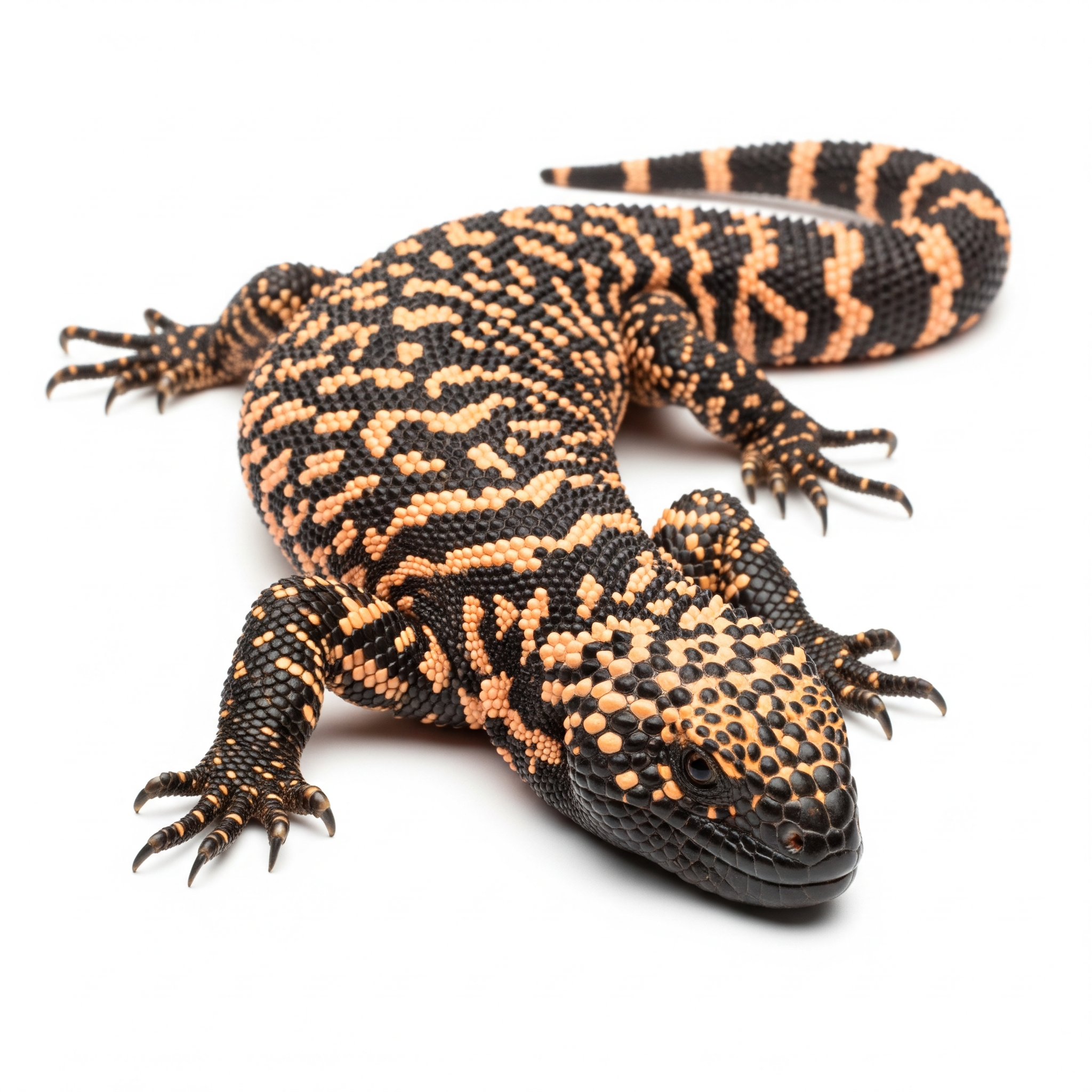
Archival print, museum-grade paper
Buy Poster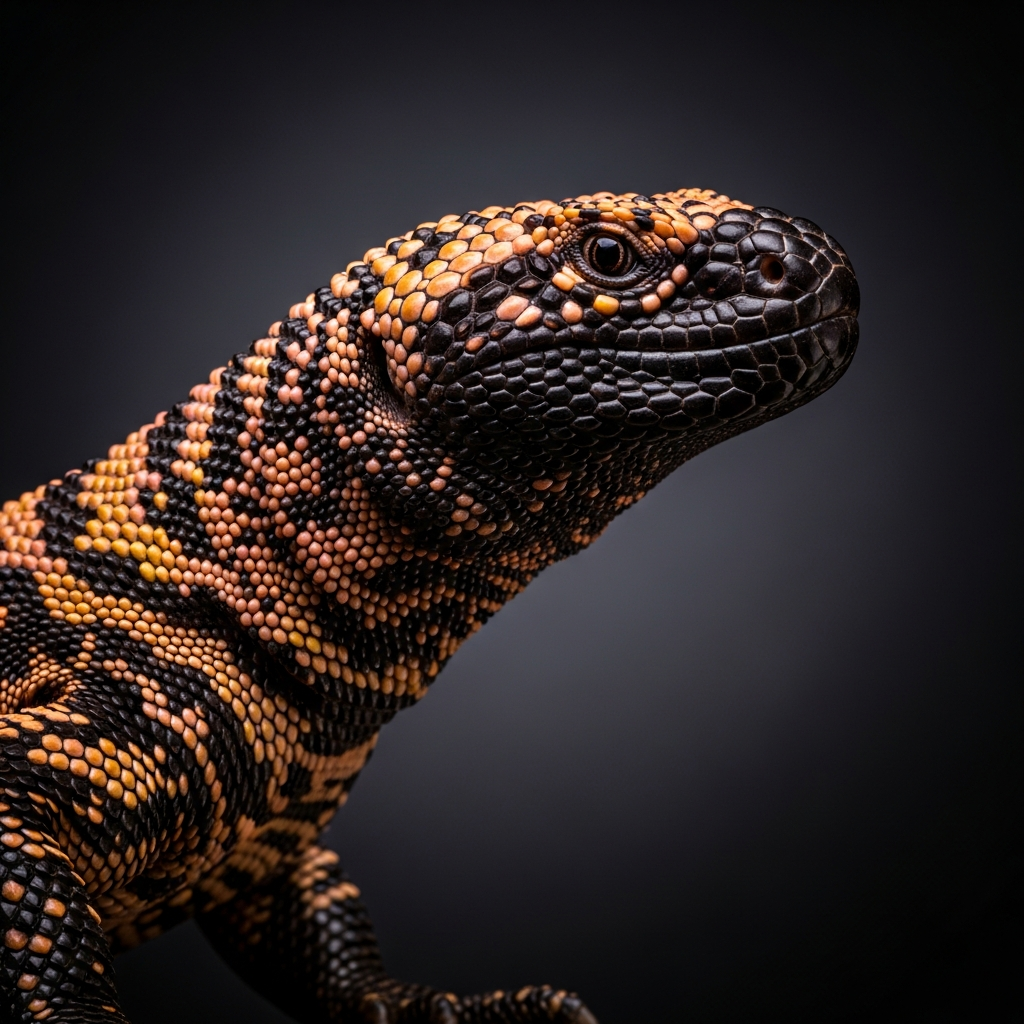
Stoneware mug, dishwasher safe
Buy Mug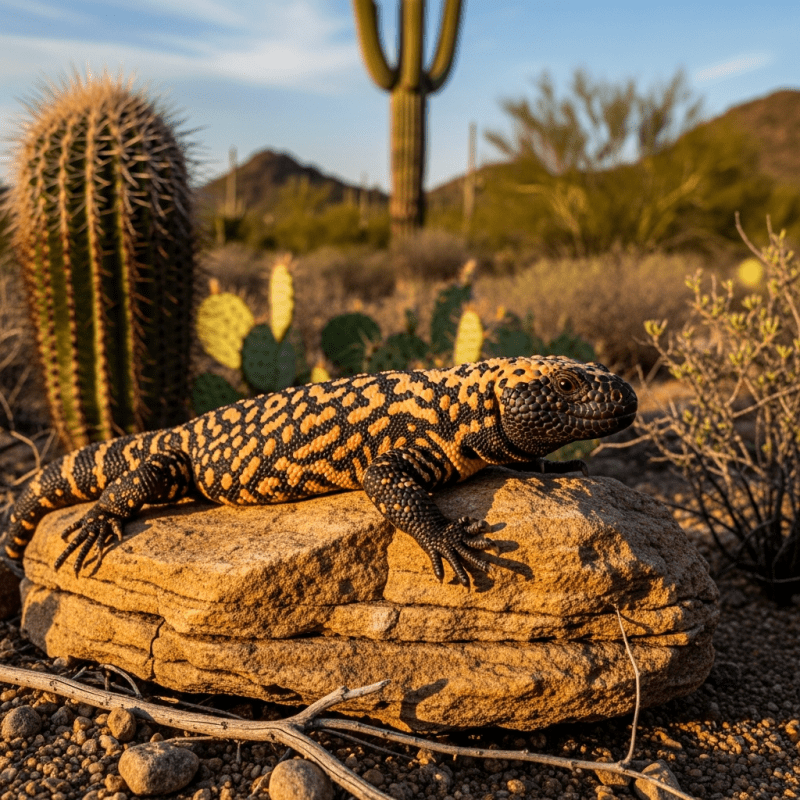
Soft cotton tee, unisex sizes
Buy ShirtAmong indigenous peoples of the Southwestern United States, the Gila Monster holds cultural significance, appearing in folklore and traditional stories. While it is not commonly used directly in traditional medicine or cuisine, it remains a symbol of the desert’s unique wildlife and is respected for its potent venom and distinctive appearance.
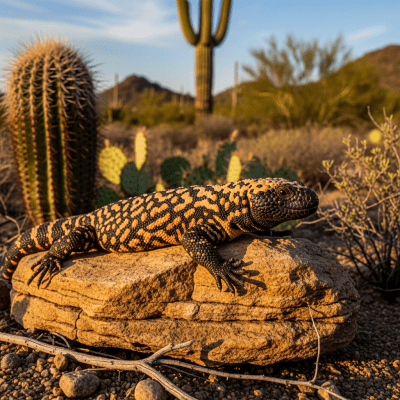
The Gila Monster inhabits arid desert regions characterized by rocky terrain and sparse vegetation. It is native to the southwestern United States—primarily Arizona, New Mexico, Nevada, and Utah—and extends into northwestern Mexico’s Sonora region. It spends much of its time underground, seeking shelter in burrows and crevices.
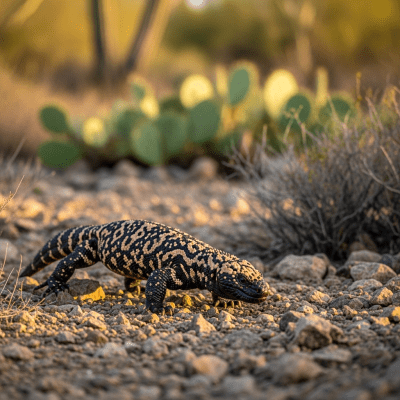
This carnivorous lizard feeds on a variety of prey including eggs, small mammals, birds, and other reptiles. It uses its venom primarily to subdue prey rather than for hunting speed, relying on its slow but deliberate movements to ambush food sources.
The Gila Monster is oviparous, laying eggs to reproduce. Details on clutch size and breeding season are limited, but like many desert reptiles, it likely breeds in warmer months. Individuals grow slowly and can live over two decades in the wild, reaching maturity over several years.
While not currently classified as endangered, the Gila Monster faces threats from habitat loss and illegal collection. It is protected by law in many areas, and trade is highly regulated to prevent population declines. Conservation efforts focus on habitat preservation and public education to reduce human conflict.
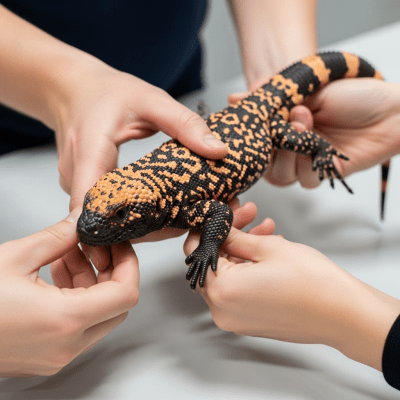
Due to its venomous nature and specialized needs, the Gila Monster is rarely kept as a pet. When maintained in captivity, it requires carefully controlled environments mimicking its desert habitat, including appropriate temperature gradients and diet. Captive breeding is limited and regulated, with most individuals kept for educational or research purposes rather than private ownership.