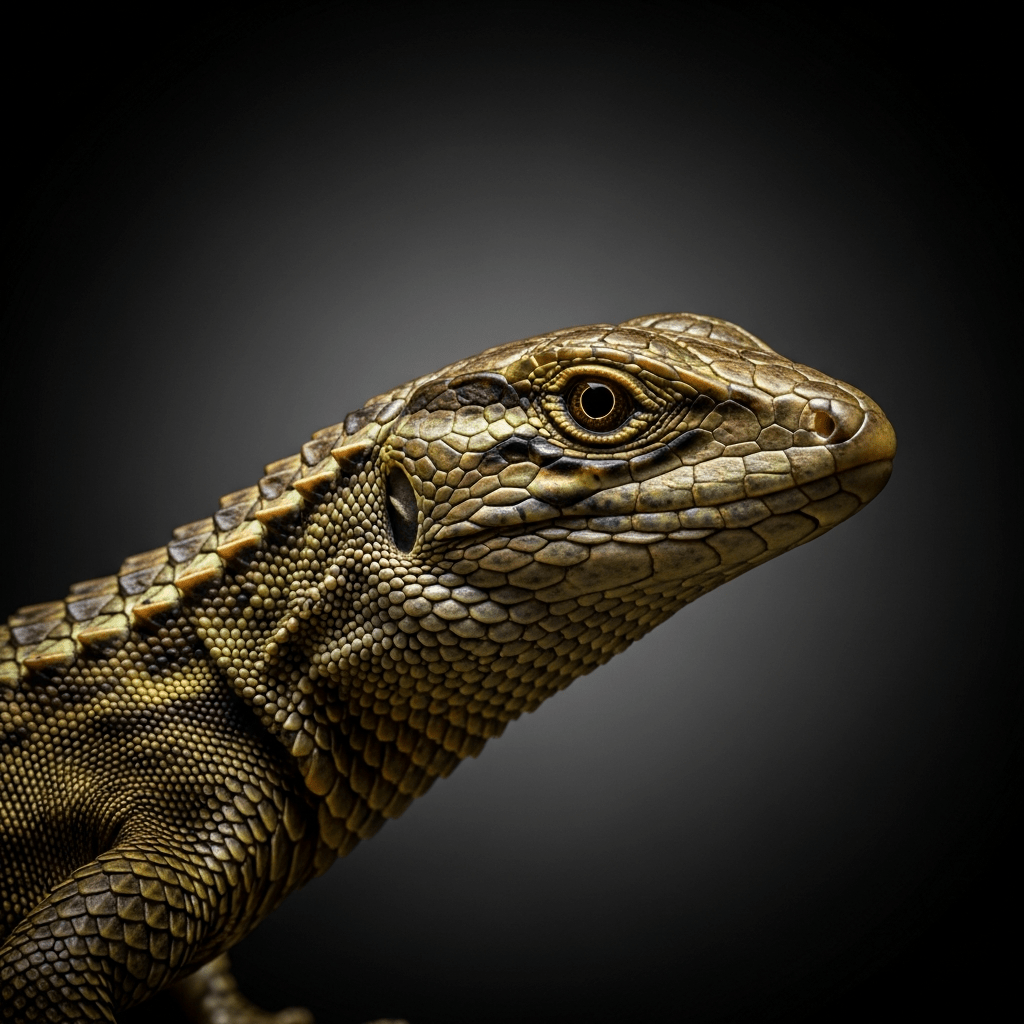
Northern Alligator Lizard
The Northern Alligator Lizard (Elgaria coerulea) is a medium-sized, semi-arboreal reptile native to western North America, recognized for its elongated body, short limbs, and distinctive keeled scales.
The Northern Alligator Lizard (Elgaria coerulea) is a medium-sized, semi-arboreal reptile native to western North America, recognized for its elongated body, short limbs, and distinctive keeled scales.
First described by John Edward Gray in 1838, the Northern Alligator Lizard has a natural range extending from southern British Columbia through Washington, Oregon, northern California, and parts of Idaho and Montana. It thrives in diverse habitats, from coastal forests to mountainous regions, reflecting a long-established presence in these areas.
Belonging to the family Anguidae and genus Elgaria, the Northern Alligator Lizard is part of the subfamily Gerrhonotinae, which includes alligator lizards and their close relatives. This group is distinguished by elongated bodies and robust limbs, setting them apart within the broader lizard suborder Lacertilia.
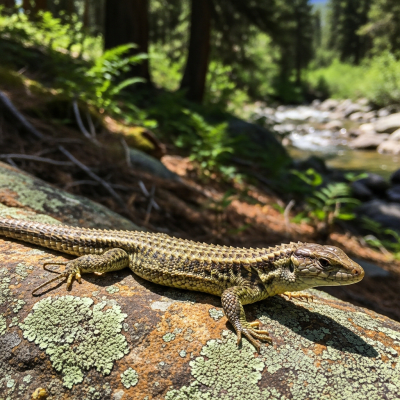
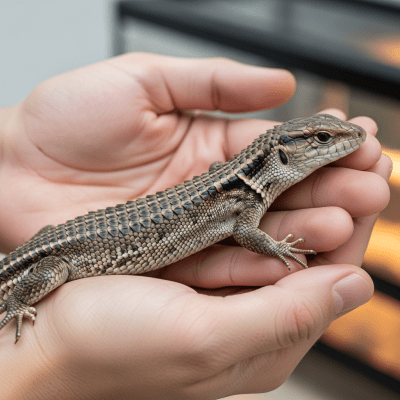
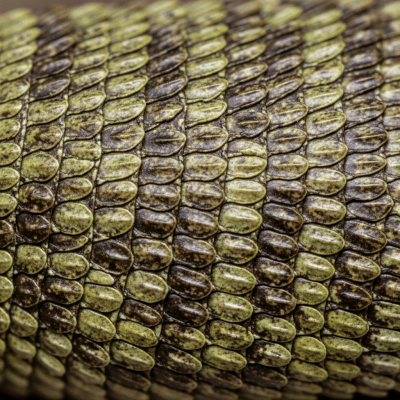
This lizard features a slender, elongated body measuring 10 to 28 centimeters in total length, including a long, prehensile tail that can be shed to evade predators. Its short but sturdy limbs support its semi-arboreal lifestyle. The skin is rough to the touch due to keeled, granular scales, with dorsal colors ranging from brown to olive or gray, often patterned with dark crossbands or mottling, while the underside is lighter.
Active during the day, the Northern Alligator Lizard exhibits semi-arboreal habits, often navigating both ground and low vegetation. It plays a vital ecological role as an insectivore, consuming a variety of arthropods and occasionally small vertebrates. Its ability to tolerate cooler temperatures allows it to remain active in environments that challenge many other lizard species.
Bring this kind into your world illustrated posters, mugs, and shirts.

Archival print, museum-grade paper
Buy Poster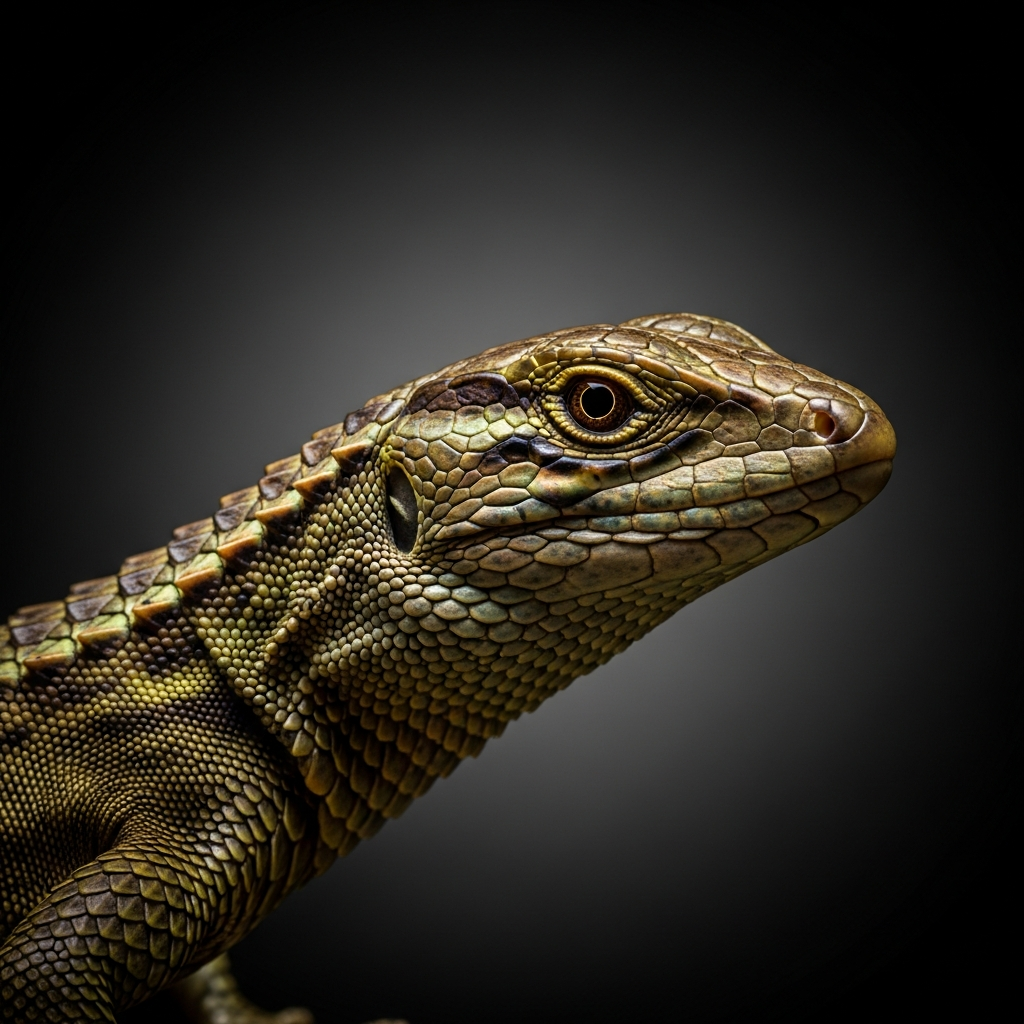
Stoneware mug, dishwasher safe
Buy Mug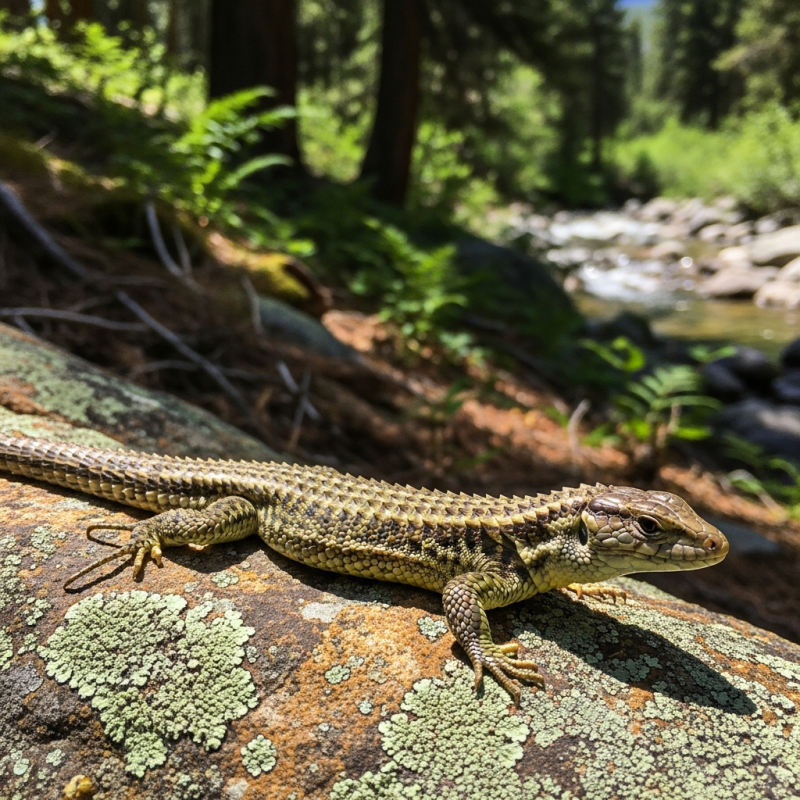
Soft cotton tee, unisex sizes
Buy ShirtWhile not prominent in culinary or widespread cultural traditions, the Northern Alligator Lizard holds value in educational contexts and occasional pet ownership. Its presence in local ecosystems underscores its role in natural heritage, though it lacks notable mythological or artistic representation.
Native to western North America, the Northern Alligator Lizard inhabits a broad range from southern British Columbia through the Pacific Northwest into northern California and parts of Idaho and Montana. It occupies varied environments including coastal forests, montane woodlands, and shrublands, favoring habitats that offer both ground cover and arboreal opportunities.
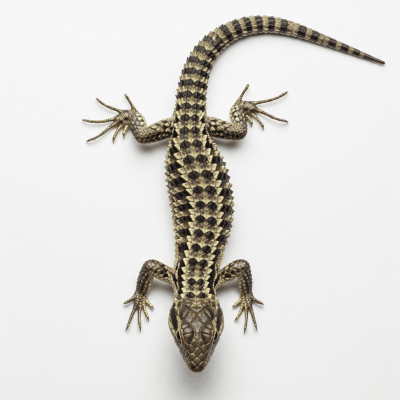

This species is primarily insectivorous, feeding on a diverse array of arthropods such as beetles, spiders, and ants. It may also consume small vertebrates when available. Its feeding behavior supports its role as a mid-level predator within its ecosystem.
The Northern Alligator Lizard is ovoviviparous, meaning females give birth to live young rather than laying eggs. This reproductive strategy offers advantages in cooler climates by protecting developing embryos internally. Details on clutch size and breeding season vary among populations but generally align with temperate seasonal cycles.
Currently, the Northern Alligator Lizard faces no major widespread threats and is considered stable across much of its range. Its adaptability to diverse habitats and tolerance of cooler climates contribute to its resilience. Nonetheless, localized habitat loss and predation by introduced species may impact some populations.
Though not widely popular in the pet trade, Northern Alligator Lizards can be kept in captivity with proper care. They require enclosures that mimic their natural semi-arboreal habitat, including hiding spots and climbing structures. Maintaining appropriate temperature gradients and a diet rich in live insects is essential. Captive breeding is limited, and health issues are generally minimal with proper husbandry.