Eastern Fence Lizard
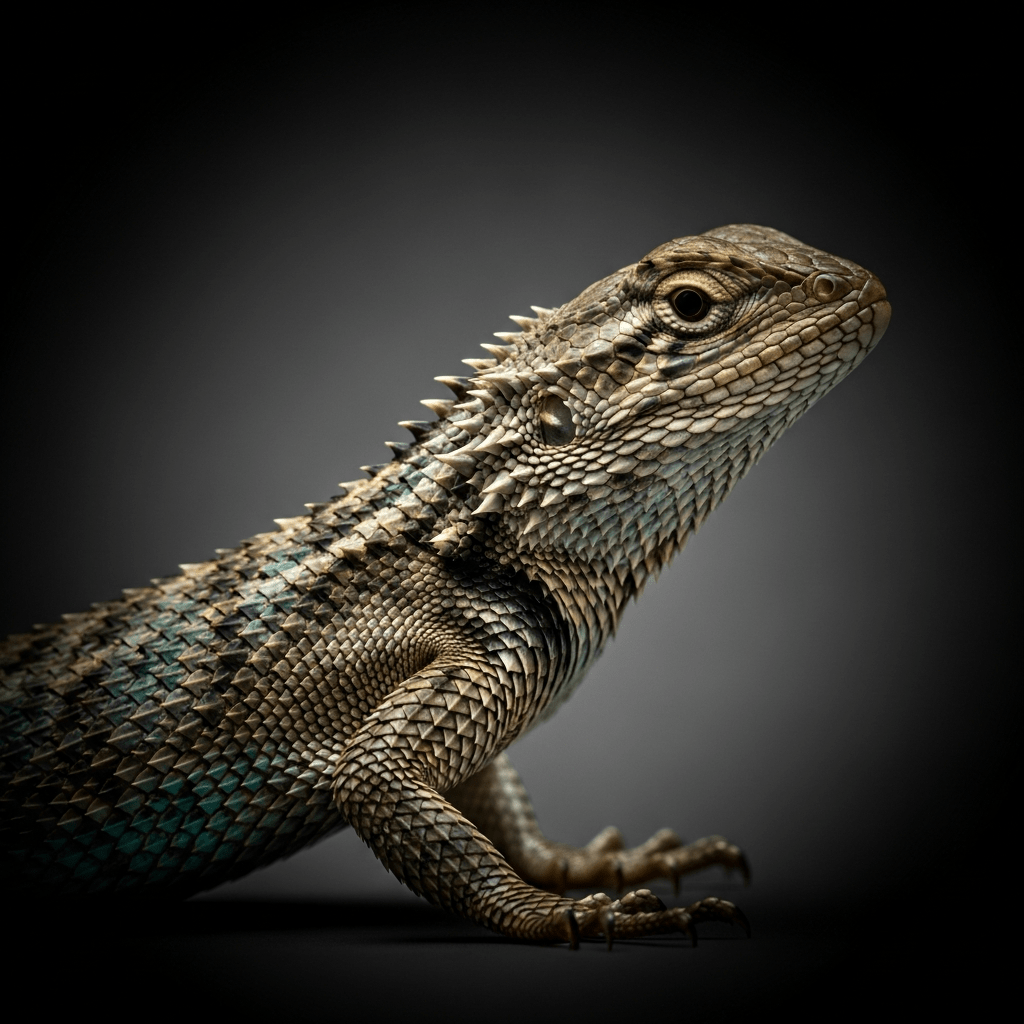
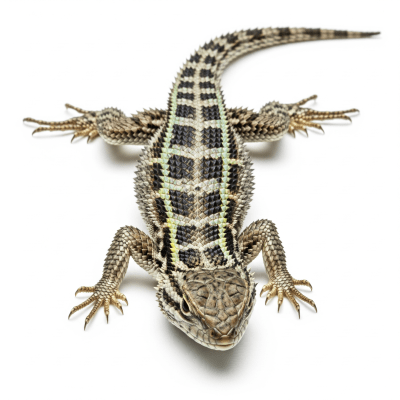
The Eastern Fence Lizard (Sceloporus undulatus) is a medium-sized, spiny lizard native to the eastern United States, recognized for its rough, keeled scales and striking blue patches on the bellies and throats of adult males.
The Eastern Fence Lizard (Sceloporus undulatus) is a medium-sized, spiny lizard native to the eastern United States, recognized for its rough, keeled scales and striking blue patches on the bellies and throats of adult males.
First described in 1801 by Palisot de Beauvois, the Eastern Fence Lizard is a naturally occurring species with no known captive breeding origin. It inhabits a broad native range spanning from New York and New Jersey southward to Florida, west to Texas and Oklahoma, and north into parts of the Midwest.
Belonging to the genus Sceloporus within the family Phrynosomatidae, the Eastern Fence Lizard is part of the diverse group of spiny lizards. It has been historically classified with several subspecies, though recent taxonomic revisions have elevated some former subspecies to full species status.
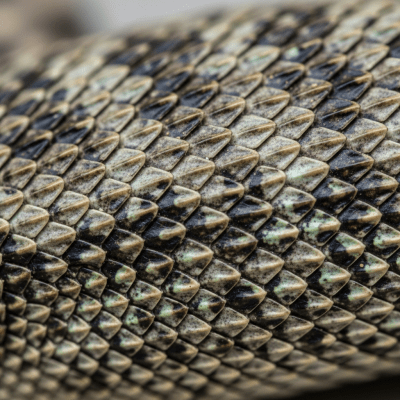
This lizard typically measures between 10 and 19 centimeters in total length and features a robust body covered with rough, keeled scales. Adult males are distinguished by bright blue patches on their bellies and throats, while females and juveniles display gray or brown coloration with wavy crossbands. Its moderately long tail complements its sturdy form.
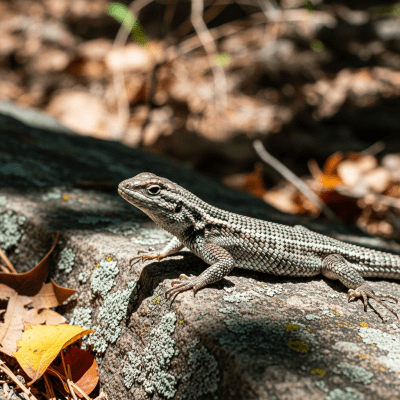
The Eastern Fence Lizard is diurnal and primarily terrestrial, often seen basking on logs, fences, and rocky outcrops. It is a capable climber and exhibits rapid, jerky movements when disturbed. Ecologically, it plays a role as an insect predator and is adapted to colder climates by entering a state of brumation during winter months.
Bring this kind into your world illustrated posters, mugs, and shirts.
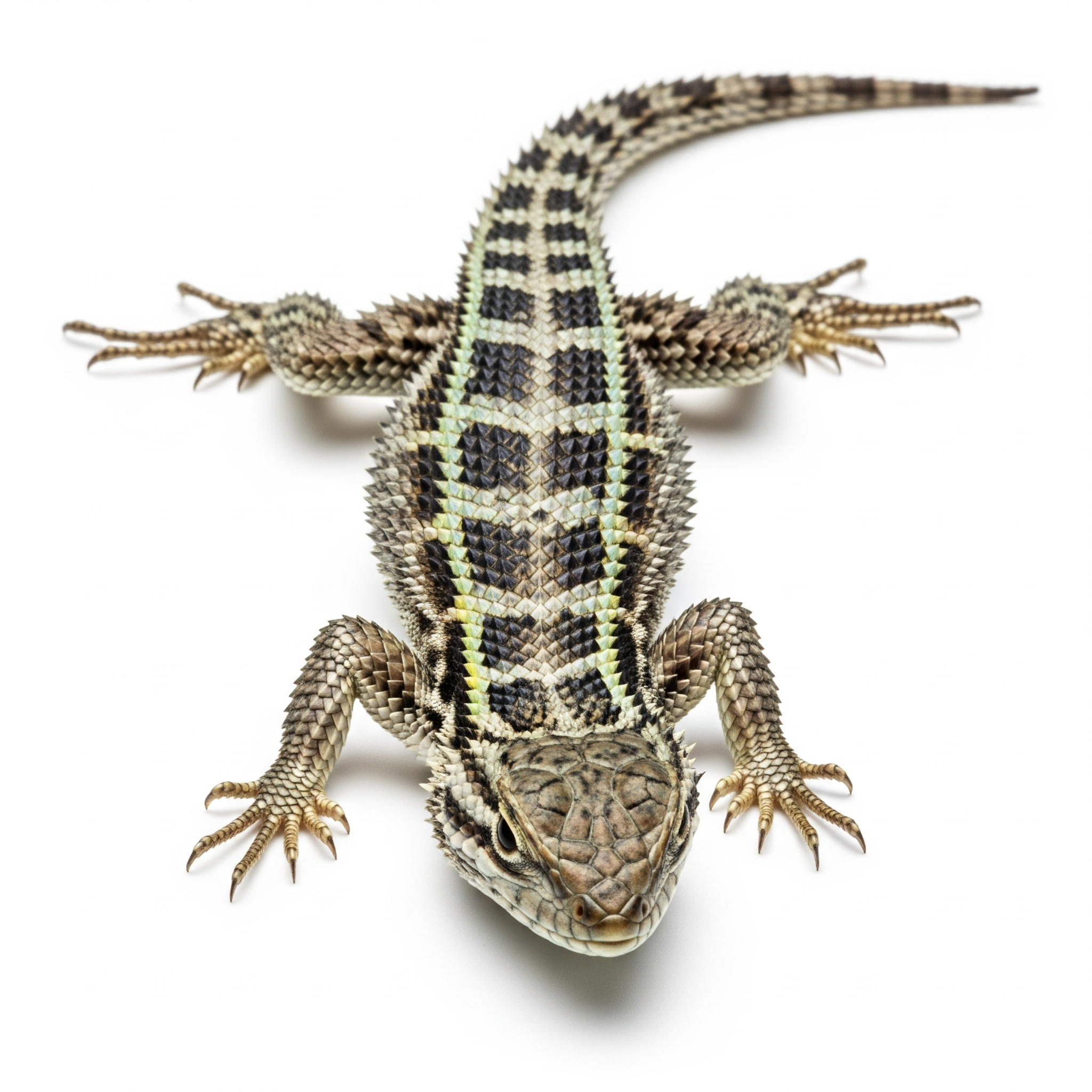
Archival print, museum-grade paper
Buy Poster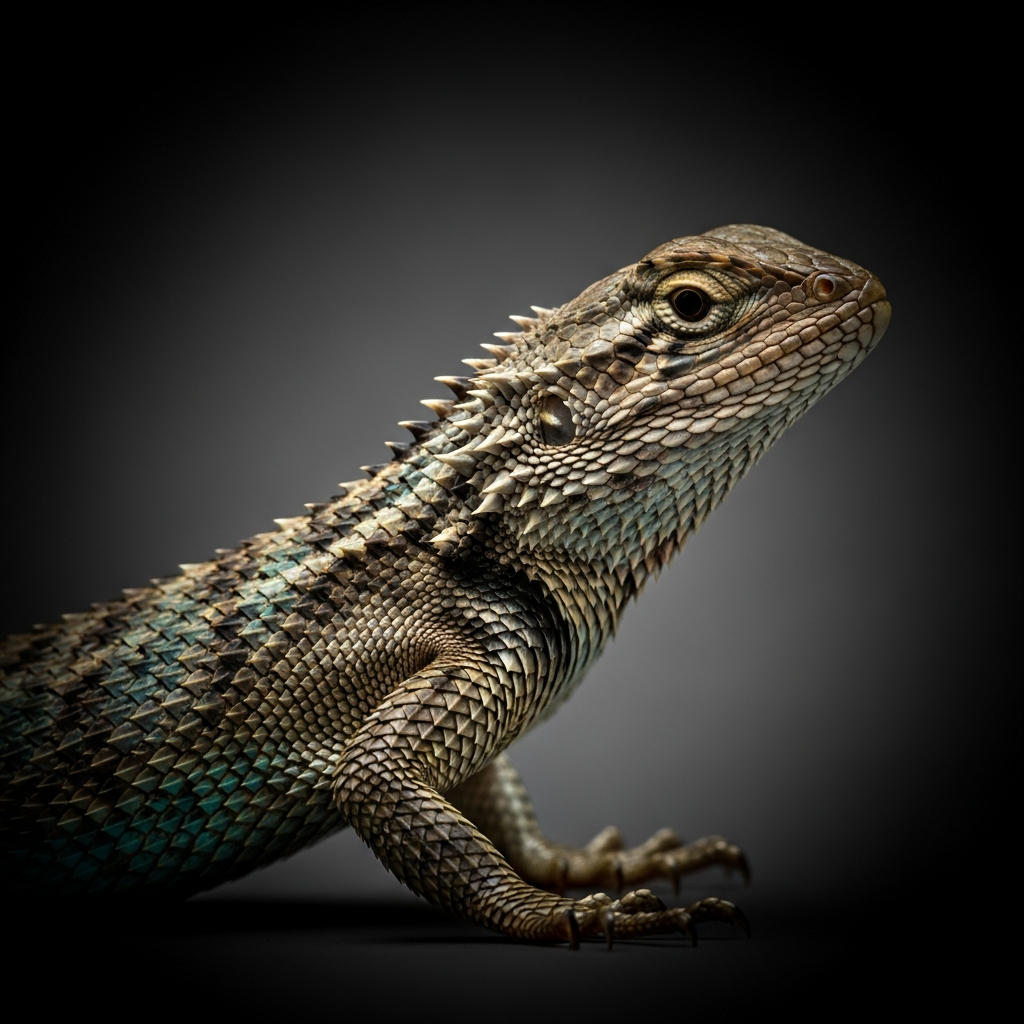
Stoneware mug, dishwasher safe
Buy Mug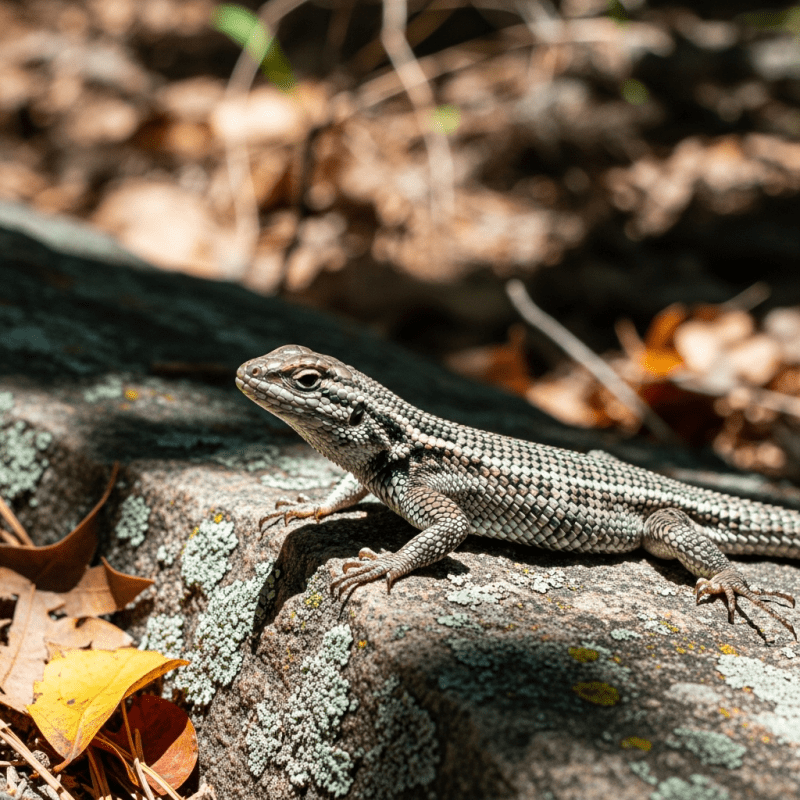
Soft cotton tee, unisex sizes
Buy ShirtWhile not widely prominent in folklore or art, the Eastern Fence Lizard holds educational value and is occasionally kept as a pet. Its presence in natural settings contributes to ecological awareness and appreciation of native reptile fauna in the eastern United States.
The Eastern Fence Lizard inhabits open woodlands, forest edges, and rocky outcrops throughout the eastern United States. It is commonly observed basking on logs, fences, and rocks within its native range, which extends from New York and New Jersey south to Florida, west to Texas and Oklahoma, and north into parts of the Midwest.

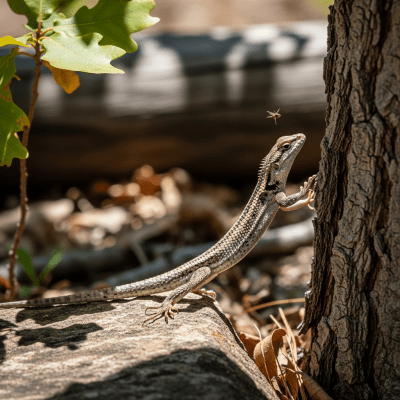
This species is an insectivore, feeding primarily on a variety of insects. Its active foraging during daylight hours helps control insect populations in its ecosystem.
The Eastern Fence Lizard is oviparous, laying eggs to reproduce. While specific clutch sizes and breeding seasons vary regionally, females typically deposit eggs in sheltered locations. Individuals can live up to five years in the wild, with growth and longevity influenced by habitat conditions.
Currently, the Eastern Fence Lizard faces no major threats and maintains stable populations across its range. Its adaptability to various habitats and resistance to cold contribute to its resilience. Conservation efforts focus on habitat preservation and monitoring to ensure continued stability.
Though not commonly kept as pets, Eastern Fence Lizards require environments that mimic their natural habitat, including access to basking spots, appropriate temperature gradients, and a diet rich in live insects. They are best suited for experienced reptile keepers familiar with their diurnal and terrestrial nature.