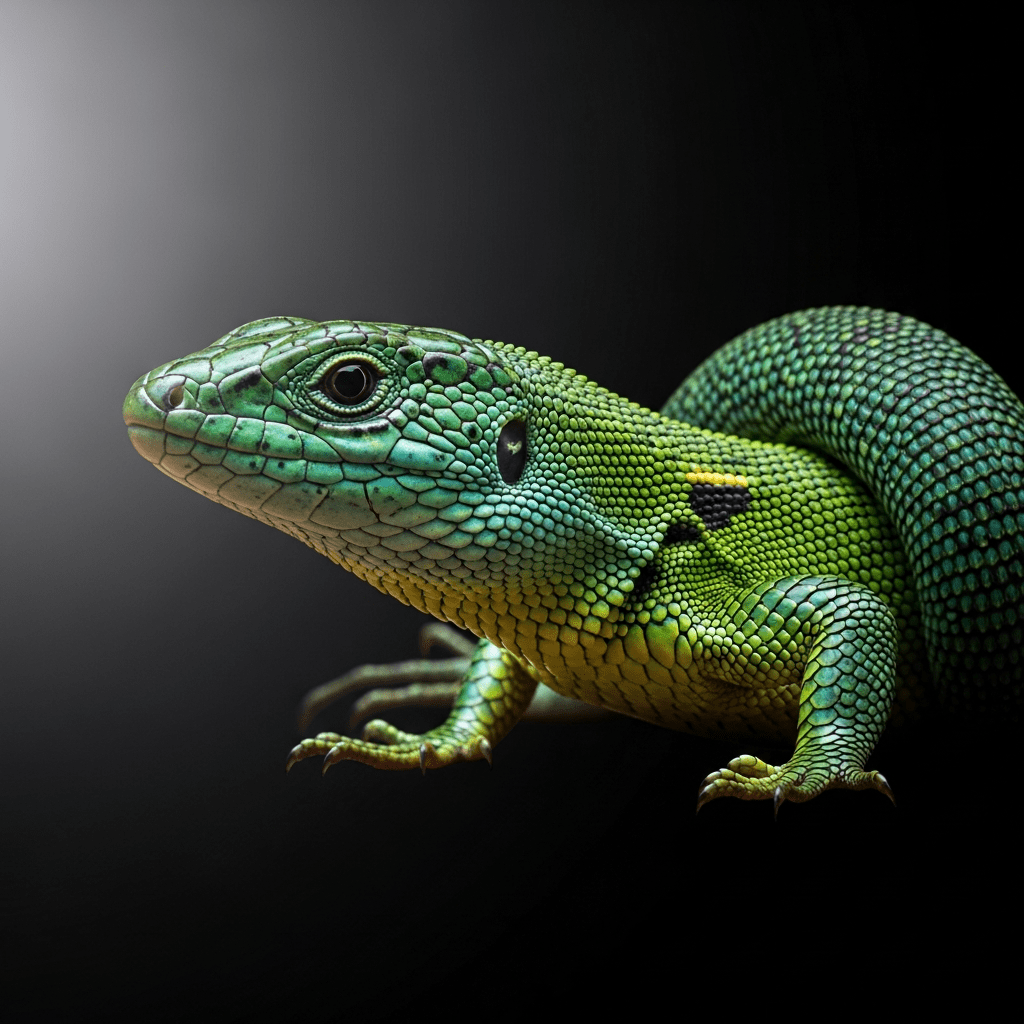
Green Ameiva
The Green Ameiva (Ameiva ameiva) is a large, fast-moving lizard native to northern South America, known for its vivid green and blue hues and active terrestrial lifestyle.
The Green Ameiva (Ameiva ameiva) is a large, fast-moving lizard native to northern South America, known for its vivid green and blue hues and active terrestrial lifestyle.
First described by Carl Linnaeus in 1758, the Green Ameiva is a naturally occurring species indigenous to northern South America, including Brazil, Colombia, Venezuela, the Guianas, Trinidad, and parts of Central America. It has no known domesticated origin or breeder association.
The Green Ameiva belongs to the family Teiidae within the genus Ameiva. It is a distinct species within the diverse group of lizards classified under the suborder Lacertilia, widely recognized for their agility and terrestrial habits.
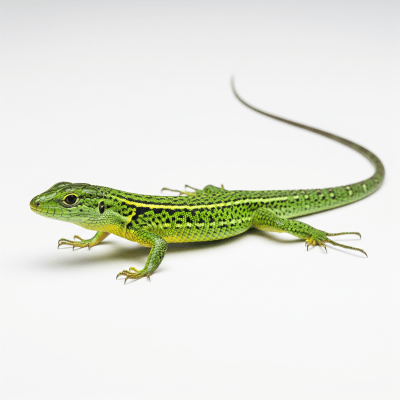
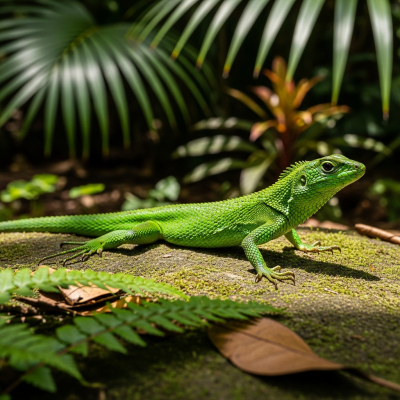
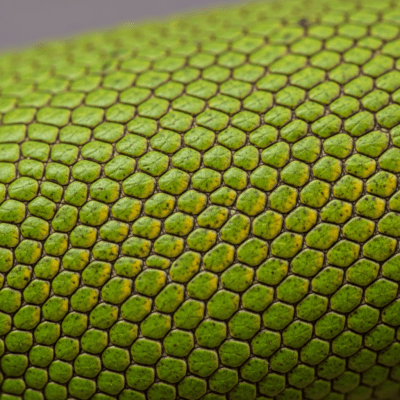
This species displays a robust, elongated body measuring 30 to 50 centimeters in length, with well-developed limbs and a long tail. Its dorsal surface is bright green accented with blue or turquoise hues, often marked by black spots or stripes, while the ventral side is lighter. Juveniles tend to have more pronounced patterns. The Green Ameiva’s smooth, granular scales and pointed snout are distinctive features that contribute to its sleek appearance.
The Green Ameiva is diurnal and highly active, exhibiting rapid movements across open, sunny habitats. It is known for its strong digging behavior and adaptability to moderately disturbed environments. As an omnivore, it plays an important ecological role by feeding on insects, small vertebrates, fruits, and occasionally carrion.
Bring this kind into your world illustrated posters, mugs, and shirts.
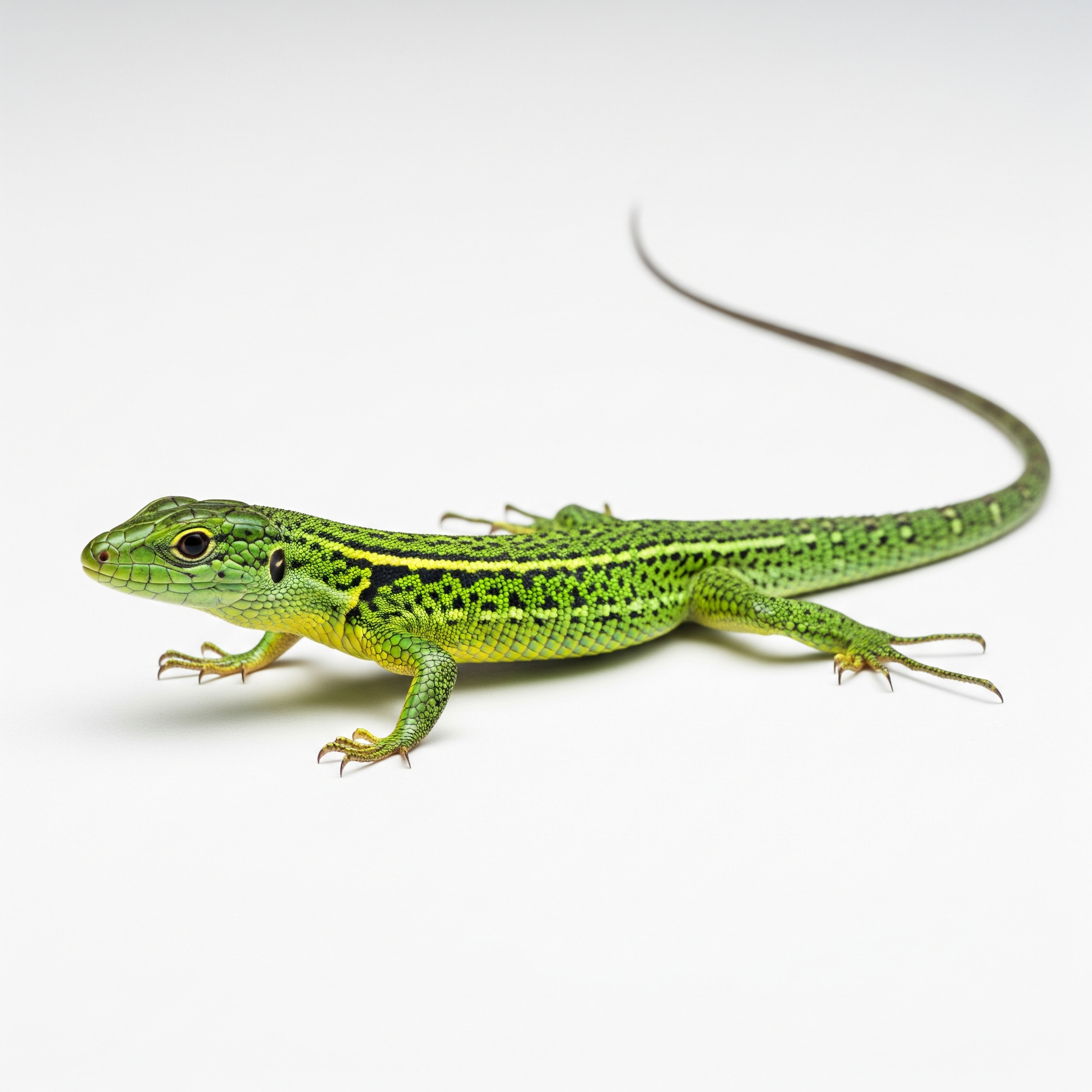
Archival print, museum-grade paper
Buy Poster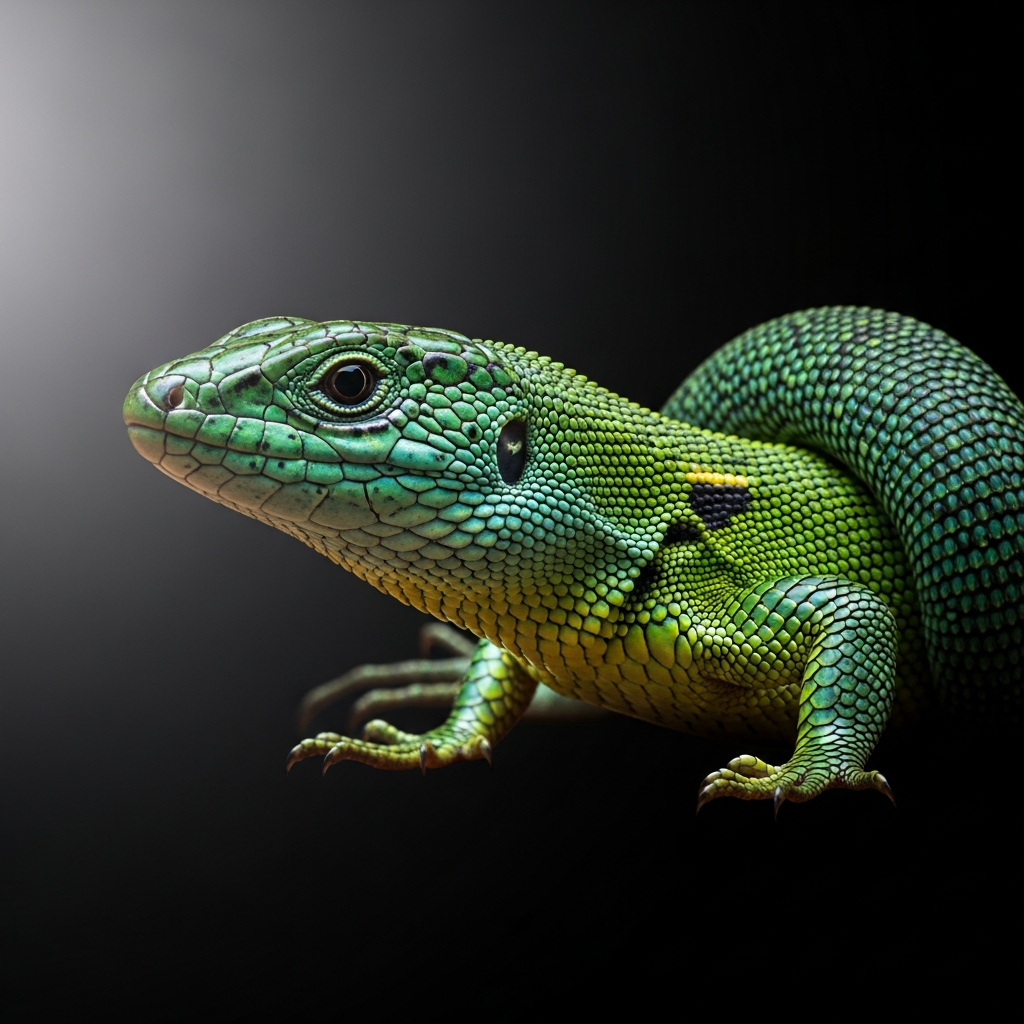
Stoneware mug, dishwasher safe
Buy Mug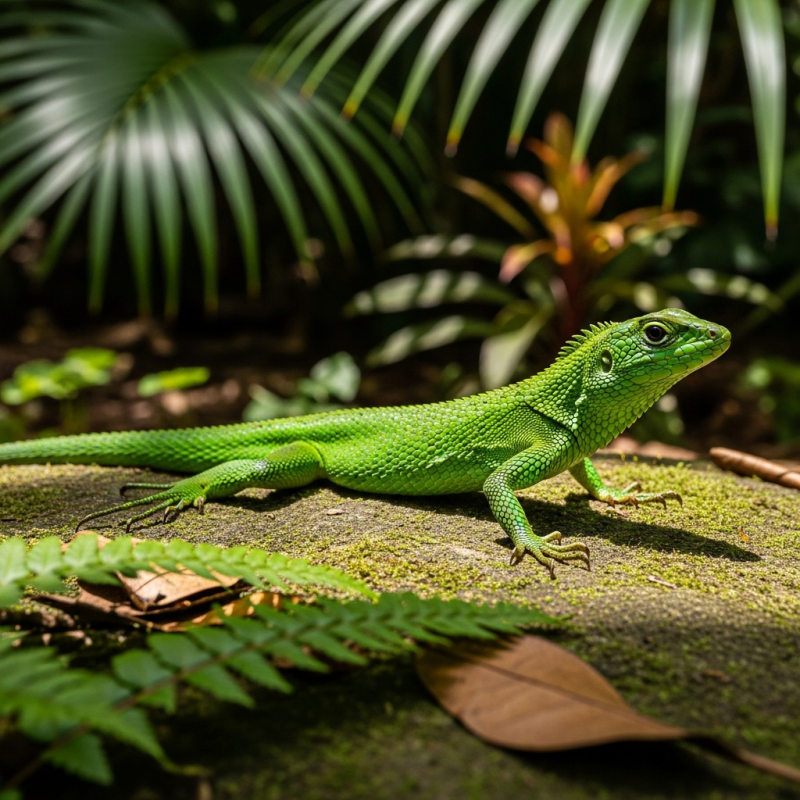
Soft cotton tee, unisex sizes
Buy ShirtWhile not widely prominent in popular culture, the Green Ameiva holds ecological significance and is occasionally featured in herpetoculture and educational displays. Locally, it may be recognized by names such as "Amazon racerunner" and "lagarto verde," reflecting its presence in regional folklore and vernacular.
The Green Ameiva inhabits open, sunny environments such as savannas, forest edges, and disturbed areas across northern South America and parts of Central America. It tolerates moderate habitat alteration, often thriving in regions affected by human activity while preferring terrestrial microhabitats with ample sunlight.

As an omnivore, the Green Ameiva’s diet includes a variety of insects, small vertebrates, fruits, and occasionally carrion. Its active foraging behavior and strong digging abilities allow it to exploit diverse food sources within its habitat.
Details on the Green Ameiva’s reproductive mode and lifecycle are limited, but like many Teiidae lizards, it is presumed oviparous, laying eggs in secure terrestrial nests. Juveniles display more vivid patterning than adults, indicating developmental changes as they mature.
The Green Ameiva faces threats primarily from habitat loss and predation but benefits from moderate resilience to environmental disturbance. It is not currently known to be under significant conservation threat, though ongoing habitat changes warrant monitoring.
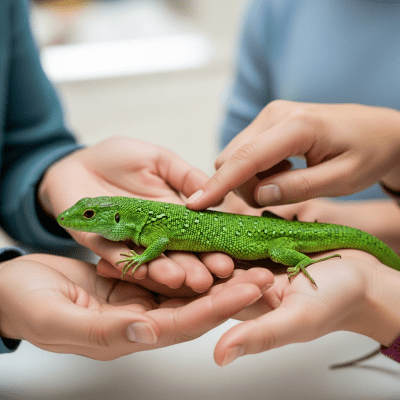
Occasionally kept in captivity for educational or herpetocultural purposes, the Green Ameiva requires environments that replicate its natural sunny, open habitats. Key care considerations include providing ample space for active movement, a varied omnivorous diet, and substrate suitable for digging. Captive breeding status and detailed husbandry guidelines remain limited.