Frilled Lizard
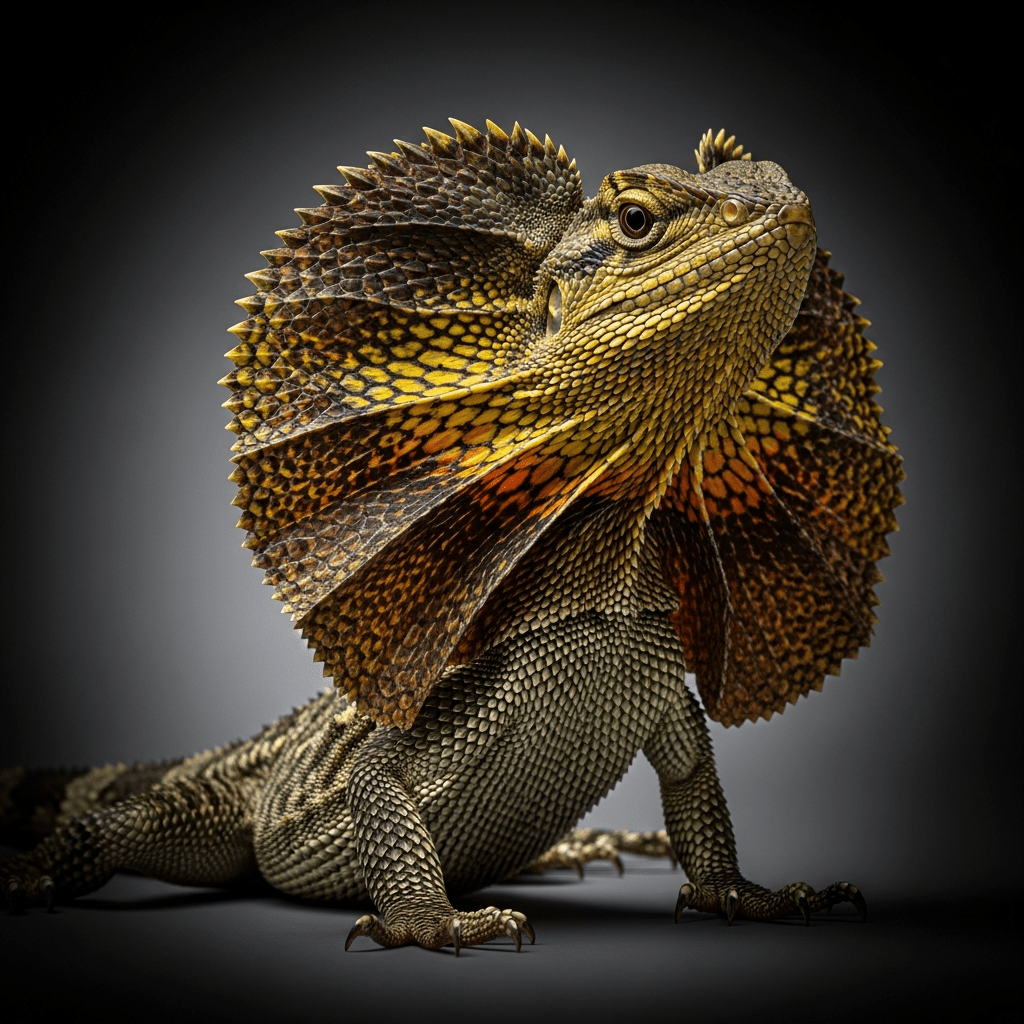
The Frilled Lizard (Chlamydosaurus kingii) is a striking agamid reptile native to northern Australia and southern New Guinea, famed for its large, dramatic neck frill used in defense and communication.
The Frilled Lizard (Chlamydosaurus kingii) is a striking agamid reptile native to northern Australia and southern New Guinea, famed for its large, dramatic neck frill used in defense and communication.
First described in 1825 by John Edward Gray, the Frilled Lizard’s type specimen was collected in Australia. It remains a monotypic species within its genus, with no formal breeding programs or domestication history.
Belonging to the family Agamidae, the Frilled Lizard is classified under the genus Chlamydosaurus. It is a unique member of the agamid lizards, distinguished by its specialized frill and arboreal adaptations.
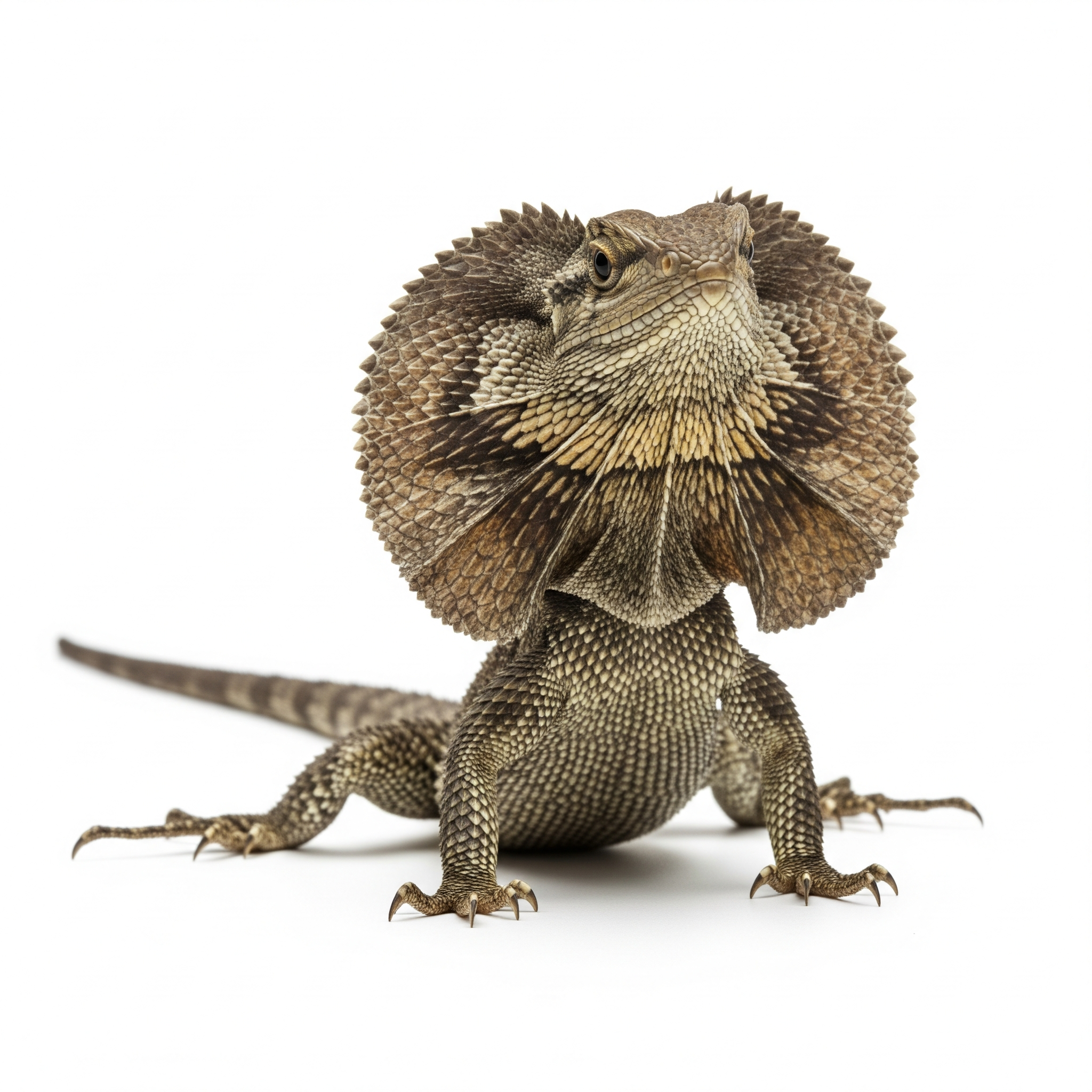
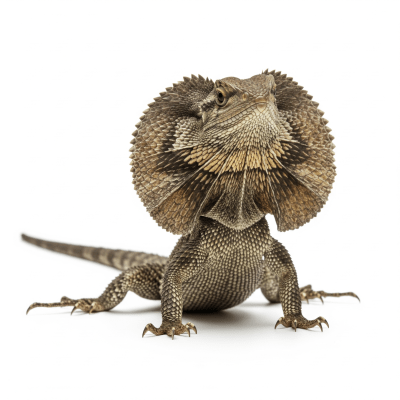
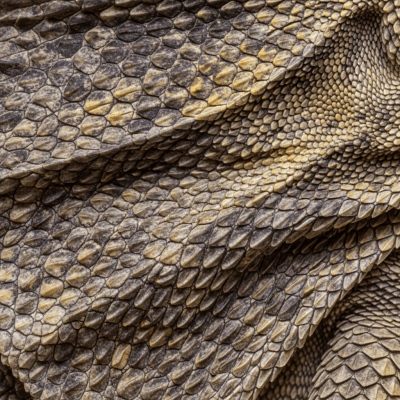
The Frilled Lizard reaches up to 85 cm in length, with males generally larger than females. Its most distinctive feature is a large, circular neck frill supported by elongated hyoid bones, which it can flare open when threatened or during social displays. The body is laterally compressed with long limbs suited for climbing and bipedal running. Its coloration ranges from gray to brown, often mottled to blend into its woodland and savannah habitats.
Primarily diurnal and arboreal, the Frilled Lizard uses its iconic frill as a defensive mechanism to intimidate predators and communicate with others. It is agile in trees and capable of rapid bipedal sprints. This species is insectivorous, feeding mainly on ants, termites, and small vertebrates, playing a role in controlling insect populations.
Bring this kind into your world illustrated posters, mugs, and shirts.
Archival print, museum-grade paper
Buy Poster
Stoneware mug, dishwasher safe
Buy Mug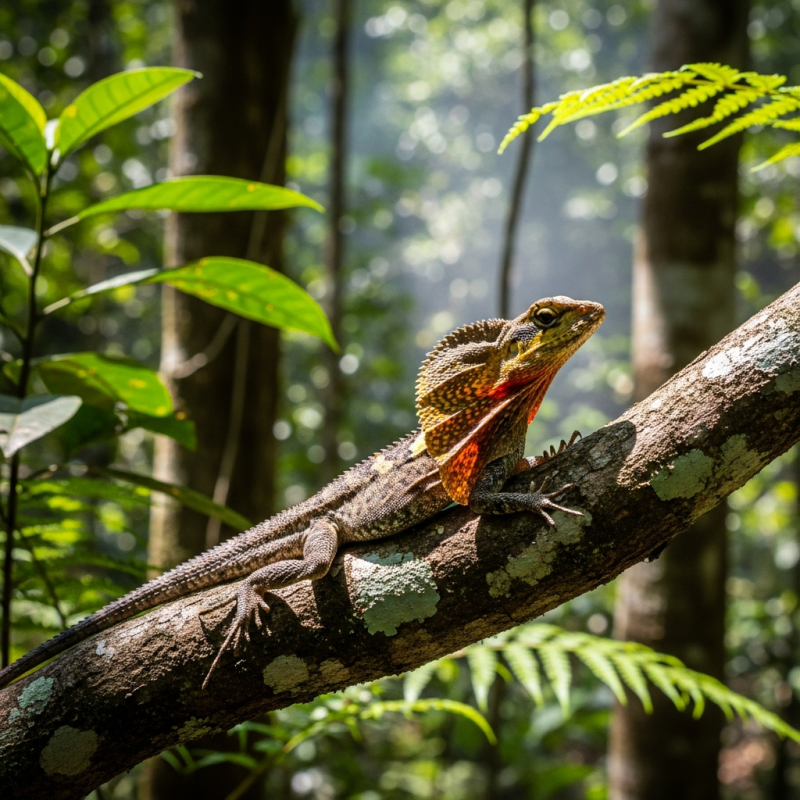
Soft cotton tee, unisex sizes
Buy ShirtIn Australia, the Frilled Lizard holds cultural importance, appearing prominently in indigenous art and folklore. It is also a national icon frequently featured in media, merchandise, and educational displays, symbolizing the unique wildlife of the region.
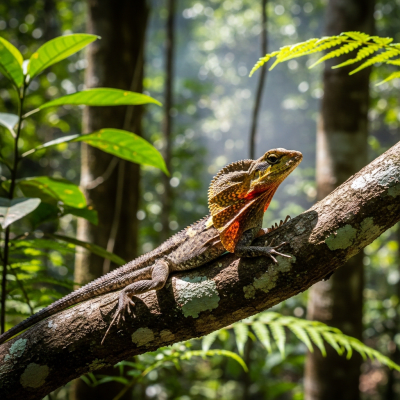
The Frilled Lizard is native to northern Australia and southern New Guinea, where it inhabits savannah woodlands and forested areas. It is primarily arboreal, spending much of its time in trees and shrubs within these warm, tropical environments.
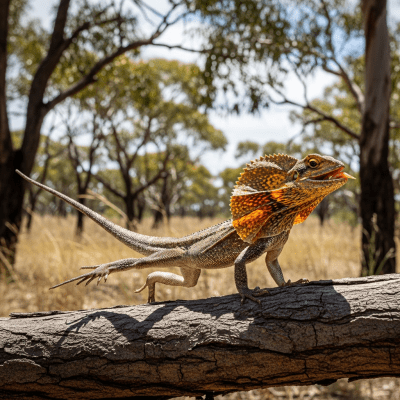
Insectivorous by nature, the Frilled Lizard feeds mainly on ants, termites, and small vertebrates. Its diet helps regulate insect populations in its ecosystem, and it actively hunts during daylight hours.
The Frilled Lizard is oviparous, laying eggs to reproduce. While detailed reproductive behaviors and clutch sizes are not comprehensively documented, like many agamids, it likely breeds seasonally with young developing externally before hatching.
Though the Frilled Lizard shows resilience to arid conditions, it faces threats from habitat loss and predation. Conservation efforts focus on habitat protection, as the species currently has no widespread captive breeding programs or commercial farming.
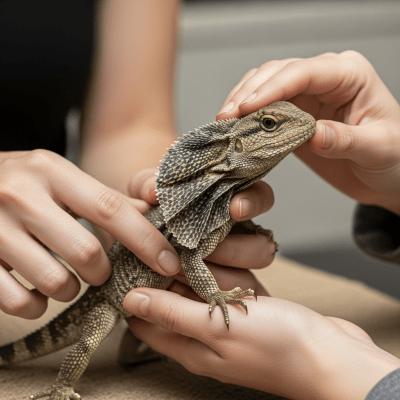
Occasionally kept in captivity for educational or zoological display, the Frilled Lizard requires an environment that mimics its natural arboreal habitat, with ample climbing space and appropriate temperature gradients. Its diet in captivity should replicate its insectivorous nature. Health issues and lifespan data in captivity are limited but individuals may live up to 10 years under proper care.