Western Fence Lizard
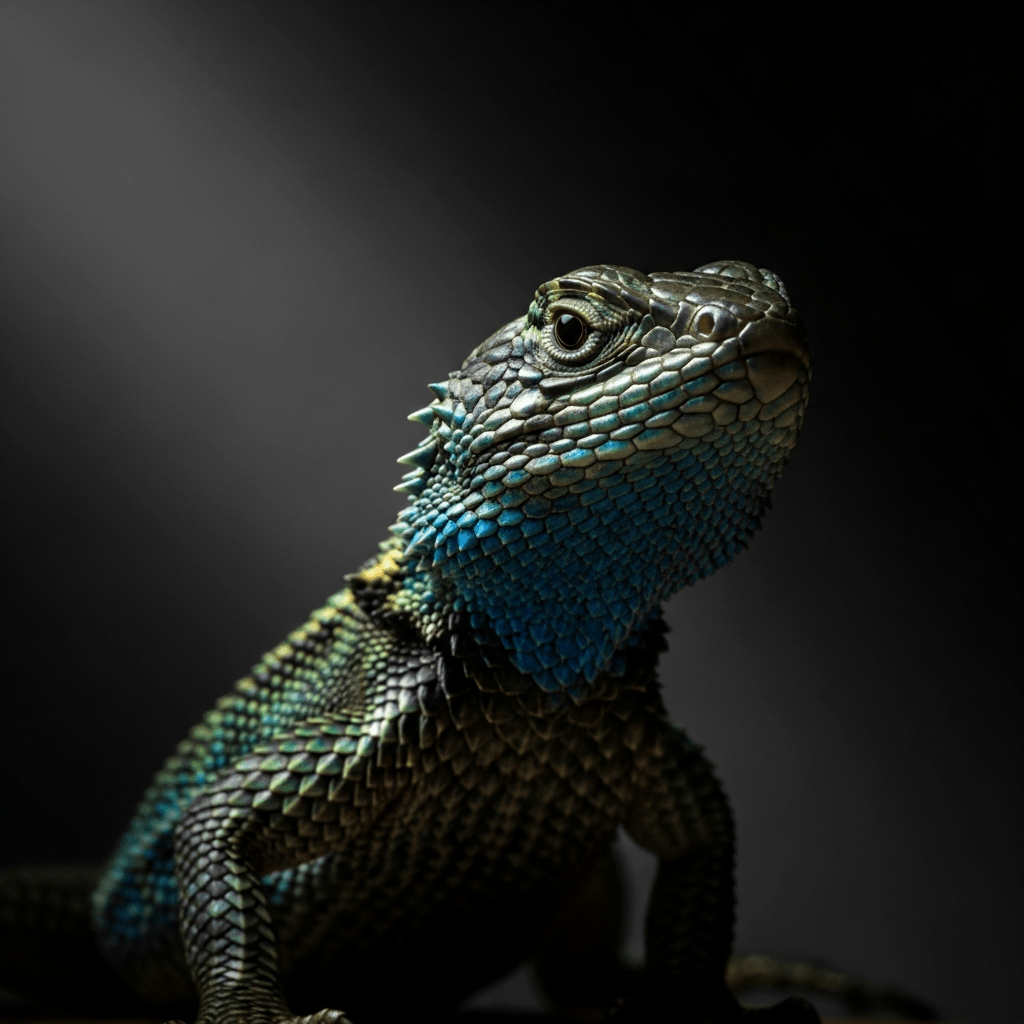
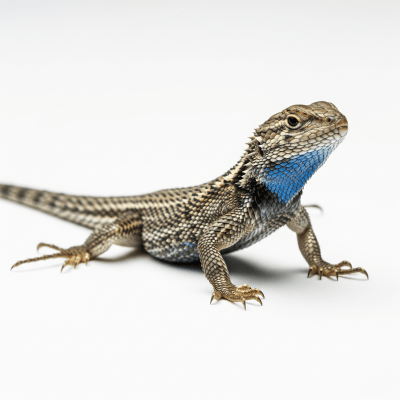
The Western Fence Lizard (Sceloporus occidentalis) is a medium-sized, spiny-scaled lizard native to the western United States, distinguished by the vivid blue patches on the belly and throat of adult males.
The Western Fence Lizard (Sceloporus occidentalis) is a medium-sized, spiny-scaled lizard native to the western United States, distinguished by the vivid blue patches on the belly and throat of adult males.
First scientifically described in 1852 by Baird & Girard, the Western Fence Lizard is a wild species indigenous to regions including California, Oregon, Nevada, Utah, Idaho, and Washington. It has no known history of captive breeding origins, arising naturally within its native habitats.
Belonging to the genus Sceloporus within the family Phrynosomatidae, the Western Fence Lizard is part of the suborder Lacertilia, encompassing true lizards. It is closely related to other spiny lizards and fits within the broader order Squamata, which includes all lizards and snakes.
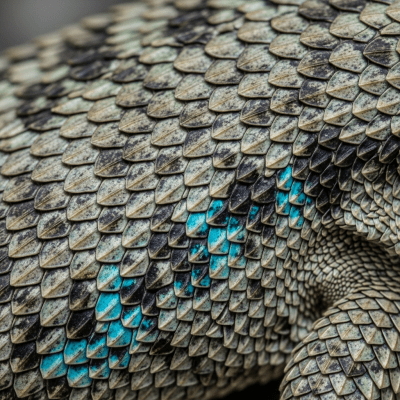
This lizard typically measures between 5.7 and 21 centimeters in total length, featuring keeled, spiny dorsal scales that give it a rough texture. Its coloration ranges from brown to gray or black, often with lighter stripes or patterns. Adult males are notable for their striking blue patches on the belly and throat, while females and juveniles display more subdued hues.
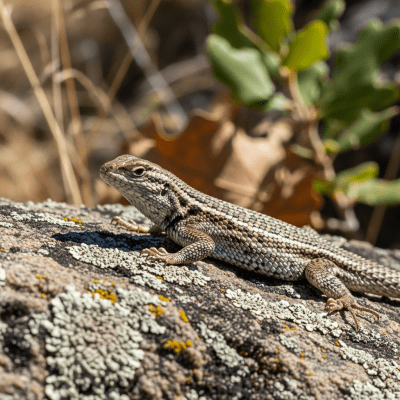
The Western Fence Lizard is diurnal and highly agile, frequently seen basking on rocks, fences, and logs. It plays an important ecological role by feeding on a variety of arthropods, helping control insect populations. Notably, it contributes to reducing Lyme disease transmission by neutralizing bacteria in ticks that feed on it.
Bring this kind into your world illustrated posters, mugs, and shirts.
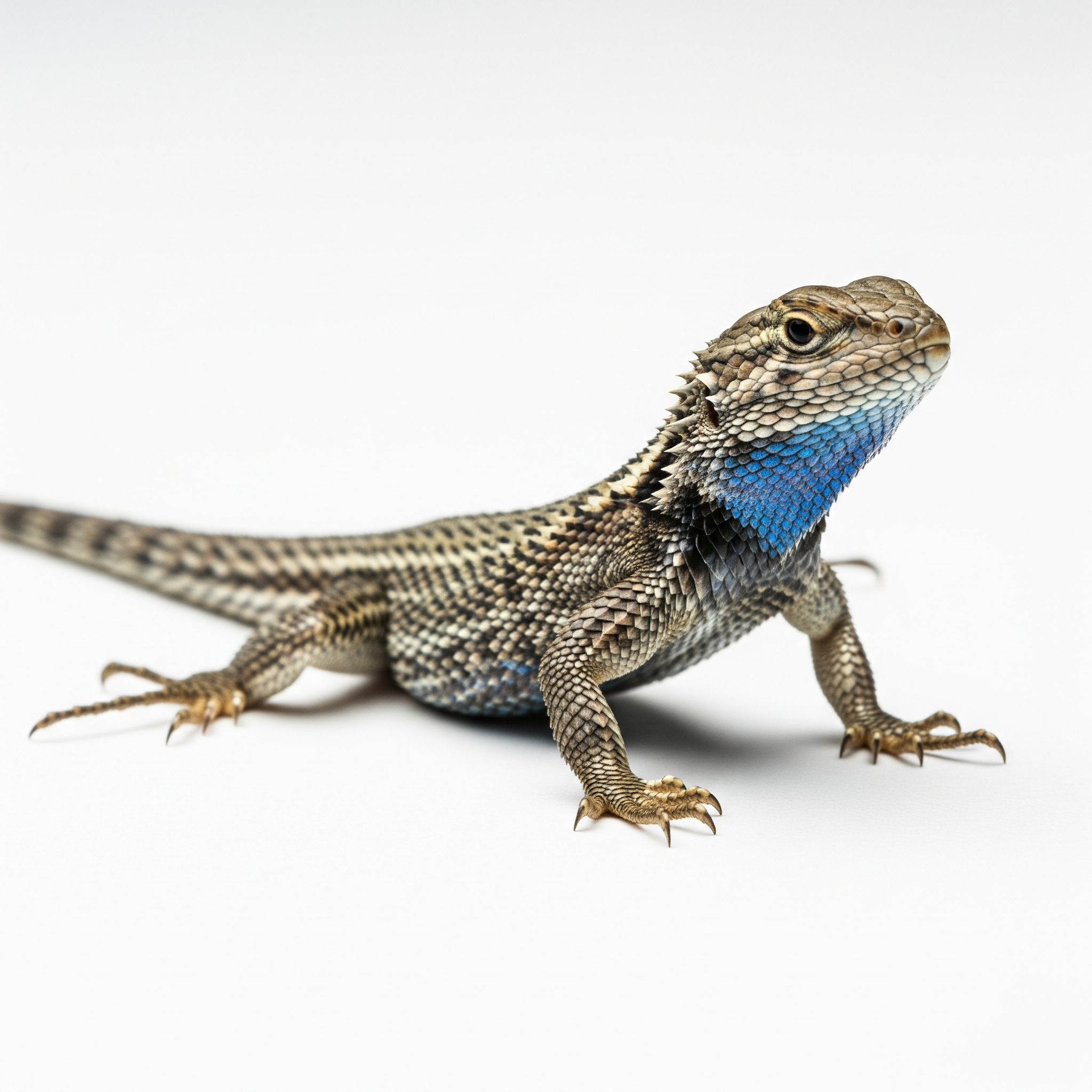
Archival print, museum-grade paper
Buy Poster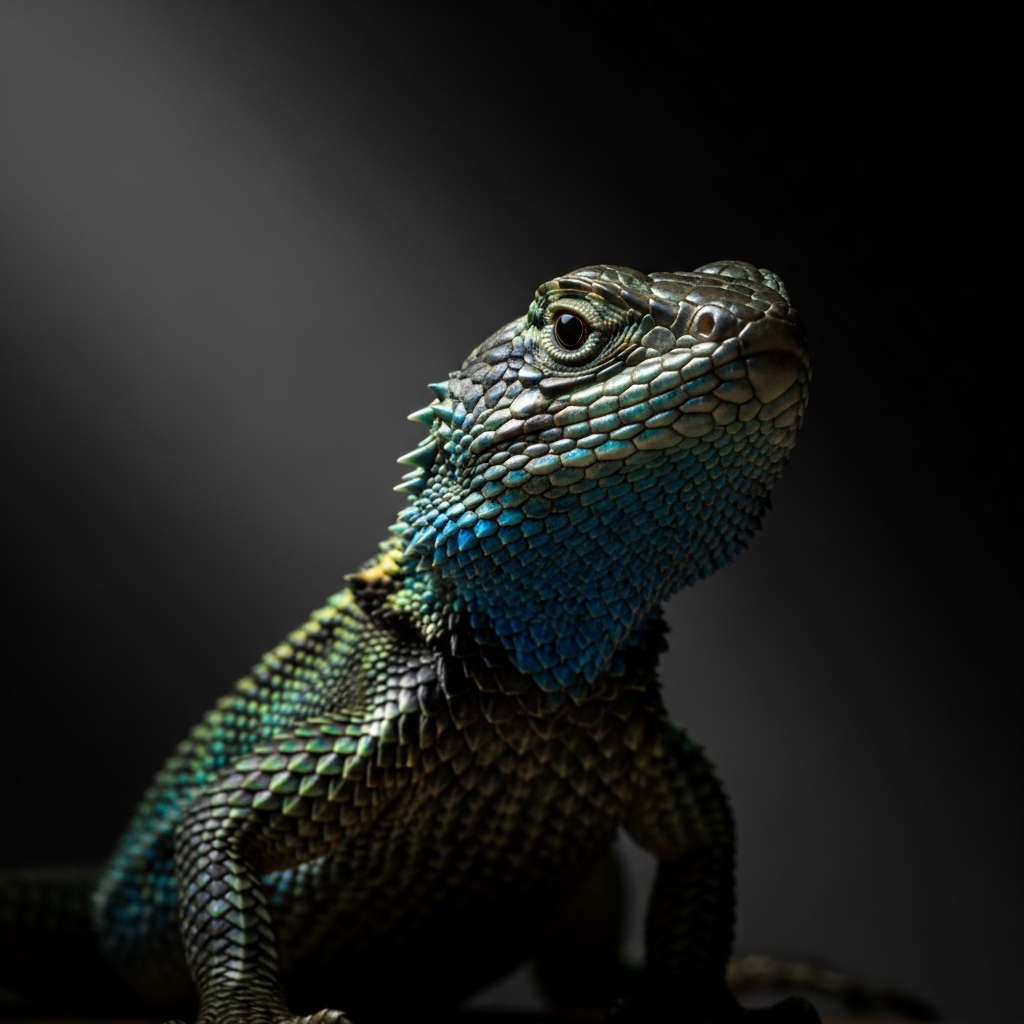
Stoneware mug, dishwasher safe
Buy Mug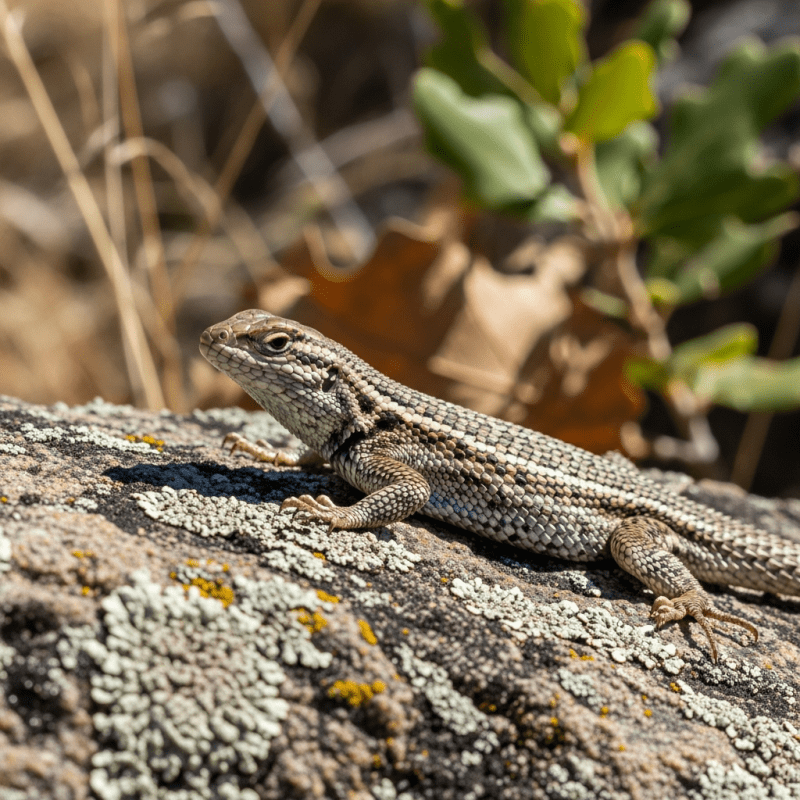
Soft cotton tee, unisex sizes
Buy ShirtWhile not prominent in folklore or art, the Western Fence Lizard holds scientific and ecological significance. It is valued in herpetological research, particularly for its unique role in interrupting the lifecycle of Lyme disease vectors. Occasionally kept as a pet, it remains more appreciated for its natural contributions than cultural symbolism.
The Western Fence Lizard inhabits a variety of environments across its native range in the western United States. It is commonly found basking on rocks, wooden fences, and logs, favoring open, sunny areas where it can regulate its body temperature. Its distribution spans California, Oregon, Nevada, Utah, Idaho, and Washington, with several subspecies adapted to local conditions.
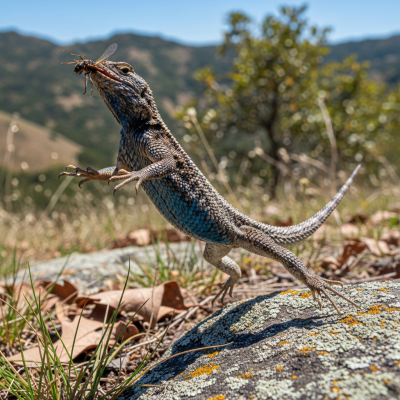
This species is insectivorous, feeding on a diverse array of arthropods. Its diet includes insects and other small invertebrates, which it actively hunts during daylight hours. This feeding behavior helps maintain ecological balance by controlling insect populations in its habitat.
The Western Fence Lizard reproduces through egg-laying (oviparous), though detailed clutch size and breeding season information vary regionally. Individuals typically live between 5 and 7 years in the wild, progressing from juvenile to adult stages marked by the development of distinctive male coloration.
Currently, the Western Fence Lizard faces no major threats and is not considered at risk. Its populations remain stable across its broad native range. The species benefits from its adaptability and resistance to colder temperatures relative to other lizards in the region.
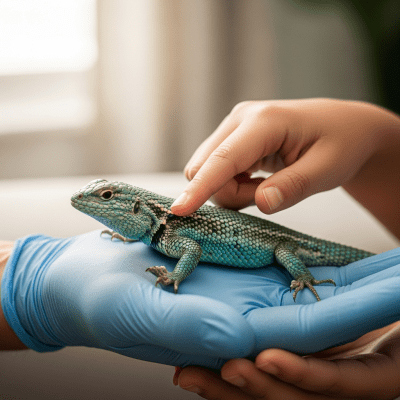
Though not commonly kept as pets, Western Fence Lizards can adapt to captivity with proper care. They require environments that mimic their natural habitat, including access to basking spots, appropriate temperature gradients, and a diet rich in live insects. Captive breeding is not widespread, and health issues are generally minimal when husbandry needs are met.