Origin Story

First described by Edward Drinker Cope in 1863, the Desert Horned Lizard is native to the arid regions of western North America. It evolved within the genus Phrynosoma, a group commonly called horned lizards, adapting over time to thrive in harsh desert environments.

Classification

The Desert Horned Lizard belongs to the family Phrynosomatidae within the genus Phrynosoma. This family groups a variety of spiny, often flattened lizards native to North and Central America, recognized for their specialized adaptations to dry habitats.

Appearance or Form

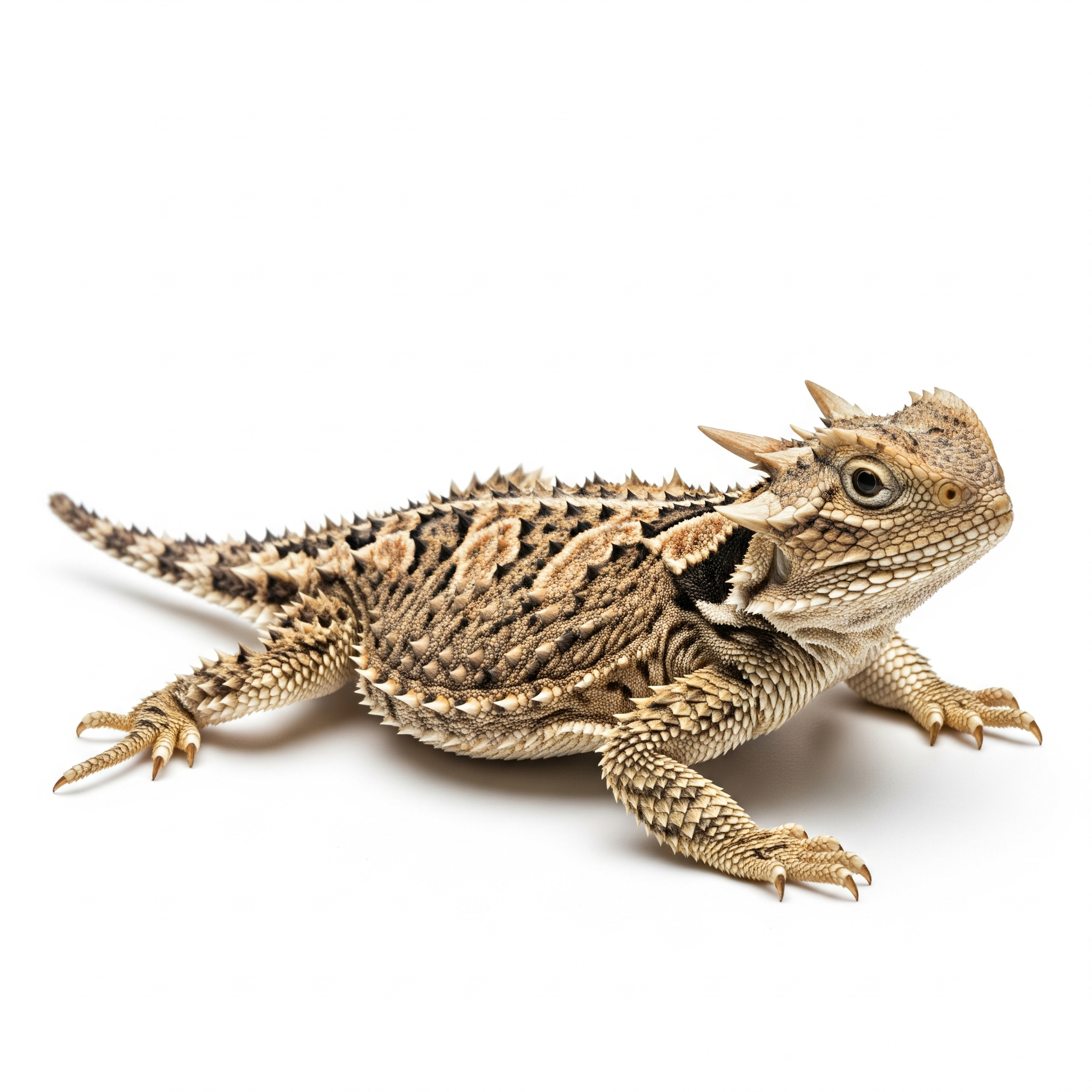
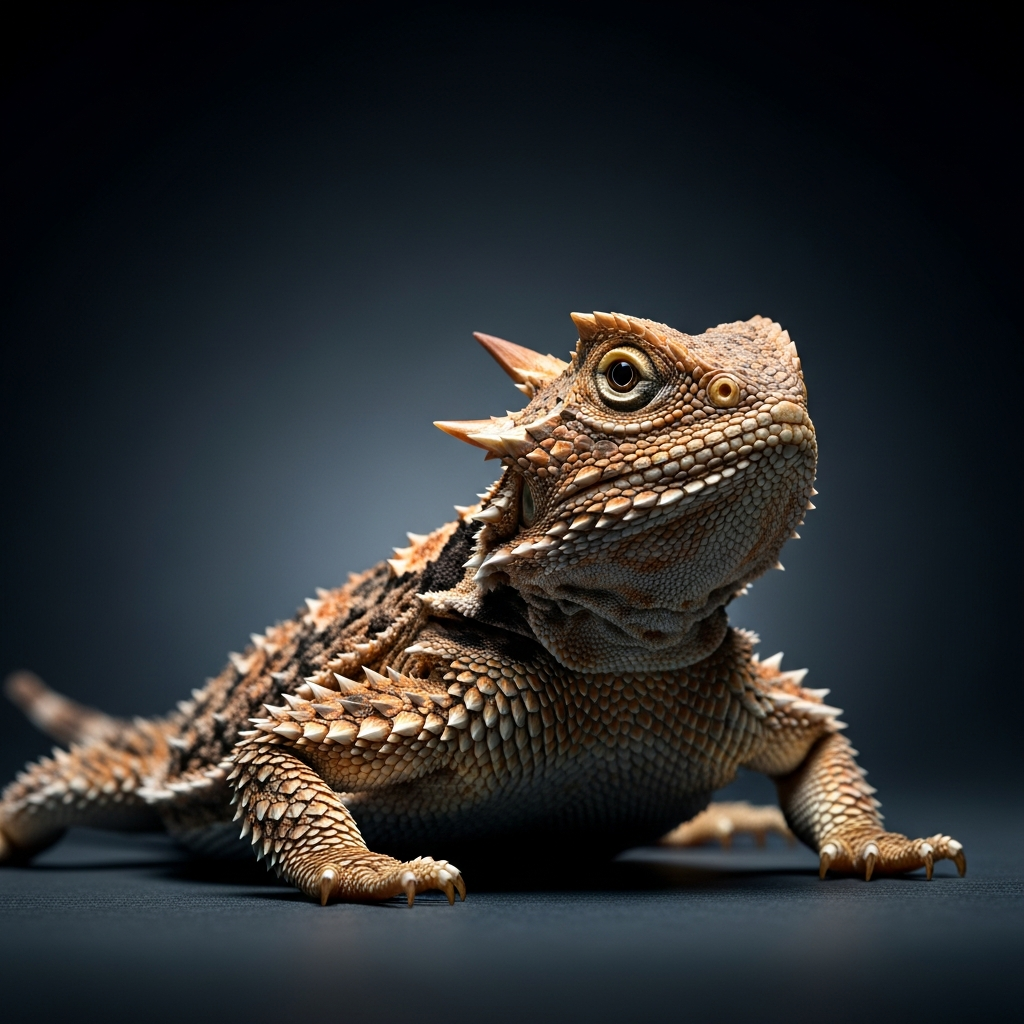
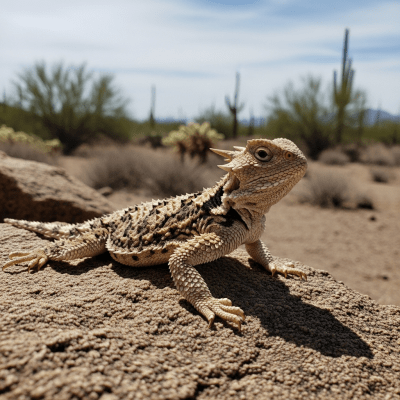
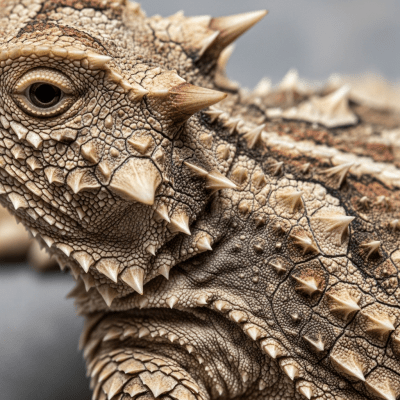
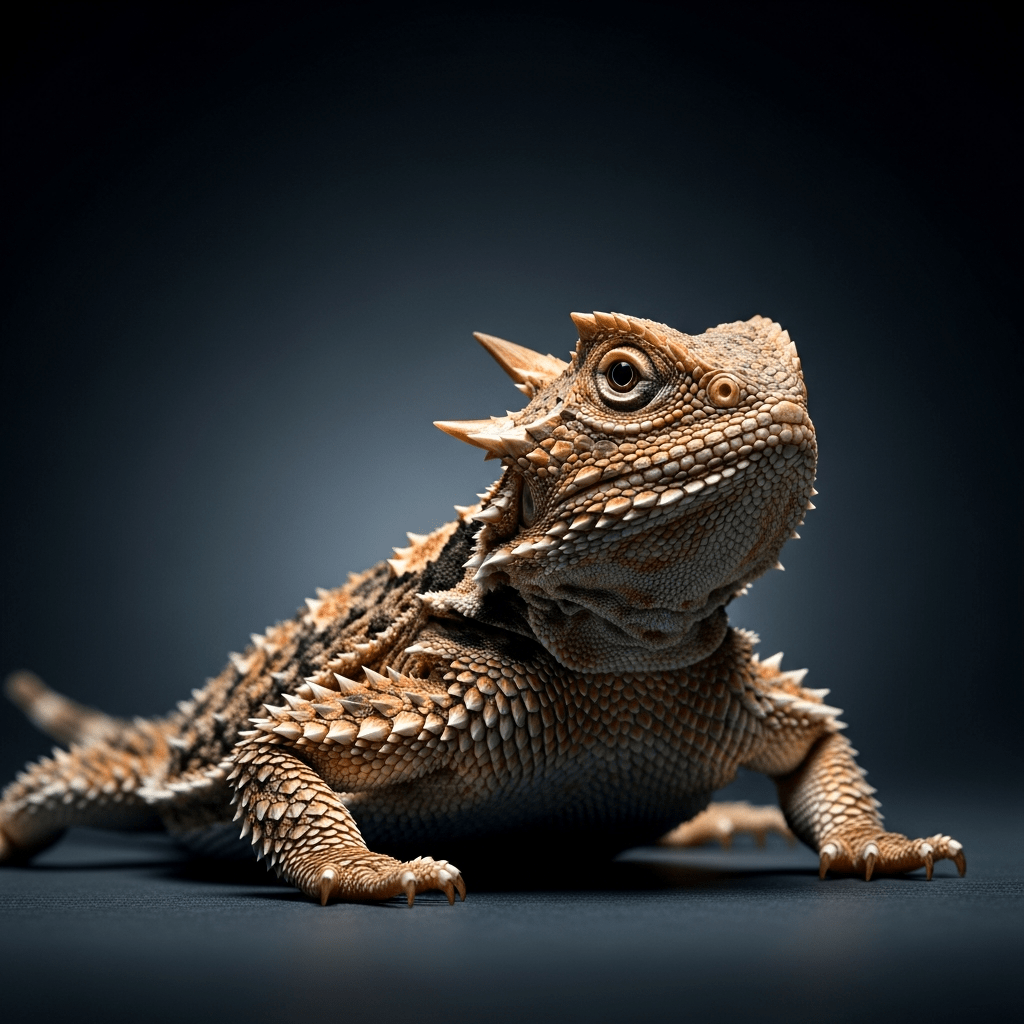
This lizard features a flattened, oval-shaped body with short limbs and a distinctive crown of sharp, backward-pointing horns on its head, complemented by smaller spines along its back. Its coloration ranges from sandy brown to gray, providing effective camouflage against the desert terrain.

Behavior or Usage

The Desert Horned Lizard exhibits unique defensive behaviors, most notably its ability to squirt blood from the corners of its eyes to confuse and deter predators. It is primarily insectivorous, actively foraging for ants and other small invertebrates, and is well adapted to the extreme heat and dryness of its desert habitat.

Merchandise & Prints

Bring this kind into your world � illustrated posters, mugs, and shirts.

Desert Horned Lizard Desert Horned Lizard Poster

Desert Horned Lizard Poster

Archival print, museum-grade paper

Desert Horned Lizard Desert Horned Lizard Mug

Desert Horned Lizard Mug

Stoneware mug, dishwasher safe

Desert Horned Lizard Desert Horned Lizard Shirt

Desert Horned Lizard Shirt

Soft cotton tee, unisex sizes

Attributes & Insights

Taxon-Specific Insights

🌍Cultural Significance

In Indigenous North American cultures, the Desert Horned Lizard holds symbolic value and appears in local folklore. While it is not widely featured in mainstream art or media, it remains an emblematic species for desert ecosystems and is valued in educational and ecological research contexts.

📌Notable Facts

  • It can shoot blood from its eyes as a unique defense mechanism.
  • Despite its common name "horned toad," it is not a toad but a true lizard.
  • Its flattened body and coloration provide excellent camouflage in desert environments.
  • Primarily feeds on ants and small invertebrates.
  • It tolerates extreme heat and aridity, thriving where few reptiles can.

🌍Habitat And Distribution

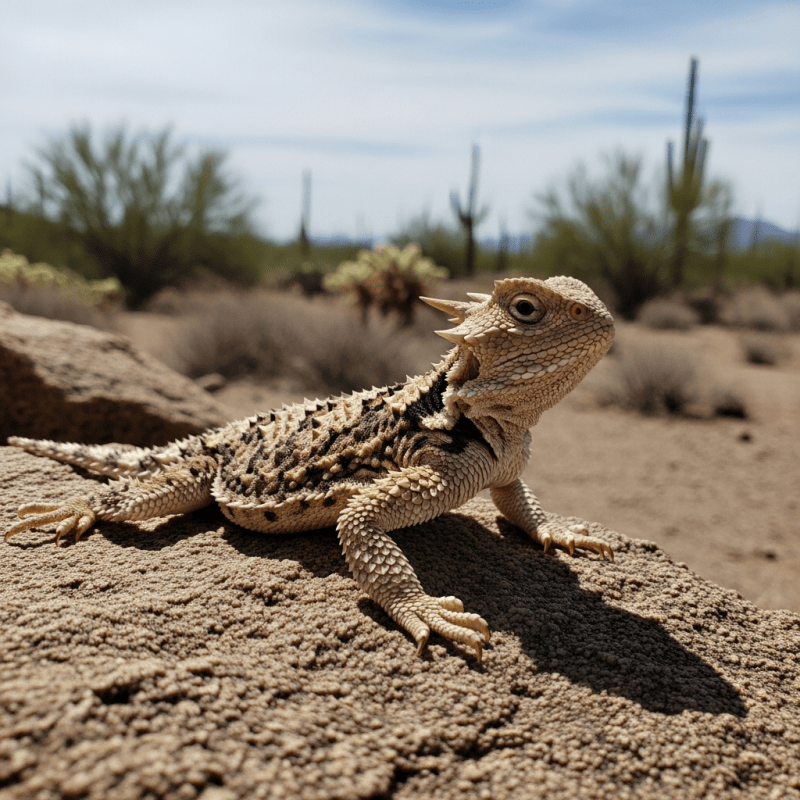
The Desert Horned Lizard inhabits arid desert regions across western North America. It favors sandy and rocky desert habitats where its coloration and flattened body aid in camouflage and thermoregulation under extreme environmental conditions.

Visual Variations

High quality studio photograph of a Desert Horned Lizard, part of the taxonomy lizards
Detailed image of a Desert Horned Lizard (lizards) in its natural habitat
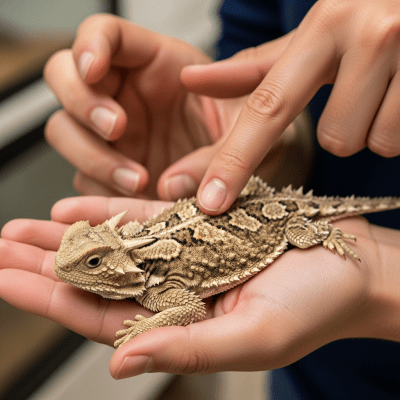
Image of a Desert Horned Lizard interacting with humans in a responsible pet-keeping context
Macro close-up image of the skin texture and scale pattern of a Desert Horned Lizard, part of the taxonomy lizards
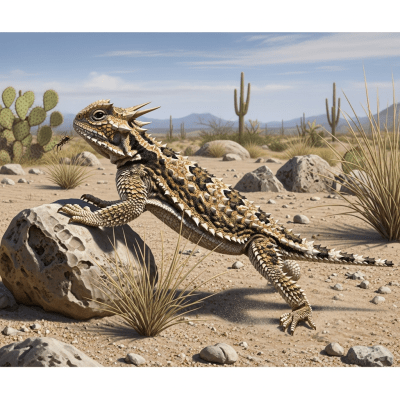
A dynamic action scene featuring a single Desert Horned Lizard (lizards) running, climbing, or catching prey in its typical environment

Composition & Context

Taxon-Specific Insights

🍽️Diet And Feeding

This species is insectivorous, feeding primarily on ants and other small invertebrates. It actively forages on the ground, using its keen senses to locate prey within the desert ecosystem.

🦎Reproduction And Lifecycle

The Desert Horned Lizard is oviparous, laying eggs in shallow nests dug into the soil. Its reproductive cycle is adapted to desert conditions, with eggs incubating in warm sand until hatching. Juveniles grow slowly to reach adult size and maturity.

🛡️Conservation Status

While not currently listed as endangered, the Desert Horned Lizard faces threats from habitat disturbance and predation by birds and mammals. Conservation efforts focus on habitat preservation and monitoring populations to ensure long-term survival.

🏡Pet Care And Husbandry

Keeping the Desert Horned Lizard as a pet requires specialized care, particularly in replicating its natural diet of ants and maintaining appropriate temperature and humidity levels. It is not commonly recommended for novice reptile keepers due to these specific needs.

Faq

Q: Why is it called a "horned toad" if it is a lizard?
A: The name comes from its broad, flattened body and horns, which resemble a toad, but it is scientifically classified as a lizard.

Q: How does the Desert Horned Lizard defend itself?
A: It can squirt blood from its eyes to startle predators and uses camouflage to blend into its desert surroundings.

Q: Is the Desert Horned Lizard a common pet?
A: It is occasionally kept as a pet but requires specialized care due to its specific dietary needs.