Origin Story

First described by Carl Linnaeus in 1758, the Mediterranean House Gecko originates from the Mediterranean regions. It has since spread globally, largely due to its close association with human habitation, establishing populations in urban, suburban, and rural areas worldwide.

Classification

This species belongs to the genus Hemidactylus within the family Gekkonidae, a group of geckos characterized by their adaptability to human environments and widespread distribution. It is also known by the synonym Gekko turcicus.

Appearance or Form

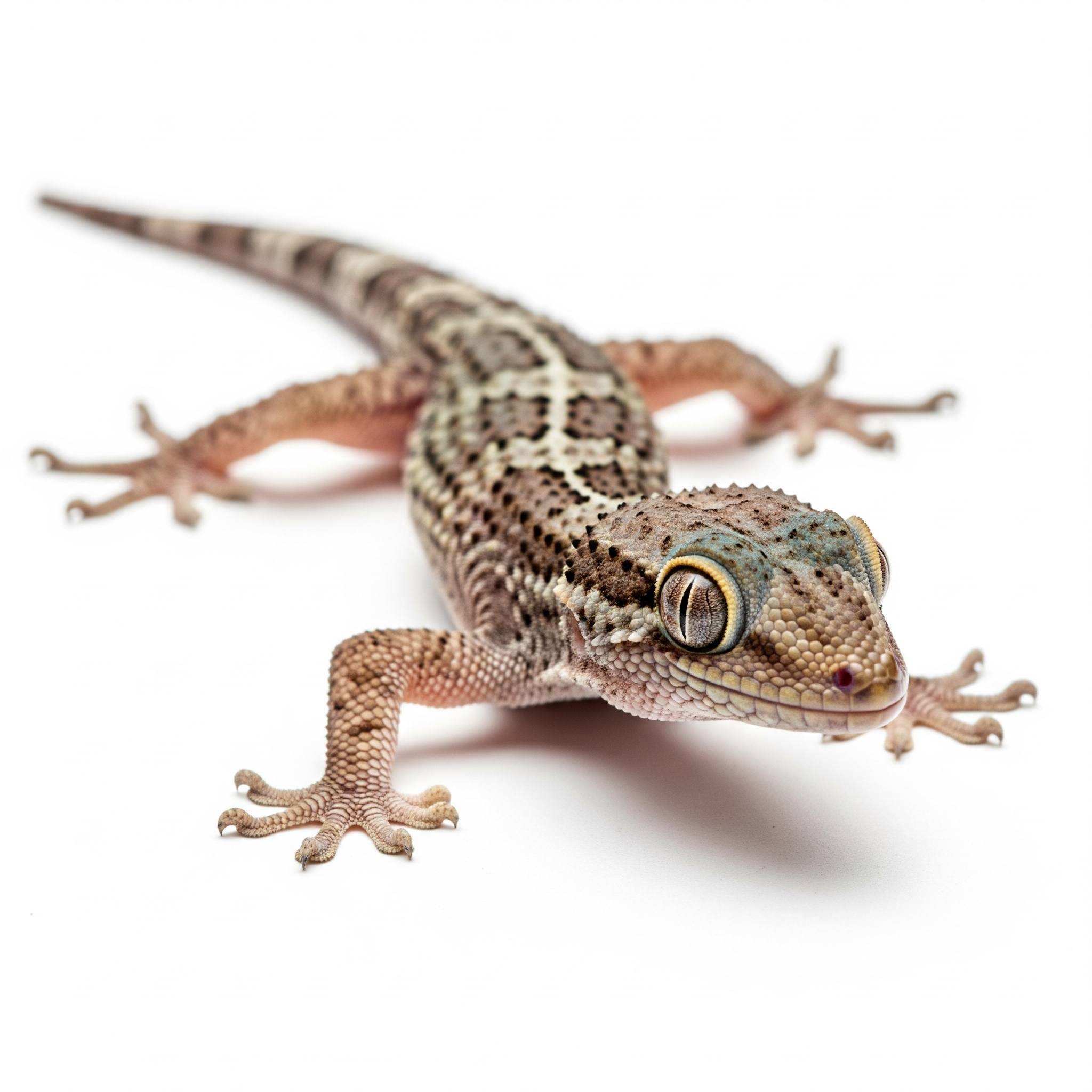
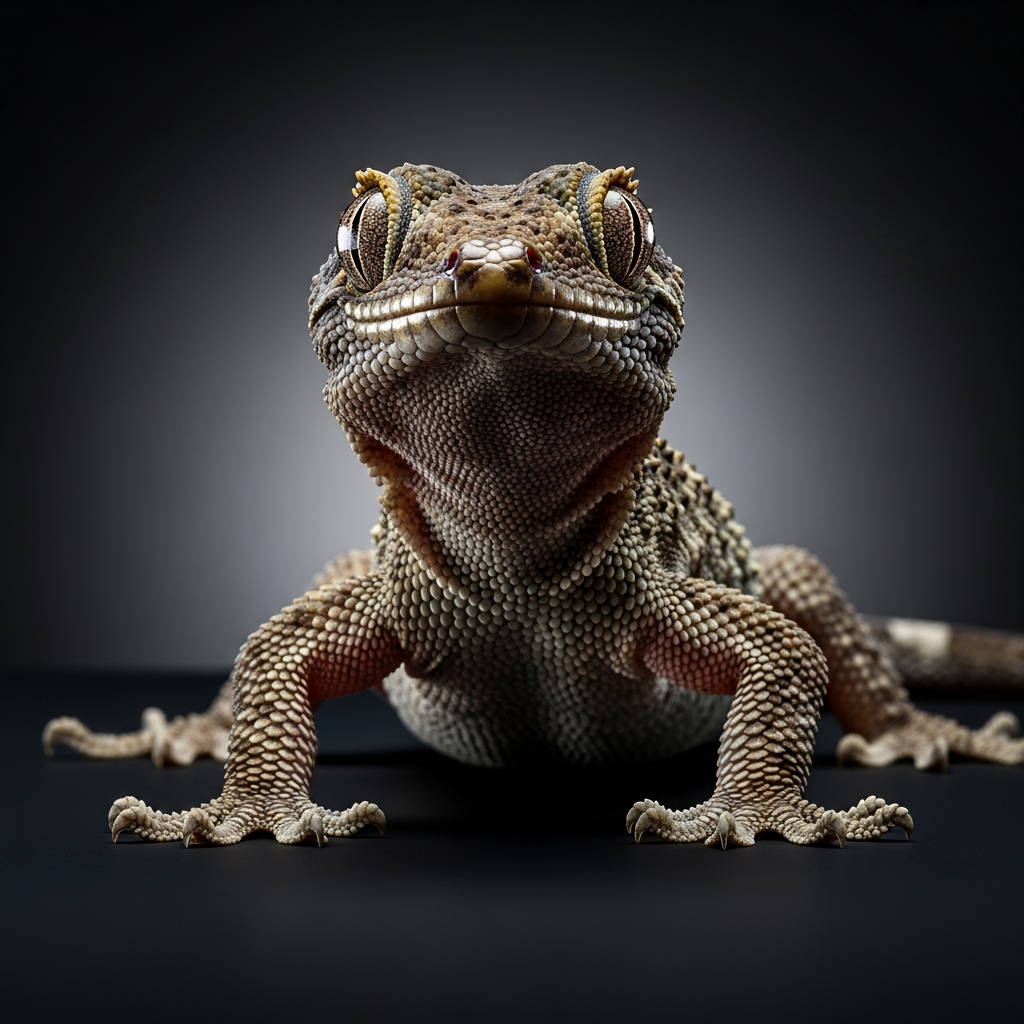
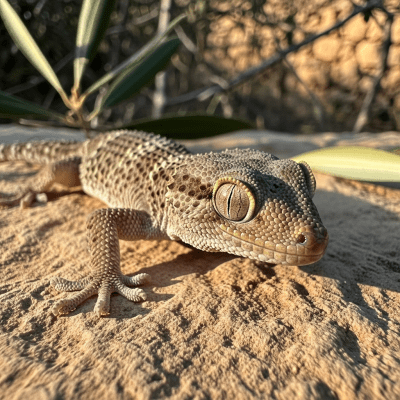
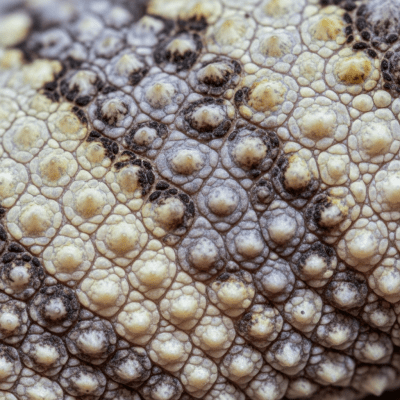
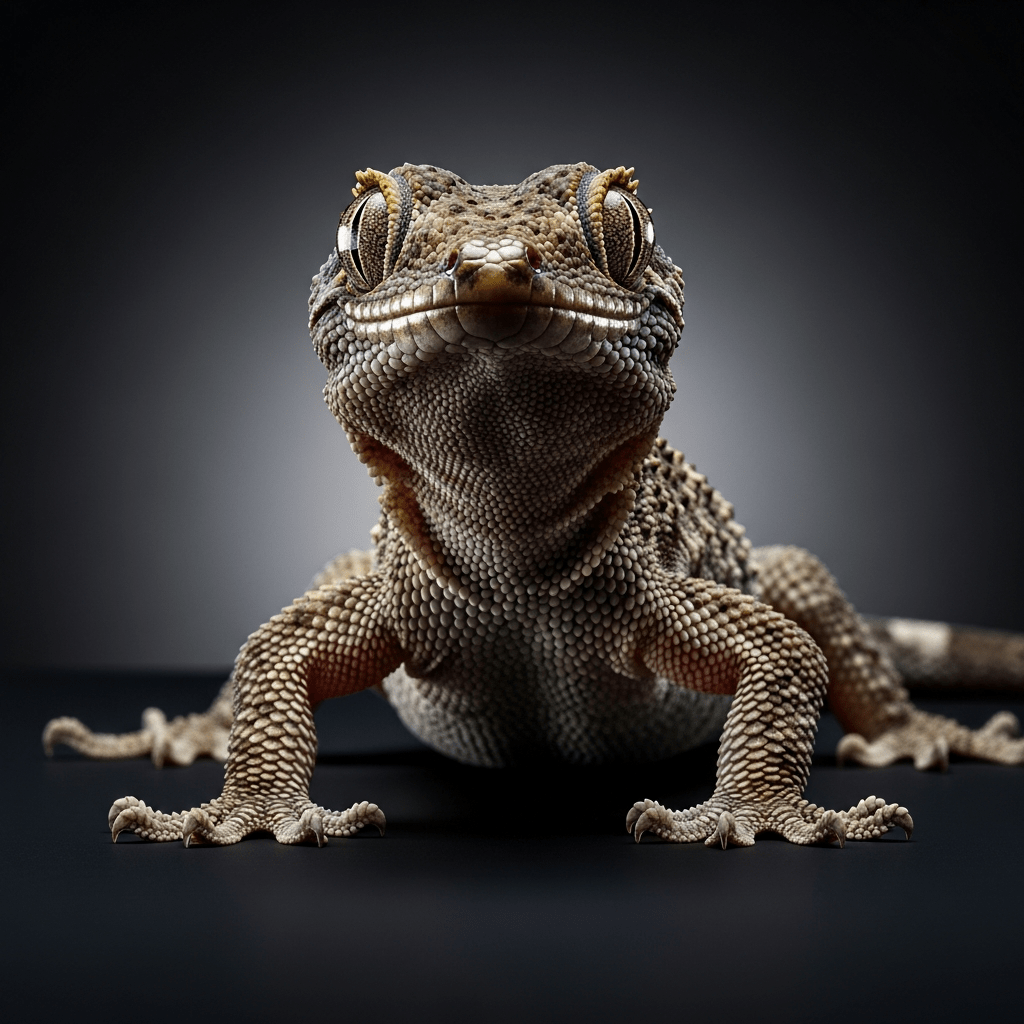
The Mediterranean House Gecko is small, reaching 8 to 10 centimeters in total length. Its soft, granular skin is translucent and typically pale pink, gray, or light brown with darker mottling. It features large, lidless eyes with vertical pupils and expanded toe pads equipped with adhesive lamellae, enabling it to climb smooth surfaces with ease.

Behavior or Usage

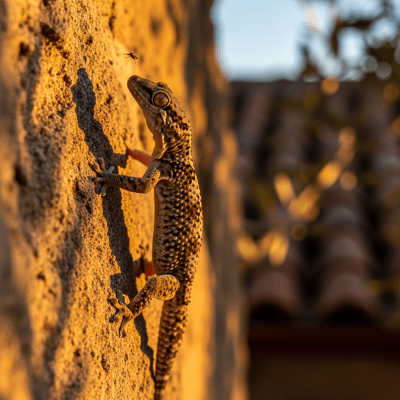
Primarily nocturnal, this gecko is insectivorous and highly adaptable, often found inside or around buildings. Its adhesive toe pads allow it to navigate vertical and smooth surfaces effortlessly. It plays a beneficial role in controlling insect populations in human dwellings.

Merchandise & Prints

Bring this kind into your world � illustrated posters, mugs, and shirts.

Mediterranean House Gecko Mediterranean House Gecko Poster

Mediterranean House Gecko Poster

Archival print, museum-grade paper

Mediterranean House Gecko Mediterranean House Gecko Mug

Mediterranean House Gecko Mug

Stoneware mug, dishwasher safe

Mediterranean House Gecko Mediterranean House Gecko Shirt

Mediterranean House Gecko Shirt

Soft cotton tee, unisex sizes

Attributes & Insights

Taxon-Specific Insights

🌍Cultural Significance

While not widely prominent in art or mythology, the Mediterranean House Gecko is appreciated in many cultures for its role in natural pest control. Occasionally kept as a pet or studied in laboratories, it holds minor significance in scientific and educational contexts.

📌Notable Facts

  • Despite its small size, it has a remarkable ability to cling to smooth surfaces thanks to specialized toe pads.
  • It has spread far beyond its native Mediterranean range, thriving globally in urban environments.
  • Its translucent skin and large eyes give it a distinctive, almost ethereal appearance at night.
  • It reaches maturity within about one year, supporting rapid population growth.
  • Though resistant to many urban environmental stressors, it remains vulnerable to predators like cats and larger reptiles.

🌍Habitat And Distribution

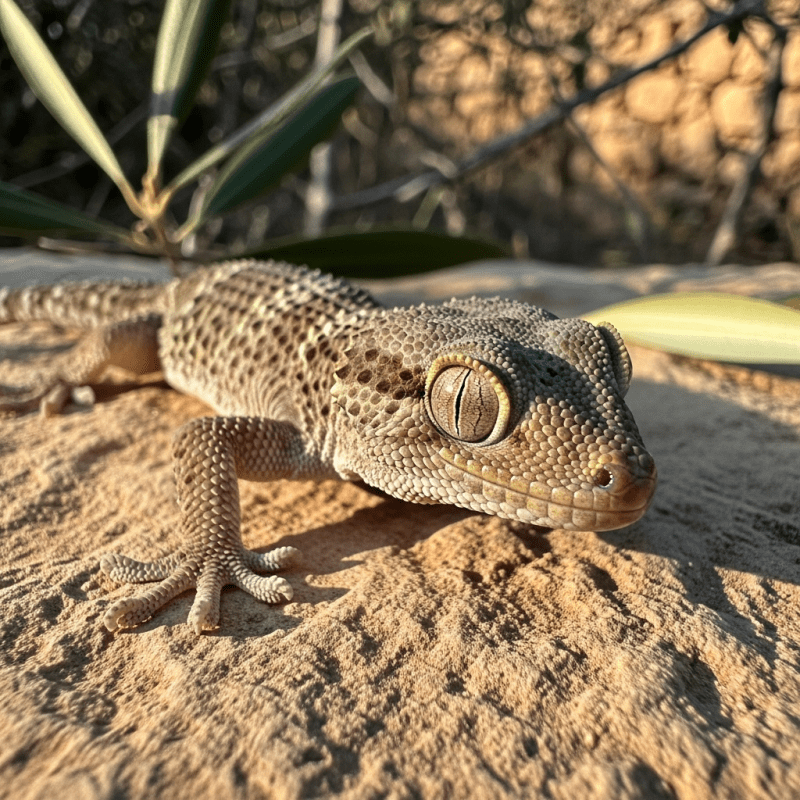
The Mediterranean House Gecko naturally inhabits Mediterranean regions but has been introduced worldwide, especially in urban and suburban areas. It favors environments close to human dwellings, including inside buildings, where it finds shelter and abundant insect prey.

Visual Variations

High quality studio photograph of a Mediterranean House Gecko, part of the taxonomy lizards
Detailed image of a Mediterranean House Gecko (lizards) in its natural habitat
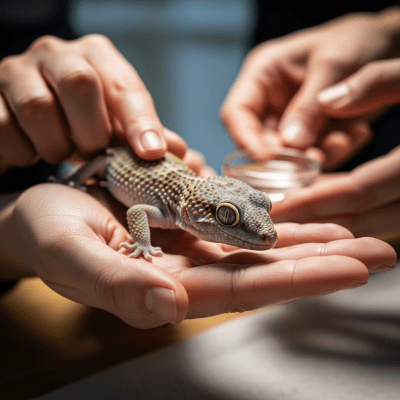
Image of a Mediterranean House Gecko interacting with humans in a responsible pet-keeping context
Macro close-up image of the skin texture and scale pattern of a Mediterranean House Gecko, part of the taxonomy lizards
A dynamic action scene featuring a single Mediterranean House Gecko (lizards) running, climbing, or catching prey in its typical environment

Composition & Context

Taxon-Specific Insights

🍽️Diet And Feeding

This gecko is insectivorous, feeding primarily on a variety of insects attracted to human habitats. Its nocturnal activity aligns with the availability of prey such as moths, flies, and other small arthropods, making it an effective natural pest controller.

🦎Reproduction And Lifecycle

The Mediterranean House Gecko is oviparous, laying eggs that hatch into juveniles. It grows at a moderate rate, reaching maturity within about one year. This relatively fast lifecycle supports its ability to establish and maintain populations in diverse environments.

🛡️Conservation Status

Currently, the Mediterranean House Gecko faces no significant conservation threats due to its wide distribution and adaptability. Its populations are stable, benefiting from its resilience to urban environmental stressors, though predation by domestic cats and larger reptiles can impact local numbers.

🏡Pet Care And Husbandry

Though not commonly kept as pets, Mediterranean House Geckos require environments that mimic their natural warm, urban habitats. They thrive with access to vertical climbing surfaces, moderate humidity, and a diet of live insects. Captive care should consider their nocturnal nature and need for hiding places to reduce stress.

Faq

Q: Is the Mediterranean House Gecko harmful to humans?
A: No, it is harmless and often beneficial by feeding on insects.

Q: Can this gecko climb glass surfaces?
A: Yes, its adhesive toe pads allow it to climb smooth surfaces including glass.

Q: Is it common to keep Mediterranean House Geckos as pets?
A: They are occasionally kept as pets but are not widely traded or bred in captivity.