Origin Story

First scientifically described by Daudin in 1802, the Jeweled Lacerta has a well-established lineage within the Lacertidae family. It naturally inhabits southwestern Europe, including Spain, Portugal, southern France, and parts of northwestern Italy, thriving in Mediterranean environments without any known domestication or captive breeding origins.

Classification

The Jeweled Lacerta belongs to the genus Timon within the family Lacertidae, a diverse group of true lizards. It is classified under the suborder Lacertilia (Sauria) of the order Squamata, which encompasses all lizards but excludes snakes and other reptiles.

Appearance or Form

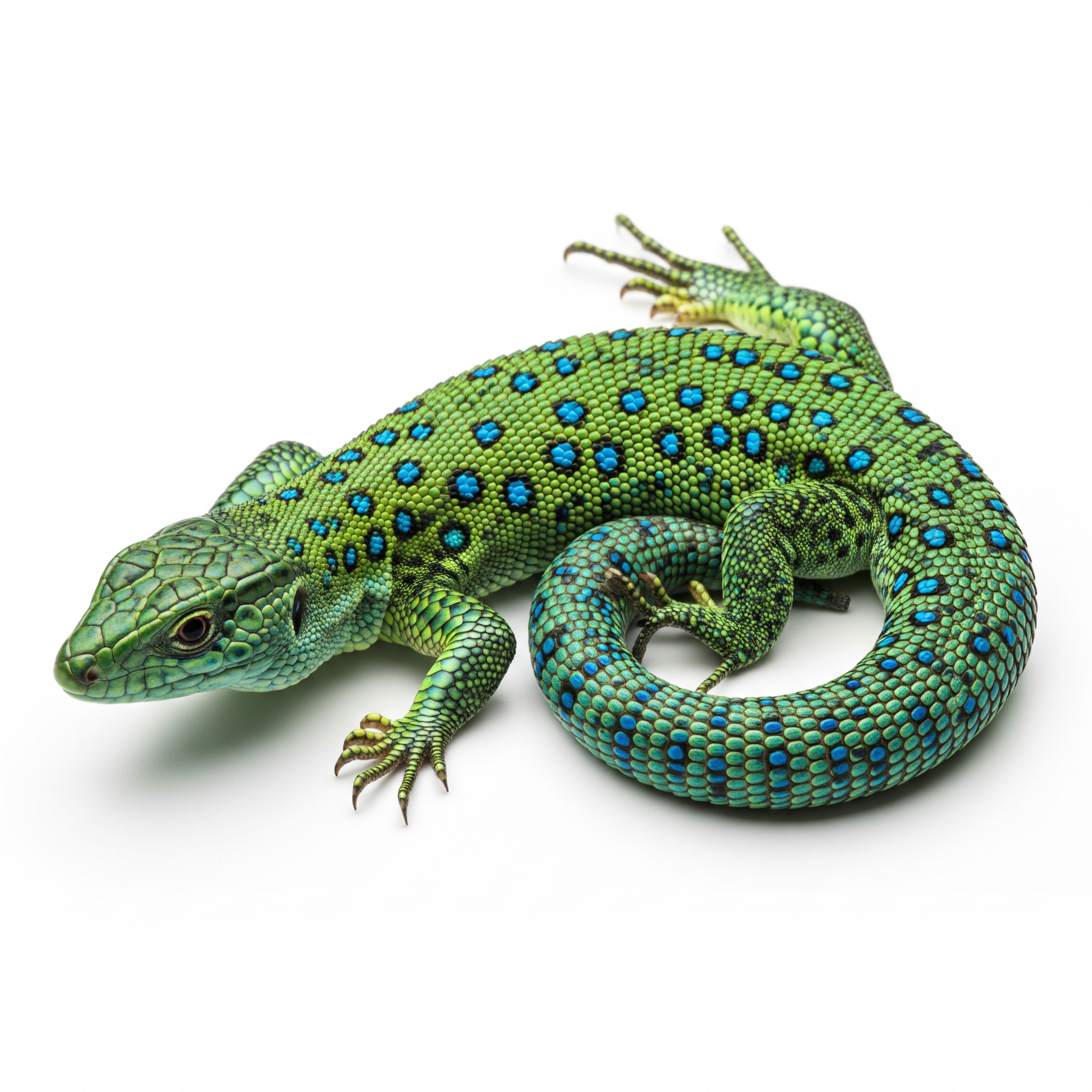
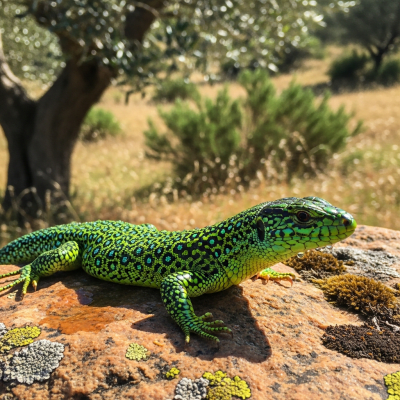
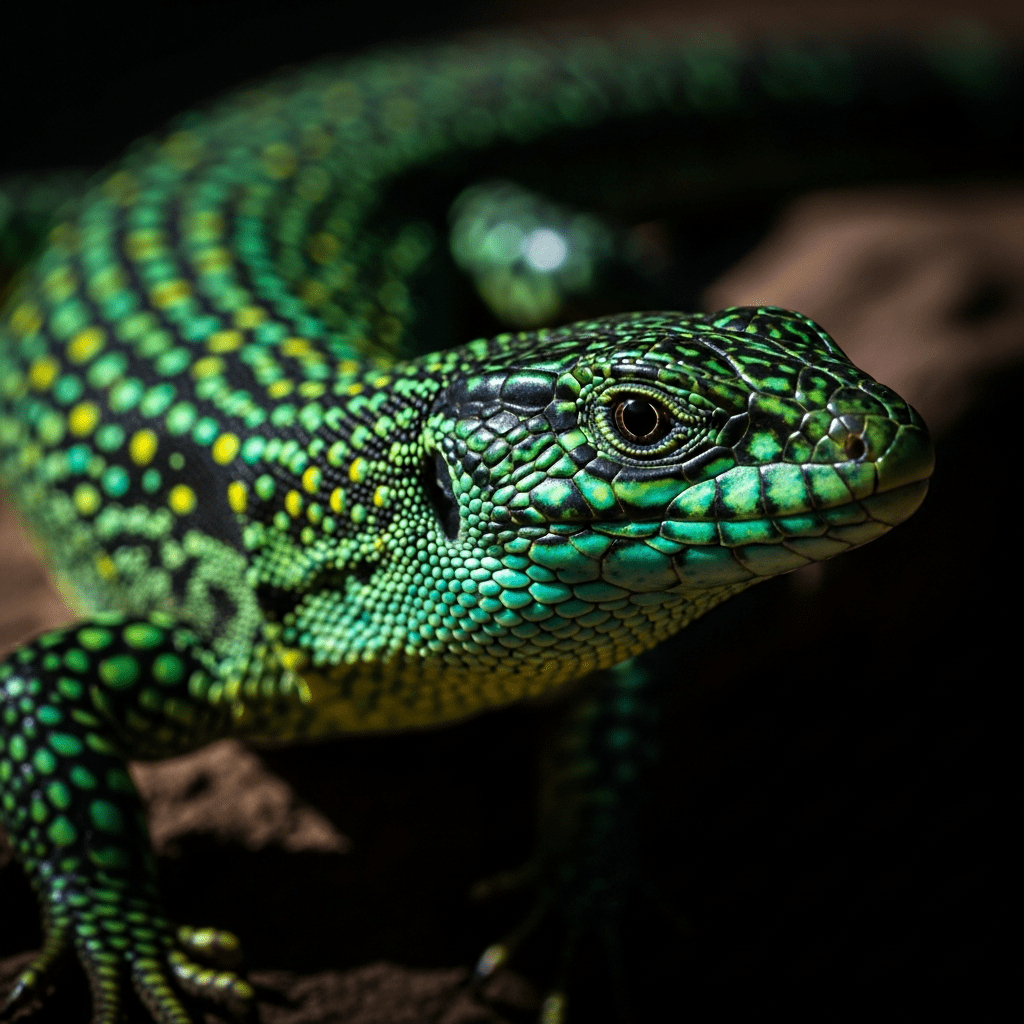
This robust lizard reaches lengths of 60 to 90 centimeters, with males generally larger than females and exhibiting more vivid coloration and larger heads. Its dorsal surface is a bright green, patterned with black spots and striking blue ocelli—"jewels"—lining its flanks. The long tail, often exceeding half the total body length, complements its sturdy build, making it visually distinctive among Mediterranean reptiles.

Behavior or Usage

Diurnal and terrestrial, the Jeweled Lacerta is an agile predator inhabiting open, sunny habitats such as scrublands, rocky hillsides, and Mediterranean woodlands. It actively hunts insects, small vertebrates, and occasionally consumes plant matter, playing an important ecological role in controlling invertebrate populations.

Merchandise & Prints

Bring this kind into your world � illustrated posters, mugs, and shirts.

Jeweled Lacerta Jeweled Lacerta Poster

Jeweled Lacerta Poster

Archival print, museum-grade paper

Jeweled Lacerta Jeweled Lacerta Mug

Jeweled Lacerta Mug

Stoneware mug, dishwasher safe

Jeweled Lacerta Jeweled Lacerta Shirt

Jeweled Lacerta Shirt

Soft cotton tee, unisex sizes

Attributes & Insights

Taxon-Specific Insights

🌍Cultural Significance

While not widely prominent in folklore or art, the Jeweled Lacerta holds value in herpetoculture due to its vivid coloration and impressive size. It is a sought-after species among reptile enthusiasts and collectors, symbolizing the rich biodiversity of Mediterranean ecosystems.

📌Notable Facts

  • The Jeweled Lacerta is one of the largest lacertid lizards, reaching up to 90 cm in length.
  • Its name derives from the striking blue ocelli that resemble jewels along its sides.
  • Males display more intense coloration and larger heads than females, a clear example of sexual dimorphism.
  • It inhabits a range of Mediterranean habitats, from scrublands to rocky hillsides.
  • Despite its size and beauty, it is primarily valued for its ecological role rather than culinary or commercial purposes.

🌍Habitat And Distribution

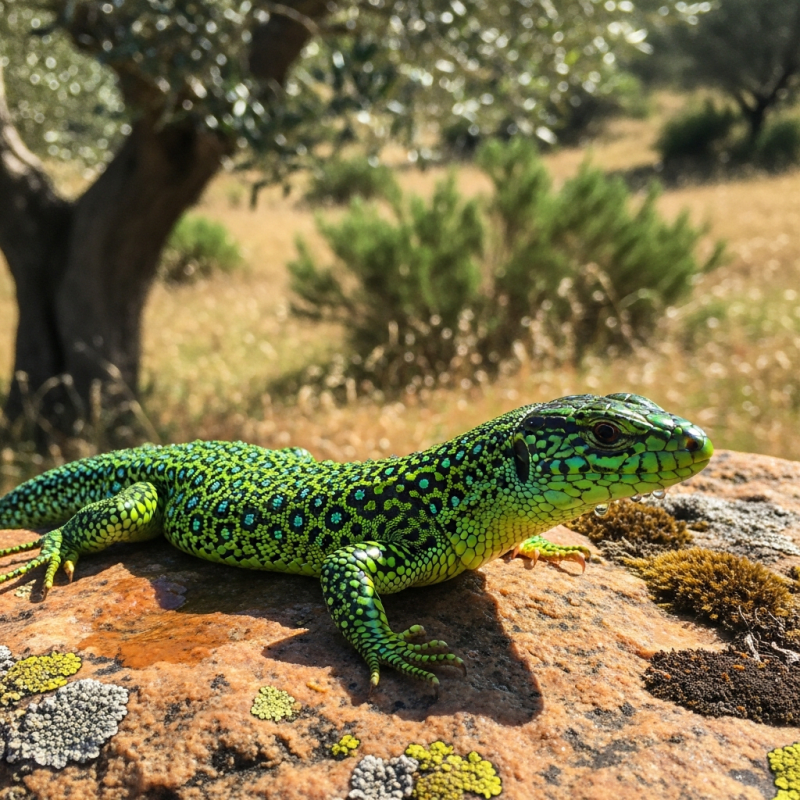
The Jeweled Lacerta thrives in open, sunny Mediterranean habitats such as scrublands, rocky hillsides, and woodlands. Its geographic range spans southwestern Europe, notably across Spain, Portugal, southern France, and parts of northwestern Italy, where it occupies warm, dry environments with ample basking sites and shelter.

Visual Variations

High quality studio photograph of a Jeweled Lacerta, part of the taxonomy lizards
Detailed image of a Jeweled Lacerta (lizards) in its natural habitat
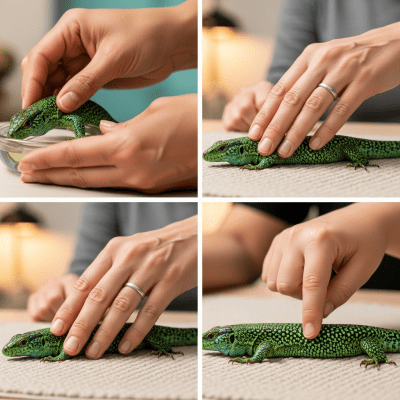
Image of a Jeweled Lacerta interacting with humans in a responsible pet-keeping context
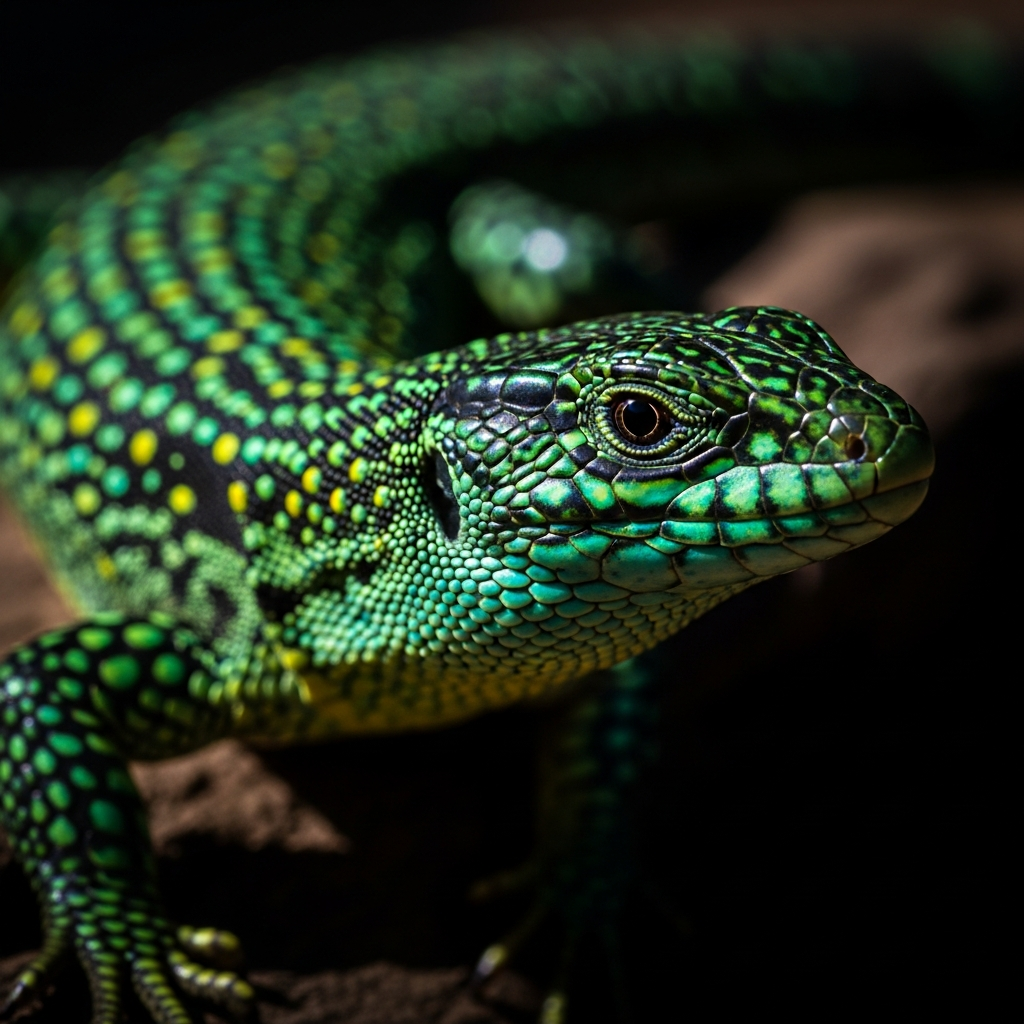
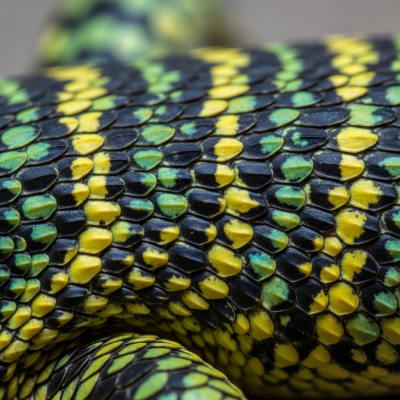
Macro close-up image of the skin texture and scale pattern of a Jeweled Lacerta, part of the taxonomy lizards
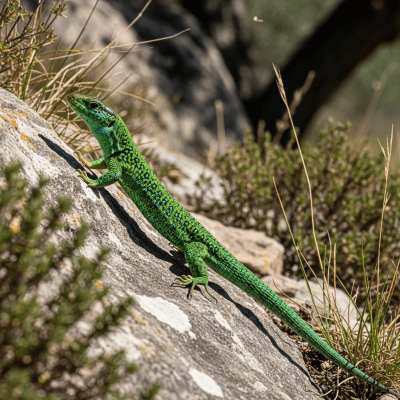
A dynamic action scene featuring a single Jeweled Lacerta (lizards) running, climbing, or catching prey in its typical environment

Composition & Context

Taxon-Specific Insights

🍽️Diet And Feeding

This species is an opportunistic predator feeding mainly on insects and small vertebrates, supplemented by occasional plant material. Its diurnal activity pattern supports active foraging during daylight hours, utilizing agility and keen eyesight to capture prey within its terrestrial habitat.

🦎Reproduction And Lifecycle

While specific reproductive details for the Jeweled Lacerta are limited, it follows typical lacertid patterns, likely being oviparous with seasonal breeding. Males’ pronounced sexual dimorphism suggests territorial and mating behaviors, with hatchlings developing through egg incubation before emerging to begin independent life stages.

🛡️Conservation Status

The Jeweled Lacerta faces pressures from habitat loss and fragmentation but remains relatively stable across much of its range. Trade is regulated to prevent overcollection, reflecting ongoing conservation efforts to protect this ecologically important species within Mediterranean ecosystems.

🏡Pet Care And Husbandry

In captivity, the Jeweled Lacerta requires spacious enclosures mimicking its natural sunny, rocky habitat with ample basking spots and hiding places. A diet rich in live insects and occasional plant matter supports its nutritional needs. Due to its size and activity level, proper temperature gradients and UV lighting are essential for health and longevity, with captive lifespans reaching up to 15–20 years under optimal care.

Faq

Q: Where is the Jeweled Lacerta naturally found?
The species is native to southwestern Europe, including Spain, Portugal, southern France, and parts of northwestern Italy.

Q: What does the Jeweled Lacerta eat?
It primarily feeds on insects, small vertebrates, and occasionally some plant matter.

Q: Is the Jeweled Lacerta commonly kept as a pet?
Yes, it is popular among reptile enthusiasts for its vivid colors, though trade is regulated due to conservation concerns.