Moro Blood Orange
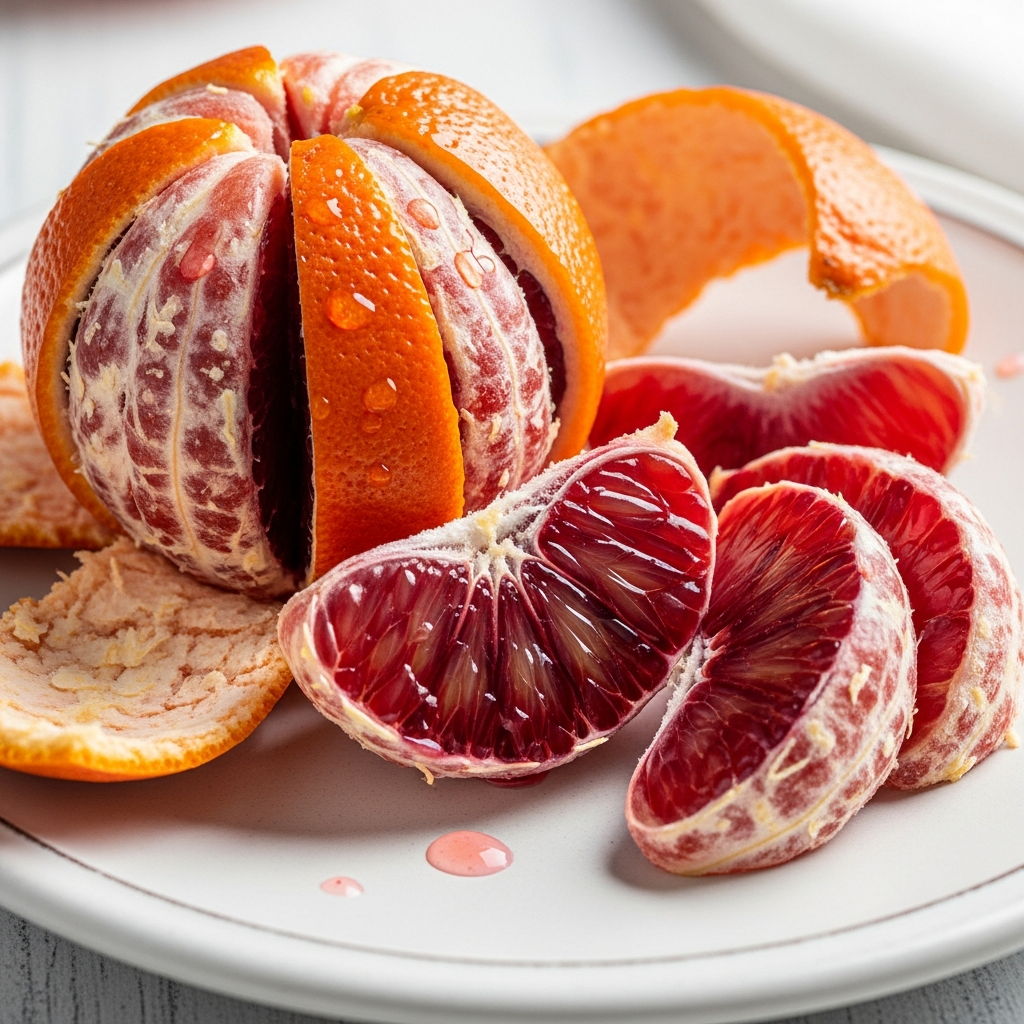
The Moro Blood Orange is a striking variety of sweet orange known for its deep red to purple flesh and rind, offering a uniquely vibrant color and a distinctive berry-like flavor that sets it apart from other oranges.
The Moro Blood Orange is a striking variety of sweet orange known for its deep red to purple flesh and rind, offering a uniquely vibrant color and a distinctive berry-like flavor that sets it apart from other oranges.
Originating in Sicily, Italy, in the early 19th century, the Moro Blood Orange arose as a natural mutation of the common sweet orange (Citrus sinensis). This spontaneous bud mutation introduced the blood orange trait—rich anthocyanin pigmentation—without formal breeding, making Moro the earliest ripening among major blood orange cultivars.
The Moro Blood Orange belongs to the sweet orange species Citrus sinensis and is classified within the blood orange group of cultivars. It shares lineage with other blood oranges like Tarocco and Sanguinello but is distinguished by its intense pigmentation and early ripening.
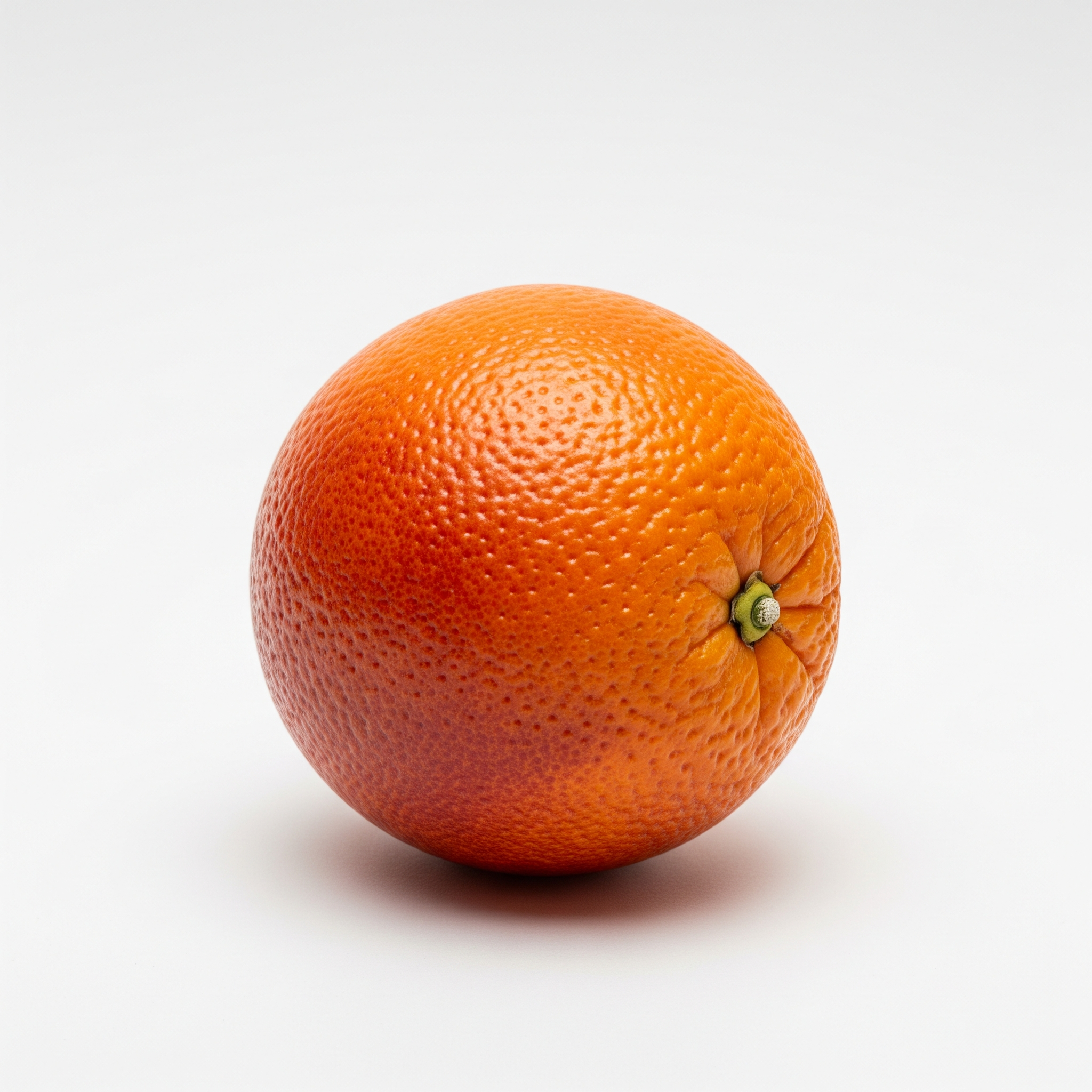
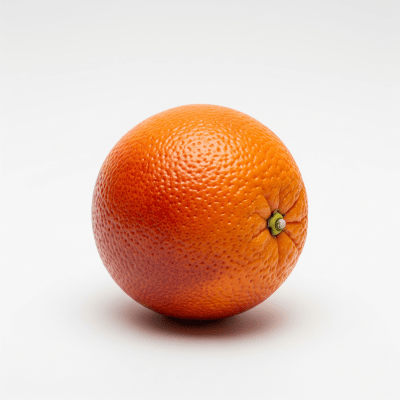
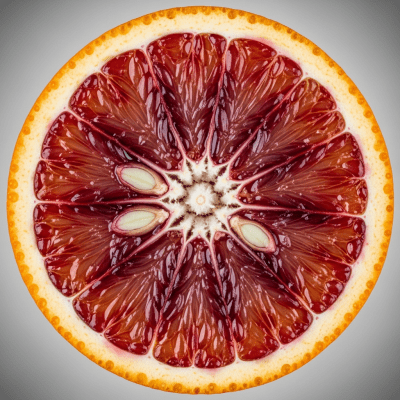
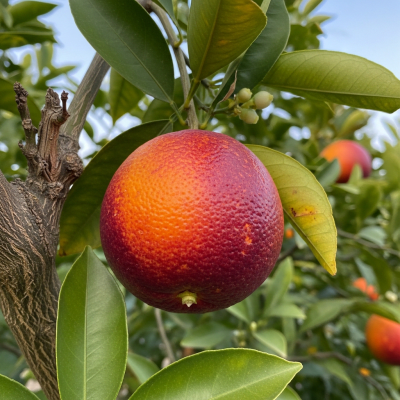
The fruit is medium-sized and round, measuring approximately 4.8 to 5.5 centimeters in diameter. Its rind is thin, smooth, and develops a characteristic reddish blush as it matures. Inside, the flesh ranges from deep red to purple with occasional orange streaks, a result of high anthocyanin content. The tree itself is medium-sized, vigorous, and upright, featuring dense foliage and moderate thorns. The fruit typically contains zero to two seeds.
Moro Blood Oranges are prized for both fresh consumption and specialty culinary uses. Their juicy, aromatic flesh delivers a tangy, berry-like flavor with notes of raspberry and cherry. They are enjoyed fresh, juiced, or incorporated into salads, desserts, cocktails, and marmalades. Additionally, Moro oranges feature prominently in gourmet products such as blood orange liqueurs, gelato, and sauces, making them a premium choice in European and North American markets.
Bring this kind into your world illustrated posters, mugs, and shirts.
Archival print, museum-grade paper
Buy Poster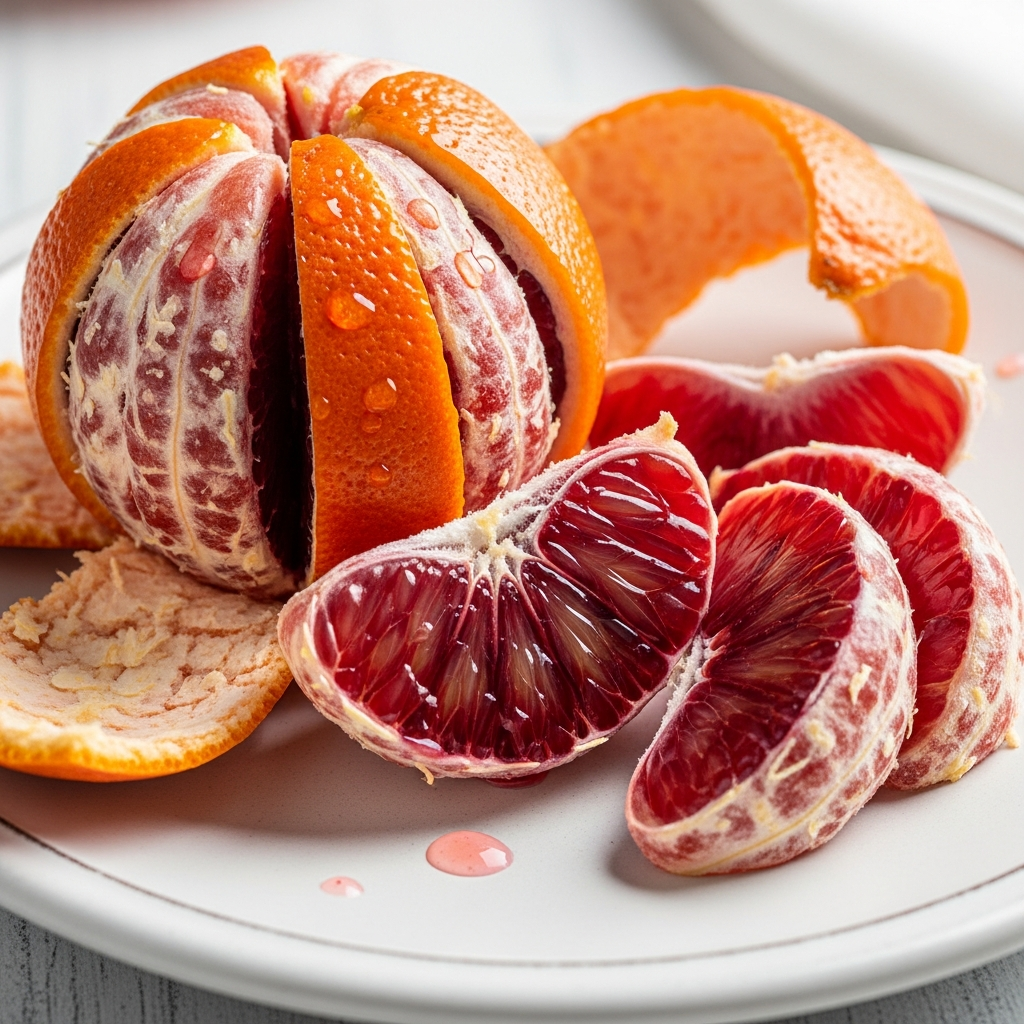
Stoneware mug, dishwasher safe
Buy Mug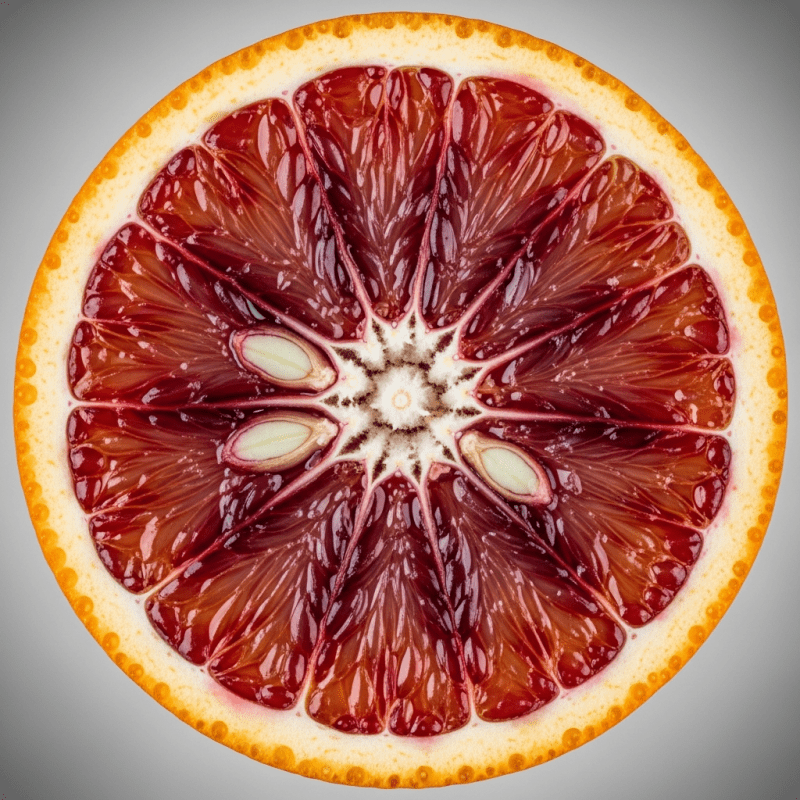
Soft cotton tee, unisex sizes
Buy ShirtCelebrated for their vivid color and unique taste, Moro Blood Oranges hold a special place in Sicilian culture and cuisine. Often referenced as "Moro di Lentini" or "Moro di Sicilia," they symbolize the rich agricultural heritage of the region and have become emblematic of blood oranges worldwide, inspiring culinary creativity and premium food products.
To cultivate Moro Blood Oranges successfully, plant them in regions with mild winters and warm days, ensuring exposure to cool night temperatures which enhance their distinctive red pigmentation. The trees prefer well-drained soil and moderate watering. Protect against common citrus diseases like canker and tristeza virus, as the variety is moderately susceptible. Harvest the fruit from December through February, and consume fresh soon after picking for optimal flavor and color.

Moro Blood Oranges offer notable health benefits, including high levels of anthocyanins—powerful antioxidants linked to reduced inflammation and improved heart health. They provide vitamin C and dietary fiber, supporting immune function and digestion. Their unique pigment compounds may also contribute to enhanced cellular protection compared to standard oranges.
Within the blood orange group, Moro stands out alongside other well-known varieties such as Tarocco and Sanguinello. Moro is distinguished by its early ripening and intense pigmentation, while Tarocco is prized for sweetness and juiciness, and Sanguinello is known for its balanced flavor and later season harvest.
Harvest Moro Blood Oranges when their rind shows a reddish blush and the fruit feels heavy and firm. Since they do not store as well as some other blood orange varieties, it is best to consume them fresh or shortly after harvest. Store in a cool, ventilated place or refrigerate to preserve freshness, but avoid prolonged storage to maintain their vibrant color and aromatic flavor.