Navel Orange
The Navel orange (Citrus sinensis 'Navel group') is a seedless, sweet orange cultivar prized worldwide for its distinctive navel-like formation at the blossom end and its ease of peeling, making it the foremost fresh-eating orange.
The Navel orange (Citrus sinensis 'Navel group') is a seedless, sweet orange cultivar prized worldwide for its distinctive navel-like formation at the blossom end and its ease of peeling, making it the foremost fresh-eating orange.
The Navel orange originated as a spontaneous mutation in a single tree in a monastery garden in Bahia, Brazil, around 1820–1830. It was introduced to the United States by the USDA in 1870, with the first two trees planted in Riverside, California, in 1873. This original clone, known as the 'Washington Navel,' is the source of all commercial Navel oranges, propagated vegetatively due to its seedless sterility.
Belonging to the species Citrus sinensis, the Navel orange is a cultivar group within sweet oranges. It is a somatic mutation or bud sport of the sweet orange, not a hybrid, and is classified botanically as a seedless, parthenocarpic variety. It sits within the Rutaceae family and the Citrus genus, distinct from mandarins and bitter oranges.
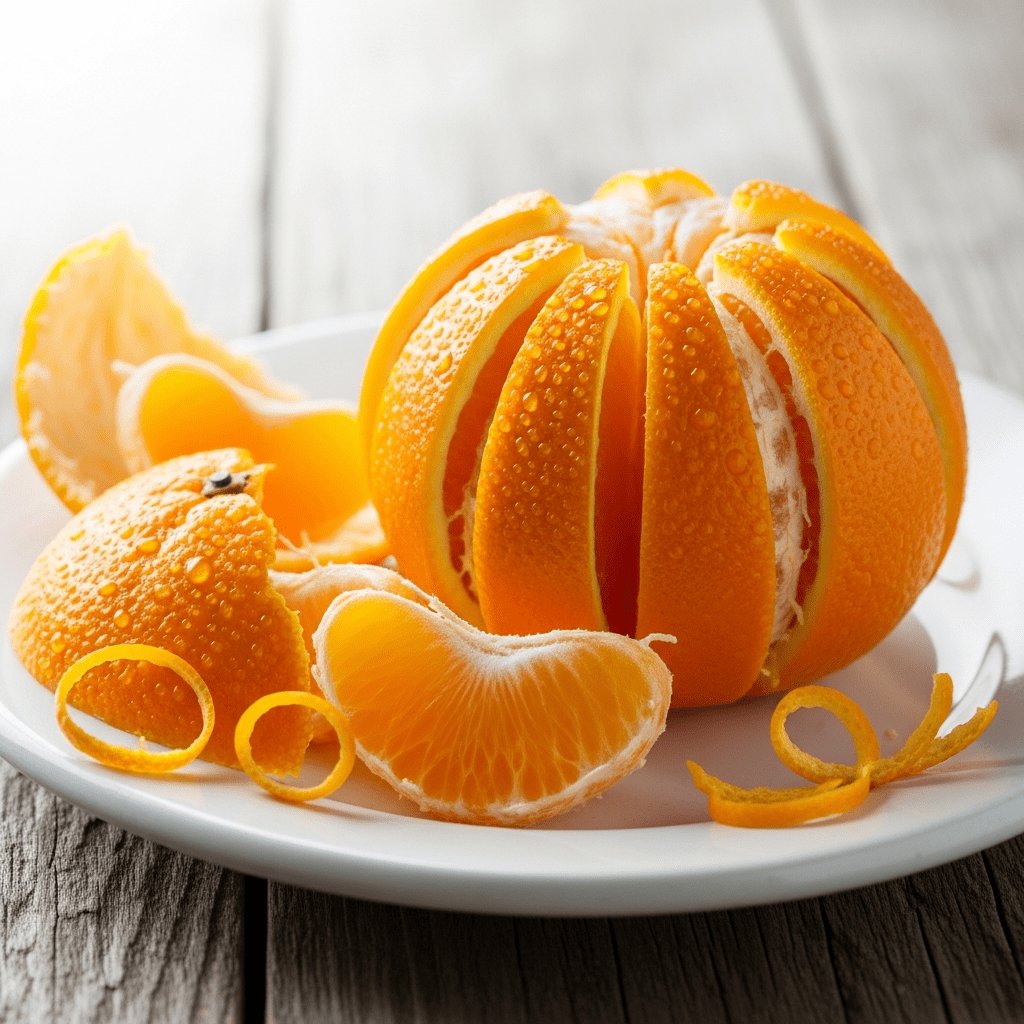
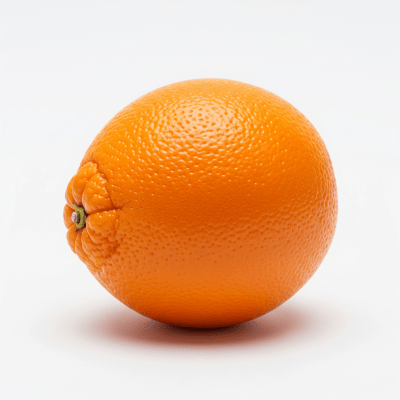
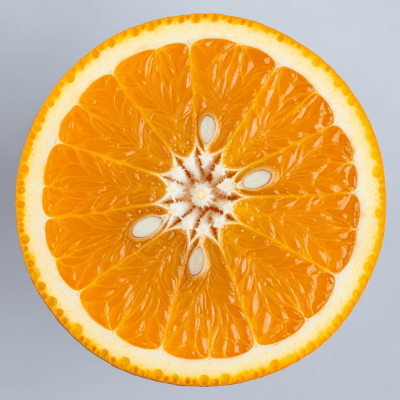
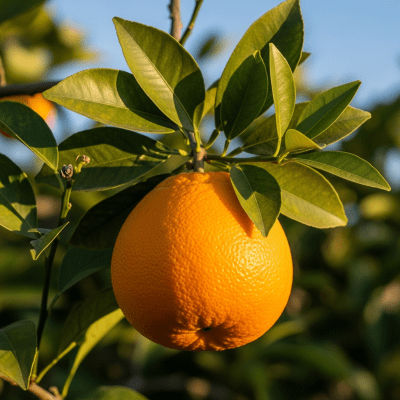
Navel oranges are medium to large, typically 7 to 10 centimeters in diameter, and round in shape. Their bright orange rind is slightly pebbled in texture, enclosing deep orange, juicy, and sweet flesh. The hallmark feature is the secondary, underdeveloped fruit embedded at the blossom end, resembling a "navel." The flesh is seedless, divided into 10 to 12 easily separated segments, with a balanced sugar-acid ratio and low acidity. Trees are medium-sized with vigorous, upright growth and dense, dark green foliage.
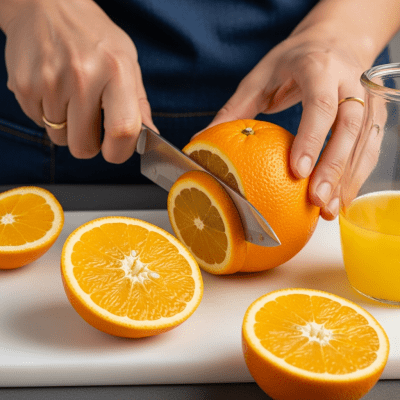
Navel oranges are primarily enjoyed fresh due to their seedlessness, easy-to-peel rind, and sweet, aromatic flavor. They are widely consumed as table fruit and used in salads and desserts. While excellent for fresh eating, they are not favored for commercial juice production because of bitterness caused by limonin that develops in stored juice. Their harvest season typically spans from late autumn to early spring in the Northern Hemisphere.
Bring this kind into your world illustrated posters, mugs, and shirts.
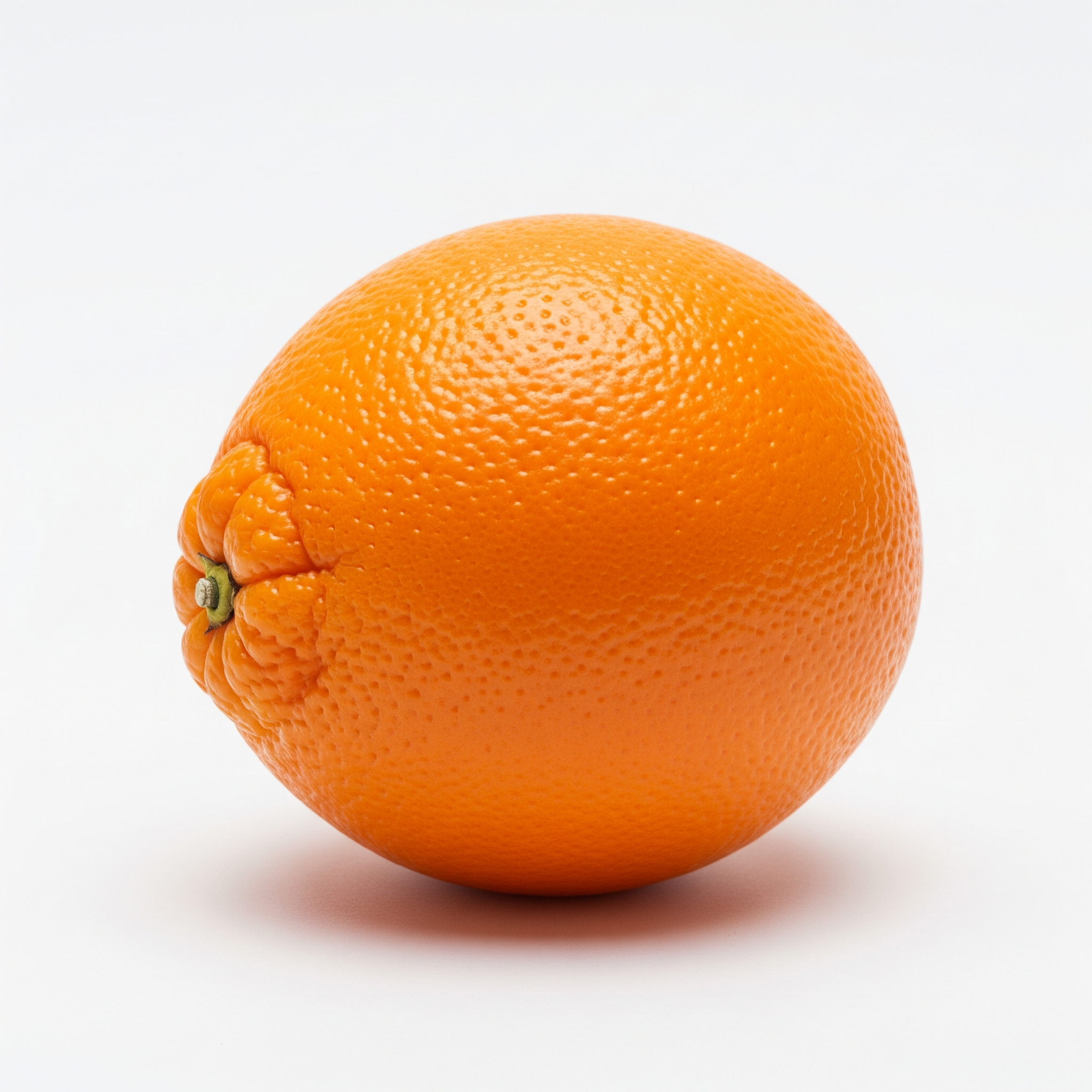
Archival print, museum-grade paper
Buy Poster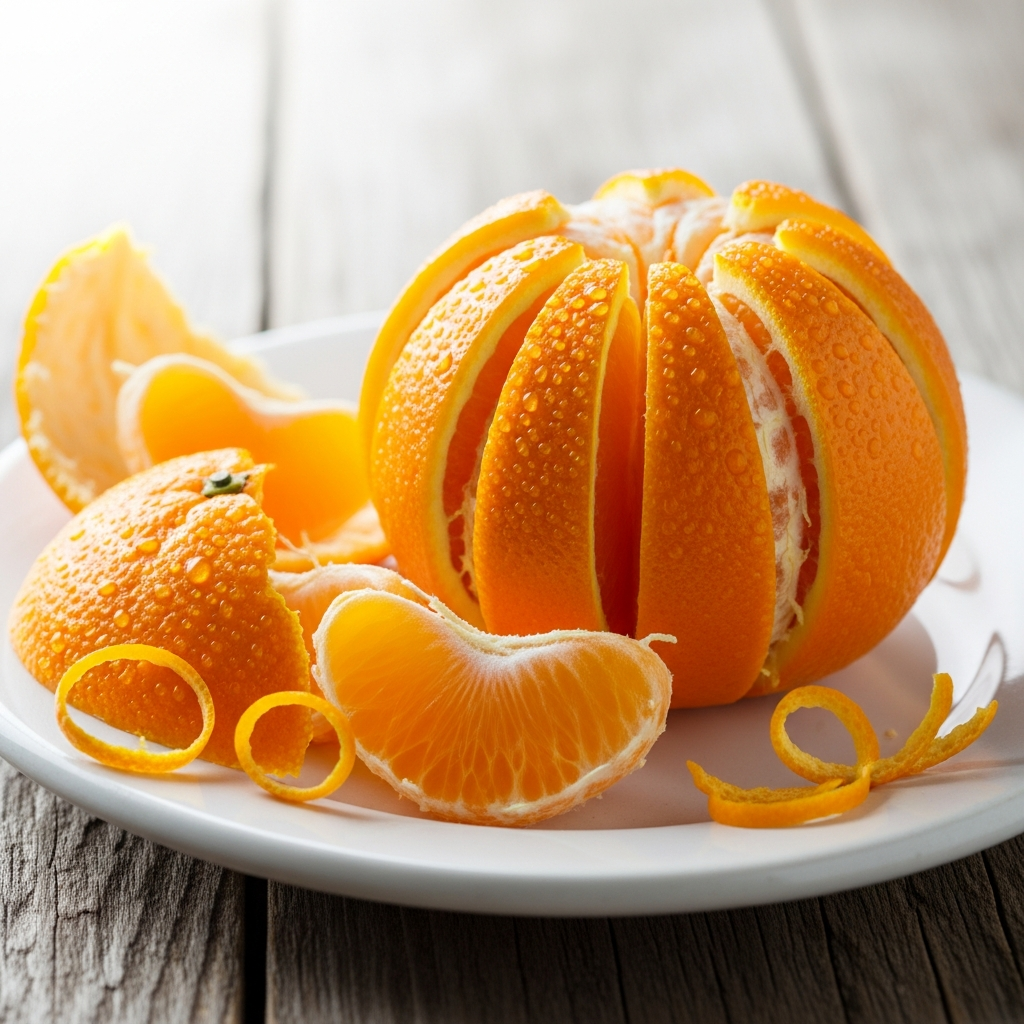
Stoneware mug, dishwasher safe
Buy Mug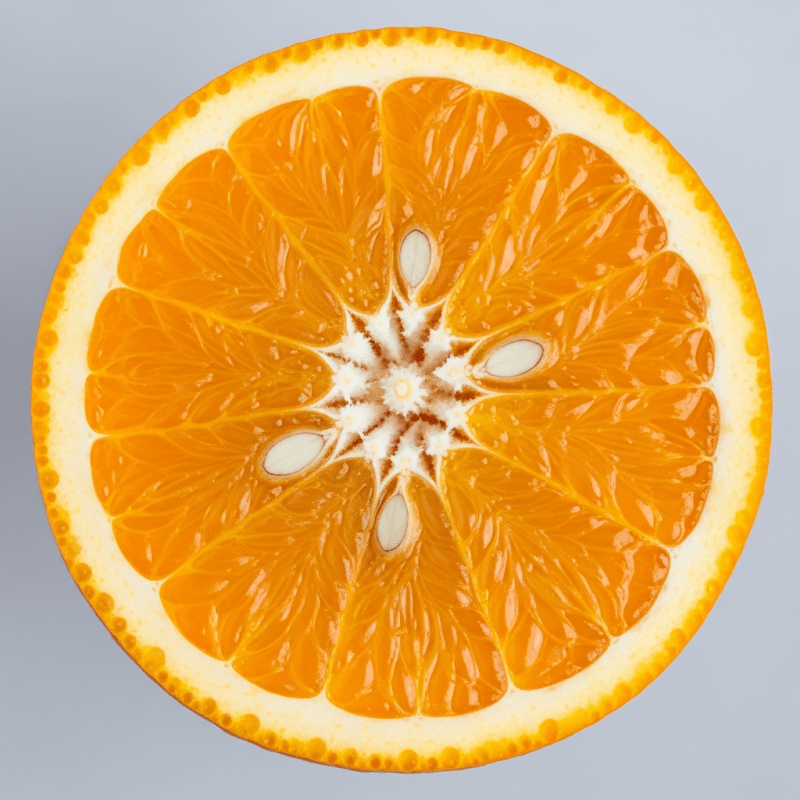
Soft cotton tee, unisex sizes
Buy ShirtThe Navel orange holds a prominent place in global fresh fruit markets, especially in North America, Europe, Australia, and South Africa. Its convenience and sweetness have made it a consumer favorite, symbolizing freshness and health in culinary culture. The 'Washington Navel' clone's introduction helped establish California as a leading citrus producer, influencing agricultural development and trade.
To grow Navel oranges successfully, plant them in subtropical or Mediterranean climates with well-drained soils and full sun exposure. Trees prefer moderate watering and benefit from protection against extreme heat to avoid granulation, a dry, pithy flesh condition. Since Navel oranges are seedless and self-incompatible, propagation is done through grafting or cuttings. Monitor for diseases like Alternaria brown spot and apply appropriate fungicides as needed. Harvest fruit from October to March for optimal quality.
Navel oranges are rich in vitamin C, antioxidants, and dietary fiber, supporting immune health and digestion. Their natural sweetness and low acidity make them gentle on the stomach while providing hydration through their juicy flesh. Regular consumption can contribute to heart health and skin vitality, thanks to their balanced nutrient profile.
Notable varieties within the Navel orange group include:
Harvest Navel oranges when they reach full color and size, typically from October through March in the Northern Hemisphere. Pick fruit carefully to avoid bruising, as the rind is relatively delicate. Store oranges in cool, well-ventilated conditions to maintain freshness; they ship well but should be consumed within a few weeks to prevent quality loss. Avoid prolonged exposure to high temperatures to reduce the risk of granulation and preserve juiciness.