Seville Orange
The Seville orange (Citrus aurantium) is a distinctive bitter orange prized for its sharp, aromatic flavor and essential role in traditional marmalade and culinary uses.
The Seville orange (Citrus aurantium) is a distinctive bitter orange prized for its sharp, aromatic flavor and essential role in traditional marmalade and culinary uses.
Originating in Southeast Asia, the Seville orange was introduced to the Mediterranean by Arab traders around the 10th century CE. It became closely associated with Seville, Spain, where it was extensively cultivated and naturalized during the Moorish period, establishing its enduring legacy in European horticulture.
The Seville orange belongs to the species Citrus aurantium, distinct from the sweet orange (Citrus sinensis). It is considered an ancient hybrid, likely derived from mandarin (Citrus reticulata) and pomelo (Citrus maxima) ancestry, and is commonly classified as a bitter or sour orange within the broader citrus family.
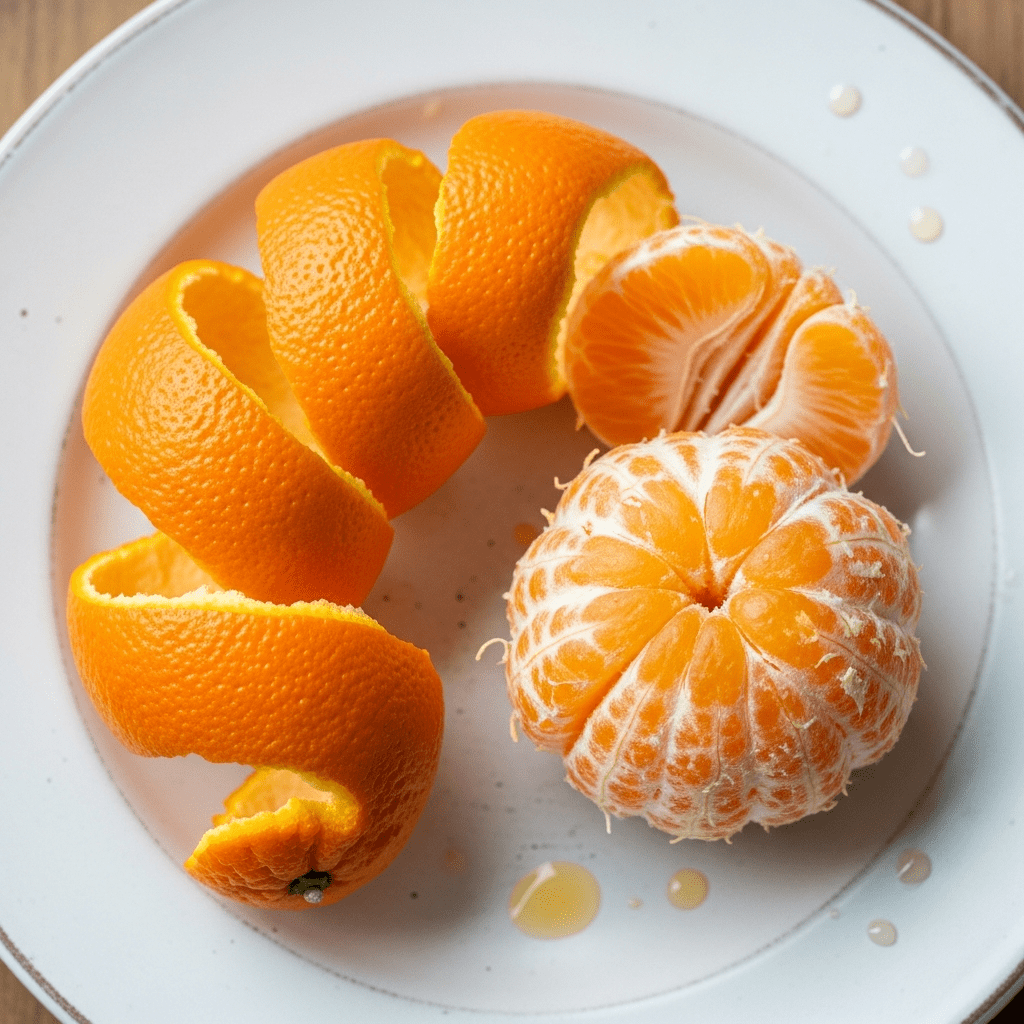
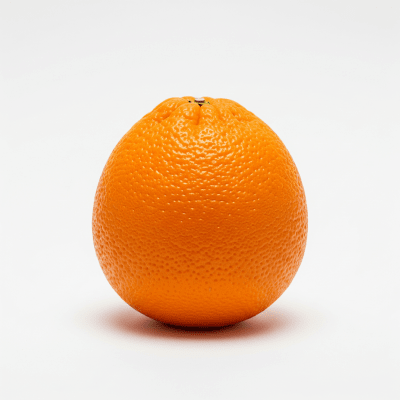
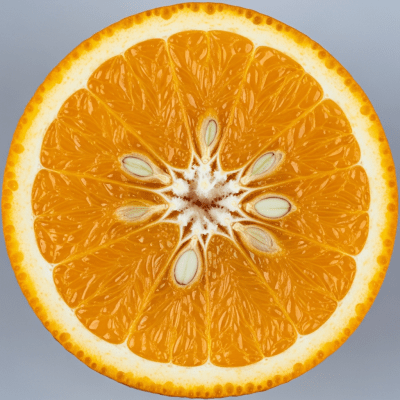
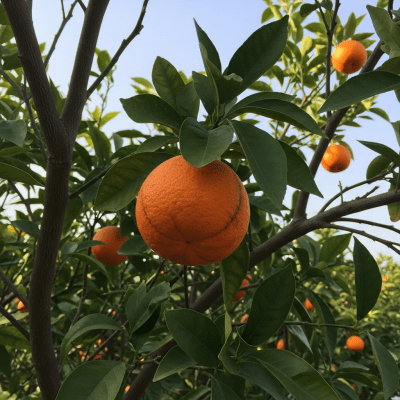
The fruit is medium to large, typically 6 to 8 centimeters in diameter, with a round shape and a thick, rough rind of deep orange color rich in aromatic oils. Inside, the pale orange flesh is segmented, sour, and bitter, containing numerous seeds. The tree itself is medium-sized and moderately vigorous, evergreen with glossy dark green leaves and prominent thorns.
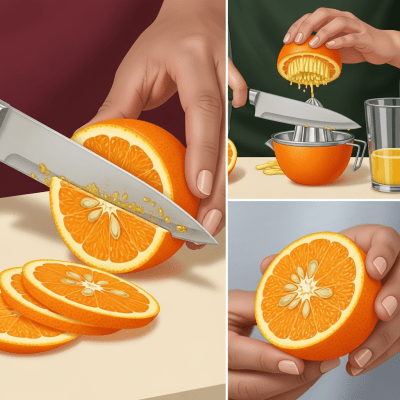
Seville oranges are primarily cultivated for processing rather than fresh eating due to their pronounced bitterness. Their high pectin content and aromatic zest make them ideal for marmalade production. The juice and peel are also used in sauces, marinades, and as souring agents in Mediterranean and Middle Eastern cuisines. Additionally, the fruit flavors renowned liqueurs such as Curaçao, Grand Marnier, and Cointreau. The blossoms yield neroli oil, valued in perfumery and aromatherapy.
Bring this kind into your world illustrated posters, mugs, and shirts.
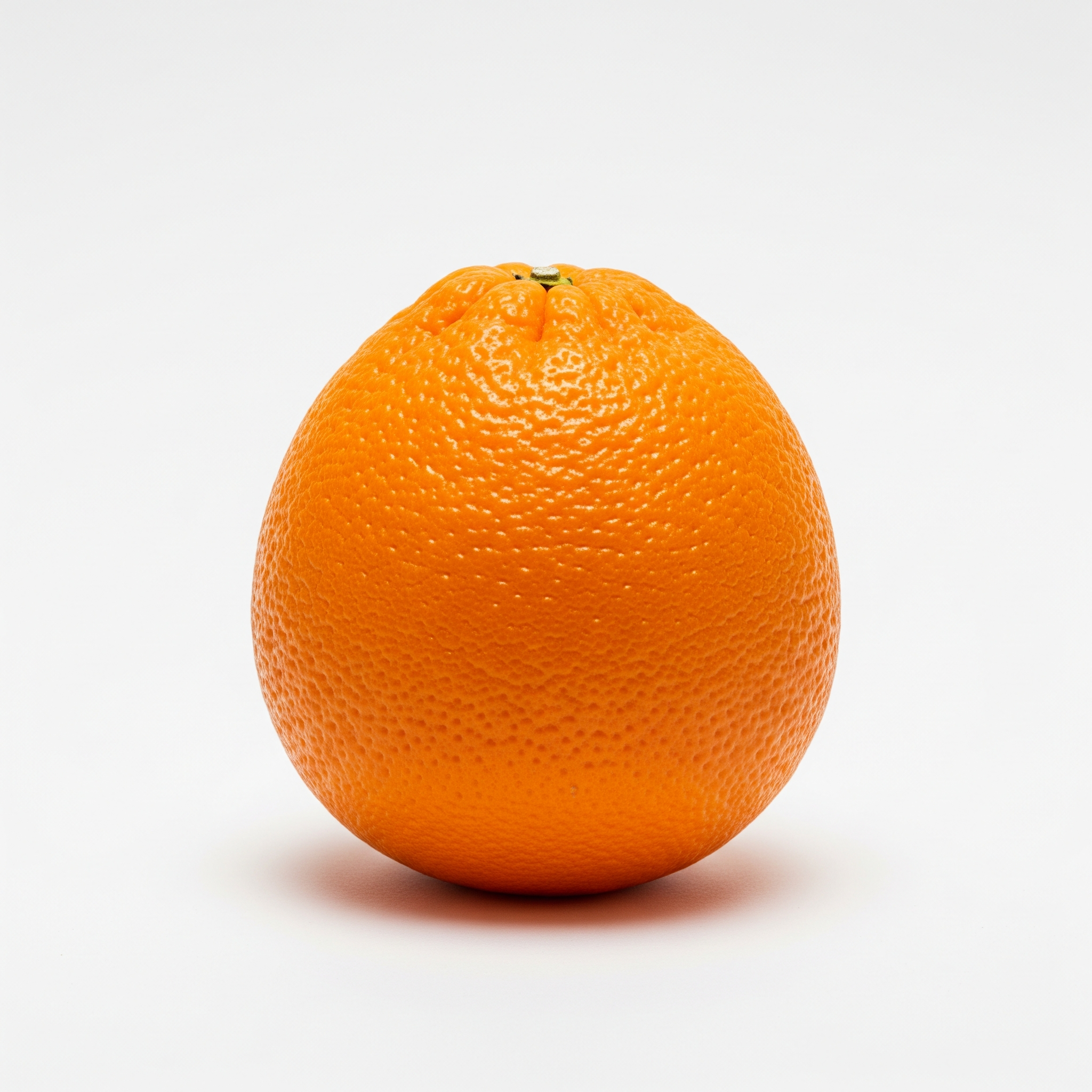
Archival print, museum-grade paper
Buy Poster
Stoneware mug, dishwasher safe
Buy Mug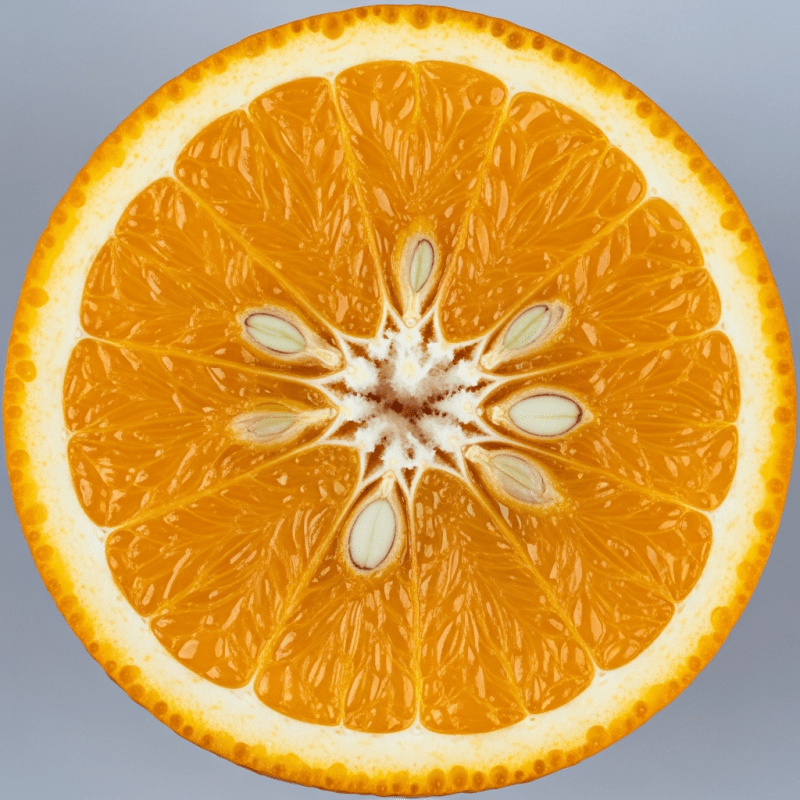
Soft cotton tee, unisex sizes
Buy ShirtSeville oranges hold a special place in cultural traditions, especially in Spain where groves line the streets of Seville, symbolizing the city's heritage. Their use in English-style marmalade connects them to British culinary history, while their essential oils and flavorings have influenced European perfumery and gastronomy. The fruit’s bitter profile also features in Mediterranean and Middle Eastern culinary arts, underscoring its regional importance.
Seville orange trees thrive in Mediterranean climates, tolerating a range of soils and showing resilience to drought and cold relative to sweet oranges. They flower in spring and bear fruit maturing in winter (December to February). Growers should monitor for citrus canker and tristeza virus, common vulnerabilities. The trees are moderately vigorous and benefit from well-drained soil and protection from extreme frost.
While Seville oranges are bitter and sour, they are rich in vitamin C and antioxidants. Their high pectin content supports digestive health, and the essential oils contain compounds with potential antimicrobial and anti-inflammatory properties. Consumed in marmalades and culinary preparations, they offer a flavorful way to incorporate beneficial citrus nutrients.
The Seville orange itself is the principal variety within its species, sometimes known by synonyms such as bitter orange, sour orange, bigarade orange, and marmalade orange. Regional names include 'naranja amarga' in Spain and 'orange amère' or 'bigarade' in France. While subtypes may exist locally, the classic Seville orange remains the standard bitter orange in commerce.
Seville oranges are harvested in the Northern Hemisphere winter months, typically from December through February. Their thick, rough rind allows the fruit to store well for several weeks post-harvest if kept cool and dry. Proper handling minimizes bruising, preserving the aromatic oils and juice quality essential for processing into marmalade, liqueurs, and other products.