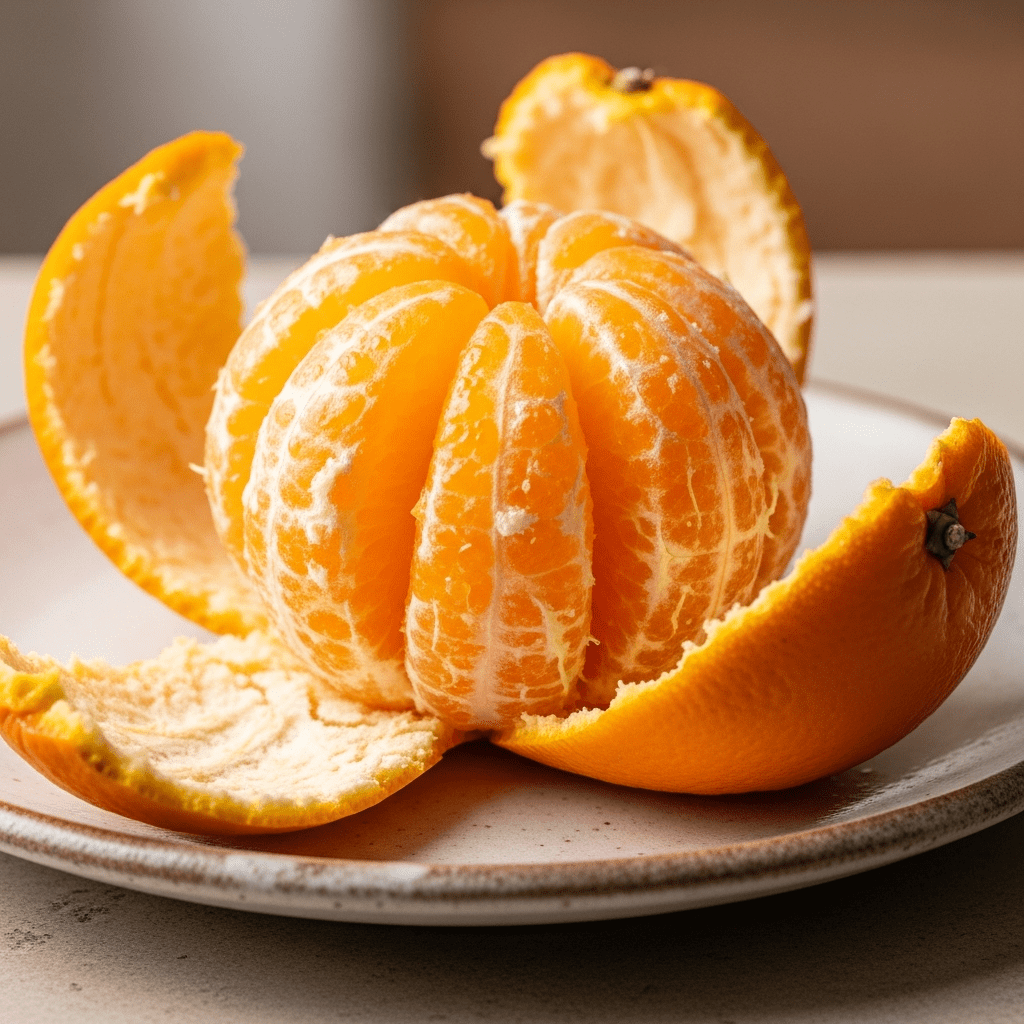
Jaffa Orange
The Jaffa orange is a sweet orange cultivar prized for its thick, easy-to-peel deep orange rind, nearly seedless juicy flesh, and remarkable durability during shipping.
The Jaffa orange is a sweet orange cultivar prized for its thick, easy-to-peel deep orange rind, nearly seedless juicy flesh, and remarkable durability during shipping.
Originating in the mid-19th century around the port city of Jaffa in present-day Israel, the Jaffa orange emerged as a local selection of sweet orange trees introduced from the Mediterranean region. It was cultivated and propagated by Arab farmers and Jewish settlers alike, becoming a cornerstone of the region's citrus industry by the 1840s and 1850s without attribution to a specific breeder.
The Jaffa orange belongs to the species Citrus sinensis, commonly known as the sweet orange. It is classified as a distinct cultivar within this species, notable for its export-quality traits. Synonyms include Shamouti orange and Jaffa Shamouti, reflecting regional naming conventions.
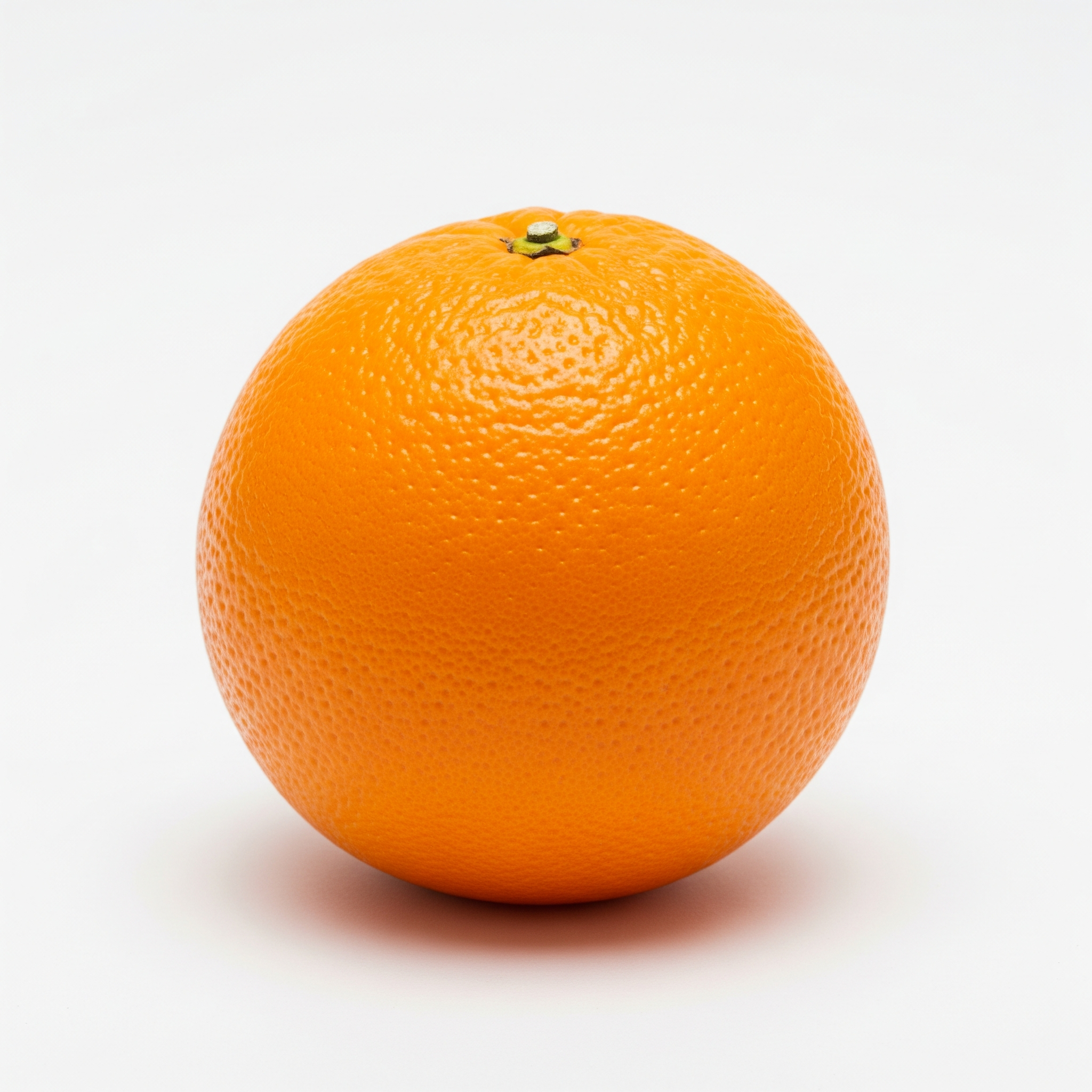
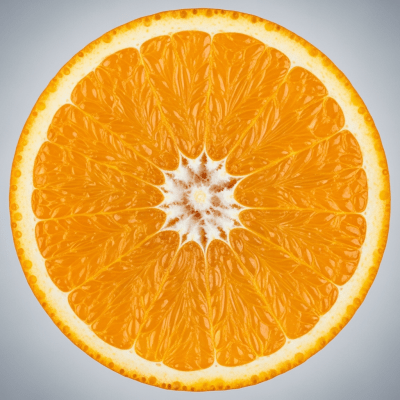
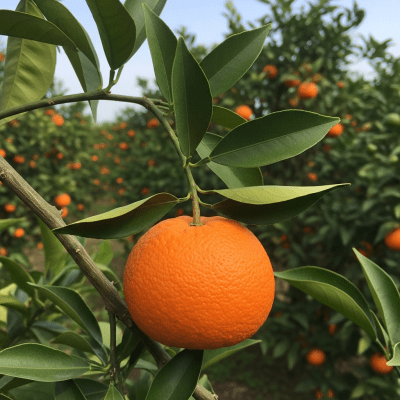
The fruit is medium to large and typically round, featuring a thick, rough, and pebbled rind of deep orange color. Its flesh is bright orange, juicy, and sweet, with very few seeds—usually none to three per fruit. The tree itself is medium to large, vigorous, and upright, with dense dark green foliage that forms a lush canopy.
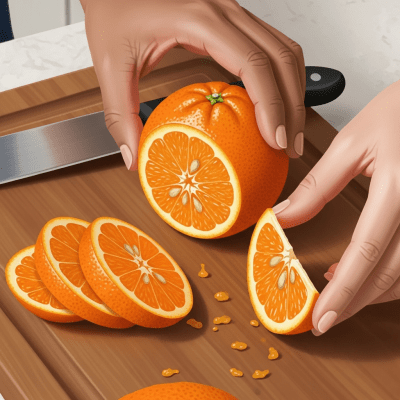
Primarily enjoyed fresh for its sweet flavor and easy peeling, the Jaffa orange was historically favored for export due to its exceptional resistance to damage and long shelf life. While less common for juicing, it remains a popular fresh-eating fruit in the eastern Mediterranean and was once a major export to European markets.
Bring this kind into your world illustrated posters, mugs, and shirts.
Archival print, museum-grade paper
Buy Poster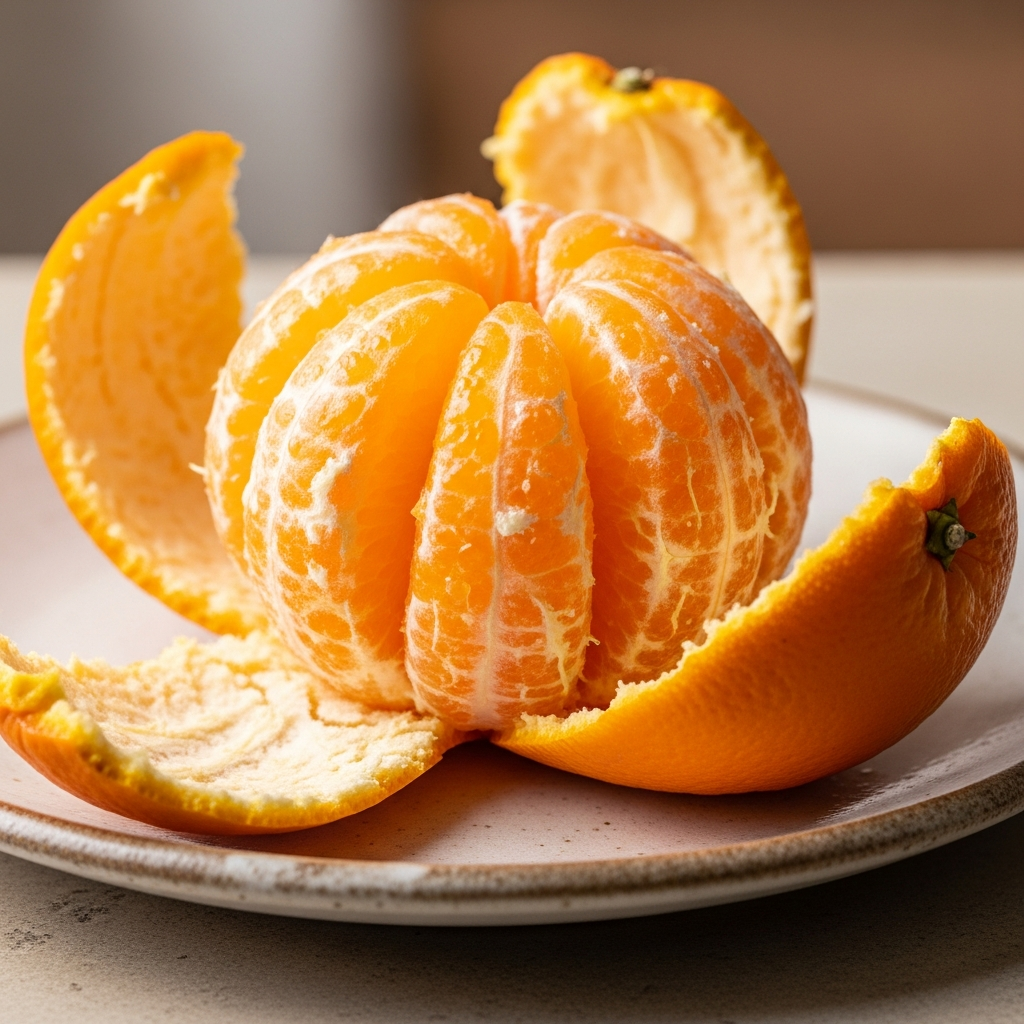
Stoneware mug, dishwasher safe
Buy Mug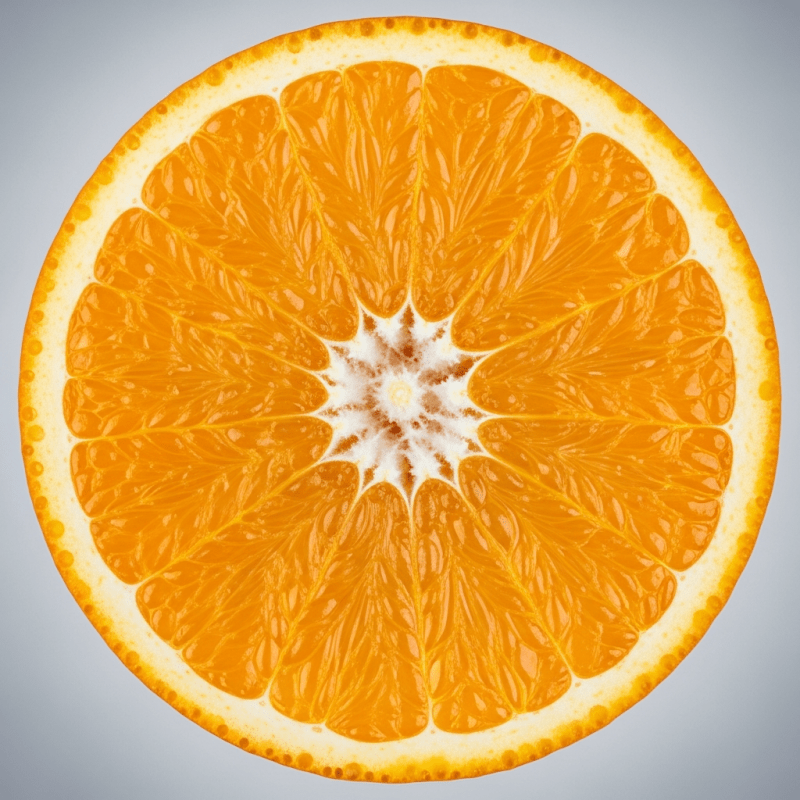
Soft cotton tee, unisex sizes
Buy ShirtThe Jaffa orange became a symbol of agricultural prosperity in the eastern Mediterranean, closely tied to the identities of both Israeli and Palestinian communities. Its name and brand evoke the region’s rich citrus heritage, and it played a vital role in the economic development of the area during the late 19th and early 20th centuries.
The Jaffa orange thrives in subtropical to Mediterranean climates and prefers mild winters, as it is less tolerant of cold. It requires well-drained soil and moderate irrigation. Regular monitoring for diseases such as tristeza virus and Alternaria brown spot is important. Proper pruning encourages vigorous growth and fruit production, while harvesting from January to May ensures peak ripeness.

Rich in vitamin C and antioxidants, the Jaffa orange supports immune health and skin vitality. Its juicy, sweet flesh provides hydration and natural sugars for energy, while dietary fiber aids digestion. Consuming fresh oranges like the Jaffa can contribute to overall wellness and reduce oxidative stress.
While the Jaffa orange itself is a distinct cultivar, it is part of the broader sweet orange family that includes popular varieties such as Navel, Valencia, and Blood oranges. Each has unique traits, but the Jaffa is especially noted for its export durability and thick rind.
Jaffa oranges are typically harvested from January through May when fully ripe. Careful picking preserves the thick rind, which protects the fruit during handling and transport. Their excellent post-harvest durability allows for long storage and shipping without significant loss of quality, making them ideal for export markets.