Salustiana Orange
The Salustiana Orange is a sweet orange cultivar (Citrus sinensis) prized for its juiciness, mild sweetness, and near seedless nature, primarily cultivated for juice production in Mediterranean regions.
The Salustiana Orange is a sweet orange cultivar (Citrus sinensis) prized for its juiciness, mild sweetness, and near seedless nature, primarily cultivated for juice production in Mediterranean regions.
Originating in Spain during the mid-20th century, the Salustiana Orange emerged as a spontaneous mutation or local selection from existing sweet orange populations. Its commercial cultivation expanded notably in the 1950s and 1960s, establishing it as a key variety in Spanish citrus agriculture.
Belonging to the species Citrus sinensis, the Salustiana Orange is classified within the sweet orange group. It is recognized as a distinct cultivar among Mediterranean juice oranges, closely related to other commercial sweet orange varieties but notable for its specific morphological and agronomic traits.
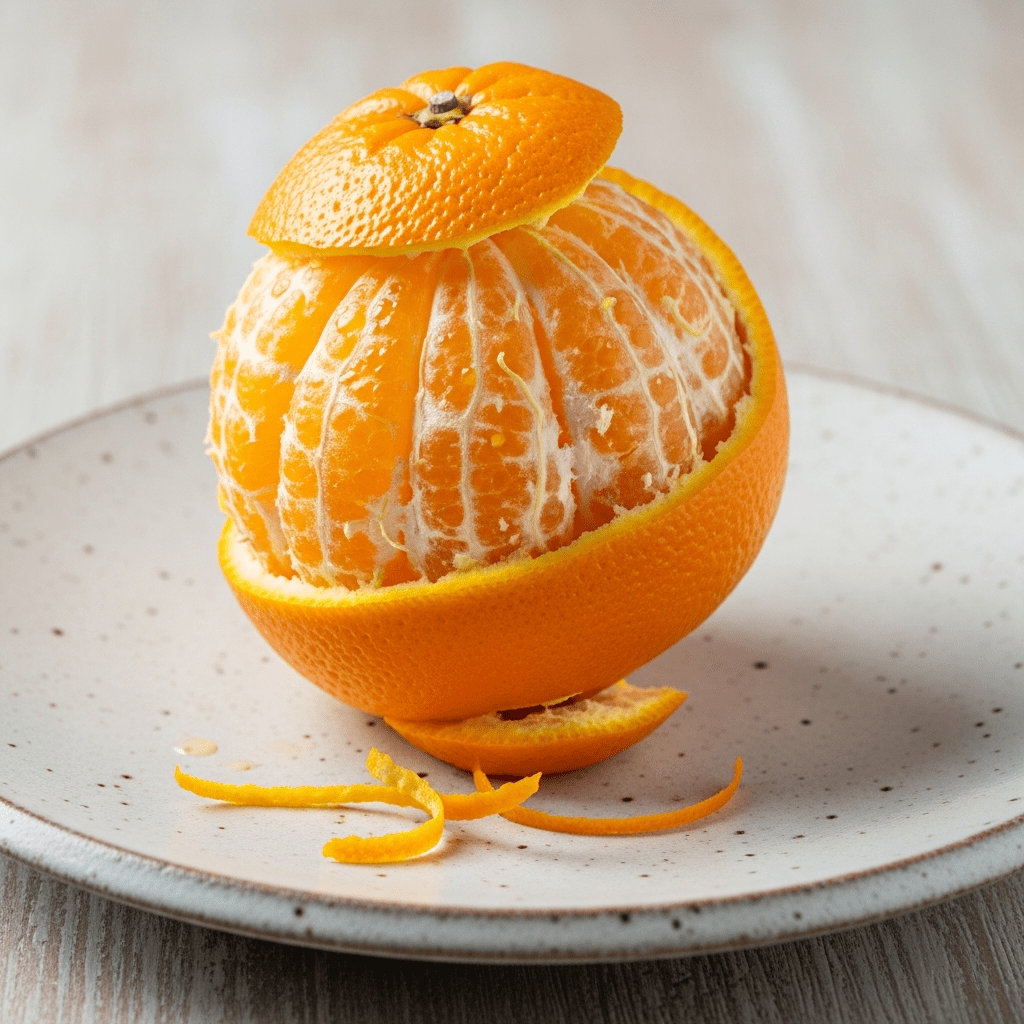
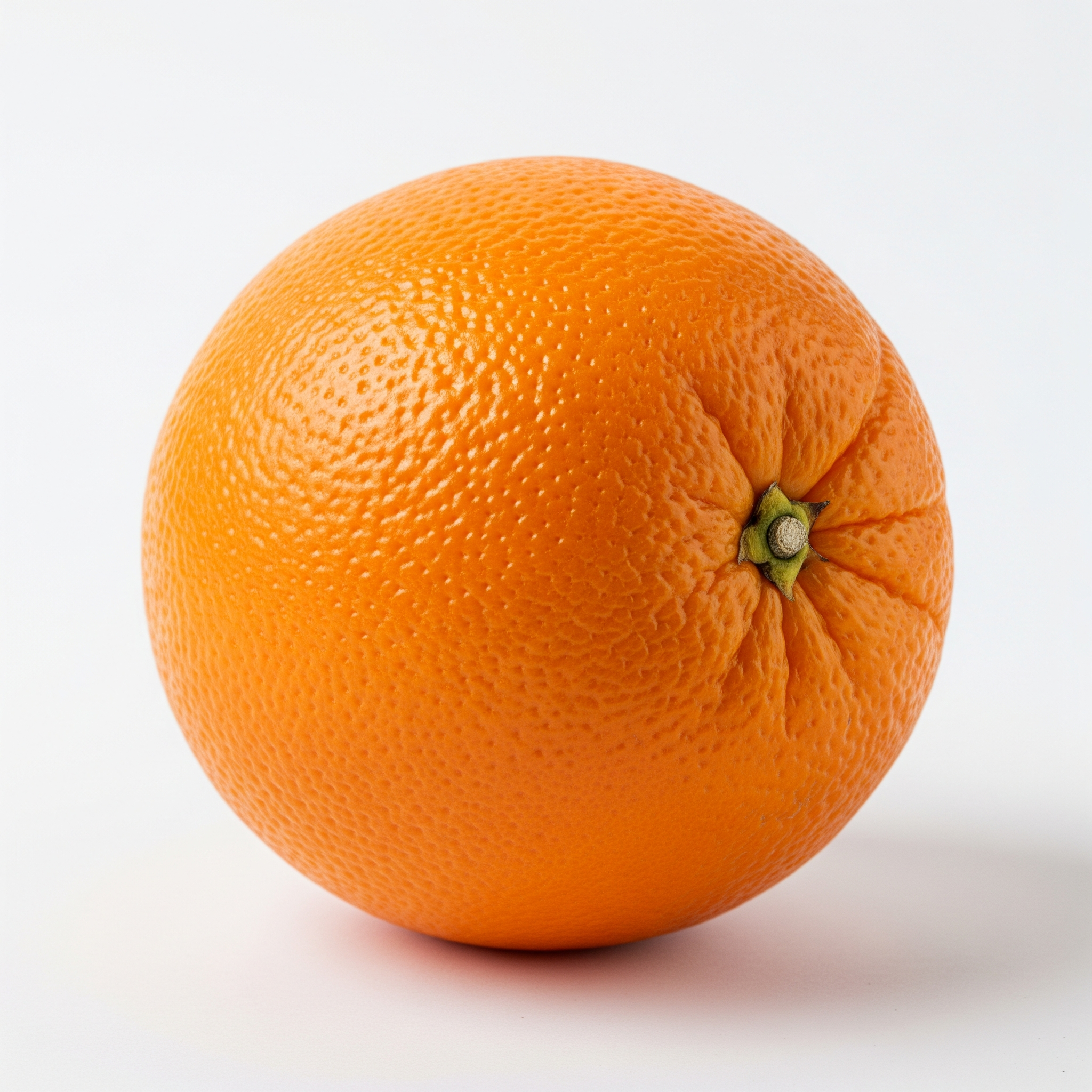
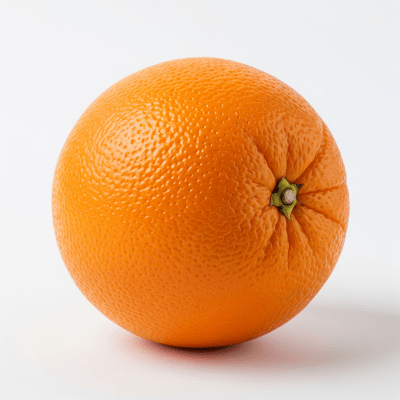
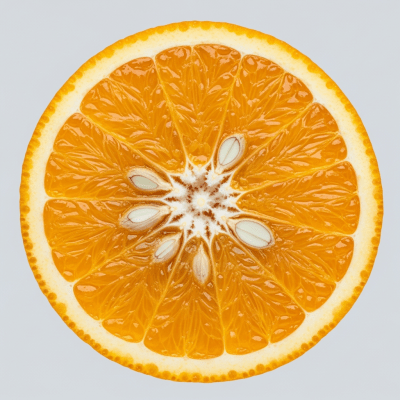
The fruit typically measures 7 to 9 centimeters in diameter, presenting a round shape with a smooth, thin, pale orange rind. Its flesh is tender and vibrant orange, exceptionally juicy and almost seedless, with only 0 to 2 seeds per fruit. The tree itself is vigorous and moderately spreading, well suited to Mediterranean climates.
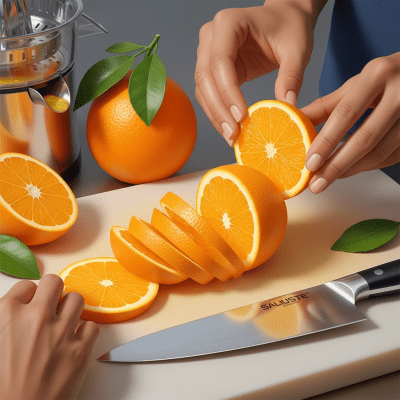
Primarily grown for juicing, the Salustiana Orange delivers a mild, sweet flavor with low acidity, making it ideal for fresh juice extraction and blending. While occasionally sold fresh in local markets, it is less preferred for eating compared to varieties like Navel or Valencia. Its high juice content and seedlessness have made it a staple in Spanish and North African juice industries.
Bring this kind into your world illustrated posters, mugs, and shirts.
Archival print, museum-grade paper
Buy Poster
Stoneware mug, dishwasher safe
Buy Mug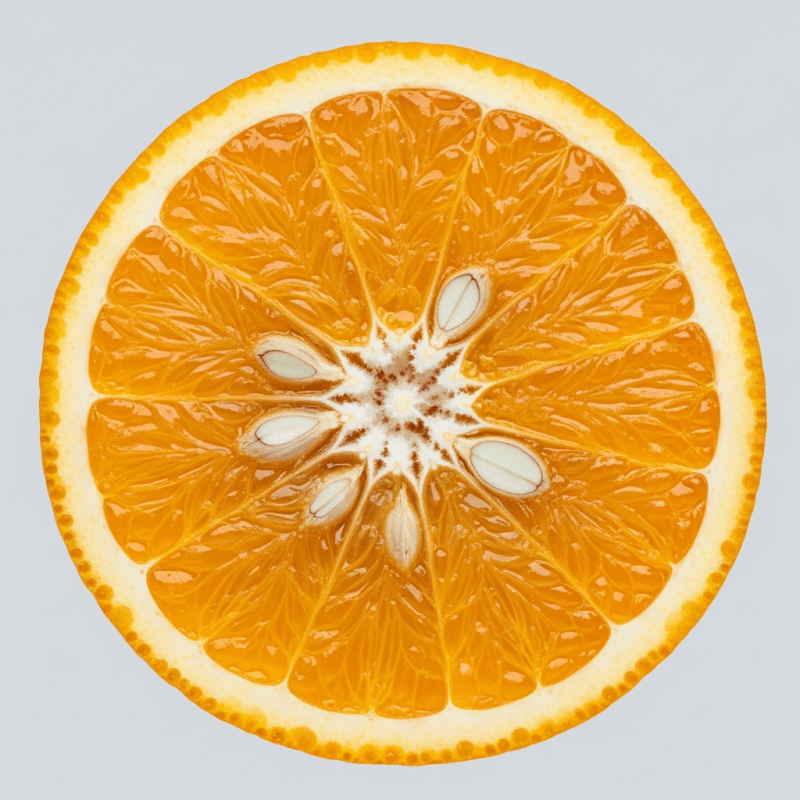
Soft cotton tee, unisex sizes
Buy ShirtIn Mediterranean agricultural culture, the Salustiana Orange holds importance as a reliable juice orange that supports regional economies. Though less prominent in art or folklore than other citrus varieties, it symbolizes the innovation of local selections contributing to Spain's rich citrus heritage and juice production traditions.
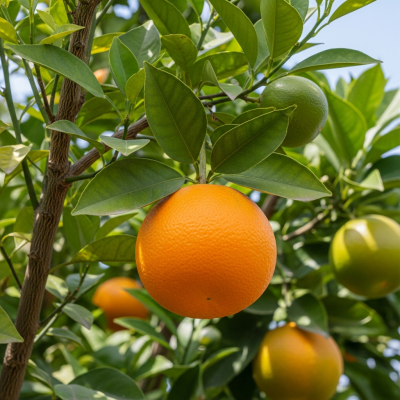
Salustiana Oranges thrive in Mediterranean climates, particularly in Spain. They require well-drained soil and benefit from regular irrigation during dry periods. Growers should monitor for alternate bearing tendencies and fungal diseases, applying appropriate treatments to maintain consistent yields. Trees are vigorous and moderately spreading, so adequate spacing and pruning enhance air circulation and fruit quality.
Rich in vitamin C and antioxidants, the Salustiana Orange supports immune health and skin vitality. Its juicy, low-acid flesh provides hydration and gentle sweetness, making it suitable for those sensitive to acidic fruits. Regular consumption contributes to overall wellness through essential nutrients found in sweet oranges.
Within the sweet orange family, the Salustiana Orange stands alongside well-known cultivars such as Navel, Valencia, and Blood oranges. Unlike the seedless Navel or the richly flavored Valencia, Salustiana is distinguished by its smooth rind, mild sweetness, and primary role in juice production, especially in Mediterranean markets.
Harvesting of Salustiana Oranges occurs from late winter to early spring, typically December through March. The fruit stores well on the tree, allowing for flexible picking schedules. After harvest, storing in cool, ventilated conditions helps preserve freshness, though the variety is mainly processed soon after picking to maintain optimal juice quality.