Fukumoto Navel Orange
The Fukumoto Navel Orange is an early-maturing, seedless sweet orange cultivar known for its deep orange color, smooth rind, and balanced sweet flavor, prized especially for fresh eating in premium markets.
The Fukumoto Navel Orange is an early-maturing, seedless sweet orange cultivar known for its deep orange color, smooth rind, and balanced sweet flavor, prized especially for fresh eating in premium markets.
Discovered in 1983 by Mr. Fukumoto in Shizuoka Prefecture, Japan, the Fukumoto Navel Orange arose as a natural bud sport mutation of the Washington Navel Orange. Its unique traits were propagated commercially first in Japan and later introduced to California, establishing it as a valued early-season navel variety.
Belonging to the species Citrus sinensis, the Fukumoto Navel Orange is a cultivar within the sweet orange group. It is classified as a navel orange, characterized by its seedless fruit and a distinctive secondary fruit formation known as the "navel" at the blossom end.
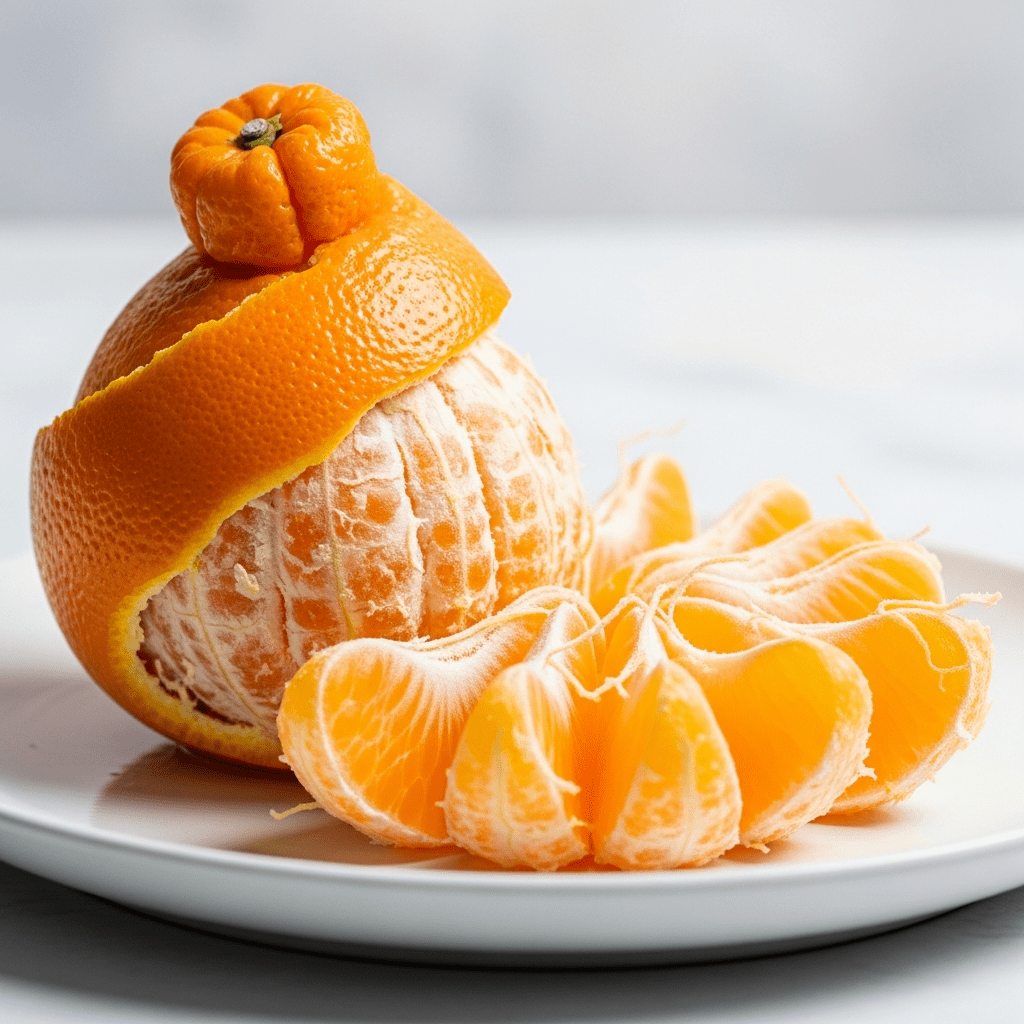
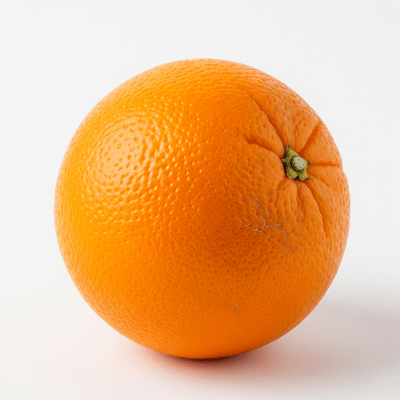
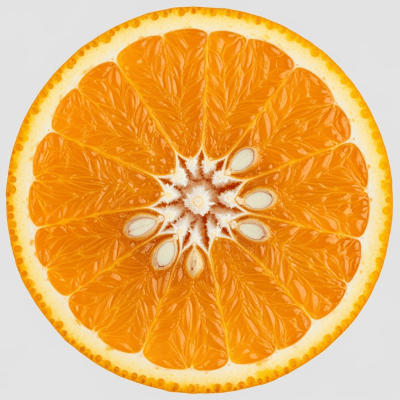
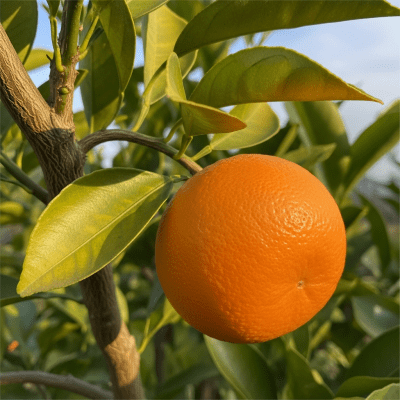
The fruit of the Fukumoto Navel Orange is slightly oval, measuring between 6 and 7.5 centimeters in diameter. It features a smooth, thin rind colored from deep orange to reddish-orange. Inside, the flesh is bright orange, seedless, juicy, and sweet with a fine texture. The tree itself is medium-sized with vigorous growth, a rounded canopy, and dark green, lanceolate leaves.
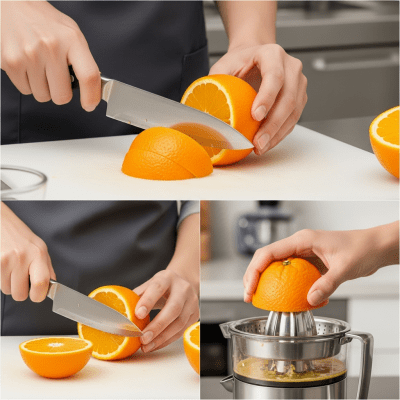
Primarily enjoyed fresh, the Fukumoto Navel Orange is favored for its sweet, balanced flavor and seedless flesh. Its early harvest season allows growers to supply premium table oranges ahead of the main navel crop. Due to limited juice yield and storage life, it is rarely used for juicing or processing.
Bring this kind into your world illustrated posters, mugs, and shirts.
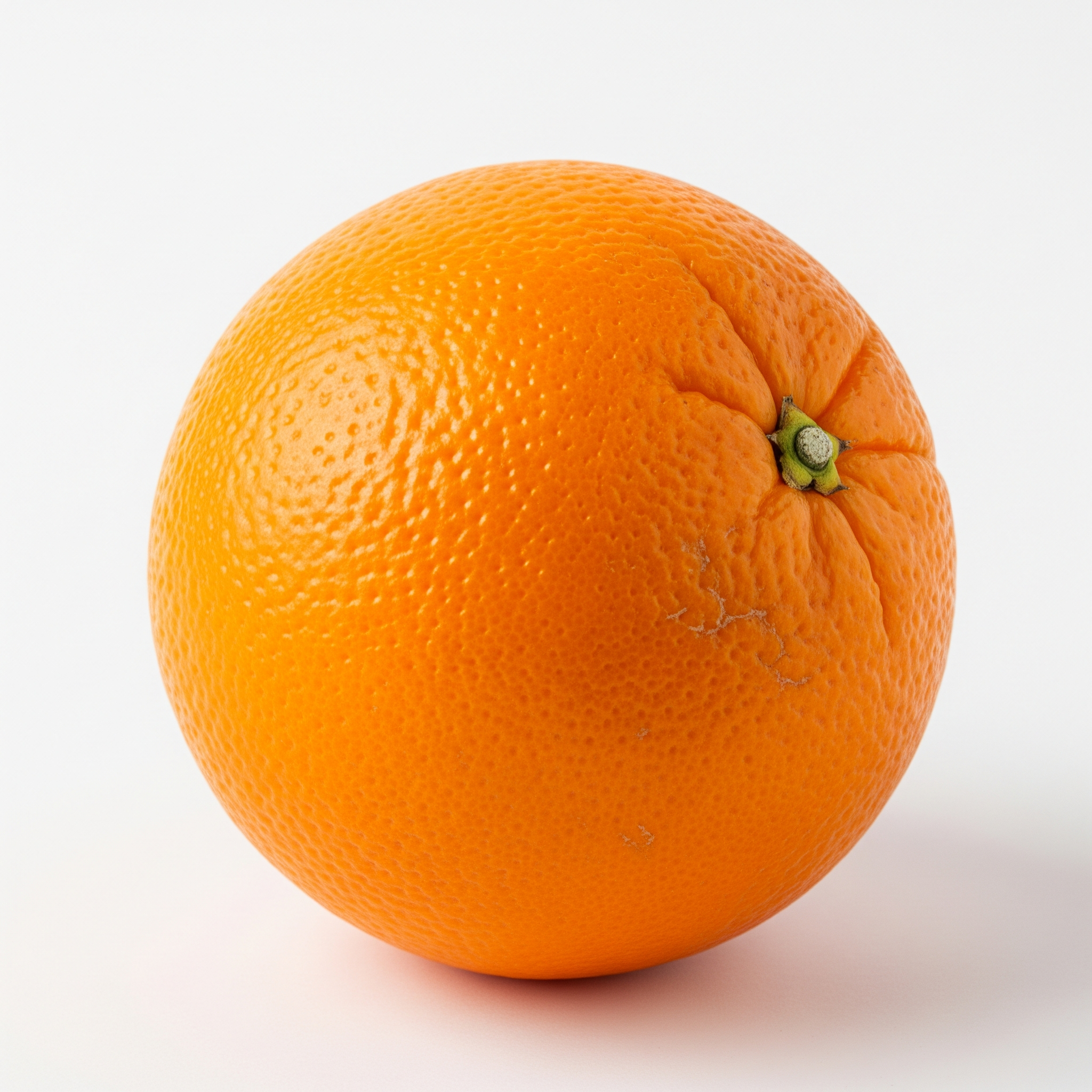
Archival print, museum-grade paper
Buy Poster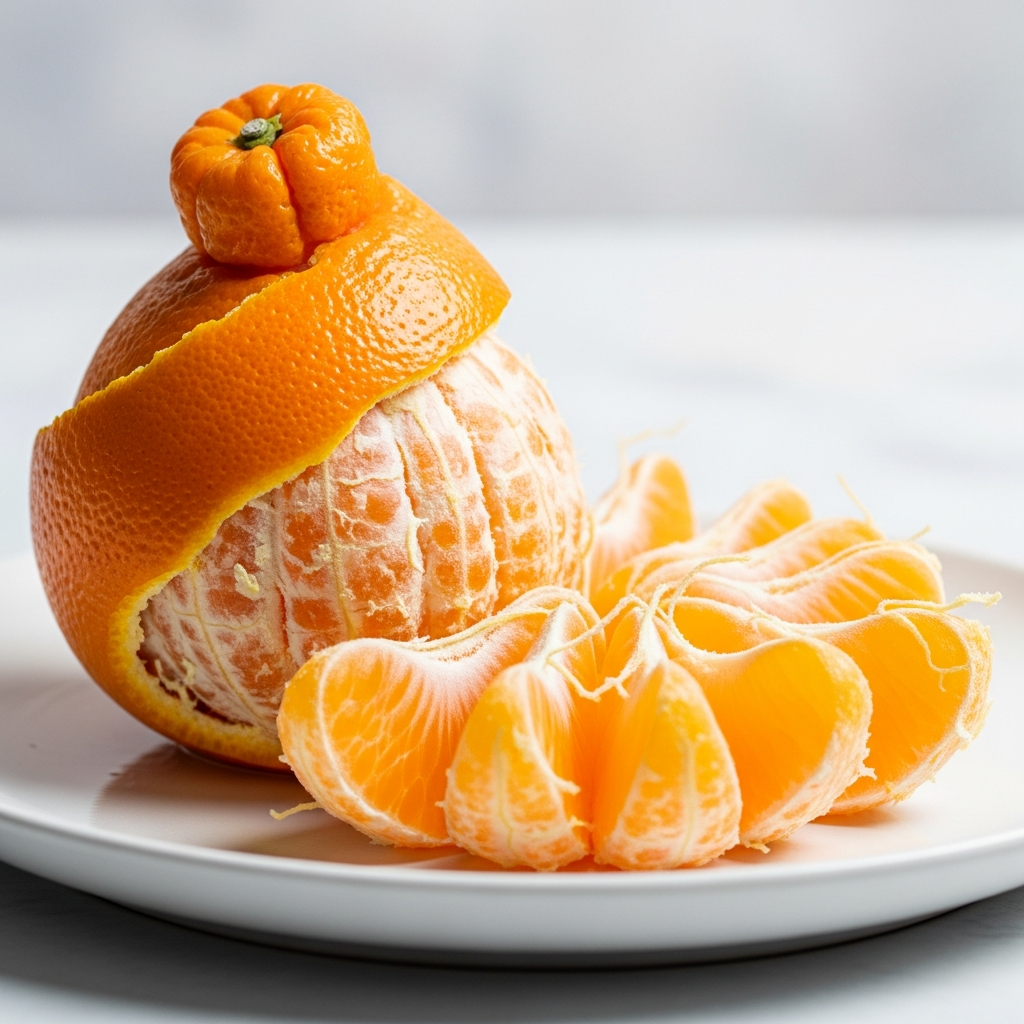
Stoneware mug, dishwasher safe
Buy Mug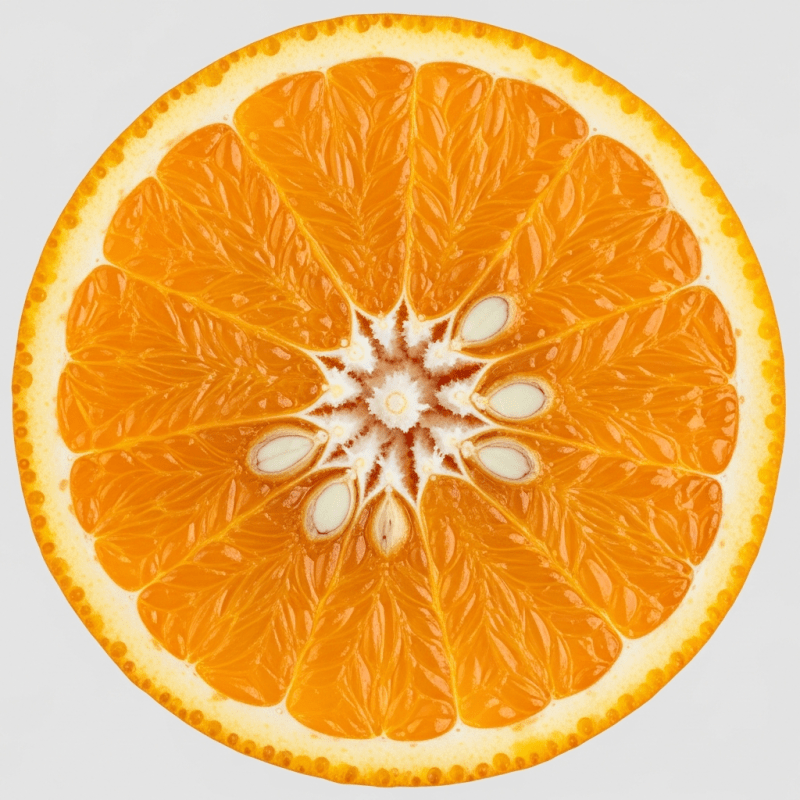
Soft cotton tee, unisex sizes
Buy ShirtWhile not deeply embedded in traditional art or myth, the Fukumoto Navel Orange holds cultural importance as a symbol of early-season quality fruit in Japan and California markets. It represents innovation in citrus cultivation through natural mutation and selective propagation, contributing to the diversity of commercially available navel oranges.
🌱 The Fukumoto Navel Orange thrives in climates similar to those of California and Japan, favoring moderate temperatures and well-drained soils. Growers should monitor for citrus canker, tristeza virus, and Phytophthora root rot, to which it is susceptible. Protecting trees from strong winds is important due to the thin rind's sensitivity to scarring. Regular irrigation and balanced fertilization support consistent yields, though alternate bearing can occur if not managed carefully.
🍊 Rich in vitamin C and antioxidants, the Fukumoto Navel Orange supports immune health and skin vitality. Its juicy, seedless flesh provides hydration and natural sugars balanced with acidity, making it a refreshing source of energy and dietary fiber that aids digestion.
Among navel oranges, the Fukumoto stands out for its early maturity and vibrant rind. Other popular navel varieties include the Washington Navel, known for its classic seedless sweetness and larger navel, and the Cara Cara, prized for its pinkish flesh and unique flavor. Each cultivar offers distinct harvest windows and taste profiles to suit different market needs.
🗄️ Harvest the Fukumoto Navel Orange from late October through November when the fruit reaches full color and sweetness. Due to its thin rind and limited post-harvest shelf life, it is best consumed fresh and stored in cool, humid conditions to preserve juiciness. Gentle handling during picking reduces skin damage, ensuring premium appearance for market sale.