Hamlin Orange
The Hamlin Orange is an early-season sweet orange cultivar renowned for its high juice yield and notable cold tolerance, making it a key variety in Florida's citrus industry.
The Hamlin Orange is an early-season sweet orange cultivar renowned for its high juice yield and notable cold tolerance, making it a key variety in Florida's citrus industry.
Discovered in 1879 near Glenwood, Florida by A.G. Hamlin, the Hamlin Orange is believed to be a chance seedling of unknown parentage. Selected for its early ripening and resilience to cold, it became well-suited for cultivation in northern Florida, where occasional freezes pose challenges to citrus growers.
The Hamlin Orange belongs to the species Citrus sinensis, commonly known as the sweet orange. It is classified as a cultivar within this species, distinguished by its early maturation and juicing qualities among the many commercial sweet orange varieties.
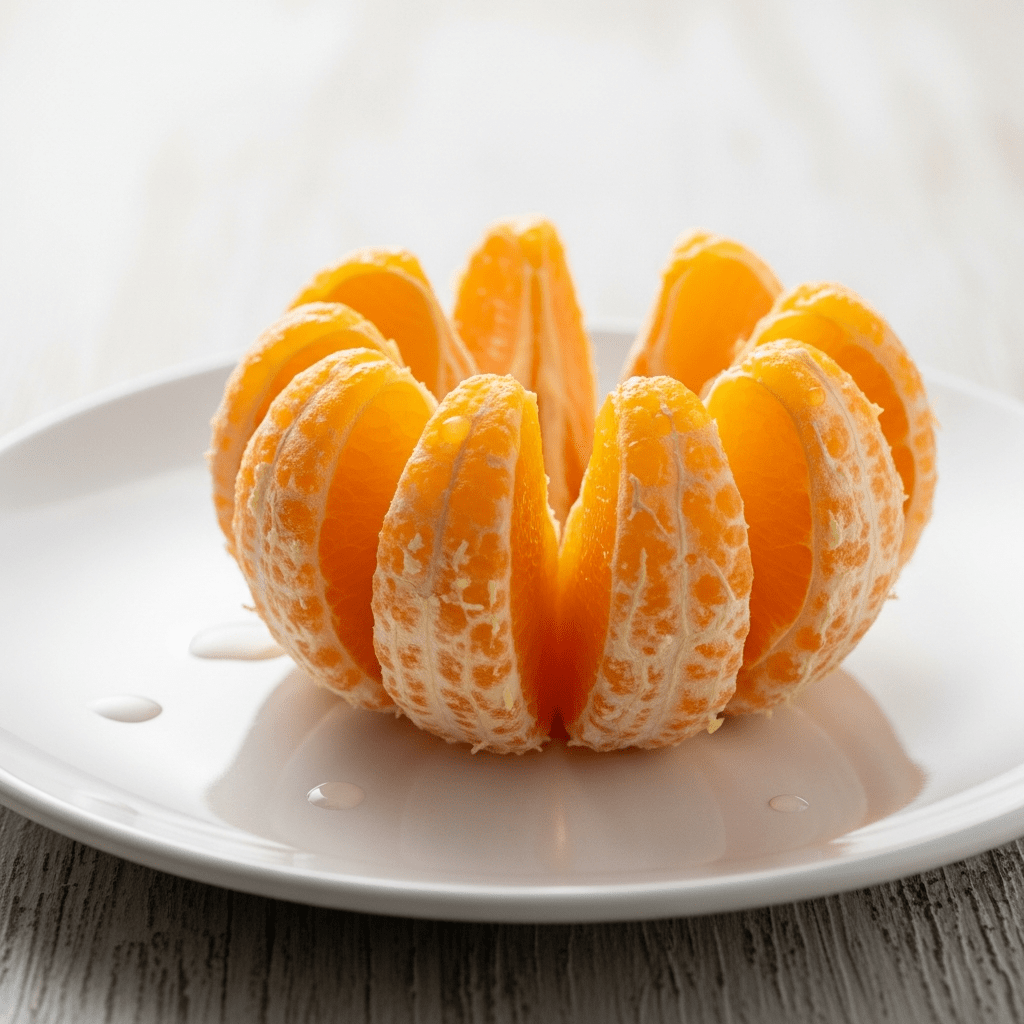
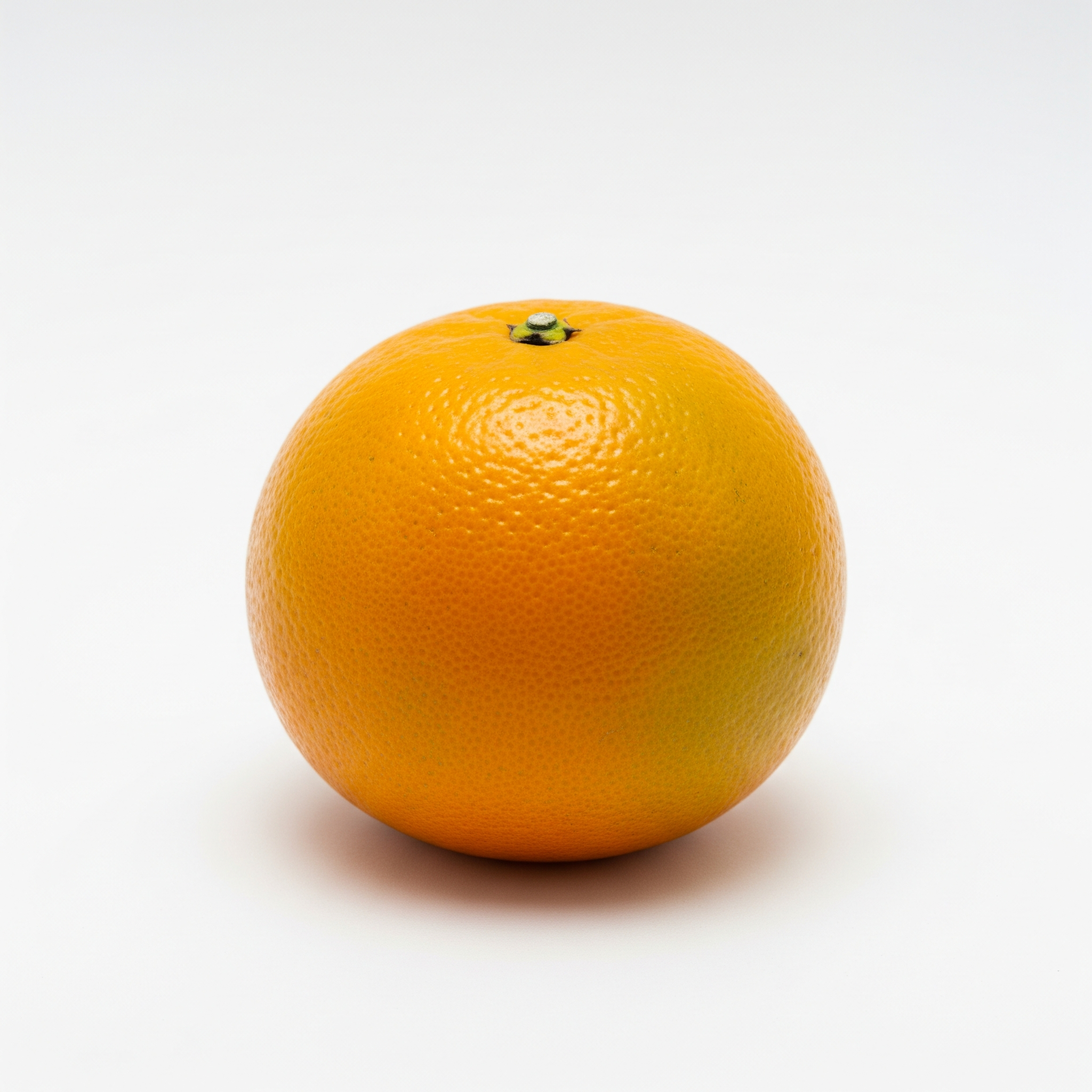
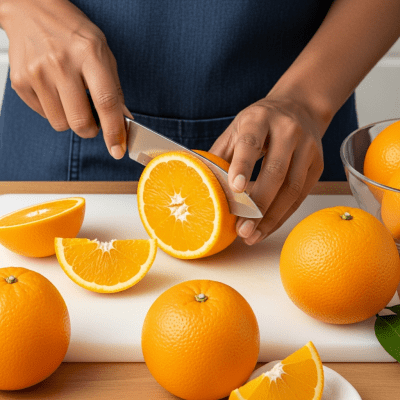
Hamlin oranges are medium to small, typically round with a smooth, thin rind of bright yellow-orange hue. The flesh is pale orange, juicy, and usually seedless or containing very few seeds. The trees are medium-sized with vigorous, upright growth and dense foliage marked by moderate thorniness.
Primarily grown for juicing, Hamlin oranges offer a high juice yield with a mild flavor and low acidity. They are harvested early in the season, from October to January, and are valued for their adaptability to subtropical climates and cold tolerance. While mostly used in juice production, they occasionally appear fresh in local markets during early winter.
Bring this kind into your world illustrated posters, mugs, and shirts.
Archival print, museum-grade paper
Buy Poster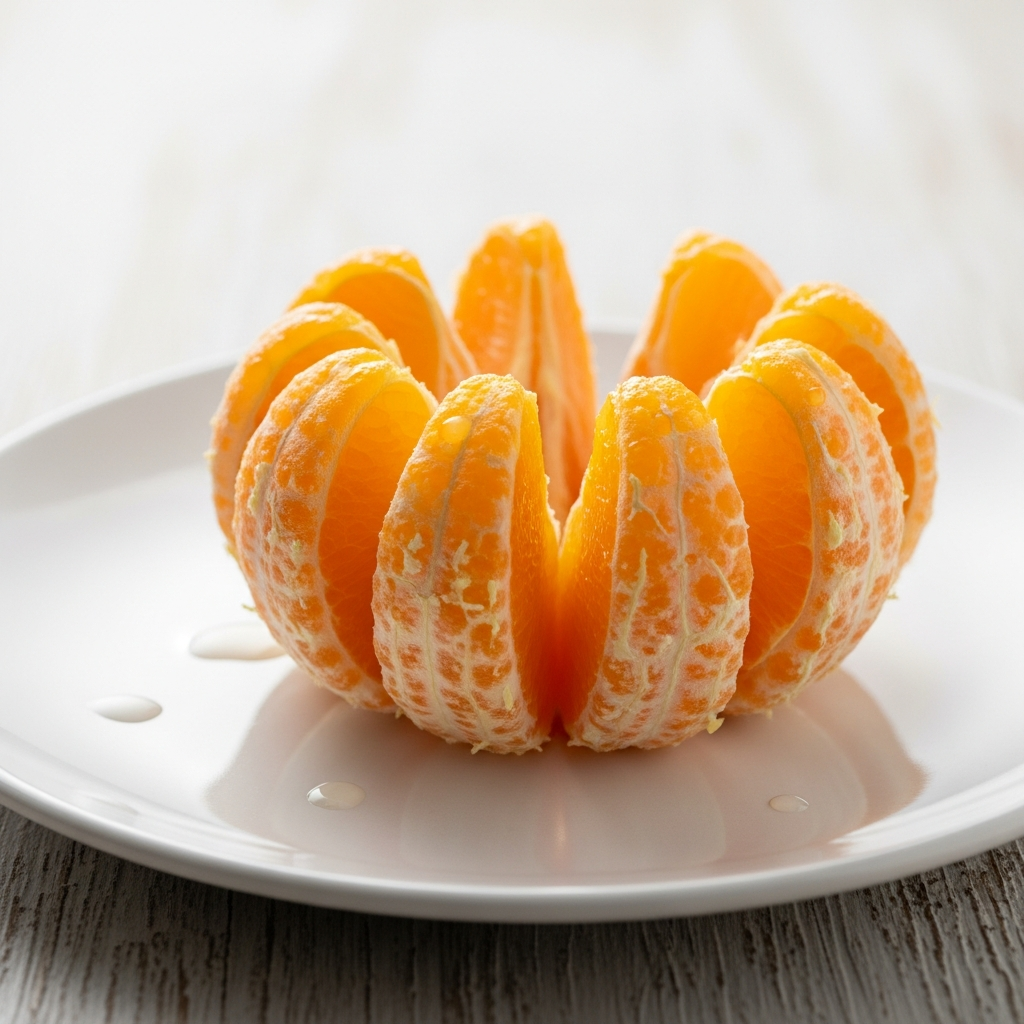
Stoneware mug, dishwasher safe
Buy Mug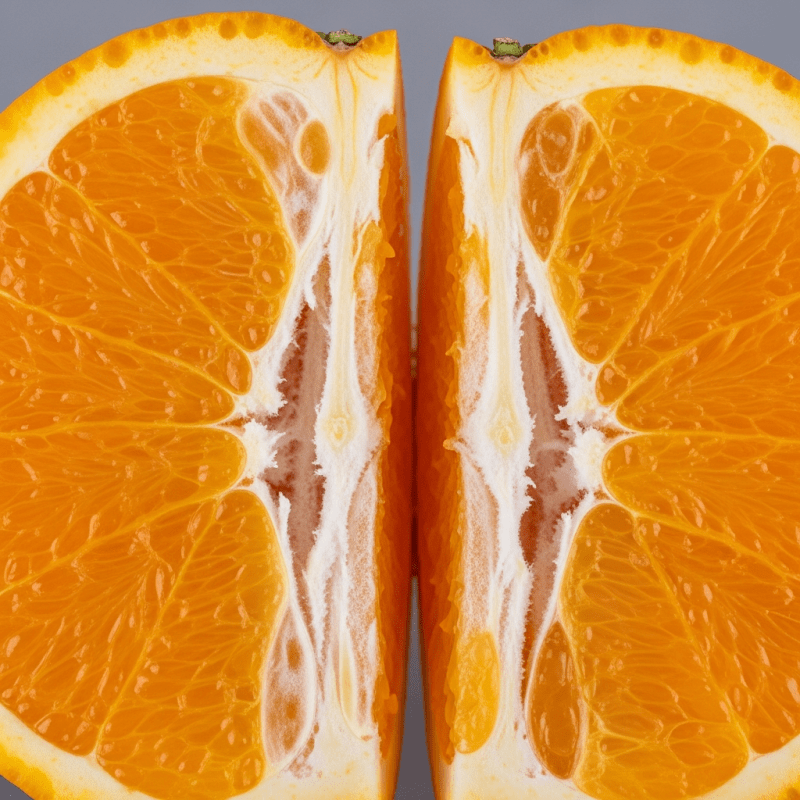
Soft cotton tee, unisex sizes
Buy ShirtAs one of Florida's earliest and most reliable orange cultivars, the Hamlin Orange has played a vital role in establishing the state's reputation as a leading juice producer. Its resilience to cold and early harvest season have supported the citrus economy, particularly in regions vulnerable to frost.
Hamlin orange trees thrive in subtropical climates and are valued for their cold tolerance, which allows them to withstand occasional freezes better than many other sweet orange varieties. They prefer well-drained soils and benefit from regular irrigation during dry periods. Growers should monitor for citrus greening and canker diseases, to which Hamlin shows moderate vulnerability, and apply appropriate management practices. Due to the fruit's susceptibility to rind breakdown, prompt harvesting and careful handling are essential to maintain quality.


Like other sweet oranges, Hamlin oranges provide a rich source of vitamin C and antioxidants, supporting immune health and skin vitality. Their juicy flesh offers hydration and contains dietary fiber, which aids digestion. The mild acidity and natural sugars make them a gentle, refreshing choice for juice consumption.
Within the sweet orange family, Hamlin stands out as an early-season cultivar. Other notable varieties include the Valencia orange, prized for its later harvest and higher sugar content, and the Navel orange, favored for fresh eating due to its seedless nature and rich flavor. Hamlin is primarily distinguished by its early ripening and cold hardiness.
Hamlin oranges are harvested from October through January, capitalizing on their early maturation. Due to their thin, smooth rind and susceptibility to post-harvest breakdown, they require careful handling during picking and transport. Storage life is limited, so prompt processing or consumption is recommended to preserve freshness and juice quality.