Bergamot Orange
The Bergamot orange (Citrus bergamia) is a uniquely aromatic citrus fruit prized mainly for its fragrant rind, which yields bergamot oil used in Earl Grey tea, perfumes, and specialty liqueurs.
The Bergamot orange (Citrus bergamia) is a uniquely aromatic citrus fruit prized mainly for its fragrant rind, which yields bergamot oil used in Earl Grey tea, perfumes, and specialty liqueurs.
Originating in the 18th century, the Bergamot orange is believed to have arisen in Calabria, southern Italy. Its exact genetic lineage is debated, likely a hybrid between bitter orange and lemon, with some theories suggesting sour orange and citron ancestry. No specific breeder is credited with its discovery.
Though not a true sweet orange (Citrus sinensis), Bergamot orange (Citrus bergamia) is often grouped within orange taxonomies due to its commercial and cultural relevance. It is considered a specialty citrus, genetically distinct yet closely related to bitter oranges (Citrus aurantium).
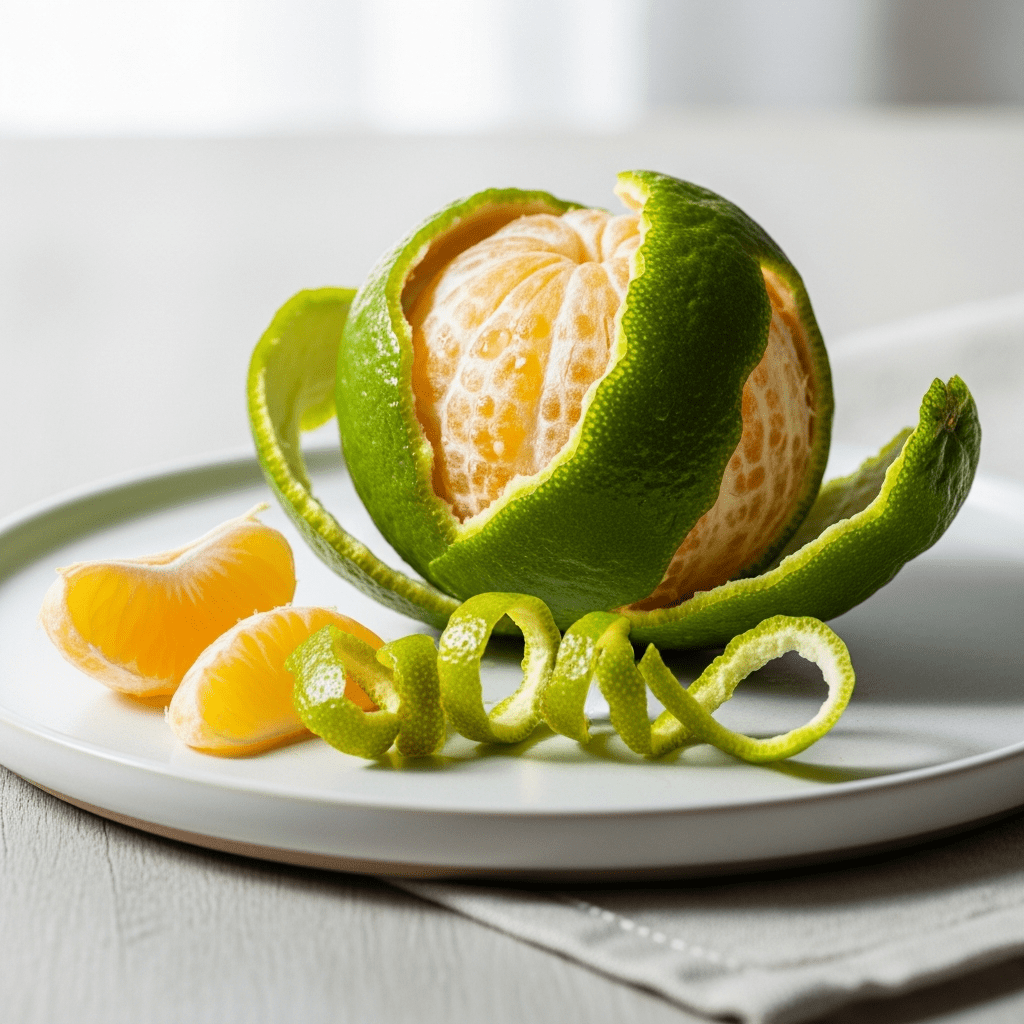
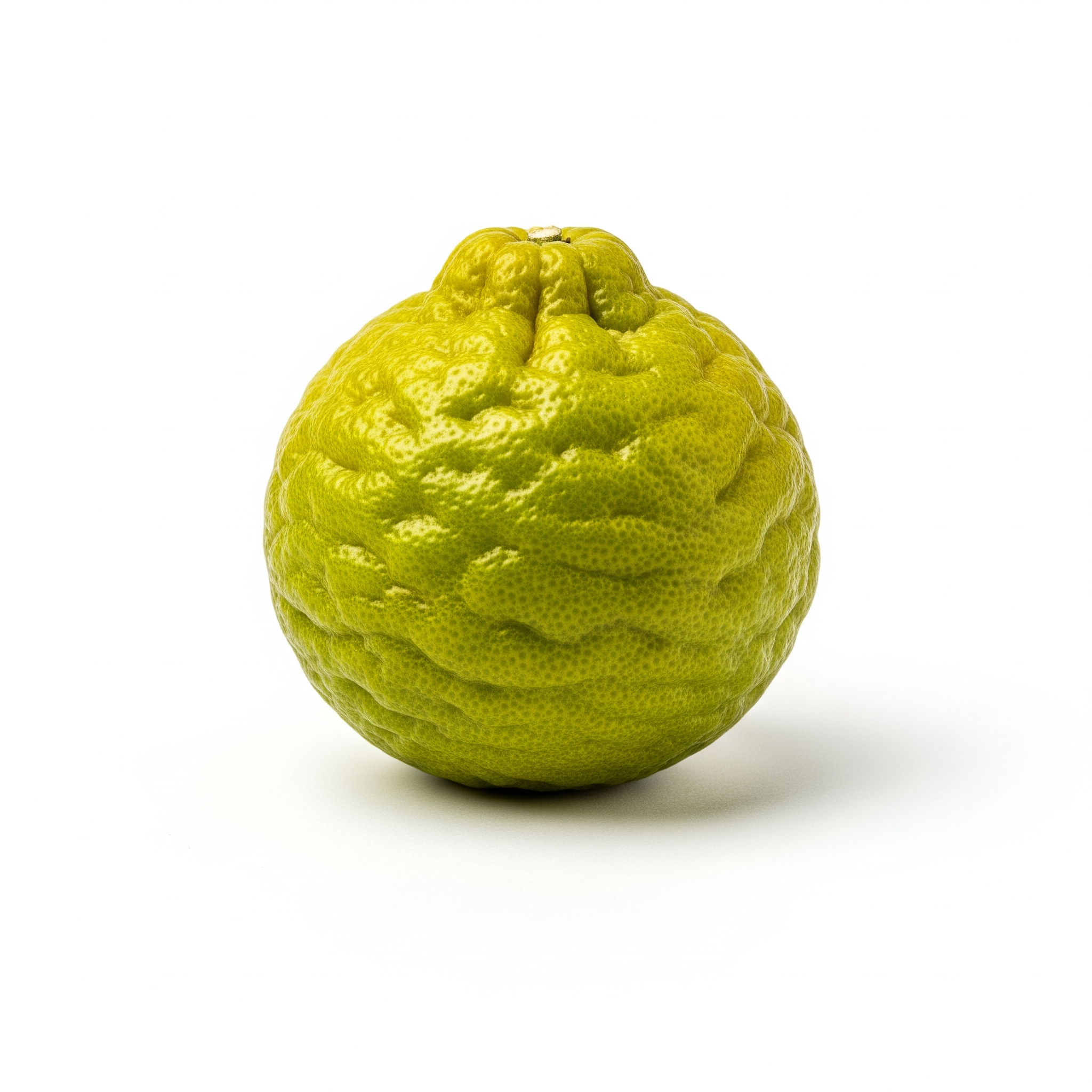
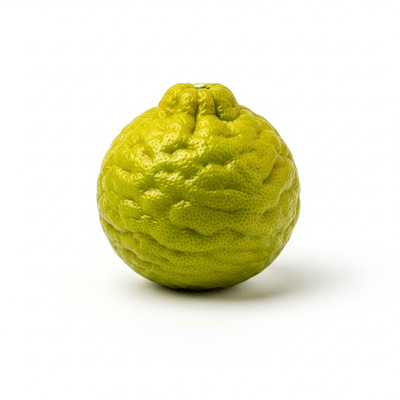
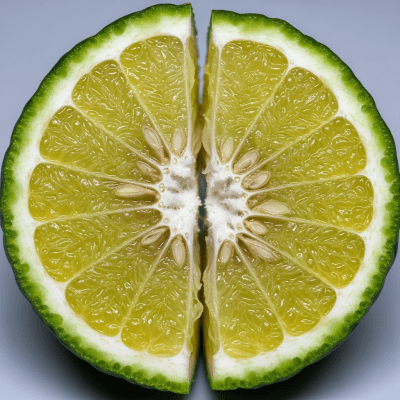
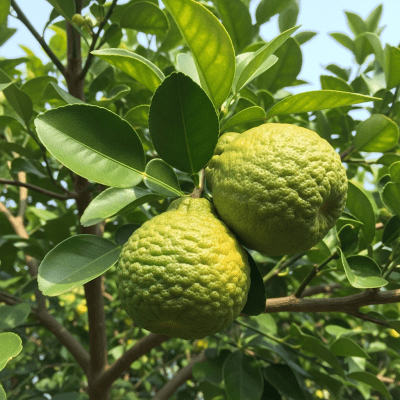
The fruit is slightly oval, measuring 6 to 8 centimeters in diameter, with a rind that ranges from yellow to greenish-yellow and a smooth to slightly wrinkled texture. Its pale yellow flesh is segmented but notably sour and bitter, making it unsuitable for fresh eating. The medium-sized tree bears glossy, dark green leaves and fragrant white flowers.
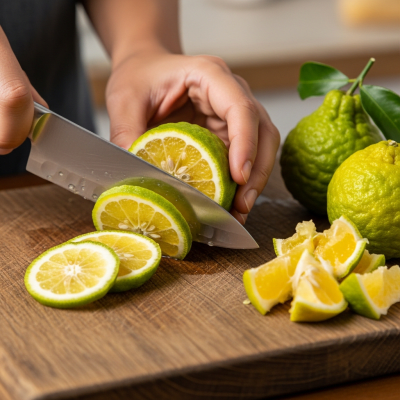
Bergamot orange is primarily cultivated for its highly aromatic rind, from which essential oil is extracted. This oil flavors Earl Grey tea, perfumes, and Italian liqueurs. The fruit’s sour and bitter flesh limits fresh consumption, though it is occasionally used in marmalades and candied peel, especially in southern Italian cuisine.
Bring this kind into your world illustrated posters, mugs, and shirts.
Archival print, museum-grade paper
Buy Poster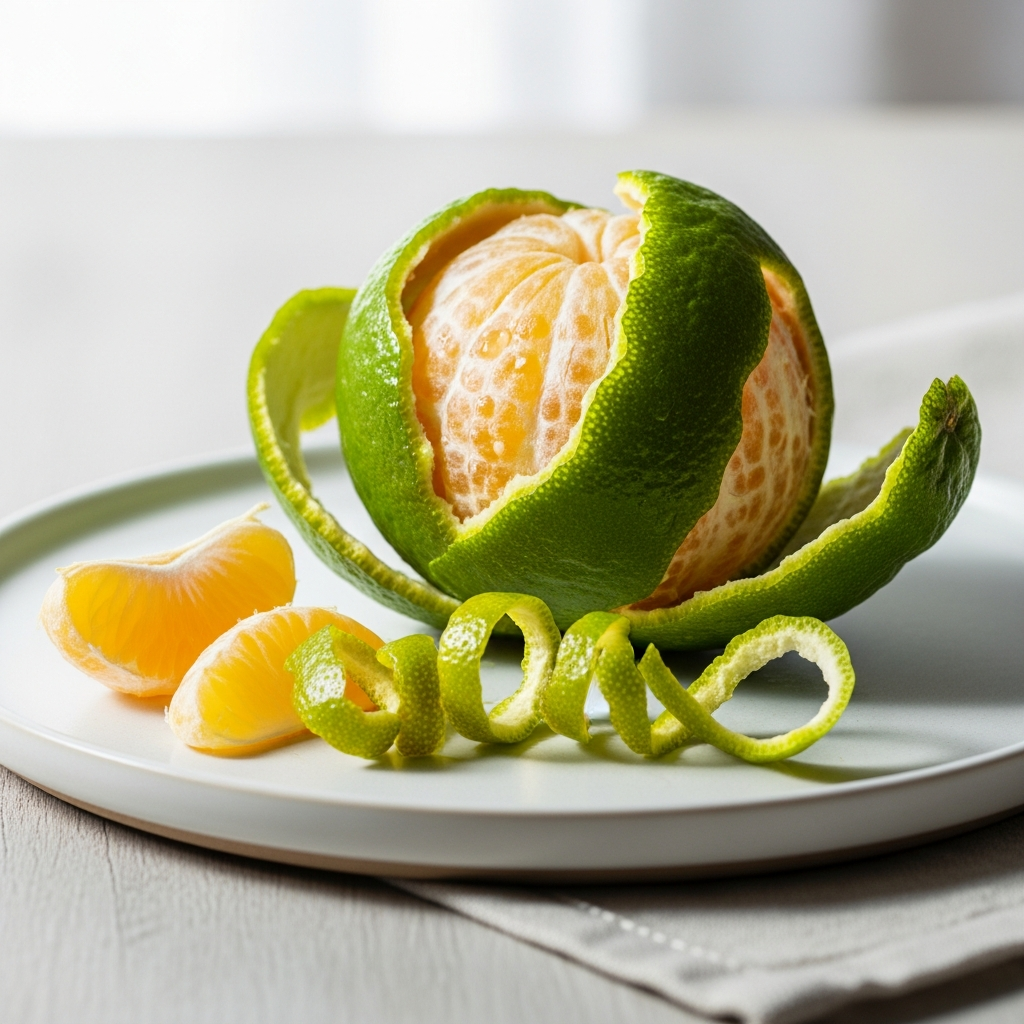
Stoneware mug, dishwasher safe
Buy Mug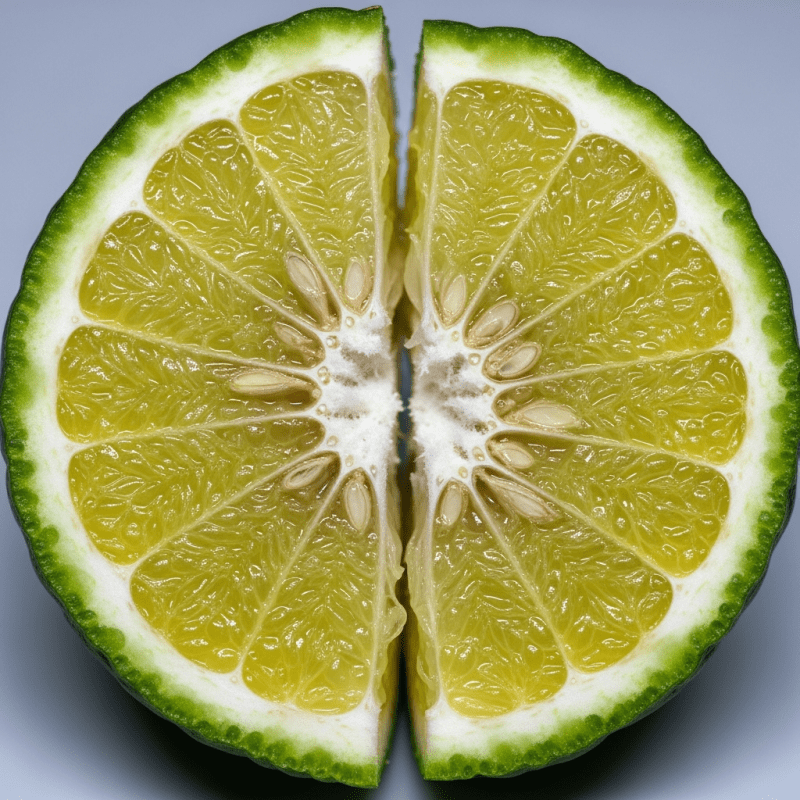
Soft cotton tee, unisex sizes
Buy ShirtClosely tied to Calabria’s identity, Bergamot orange is celebrated for its essential oil, a defining ingredient of Earl Grey tea and classic European perfumes like eau de Cologne. Its distinct aroma has made it a symbol of refined flavoring and artisanal craftsmanship in Mediterranean culture.
🌱 Bergamot orange trees thrive in subtropical, coastal climates with protection from cold and strong winds. They require moderate yields and careful monitoring for fungal diseases like Phytophthora and canker. Planting in well-drained soil and providing shelter can improve tree health and fruit quality.
🍊 While Bergamot orange is not commonly consumed fresh, its essential oil is valued for aromatherapeutic properties, including stress relief and mood enhancement. The fruit’s bitter compounds may also support digestive health when used in traditional remedies.
Bergamot orange itself is a distinct cultivar without widely recognized subtypes. It stands apart from sweet oranges and bitter oranges, maintaining a unique niche as a specialty citrus primarily grown in Calabria.
🗓️ Harvest occurs from November to March when fruits reach full aromatic maturity. Due to its thin rind and high oil content, Bergamot orange has limited storage life and should be processed promptly after picking to preserve essential oil quality. Gentle handling minimizes damage and oil loss.