Pineapple Orange
The Pineapple orange is a sweet orange cultivar known for its juicy, aromatic fruit with a distinctive pineapple-like flavor.
The Pineapple orange is a sweet orange cultivar known for its juicy, aromatic fruit with a distinctive pineapple-like flavor.
Originating in late 19th century Florida, United States, the Pineapple orange emerged as a chance seedling from sweet orange introductions in the region. Though its exact breeder remains unknown, it gained recognition and widespread planting in Florida groves by the early 20th century.
The Pineapple orange belongs to the species Citrus sinensis, commonly known as sweet orange. It is classified within the broader orange family, distinct from mandarins and bitter oranges, and is recognized as a unique cultivar prized for its flavor and aroma.
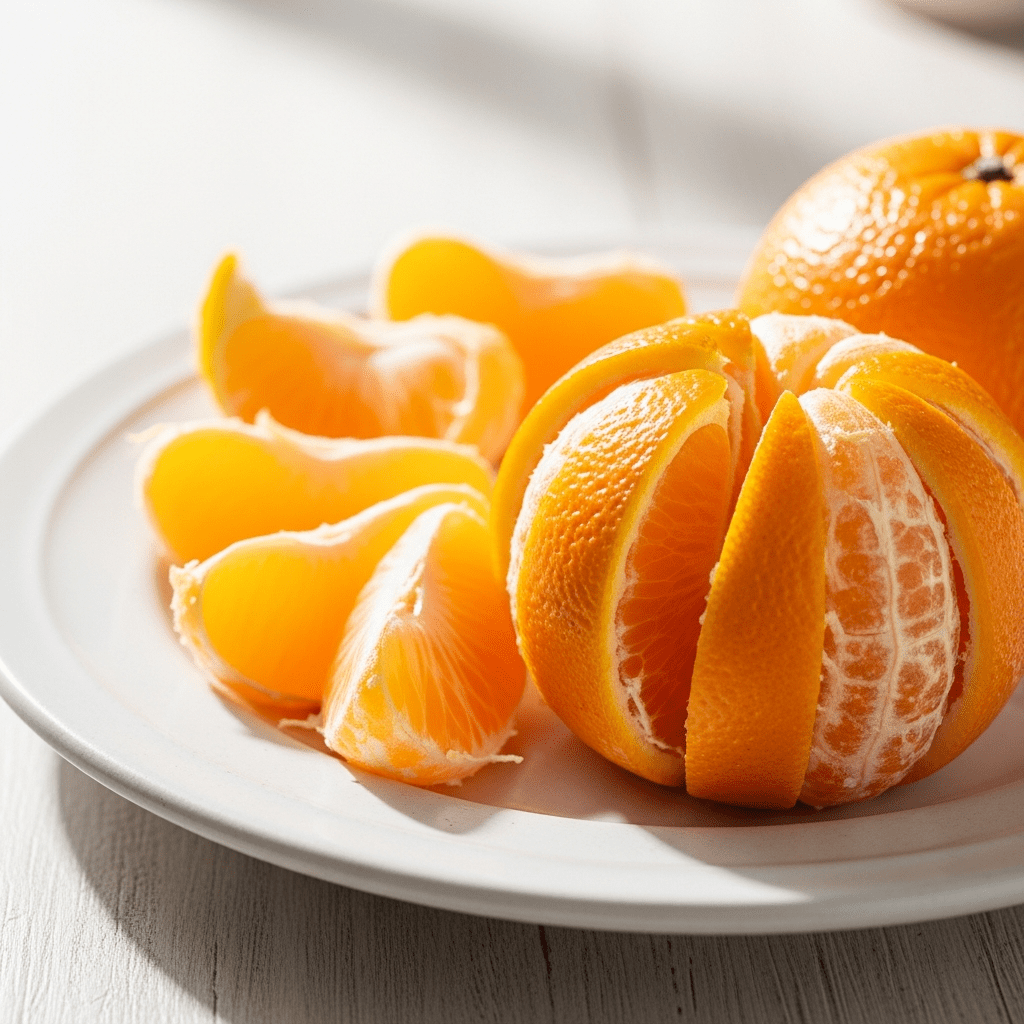
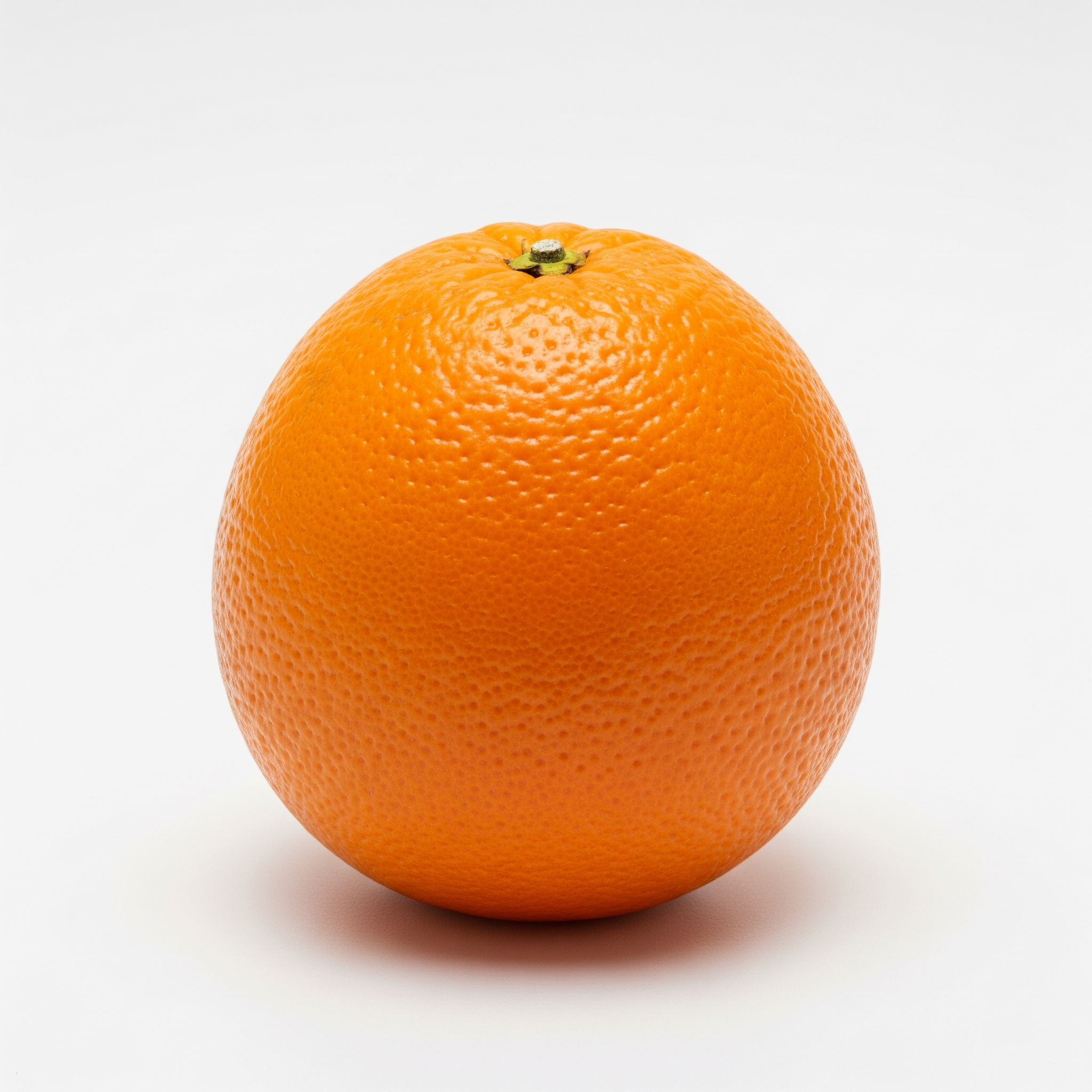
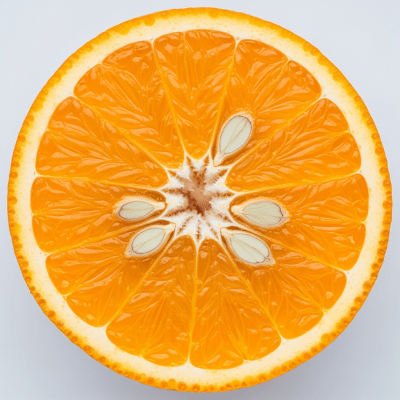
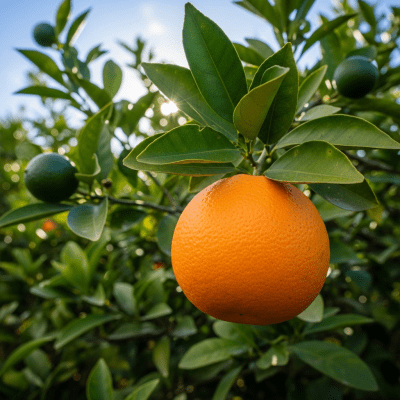
This cultivar produces medium-sized, slightly oval fruit measuring 6 to 8 centimeters in diameter. The rind is a bright orange with a moderately pebbled texture that becomes relatively thin and easy to peel when fully mature. Inside, the deep orange flesh is juicy and aromatic, containing 10 to 20 seeds per fruit. The Pineapple orange tree is medium to large, vigorous, and upright, featuring dense, dark green foliage and a rounded canopy.
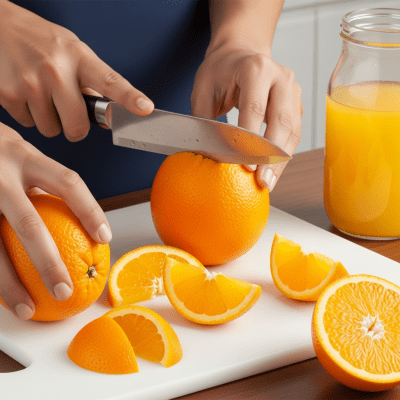
Primarily enjoyed fresh for its juicy and flavorful flesh, the Pineapple orange has also been used in juice blends. Its aromatic sweet-tart balance with a unique pineapple note makes it a favored choice in local markets and specialty citrus collections, though it is now rare in large-scale commercial production.
Bring this kind into your world illustrated posters, mugs, and shirts.
Archival print, museum-grade paper
Buy Poster
Stoneware mug, dishwasher safe
Buy Mug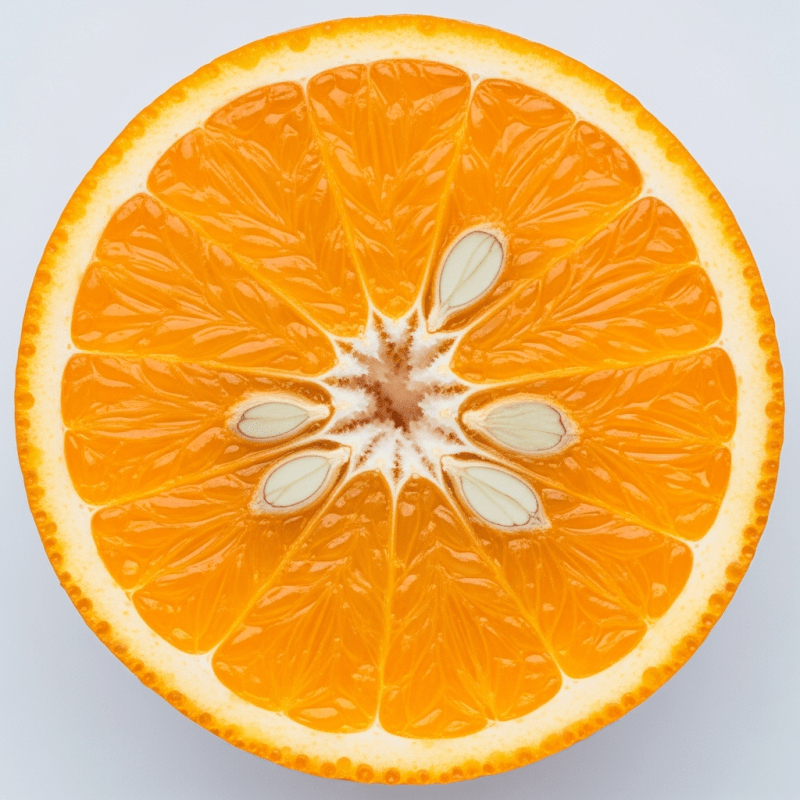
Soft cotton tee, unisex sizes
Buy ShirtOnce a leading commercial variety in Florida's citrus industry, the Pineapple orange holds historical importance as a favored juice and fresh-eating orange. Its distinctive flavor has earned it a place in regional citrus heritage, though it has largely been supplanted by newer cultivars in modern agriculture.
🌱 The Pineapple orange thrives in subtropical climates like Florida's. It requires protection from cold, as it has only moderate cold resistance. Growers should monitor for diseases such as Alternaria brown spot, citrus canker, and citrus tristeza virus. Harvest fruit at peak maturity to avoid splitting and granulation, and maintain moderate productivity through balanced fertilization and irrigation.

🍊 Rich in vitamin C and antioxidants, the Pineapple orange supports immune health and skin vitality. Its juicy flesh provides hydration and dietary fiber, promoting digestive wellness. The fruit’s natural sweetness and aromatic compounds also contribute to a refreshing and satisfying eating experience.
While the Pineapple orange itself is a distinct cultivar, it belongs to the broader family of sweet oranges that includes well-known varieties such as Navel, Valencia, and Blood oranges. Each offers unique flavor profiles and uses, with Pineapple standing out for its aromatic pineapple-like notes.
🗃️ Harvest Pineapple oranges between January and March when fully ripe for optimal flavor and peelability. The fruit holds well on the tree but should be picked before overmaturity to prevent splitting and granulation. Store in cool, ventilated conditions to maintain freshness, though the variety has a moderate shelf life and is less suited for long-term storage or export.