Blood Orange
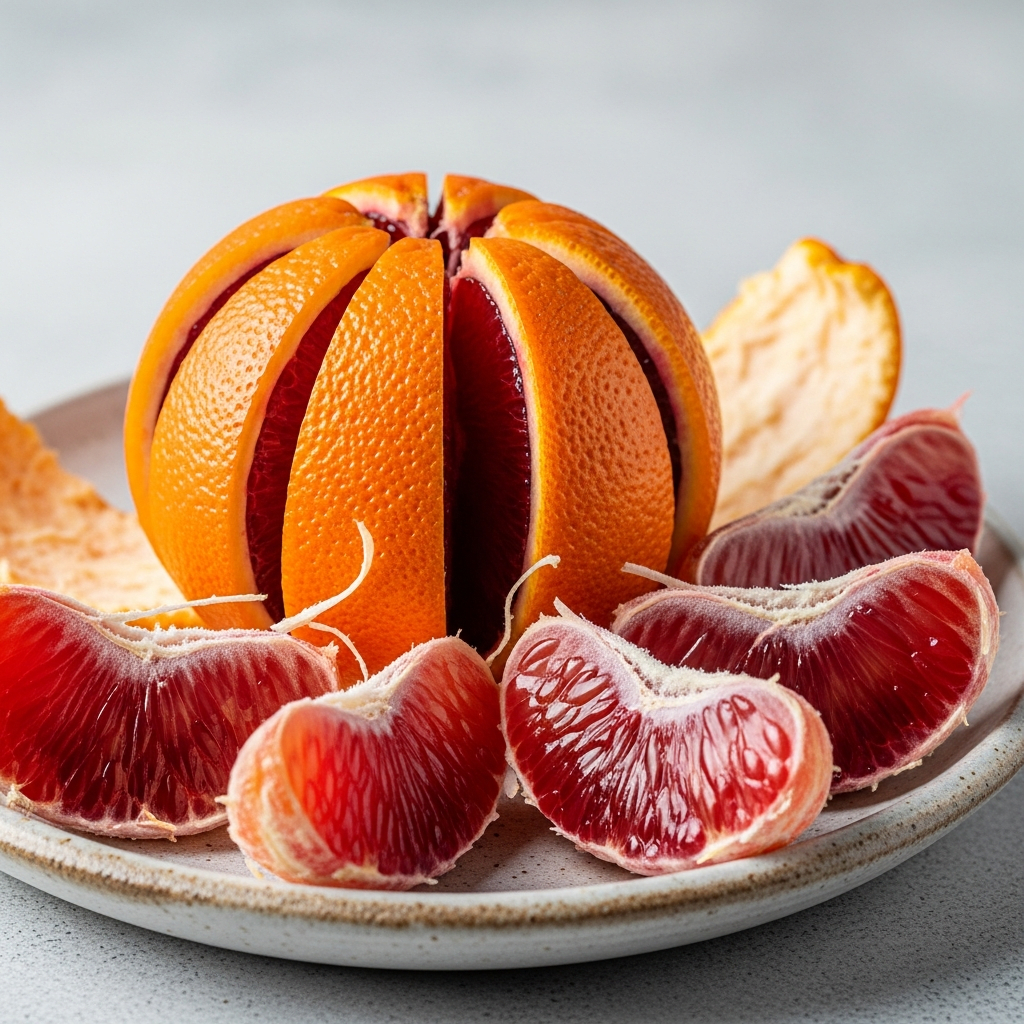
Blood orange is a unique variety of sweet orange (Citrus sinensis) distinguished by its deep red to maroon flesh and distinctive berry-like flavor notes.
Blood orange is a unique variety of sweet orange (Citrus sinensis) distinguished by its deep red to maroon flesh and distinctive berry-like flavor notes.
Originating in the Mediterranean region, particularly Sicily, Italy, blood oranges emerged as natural mutations of sweet orange in the 18th century. Their striking red pigmentation, due to anthocyanins, likely developed spontaneously without formal breeding, with key cultivars like 'Moro' and 'Tarocco' tracing back to Sicily and 'Sanguinello' discovered in Spain in 1929.
Blood oranges belong to the sweet orange species Citrus sinensis and are classified as a group of cultivars characterized by anthocyanin-rich flesh. They are a subset of oranges distinguished by their pigmentation and flavor, alongside other commercial varieties such as Navel and Valencia oranges.
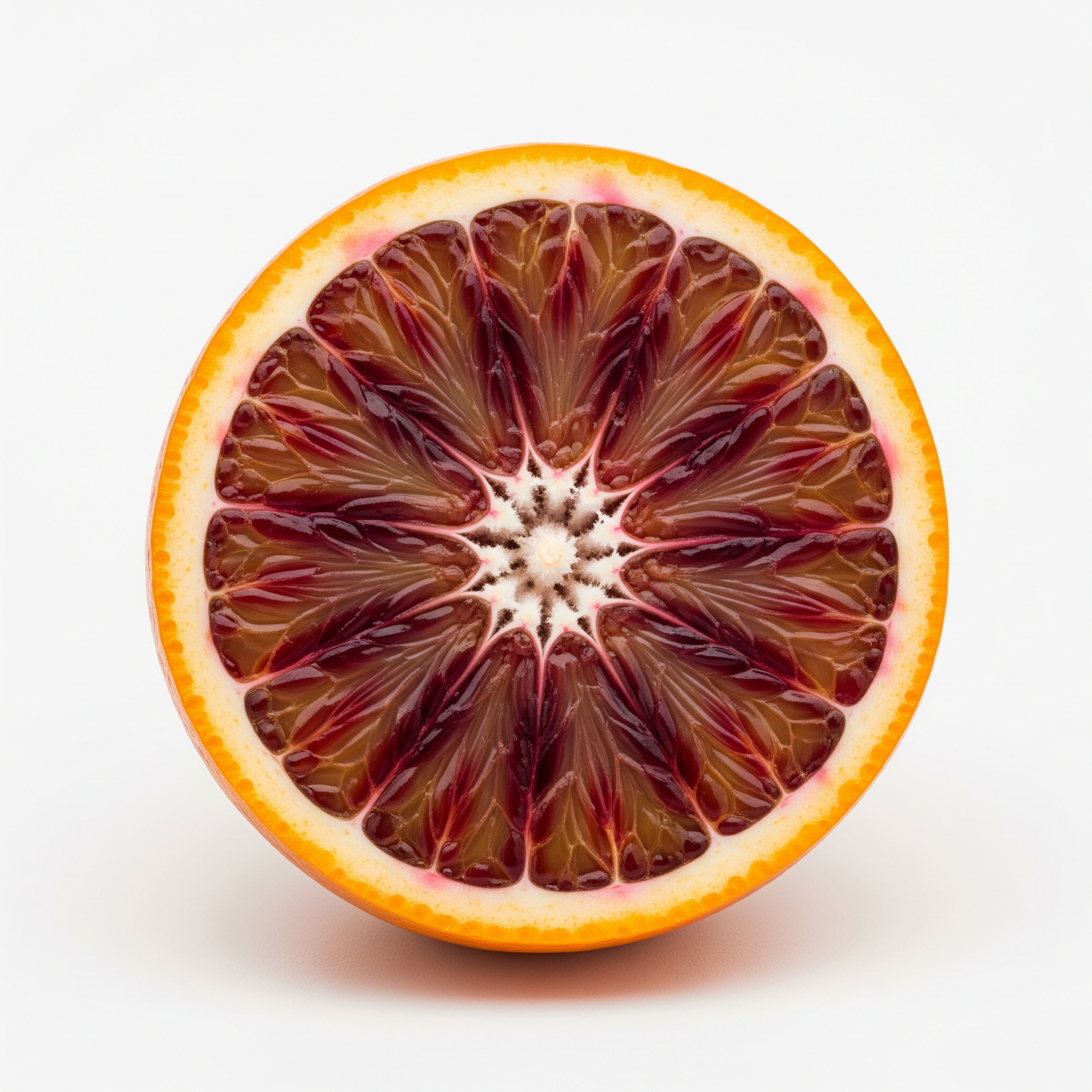
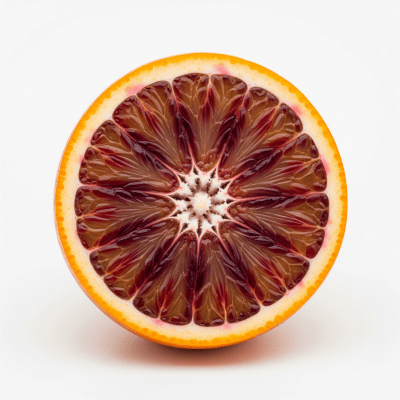
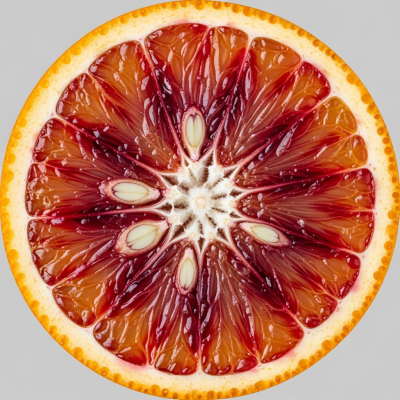
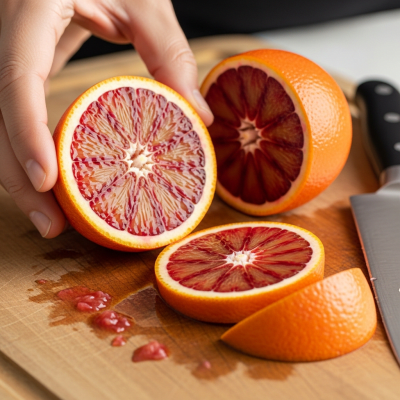
Blood oranges are medium-sized, typically round fruits measuring 6 to 9 centimeters in diameter. Their rind is orange with a red blush, smooth to moderately pebbled in texture. Inside, the flesh ranges from streaked orange-red to deep crimson or maroon, juicy and marked by anthocyanin pigments that give it a vivid, blood-like color.
Primarily enjoyed fresh, blood oranges are also prized for their richly colored juice and unique flavor—a blend of orange with raspberry and strawberry undertones. They are used in beverages, desserts, sauces, and marmalades, serving both culinary and commercial purposes across global markets.
Bring this kind into your world illustrated posters, mugs, and shirts.
Archival print, museum-grade paper
Buy Poster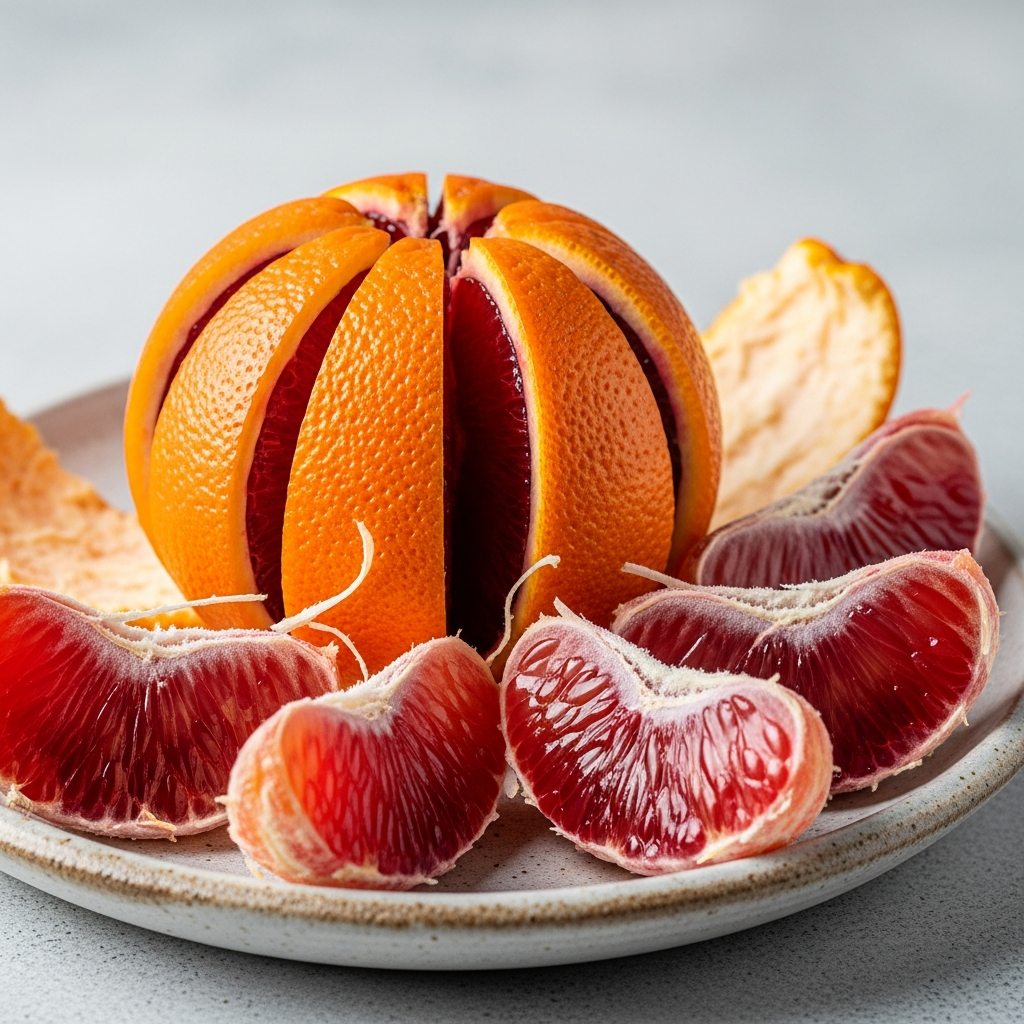
Stoneware mug, dishwasher safe
Buy Mug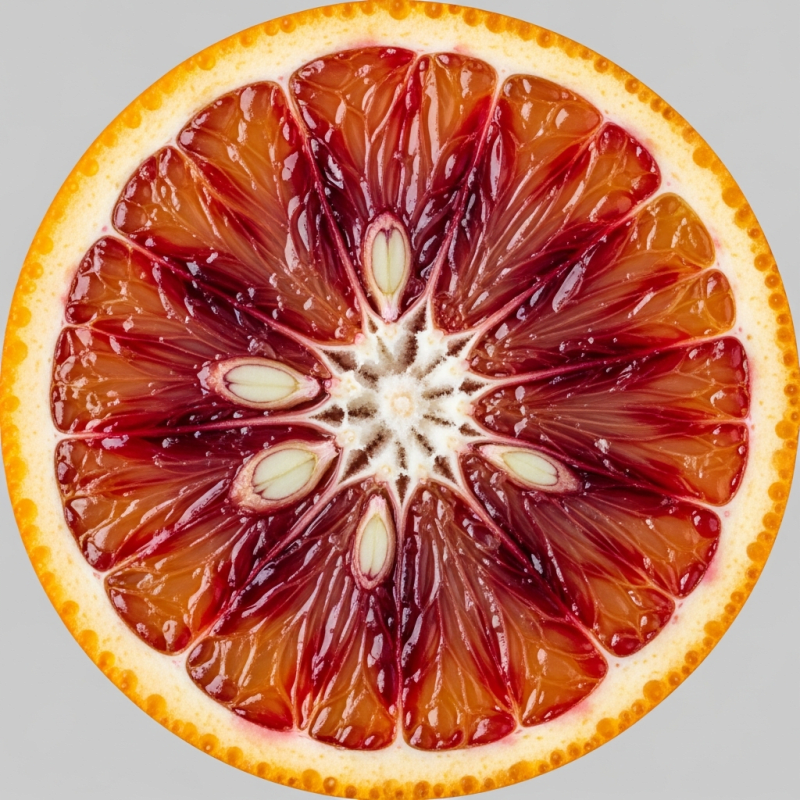
Soft cotton tee, unisex sizes
Buy ShirtBlood oranges hold cultural importance in Mediterranean cuisine and traditions, especially in Sicily and Spain. Their striking color and flavor have inspired culinary creativity and premium fruit marketing, symbolizing both natural beauty and regional heritage in art and gastronomy.
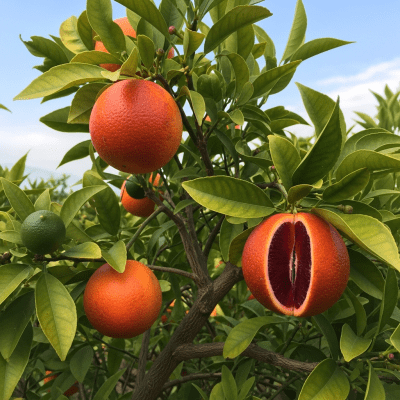
Blood oranges thrive in Mediterranean climates with warm days and cool nights, which promote anthocyanin development. Plant them in well-drained soil with full sun exposure. Regular watering and protection from frost enhance fruit quality. Monitor for common citrus diseases like greening, and prune to maintain tree vigor and airflow.
Rich in vitamin C, dietary fiber, and antioxidants, blood oranges support immune health and combat oxidative stress. Their anthocyanins contribute anti-inflammatory properties, while the juicy flesh aids hydration and digestion, making them a nutritious and flavorful addition to a balanced diet.
Key blood orange cultivars include:
Harvest blood oranges when fully colored and firm, typically between December and April. Handle gently to avoid bruising the delicate anthocyanin-rich flesh. Store in cool, humid conditions similar to other sweet oranges to maintain freshness, but consume relatively quickly to enjoy peak flavor and color.