Riverside Navel Orange
The Riverside Navel Orange is a seedless, sweet orange cultivar renowned for its distinctive navel and pivotal role in establishing California's citrus industry.
The Riverside Navel Orange is a seedless, sweet orange cultivar renowned for its distinctive navel and pivotal role in establishing California's citrus industry.
Originating from a single tree imported from Bahia, Brazil, in 1873, the Riverside Navel Orange was first propagated in Riverside, California, by Eliza Tibbets. This introduction marked the beginning of California's rise as a major citrus-producing region, with the variety stemming directly from the Brazilian parent stock without hybridization.
Classified botanically as Citrus sinensis, the Riverside Navel Orange is a clonal selection within the sweet orange species. It belongs to the broader family Rutaceae and is closely related to other commercial navel oranges such as the Washington Navel, sharing a common genetic lineage.
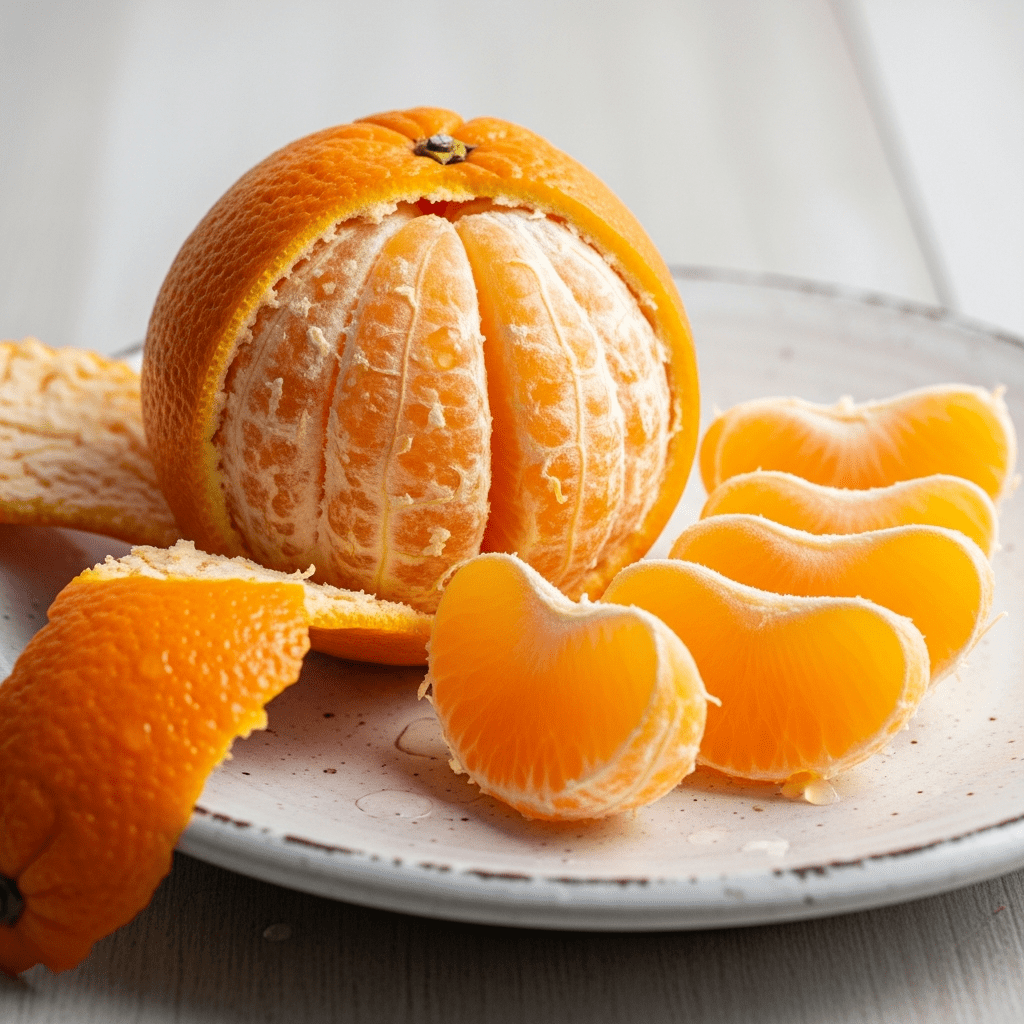
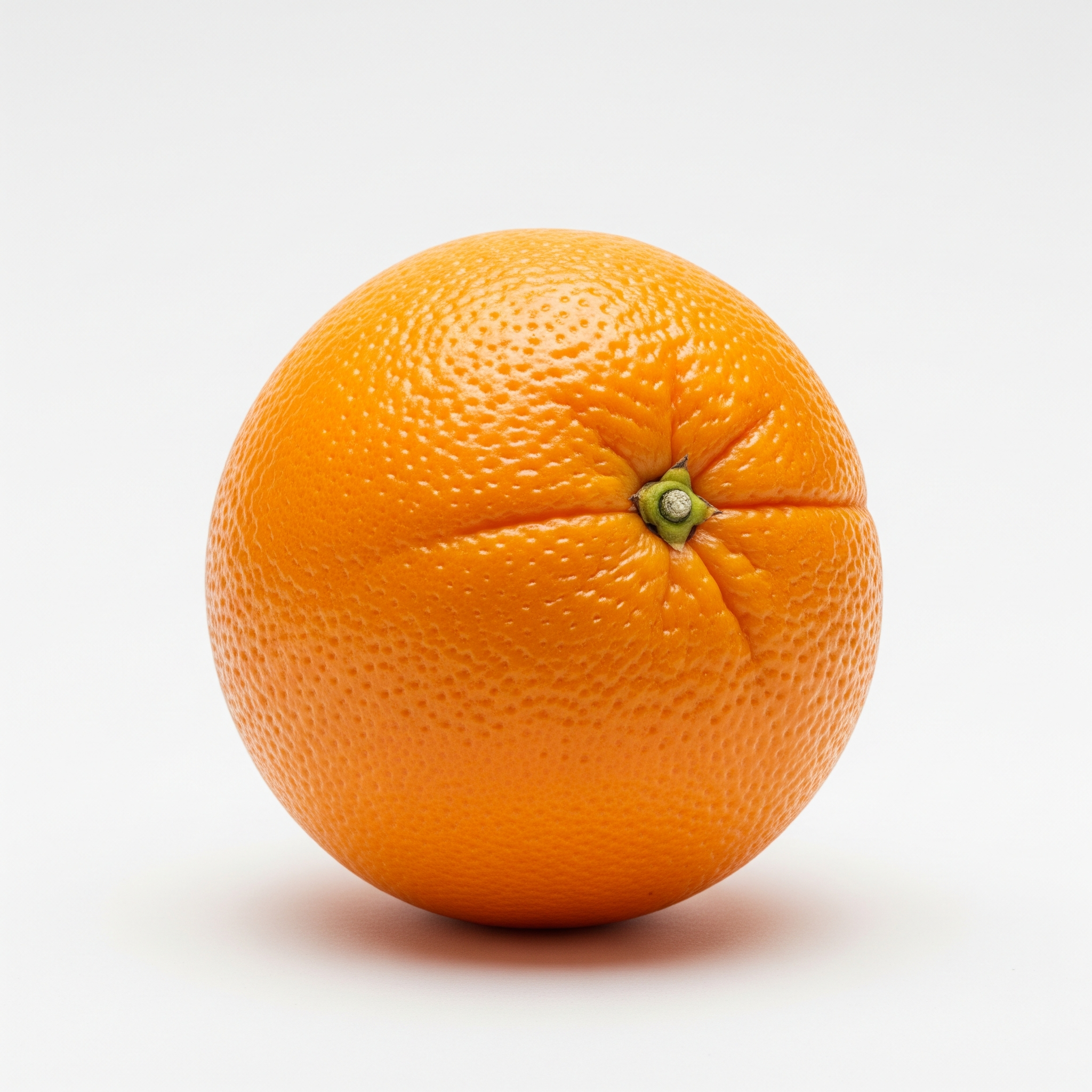
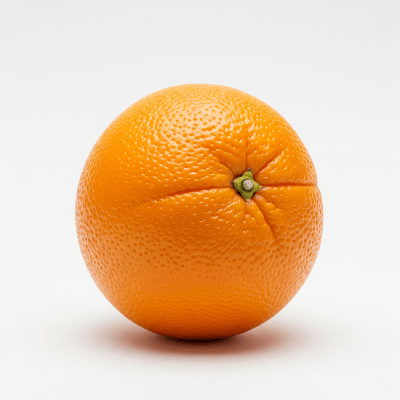
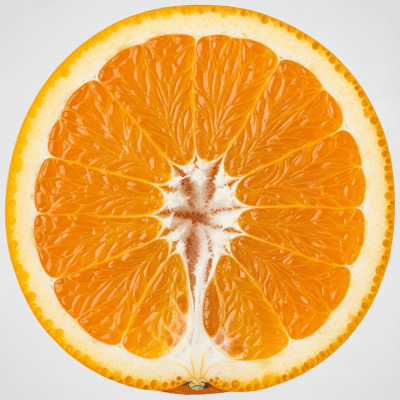
This orange typically presents medium to large, round fruit measuring 7 to 10 centimeters in diameter. Its bright orange rind is moderately thick yet easy to peel, revealing tender, juicy orange flesh with a balanced sweet-tart flavor. The fruit is seedless and distinguished by a prominent navel at the blossom end, formed by a secondary fruit. The tree itself is vigorous and medium to large in size, with dense, evergreen foliage.
Primarily cultivated for fresh eating, the Riverside Navel Orange is valued for its seedless nature, ease of peeling, and rich flavor. It is rarely used for juicing, as its juice can develop bitterness during storage. The variety thrives in retail markets, home orchards, and is often featured in gift fruit shipments and farmers’ markets, serving both culinary and cultural roles.
Bring this kind into your world illustrated posters, mugs, and shirts.
Archival print, museum-grade paper
Buy Poster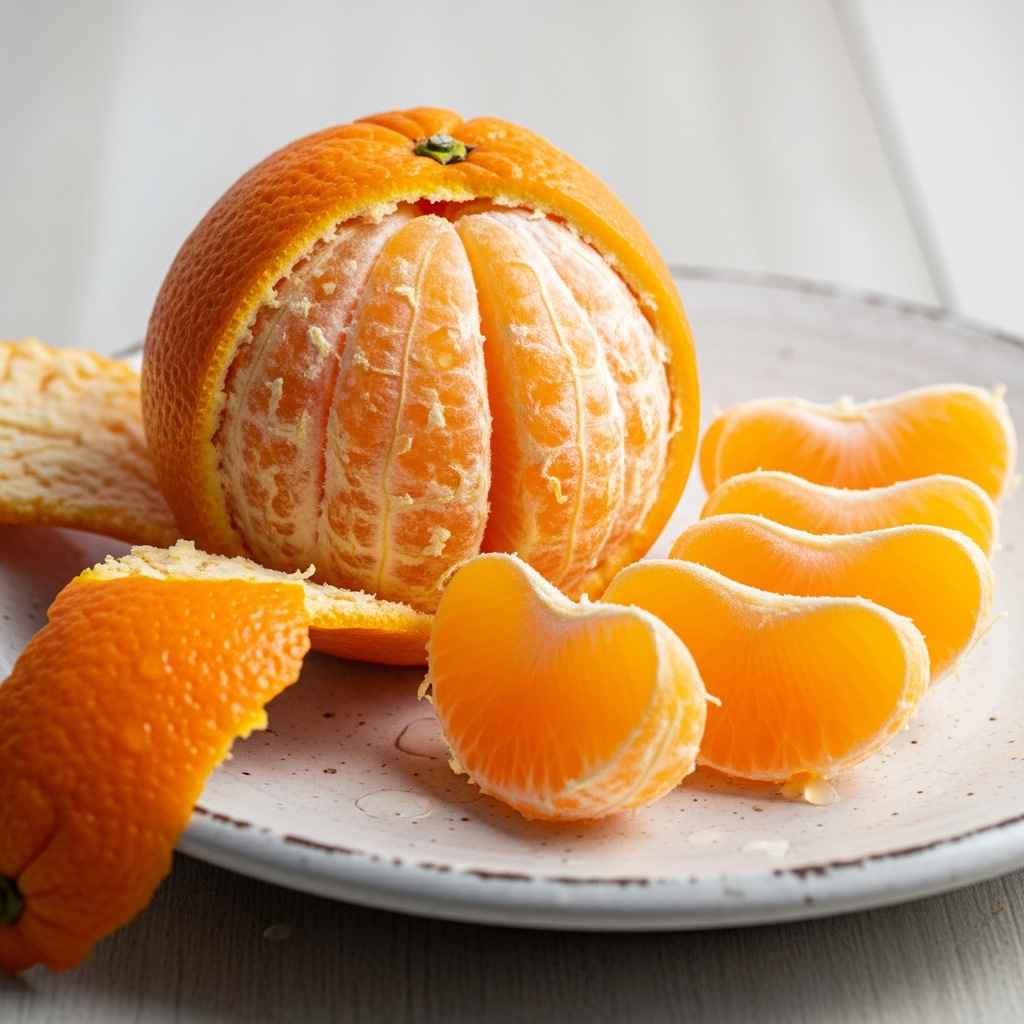
Stoneware mug, dishwasher safe
Buy Mug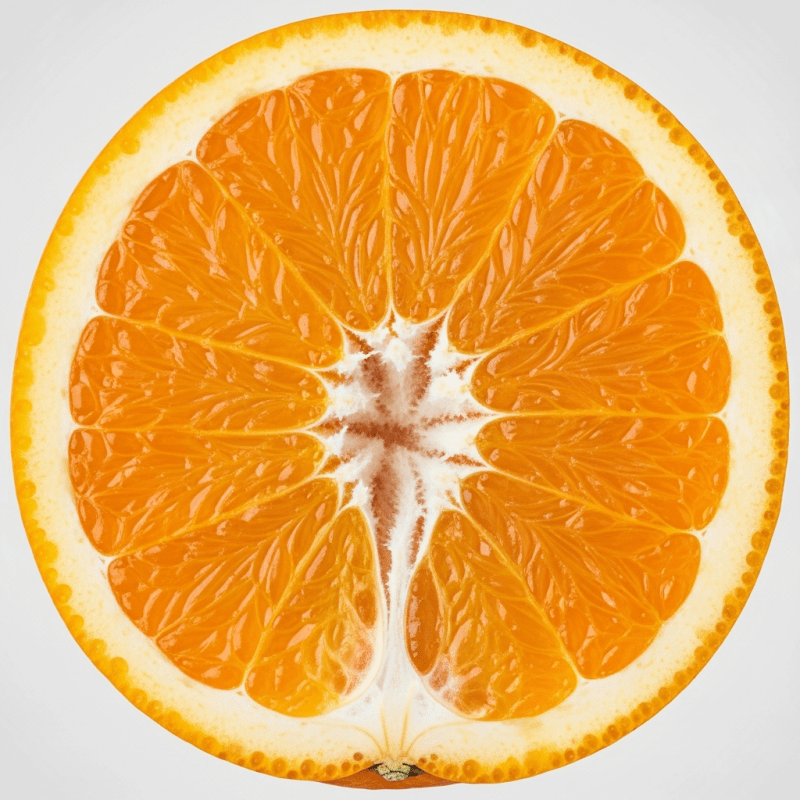
Soft cotton tee, unisex sizes
Buy ShirtThe Riverside Navel Orange holds a special place as the mother tree of California's navel orange industry, symbolizing the agricultural heritage and economic development of the region. Its introduction sparked a citrus boom that shaped local culture, commerce, and identity, often celebrated in festivals and regional history.
🌱 To cultivate Riverside Navel Oranges successfully, plant them in well-drained soil with full sun exposure. They prefer moderate climates with some cold tolerance but are sensitive to high humidity. Regular irrigation and careful monitoring for diseases like Phytophthora root rot and citrus tristeza virus are essential. Prune to maintain tree vigor and ensure good air circulation to reduce fungal risks.


🍊 Riverside Navel Oranges offer a rich source of vitamin C and antioxidants, supporting immune health and skin vitality. Their tender, juicy flesh provides hydration and dietary fiber, promoting digestive wellness. The balanced sweet-tart flavor makes them a refreshing, nutrient-dense snack.
Among navel oranges, the Riverside Navel is closely related to the Washington Navel, often used interchangeably in commerce. Other popular sweet orange varieties include Valencia, known for juicing, and blood oranges, prized for their distinctive red flesh and flavor.
🗓️ Harvest Riverside Navel Oranges from November through April, picking fruit when fully colored and firm. The fruit holds well on the tree but should be stored in cool, dry conditions to maintain quality. Avoid prolonged storage to prevent loss of flavor and juiciness. Gentle handling preserves the easy-to-peel rind and fresh appearance.