Chislett Navel Orange
The Chislett Navel Orange is a late-season sweet orange cultivar prized for its seedless, easy-to-peel fruit and extended harvest period, making it a favored choice for fresh consumption and export.
The Chislett Navel Orange is a late-season sweet orange cultivar prized for its seedless, easy-to-peel fruit and extended harvest period, making it a favored choice for fresh consumption and export.
Originating in Australia, the Chislett Navel Orange was selected by the Chislett family in Victoria as a bud sport of the Washington Navel Orange. Discovered in the late 20th century, it was chosen for its late ripening and excellent fruit retention, allowing growers to extend the harvest season well into late autumn and winter.
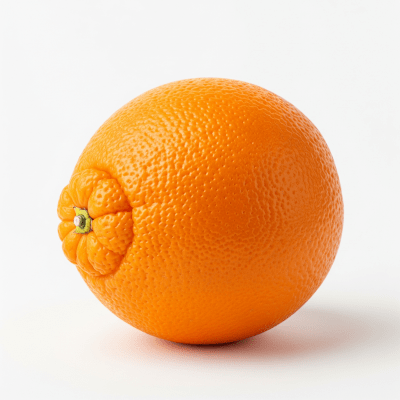
Belonging to the species Citrus sinensis, the Chislett Navel Orange is a cultivar within the sweet orange family. It is classified as a navel orange, a group known for their distinctive seedless fruit with a characteristic "navel" formation at the blossom end.
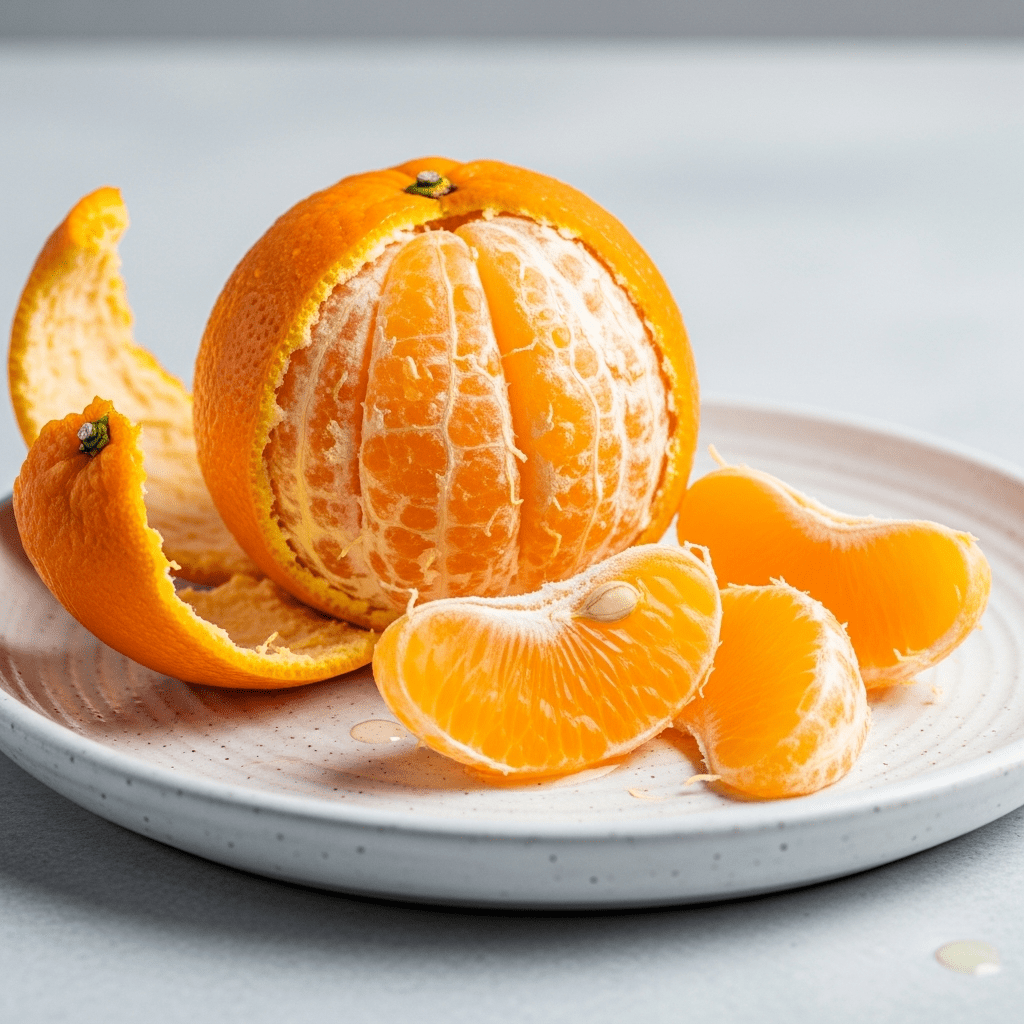
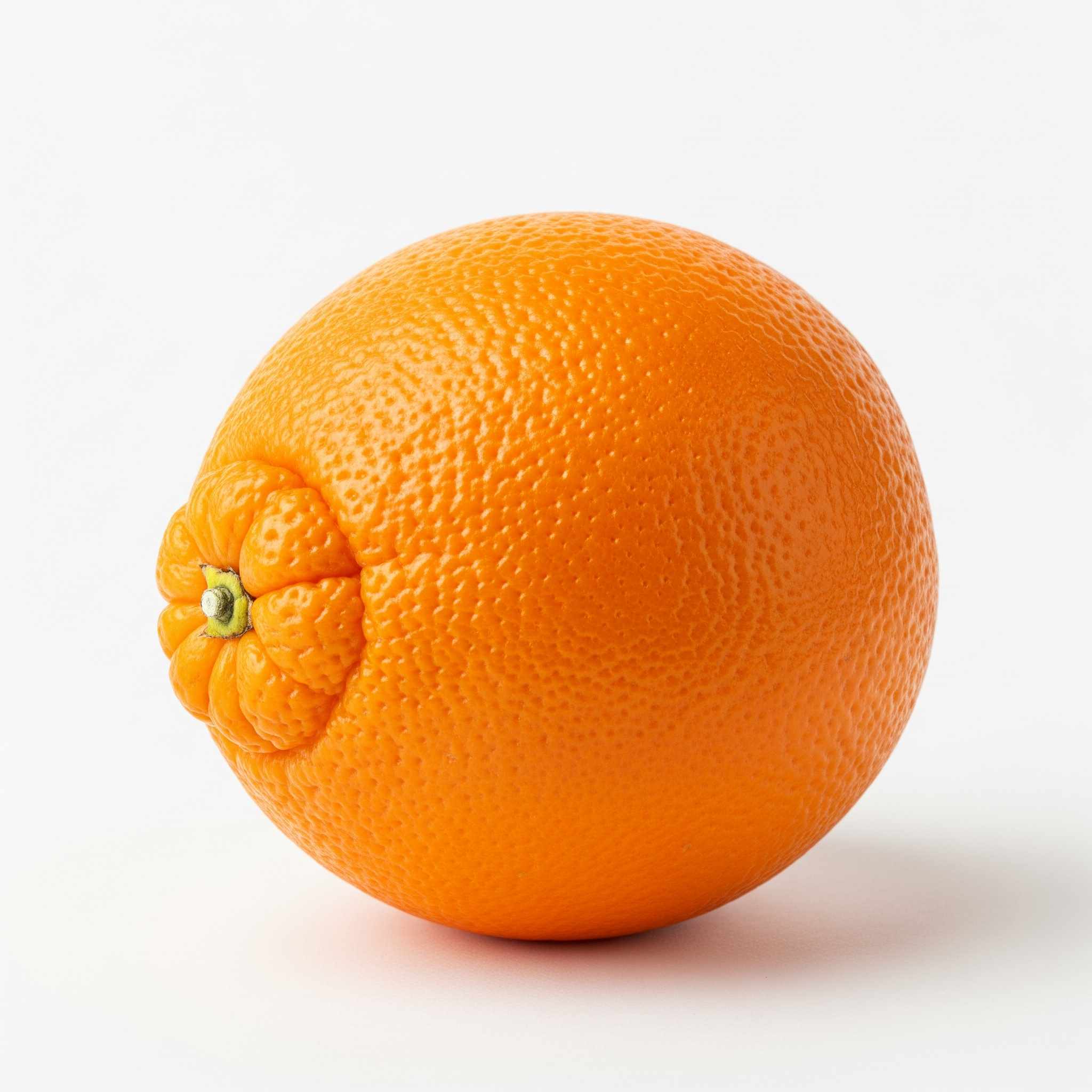
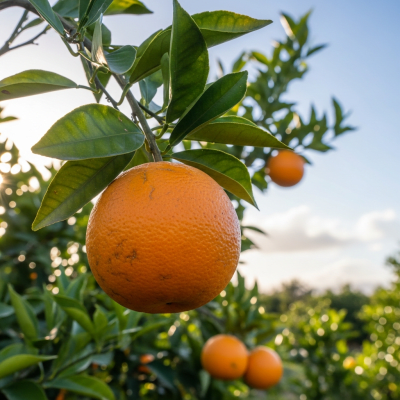
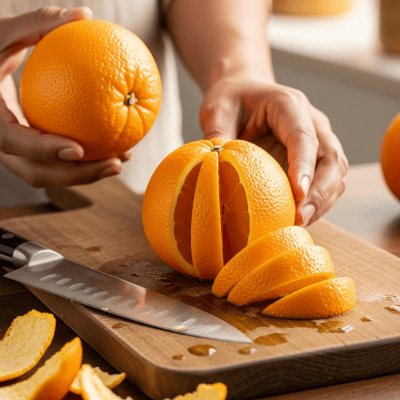
The fruit of the Chislett Navel Orange is medium to large, slightly oval in shape, and boasts a bright orange rind that is moderately thick yet easy to peel. The flesh is tender, juicy, and sweet with a balanced acidity, typical of classic orange coloration. The tree itself is vigorous and upright, featuring a dense canopy that supports healthy fruit production.
Primarily enjoyed fresh, the Chislett Navel Orange is valued for its seedless nature, sweetness, and ease of peeling. It is commonly consumed as a snack, incorporated into salads and desserts, or used as a garnish. Its extended harvest season allows it to fill late-season market demand when other navel varieties are no longer available.
Bring this kind into your world illustrated posters, mugs, and shirts.
Archival print, museum-grade paper
Buy Poster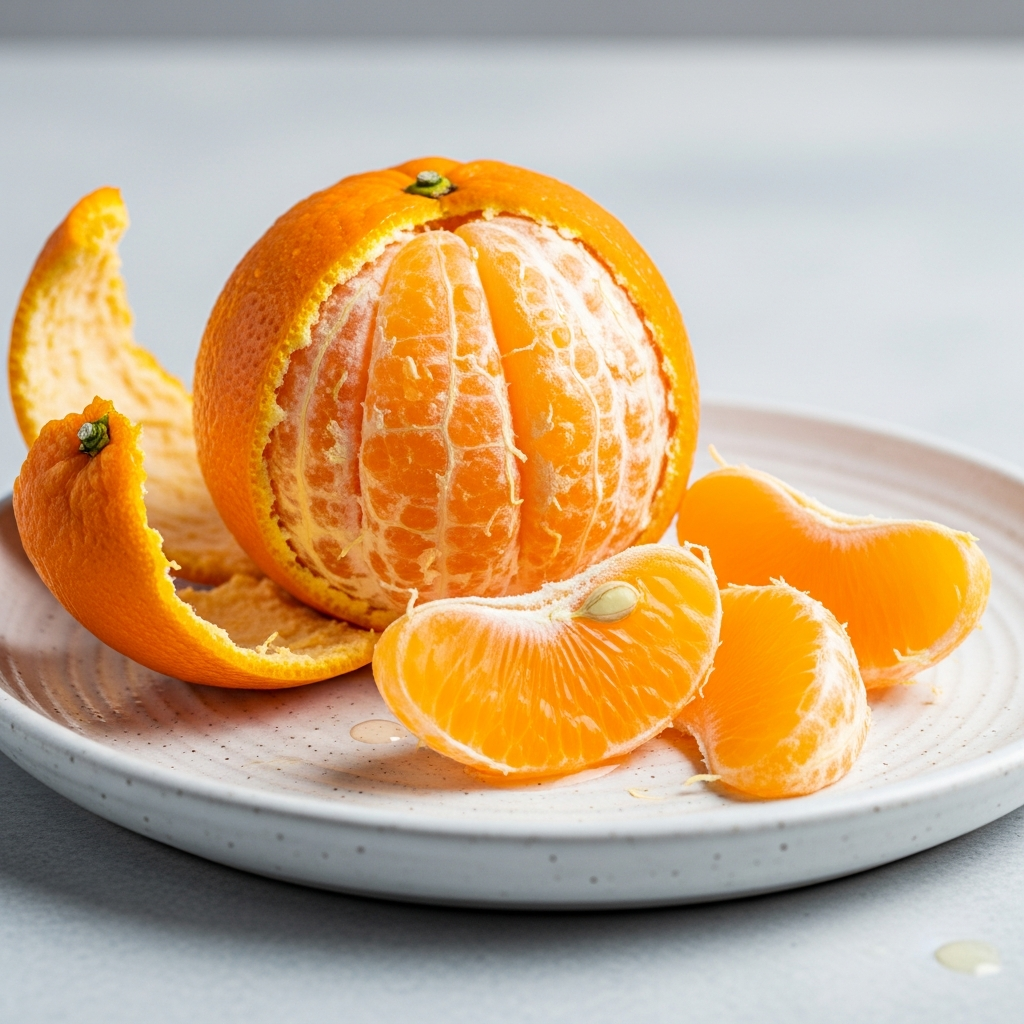
Stoneware mug, dishwasher safe
Buy Mug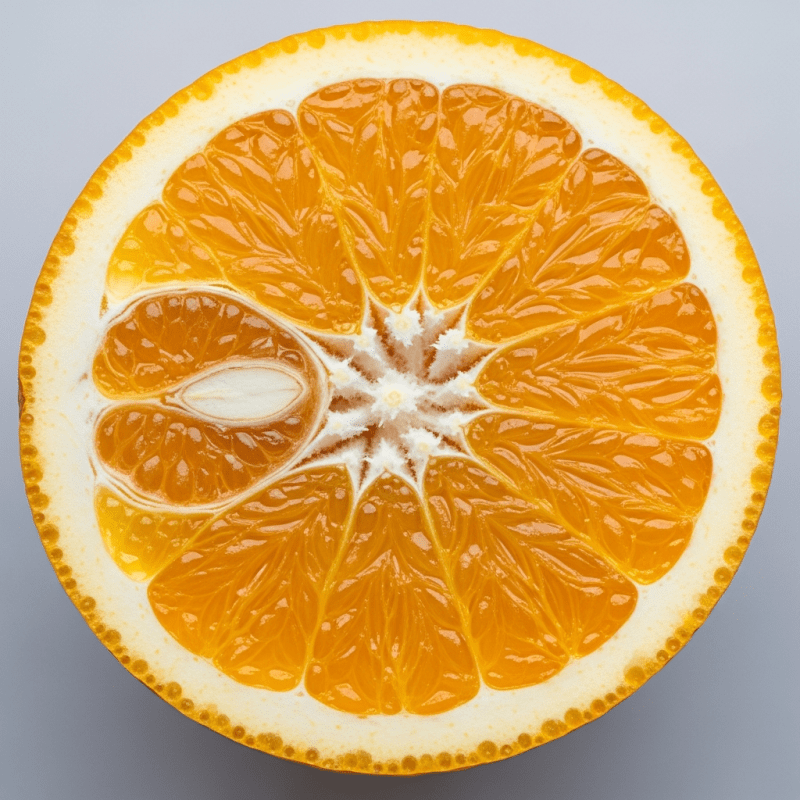
Soft cotton tee, unisex sizes
Buy ShirtWhile not historically prominent in art or myth, the Chislett Navel Orange holds cultural significance in Australian agriculture and export markets as a reliable late-season cultivar. It represents innovation in citrus breeding and contributes to the region's reputation for high-quality fresh fruit production.
To cultivate Chislett Navel Oranges successfully, plant trees in well-drained soil with full sun exposure. They thrive under conditions typical for sweet oranges and benefit from regular irrigation during dry periods. Monitor for common citrus pests and diseases, maintaining good canopy airflow to reduce risks. Their late maturation requires planning harvests from late autumn into winter, ensuring fruit is picked at peak sweetness and firmness.

Rich in vitamin C and antioxidants, Chislett Navel Oranges support immune health and skin vitality. Their natural sweetness and balanced acidity provide a refreshing source of hydration and dietary fiber, aiding digestion and overall wellness.
Within the navel orange group, popular varieties include the Washington Navel, the parent of Chislett, as well as the Cara Cara and Lane Late navels. The Chislett stands out for its late-season harvest and excellent fruit retention, complementing these well-known cultivars in fresh fruit markets.
Harvest Chislett Navel Oranges from late autumn through winter, carefully selecting fruit that is fully colored and firm. Thanks to their thick yet easy-to-peel rind and seedless flesh, they handle picking and transport well. Store harvested fruit in cool, humid conditions to preserve freshness and extend shelf life, supporting their suitability for export and long-distance distribution.