Washington Navel Orange
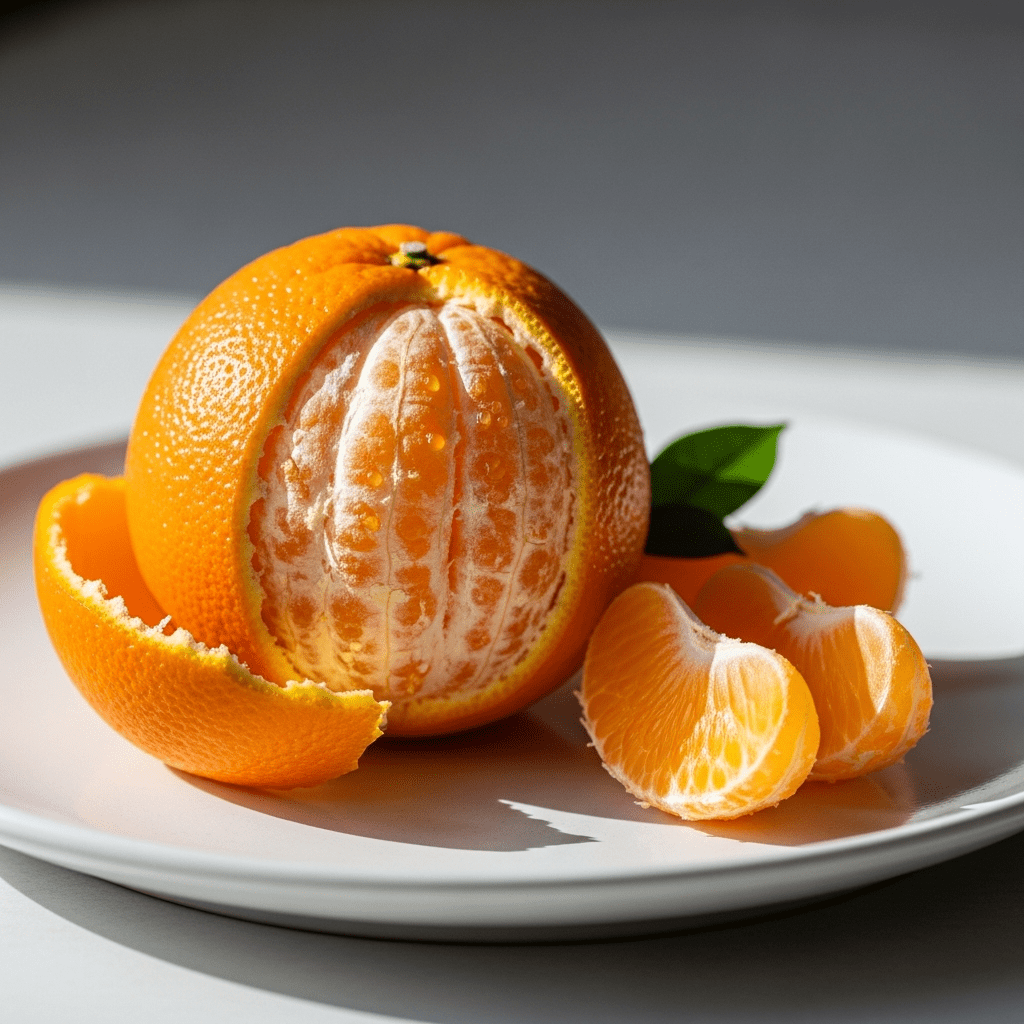
The Washington Navel Orange is a seedless, sweet orange variety famed for its distinctive navel-like formation at the blossom end and prized worldwide for fresh eating.
The Washington Navel Orange is a seedless, sweet orange variety famed for its distinctive navel-like formation at the blossom end and prized worldwide for fresh eating.
Originating from a spontaneous mutation discovered in Bahia, Brazil, in the early 19th century, the Washington Navel Orange was introduced to the United States in 1870. The USDA distributed cuttings to California, where Eliza Tibbets planted them in Riverside in 1873, sparking the growth of California's citrus industry. This variety is a clone propagated vegetatively from that original mutation.
Classified botanically as Citrus sinensis, the Washington Navel Orange belongs to the sweet orange group. It is a cultivar distinguished by its seedless fruit and unique secondary fruit formation, a bud sport mutation within the species. It sits within the broader family Rutaceae and genus Citrus, alongside other commercial oranges like Valencia and blood oranges.
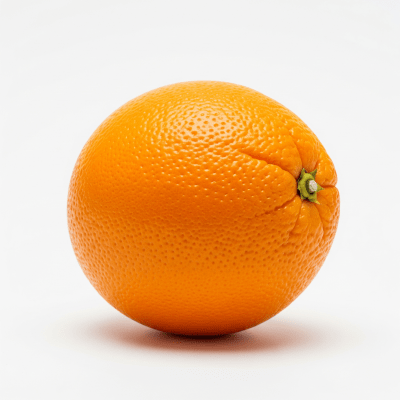
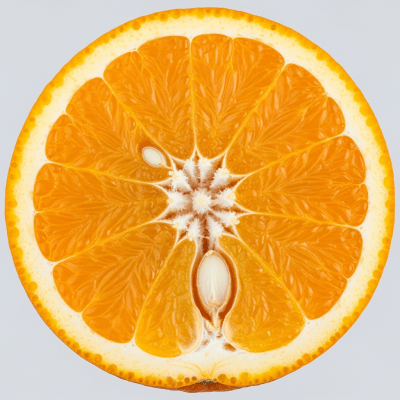
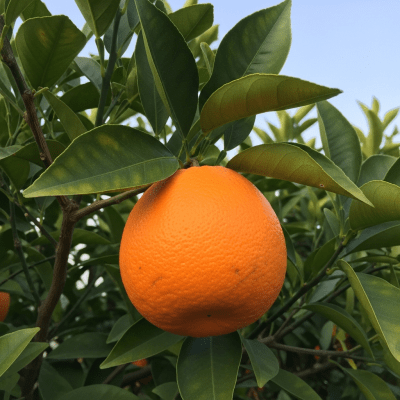
The fruit is medium to large, typically 6 to 8 centimeters in diameter, with a round shape and bright orange rind that is thick yet easy to peel. Its hallmark is the navel—a small, button-like secondary fruit at the blossom end. Inside, the flesh is deep orange, tender, juicy, and completely seedless. The tree itself is medium to large, vigorous, and upright, adorned with dense, dark green foliage.
Primarily enjoyed fresh, Washington Navel Oranges are favored for their sweet, rich flavor and ease of peeling. They are rarely used for juicing due to the juice’s tendency toward bitterness and quick spoilage. This variety thrives in retail markets across North America, Europe, and Australia, commonly eaten out of hand or incorporated into salads and desserts.
Bring this kind into your world illustrated posters, mugs, and shirts.
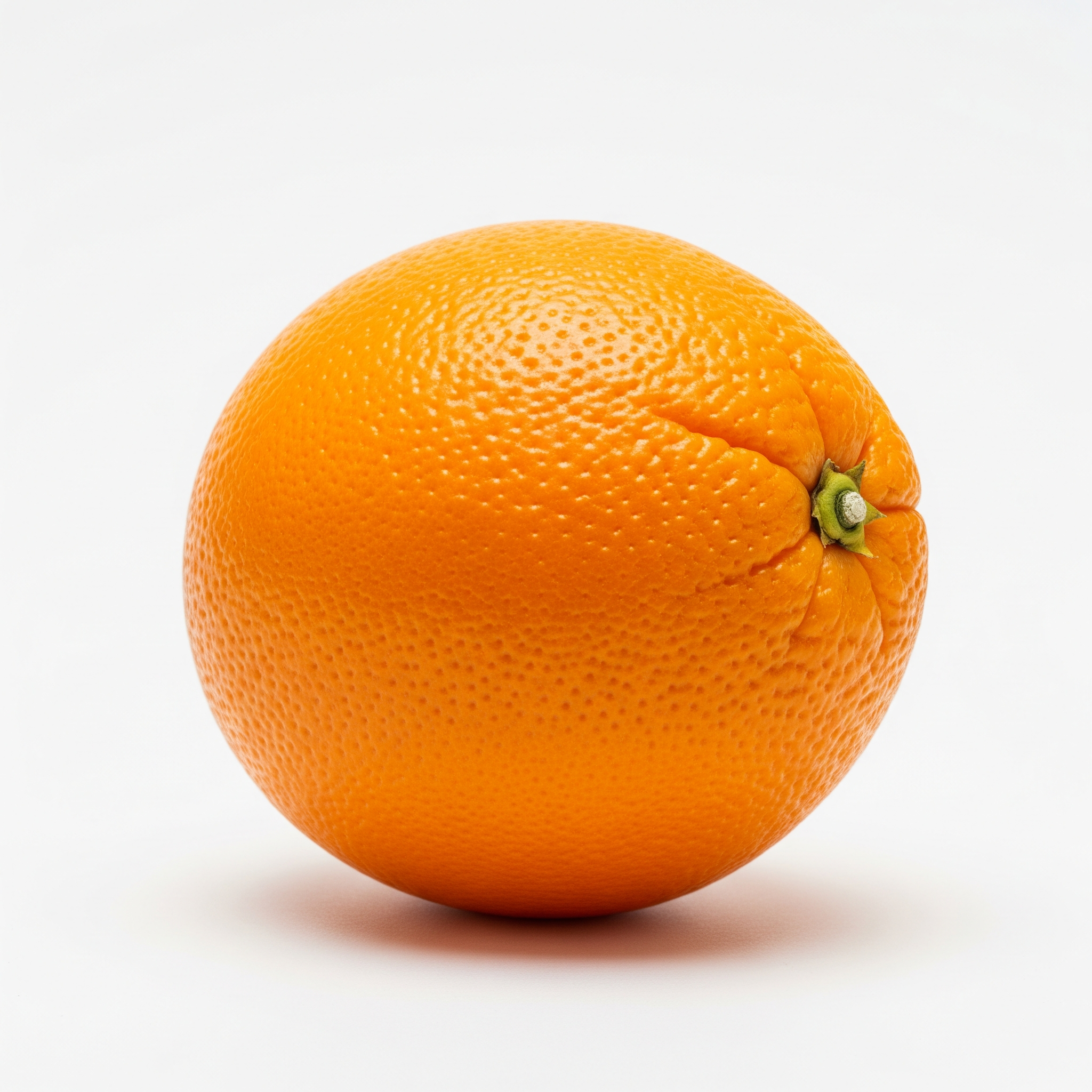
Archival print, museum-grade paper
Buy Poster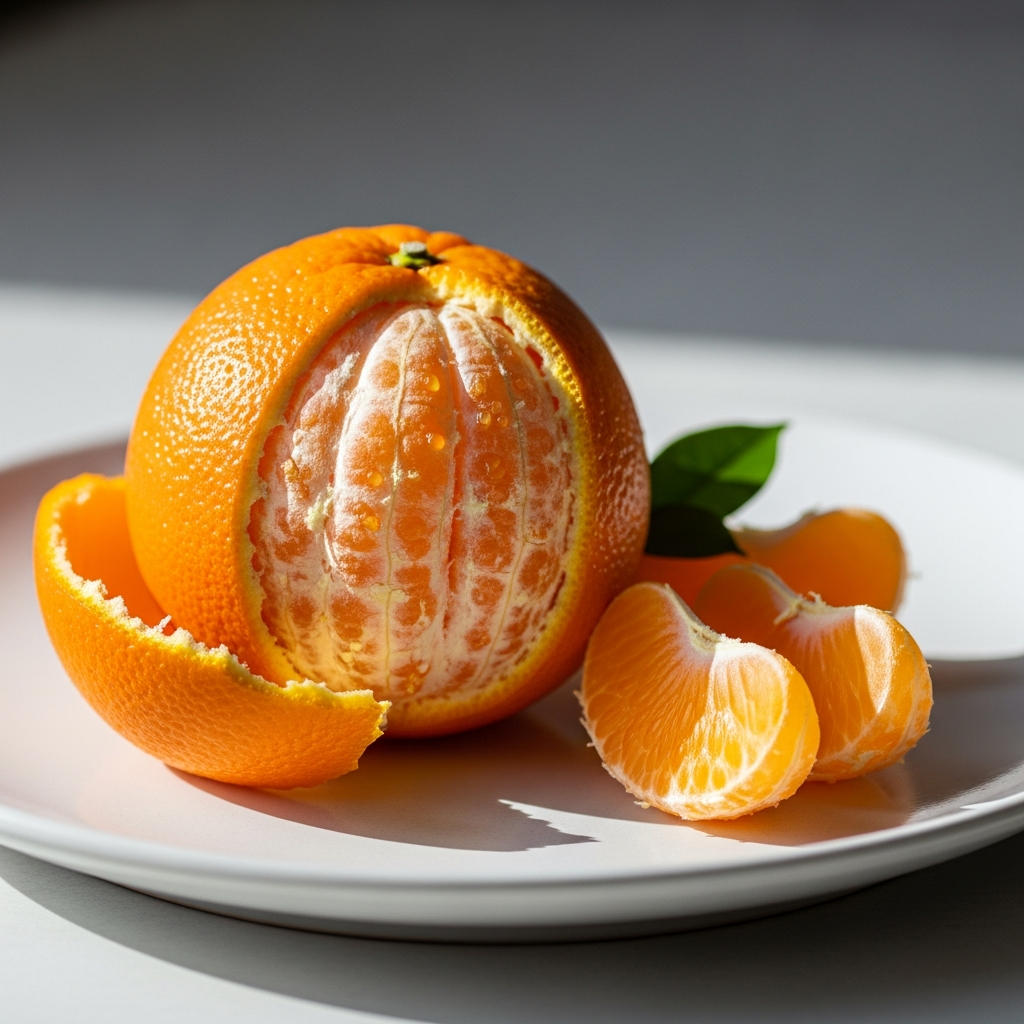
Stoneware mug, dishwasher safe
Buy Mug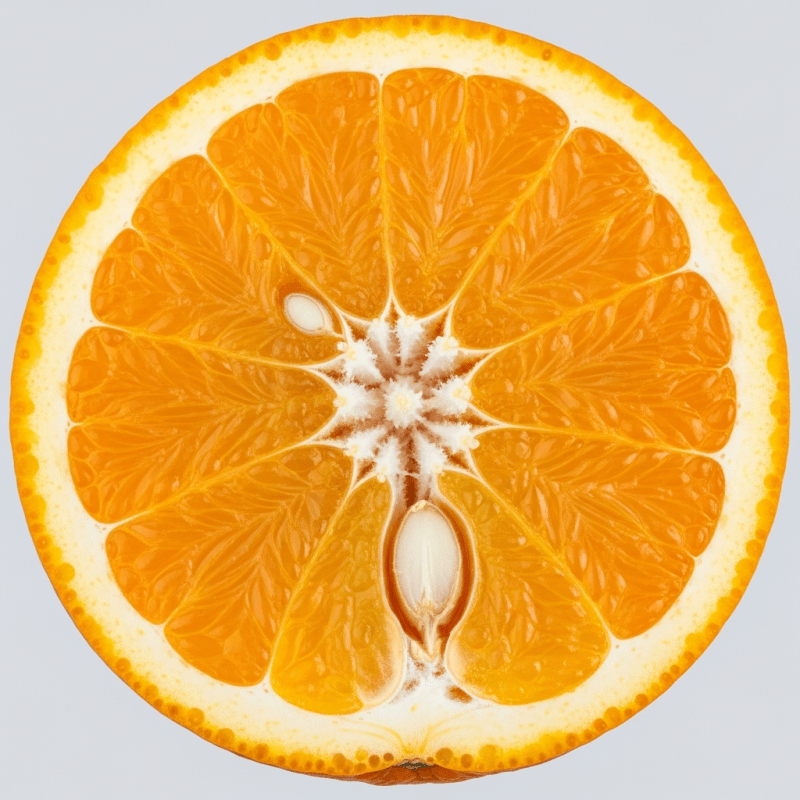
Soft cotton tee, unisex sizes
Buy ShirtThe Washington Navel Orange has become a symbol of premium quality in the citrus industry, especially in California where it helped establish the region’s agricultural identity. Its seedless nature and distinctive appearance have made it a cultural icon in fresh fruit markets and a favored subject in culinary traditions celebrating fresh, natural produce.
Washington Navel Orange trees prefer climates free from freezing temperatures and avoid high humidity or saline soils. They require well-drained soil and benefit from regular irrigation to prevent fruit splitting, especially in wet seasons. Monitoring for common diseases like Phytophthora root rot and Alternaria is important for maintaining healthy trees and optimal yields.

Rich in vitamin C and antioxidants, Washington Navel Oranges support immune health and skin vitality. Their juicy, seedless flesh provides hydration and dietary fiber, promoting digestion and overall wellness. The natural sweetness offers a healthy alternative to processed snacks.
Closely related varieties include the Lane Late and Cara Cara navels, which share the seedless trait but differ in harvest time and flesh color. While Washington Navel remains the most widely cultivated, these subtypes offer variations in sweetness and seasonality favored by growers and consumers.
Harvesting occurs from November to February in the Northern Hemisphere, when fruit reaches bright orange color and optimal sweetness. The thick rind allows easy peeling without damage. After picking, Washington Navel Oranges store well for several weeks under cool, dry conditions, preserving their juiciness and flavor for fresh consumption.