Tarocco Blood Orange
The Tarocco Blood Orange is a distinguished Italian cultivar of blood orange known for its sweet, juicy flesh and moderate red pigmentation, prized both for fresh consumption and juicing.
The Tarocco Blood Orange is a distinguished Italian cultivar of blood orange known for its sweet, juicy flesh and moderate red pigmentation, prized both for fresh consumption and juicing.
Originating in Sicily, Italy, in the late 19th century, the Tarocco Blood Orange likely arose as a spontaneous mutation or selection from local sweet orange varieties. Though its exact breeder remains unknown, it has become a hallmark of Sicilian citrus heritage and a leading blood orange cultivar in the Mediterranean.
Tarocco belongs to the blood orange group within the sweet orange species Citrus sinensis. It is part of a broader family of oranges characterized by anthocyanin pigments that give the flesh its distinctive red streaks. This cultivar is closely related to other blood oranges like Moro and Sanguinello but is recognized for its moderate pigmentation and balanced flavor.
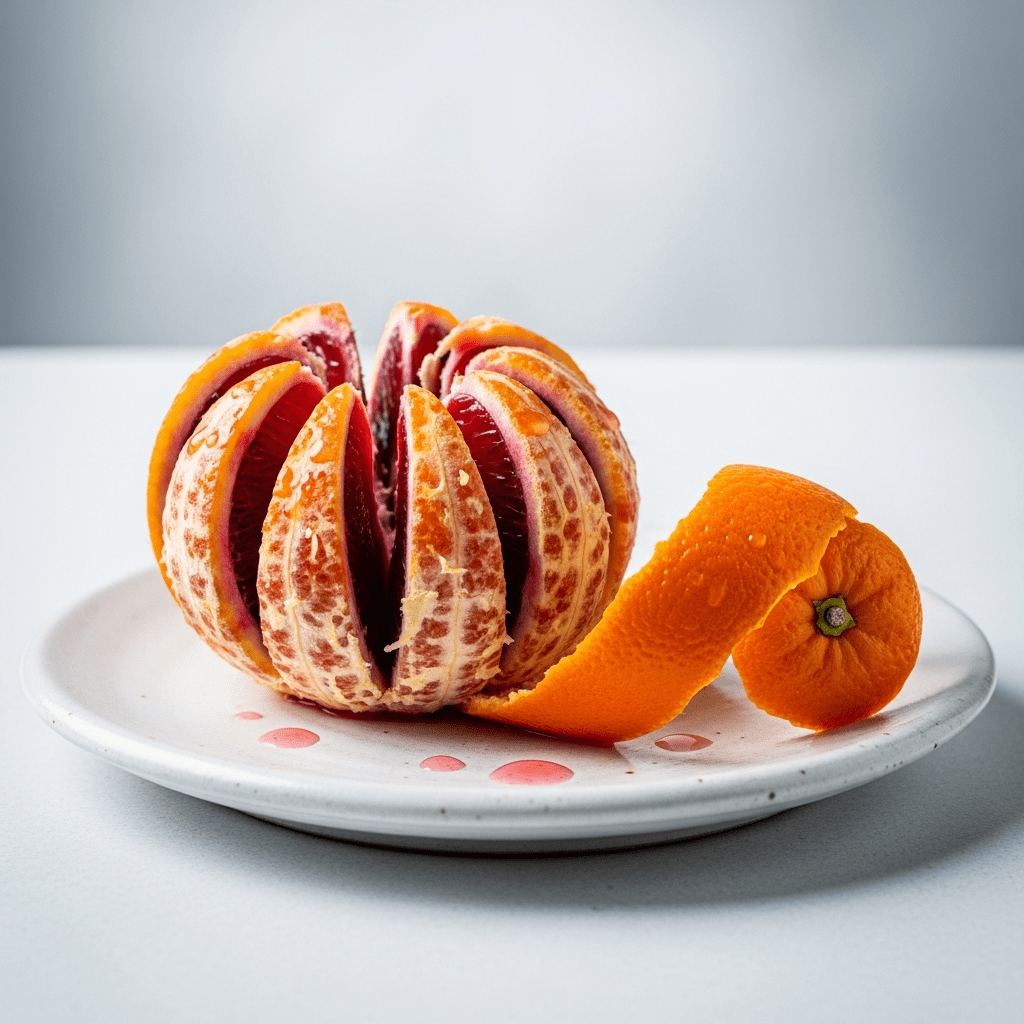
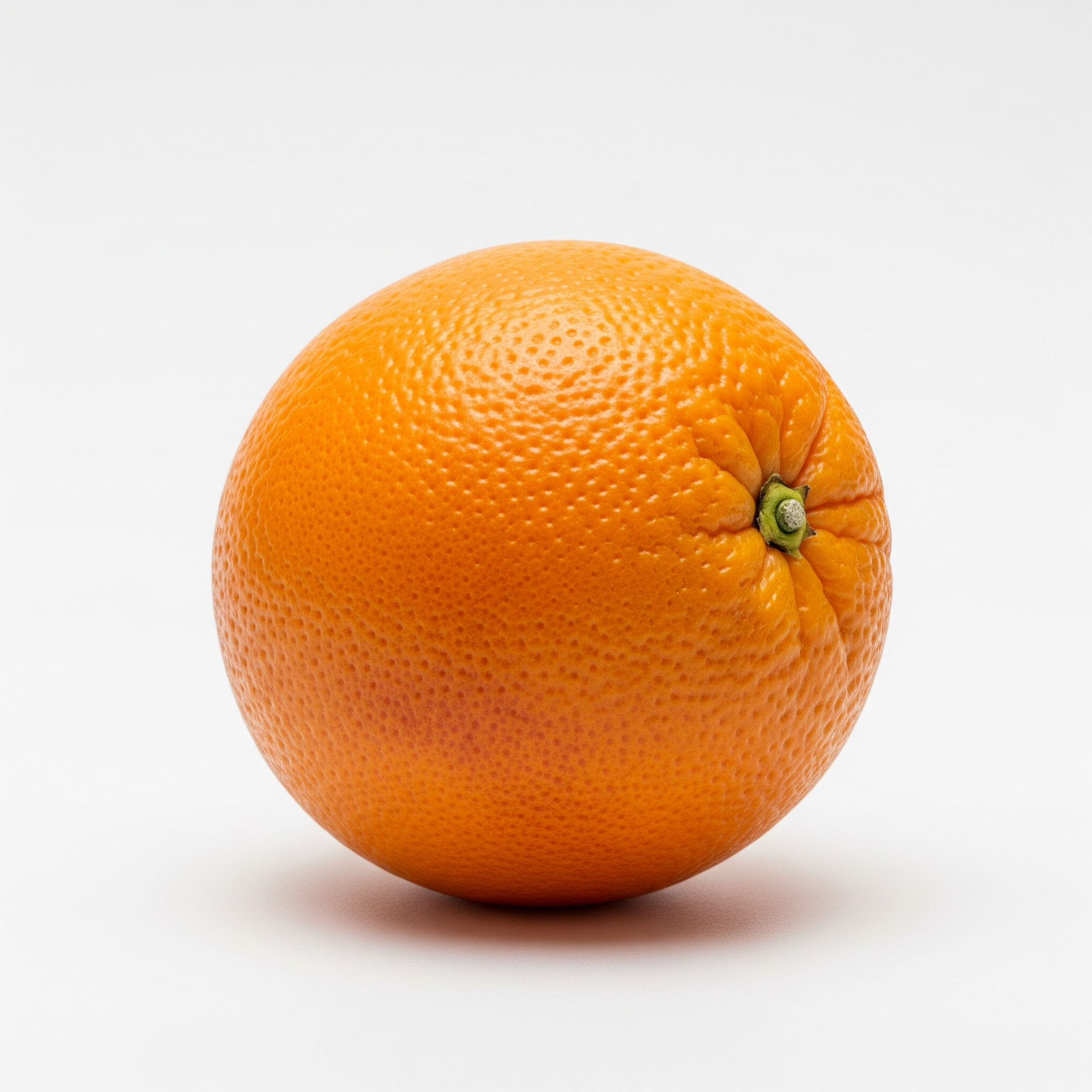
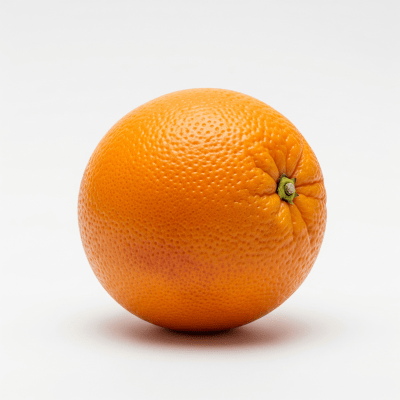
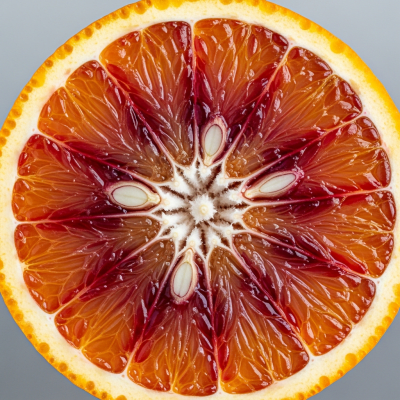
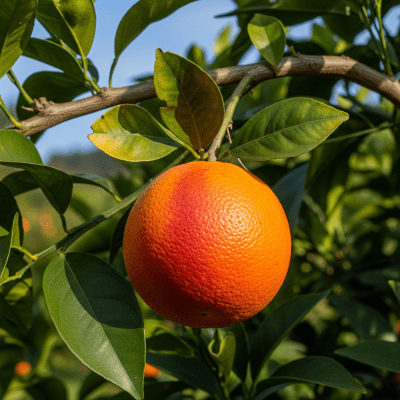
The fruit is medium to large, typically 6 to 9 centimeters in diameter, and round in shape. Its thin rind is bright orange with a subtle red blush. Inside, the flesh is a vibrant orange interspersed with variable red streaks or patches due to moderate anthocyanin pigmentation. The fruit is usually seedless or contains very few seeds, and its juicy flesh offers a sweet, balanced flavor with low acidity.
Tarocco Blood Oranges are primarily enjoyed fresh for their sweetness and juiciness. They are also widely used in juicing, where their moderate red pigmentation imparts an appealing color and distinctive flavor. In culinary contexts, Tarocco is featured in salads, desserts, and marmalades, making it a versatile fruit in both domestic and international markets.
Bring this kind into your world illustrated posters, mugs, and shirts.
Archival print, museum-grade paper
Buy Poster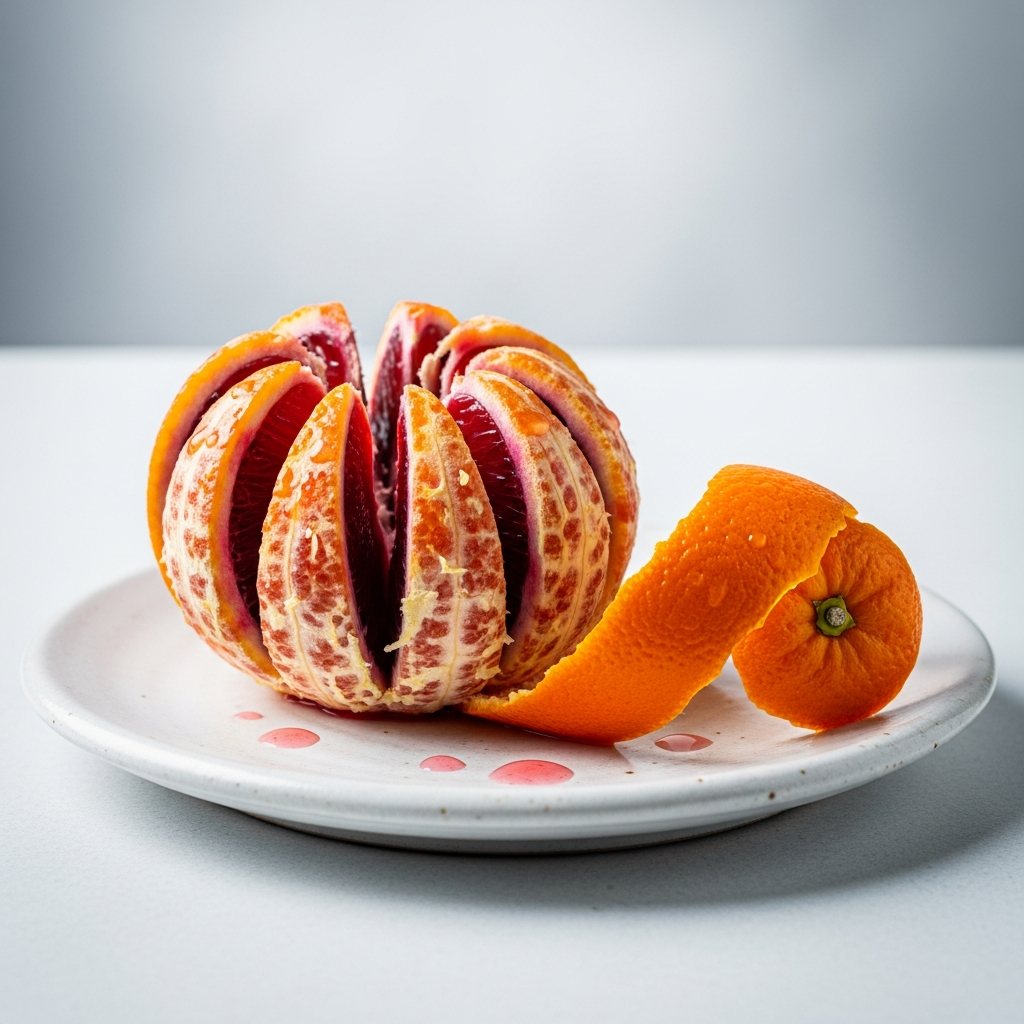
Stoneware mug, dishwasher safe
Buy Mug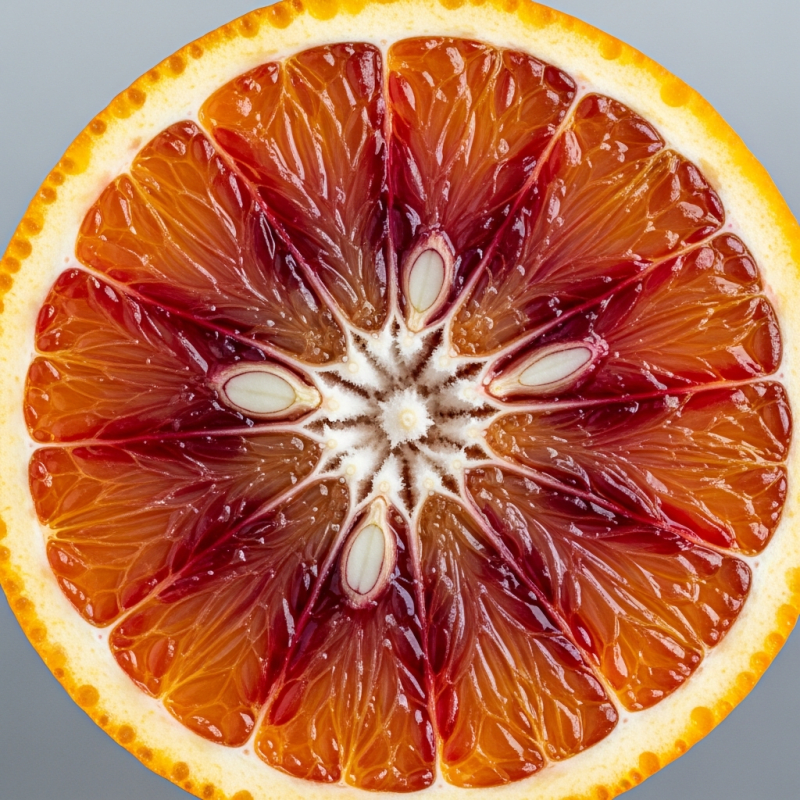
Soft cotton tee, unisex sizes
Buy ShirtIn Sicily and southern Italy, the Tarocco Blood Orange holds cultural importance as a heritage variety, celebrated for its unique flavor and appearance. It features prominently in local cuisine and festivals, symbolizing regional agricultural pride. Its moderate pigmentation and sweetness have made it a preferred choice among consumers, reinforcing its status as a premium fruit in European markets.
Tarocco thrives in Mediterranean climates with mild winters and warm summers. It is moderately sensitive to cold, so frost protection is advisable during colder months. Cooler night temperatures enhance the fruit’s characteristic red pigmentation. The trees are medium-sized and vigorous, requiring regular watering and well-drained soil to maintain good productivity. Monitoring for common citrus diseases and ensuring proper nutrition will support healthy growth and fruit quality.

Rich in vitamin C and antioxidants, Tarocco Blood Oranges offer immune support and help combat oxidative stress. The anthocyanins responsible for the red pigmentation have been linked to anti-inflammatory properties and cardiovascular benefits. Their high juice content and natural sugars provide a refreshing source of hydration and energy, making them a wholesome addition to a balanced diet.
Within the Tarocco cultivar, several notable subtypes exist, including Tarocco Gallo, Tarocco Rosso, and Tarocco Meli. These clones vary slightly in fruit size and intensity of red pigmentation but share the signature sweetness and juiciness that define the Tarocco Blood Orange.
Harvesting of Tarocco Blood Oranges occurs from December through April, with the best flavor achieved in late winter. The fruit should be picked when fully colored and firm to the touch. Thanks to its thin rind and moderate seed content, Tarocco stores well for several weeks under cool, humid conditions. Proper storage away from frost and excessive heat helps preserve its juiciness and delicate flavor.