Salustiana Orange
The Salustiana orange is a sweet orange cultivar prized for its high juice yield, mild flavor, and nearly seedless fruit, making it a staple in Mediterranean juicing industries.
The Salustiana orange is a sweet orange cultivar prized for its high juice yield, mild flavor, and nearly seedless fruit, making it a staple in Mediterranean juicing industries.
Originating in Spain during the 1950s, the Salustiana orange emerged as a spontaneous mutation of the common sweet orange. It was discovered by Salustiano García, a Spanish grower whose name the cultivar honors. Its propagation began regionally, spreading throughout Mediterranean climates without formal institutional breeding.
The Salustiana orange belongs to the species Citrus sinensis, commonly known as the sweet orange. It is classified as a distinct cultivar within this species, recognized primarily for juicing. It fits within the broader sweet orange group, which includes varieties like Navel and Valencia, but is distinguished by its seedless nature and mild acidity.
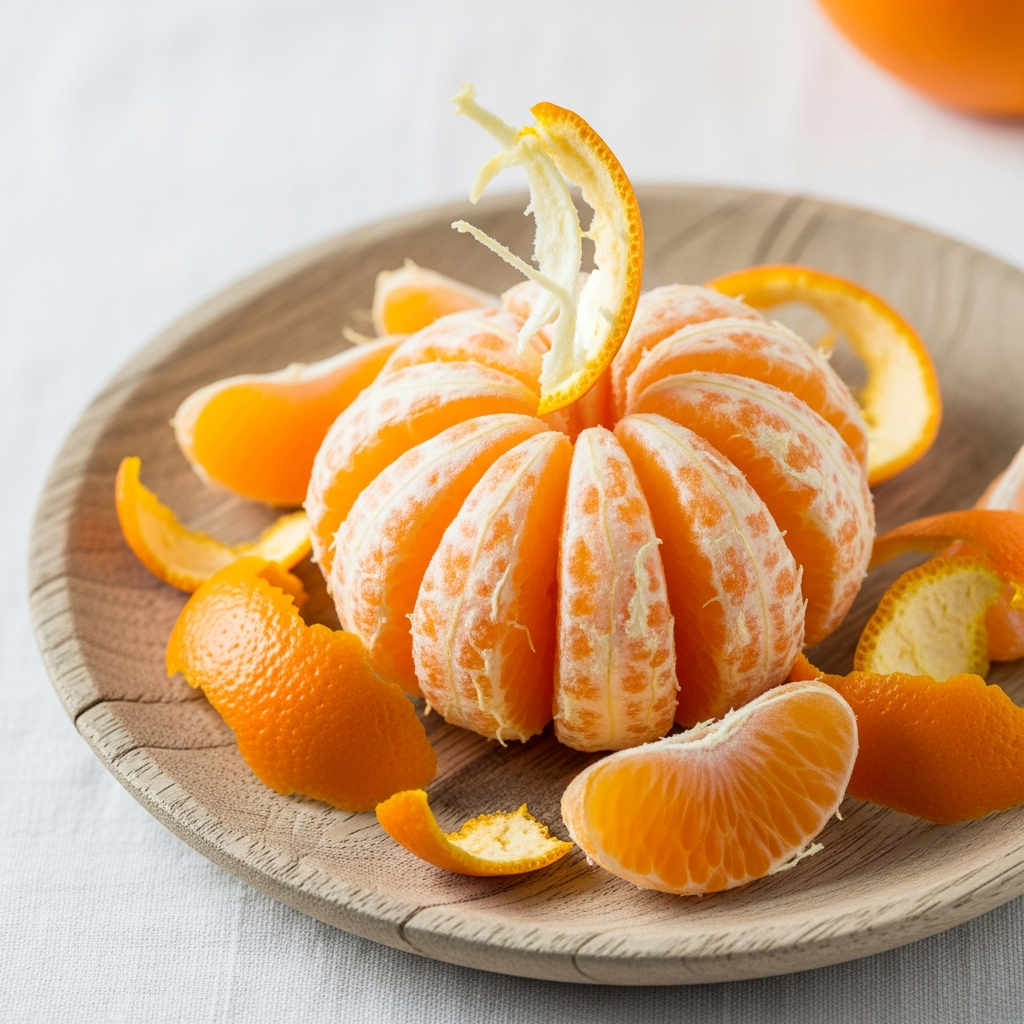
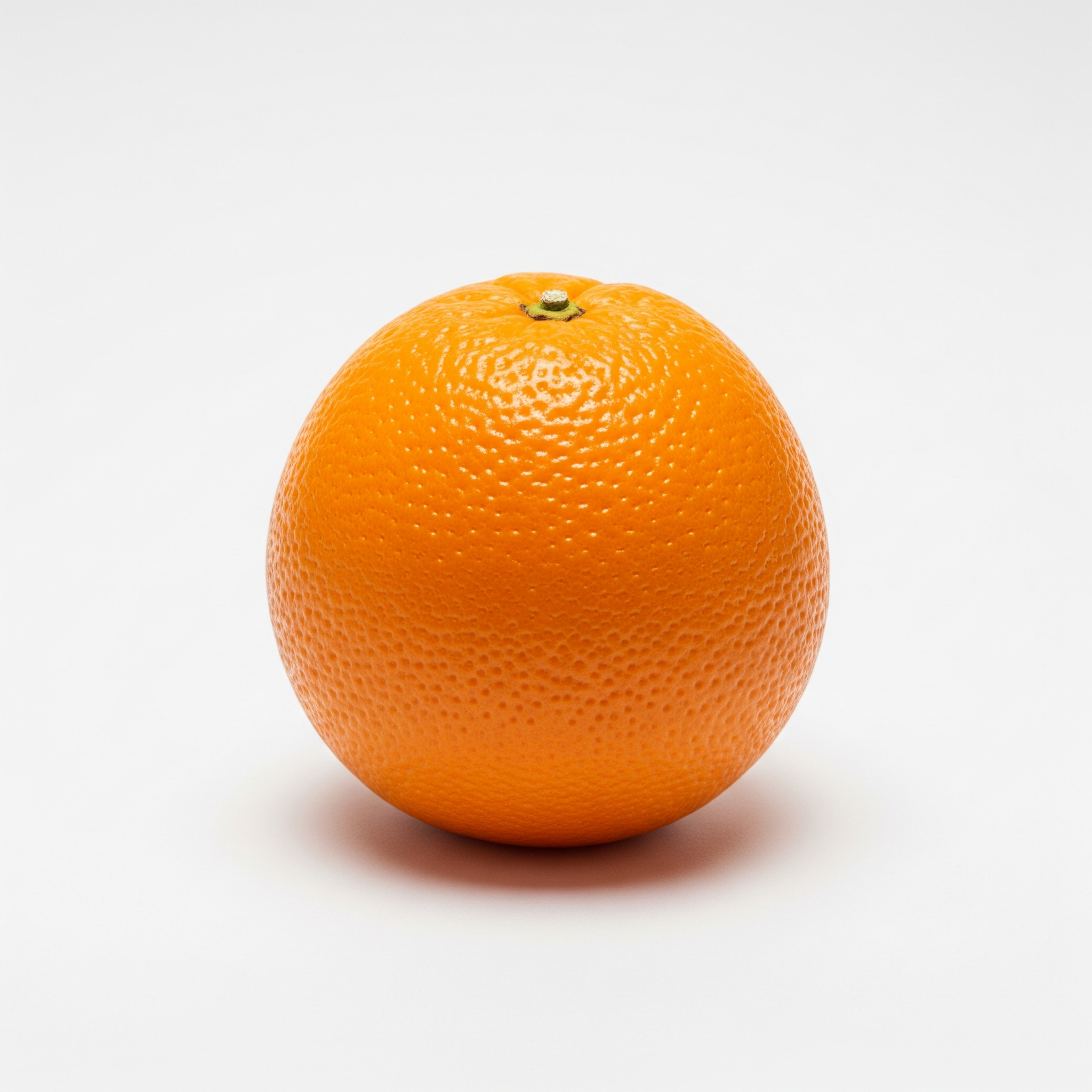
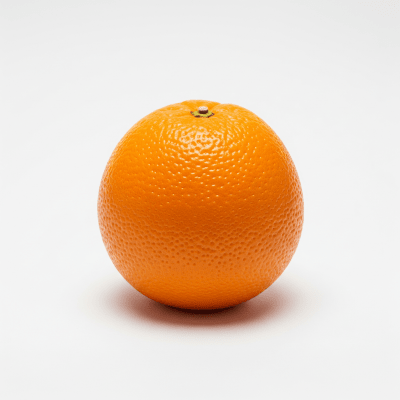
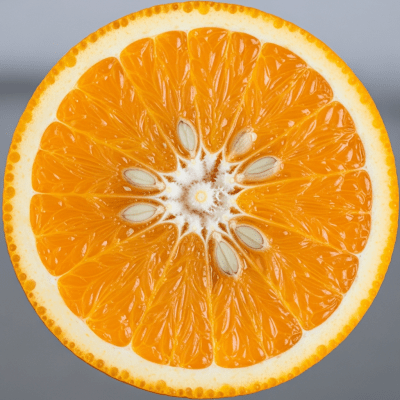
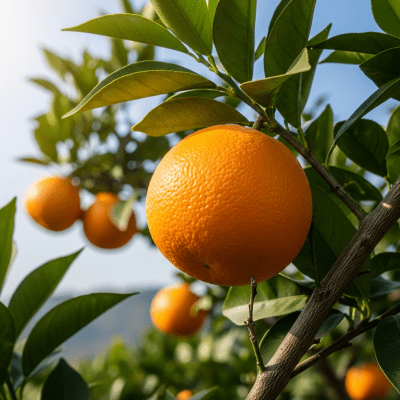
Salustiana oranges are medium-sized and round, featuring a smooth, thin rind of bright orange color. The flesh is pale orange, tender, and notably juicy, with a soft texture. Typically, the fruit contains zero to one seed. The trees are vigorous and medium to large in size, boasting dense foliage suited to Mediterranean environments.
Primarily cultivated for juicing, Salustiana oranges offer a high juice content with a balanced sweetness and mild flavor. Their seedless quality and consistent fruit set make them ideal for commercial juice production and blending. While rarely sold as fresh eating fruit due to their soft texture and mild taste, they dominate juicing markets in Spain and North Africa.
Bring this kind into your world illustrated posters, mugs, and shirts.
Archival print, museum-grade paper
Buy Poster
Stoneware mug, dishwasher safe
Buy Mug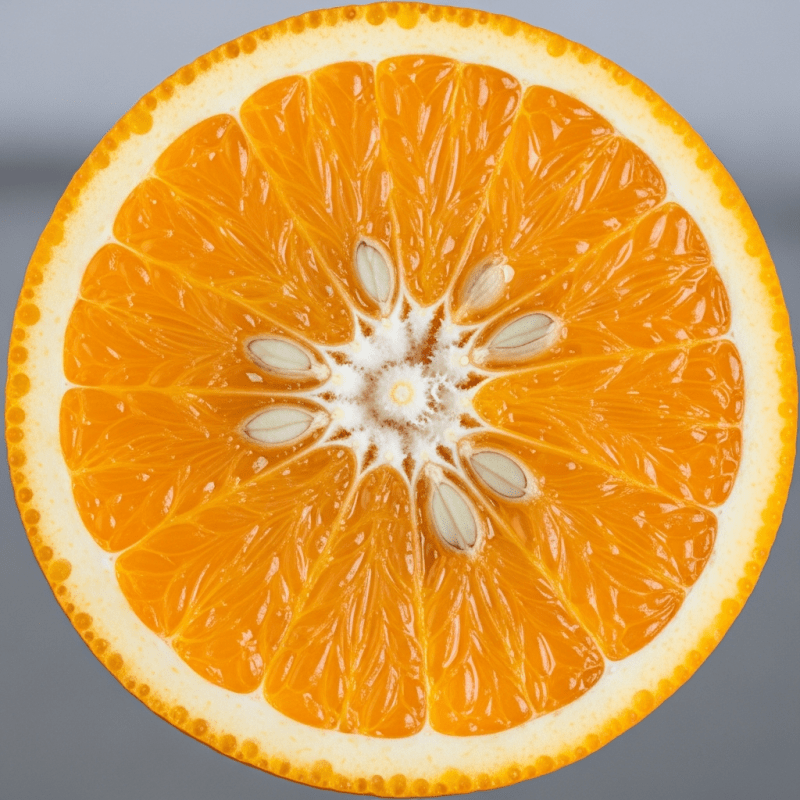
Soft cotton tee, unisex sizes
Buy ShirtIn Mediterranean regions, especially Spain, Morocco, and Algeria, the Salustiana orange holds significant commercial and cultural value as a leading juicing cultivar. Though not prominent in art or mythology, its role in local economies and traditional juice production underlines its importance in regional agricultural heritage.
Salustiana oranges thrive in Mediterranean climates with moderate cold tolerance. They require well-drained soil and benefit from consistent irrigation during dry periods. Regular pruning helps maintain tree vigor and dense foliage, promoting good fruit set. Monitoring for common citrus diseases like tristeza virus and citrus canker is essential, though the cultivar generally responds well to standard management practices.

Rich in vitamin C and antioxidants, Salustiana orange juice supports immune health and skin vitality. Its high juice content and balanced sweetness provide a refreshing source of hydration and natural sugars, while the low acidity makes it gentle on the stomach compared to more tart citrus varieties.
Within the sweet orange family, well-known varieties include the Navel orange, prized for its seedless nature and fresh eating quality; the Valencia orange, favored for juicing with a bright, tangy flavor; and blood oranges like Moro and Tarocco, noted for their distinctive red flesh and rich taste. Salustiana stands out among these for its mild flavor and juicing efficiency in Mediterranean markets.
Salustiana oranges are typically harvested from December through March. Picking is best done when fruits reach full color and size to ensure optimal juice quality. Post-harvest, they have a good shelf life and retain their juice content well when stored in cool, humid conditions. Proper handling minimizes rind damage, preserving freshness for extended periods.