Rohde Red Valencia Orange
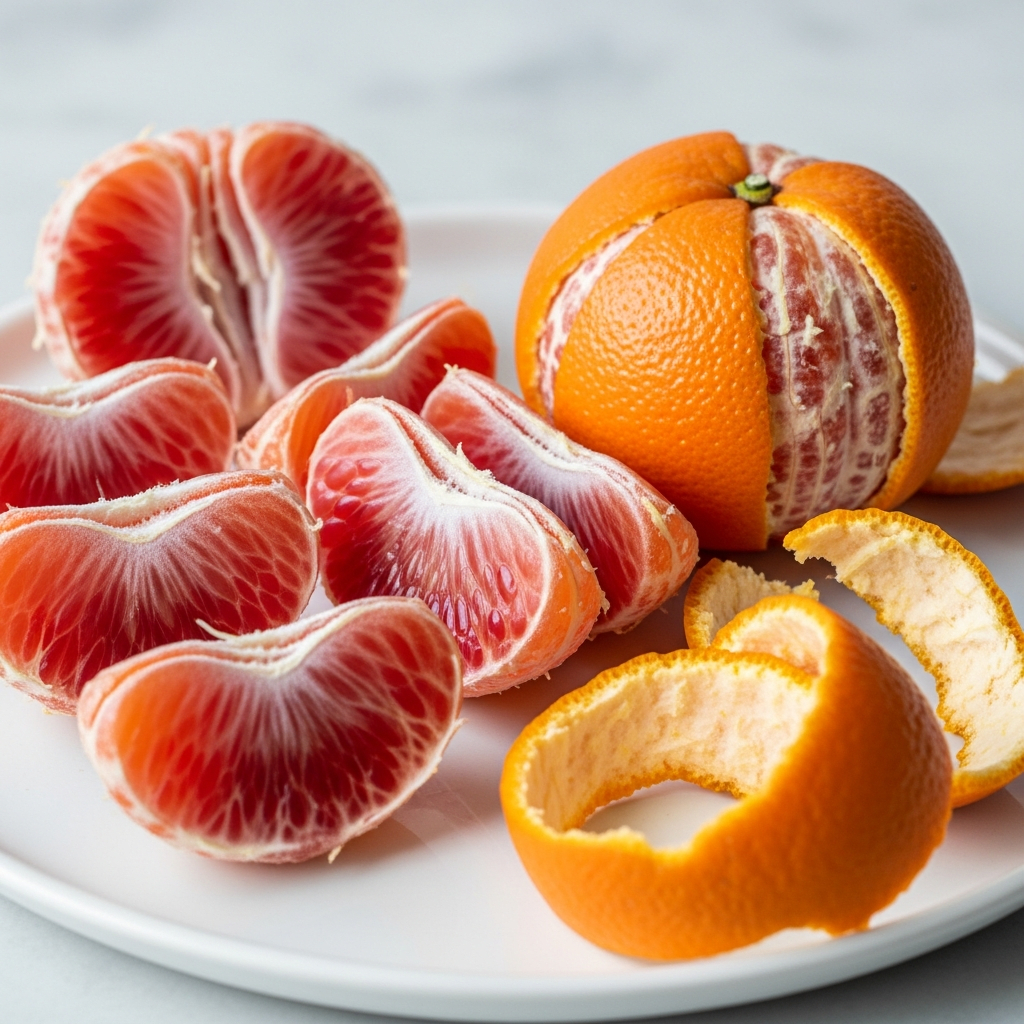
The Rohde Red Valencia Orange is a unique red-fleshed variant of the classic Valencia orange, prized for its distinctive pigmentation and sweet, aromatic flavor.
The Rohde Red Valencia Orange is a unique red-fleshed variant of the classic Valencia orange, prized for its distinctive pigmentation and sweet, aromatic flavor.
Originating in California, United States, in the early 20th century, the Rohde Red Valencia Orange emerged as a spontaneous mutation—a natural bud sport—of the standard Valencia orange. Discovered by C. A. Rohde, this cultivar has since been clonally propagated, maintaining its unusual red to pink flesh coloration.
This orange belongs to the species Citrus sinensis, commonly known as sweet orange. It is classified as a cultivar of the Valencia orange group, distinguished by its red-fleshed mutation but sharing the same genetic lineage and botanical family Rutaceae.
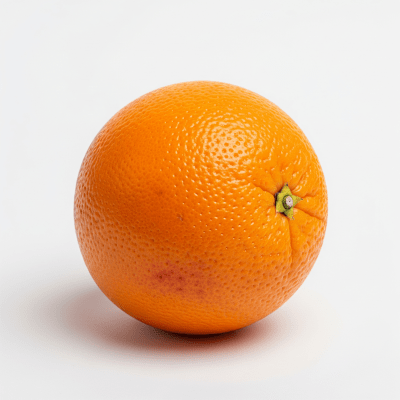
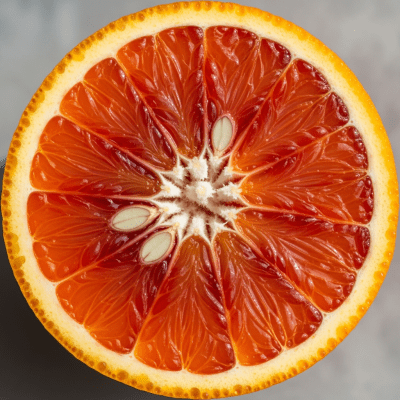
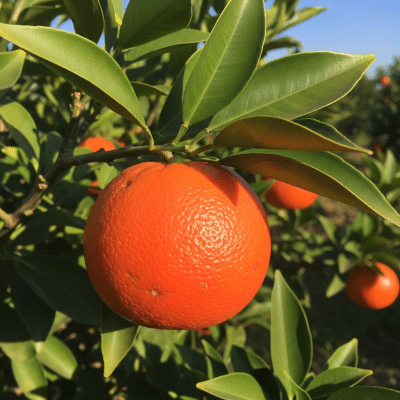
The fruit is medium to large, measuring 6 to 8 centimeters in diameter, with a round shape and smooth, moderately thin orange rind. Its most striking feature is the flesh, which displays a variable red to pink pigmentation, especially vivid near the rind and segment walls. The tree is vigorous and upright, bearing evergreen, glossy, lanceolate leaves typical of sweet orange trees.
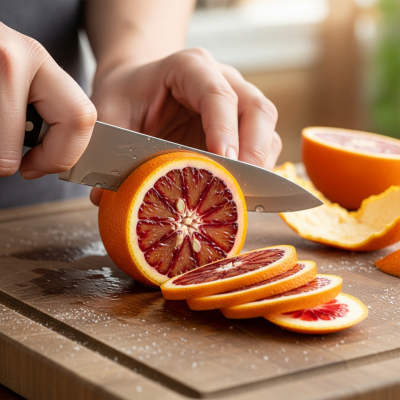
Primarily cultivated for fresh eating and juicing, the Rohde Red Valencia Orange offers a sweet, mildly acidic, and aromatic flavor closely resembling the standard Valencia. Its red flesh adds visual appeal, making it popular for decorative culinary uses and specialty juices, though it remains a niche fruit with limited commercial distribution.
Bring this kind into your world illustrated posters, mugs, and shirts.
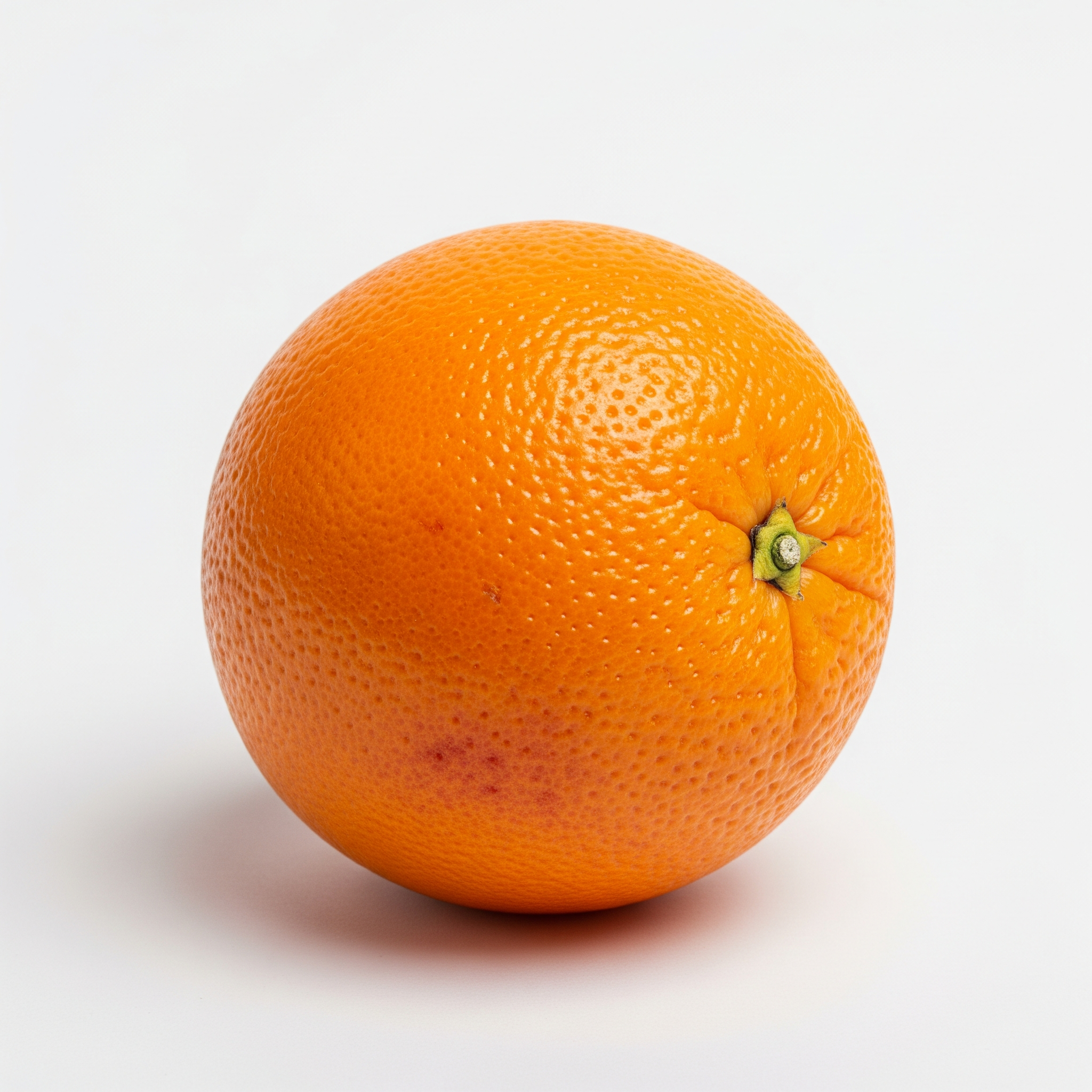
Archival print, museum-grade paper
Buy Poster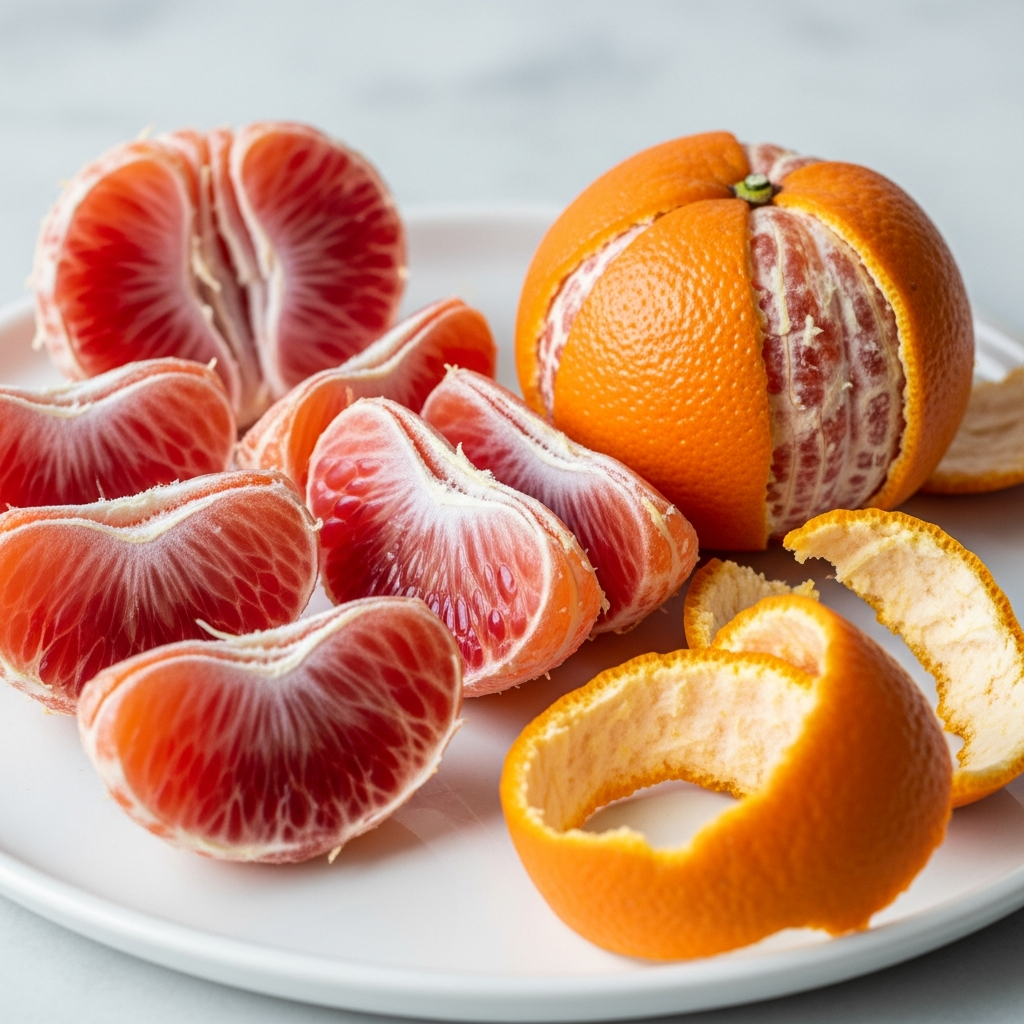
Stoneware mug, dishwasher safe
Buy Mug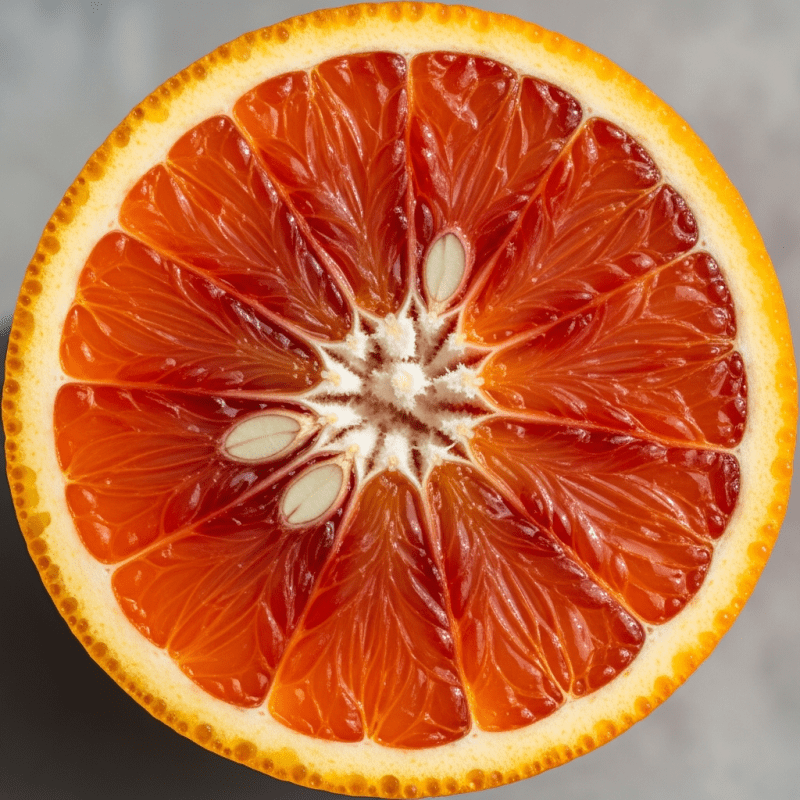
Soft cotton tee, unisex sizes
Buy ShirtWhile not widely known in mainstream culture, the Rohde Red Valencia Orange holds a special place among enthusiasts and local growers in California. Its unique coloration distinguishes it from typical Valencia oranges and blood oranges, contributing to its appeal in specialty markets and artisanal culinary presentations.
To cultivate the Rohde Red Valencia Orange successfully, plant it in a warm, subtropical climate similar to California’s. Ensure well-drained soil and full sun exposure. Regular irrigation and fertilization support vigorous growth. Monitor for common citrus diseases like greening and tristeza virus, as this cultivar has no notable resistances. Harvest fruits from late spring through summer for optimal flavor and juiciness.
Like other sweet oranges, the Rohde Red Valencia Orange is rich in vitamin C, antioxidants, and dietary fiber. Its consumption supports immune health, skin vitality, and digestive wellness. The unique pigmentation may indicate additional phytonutrients, contributing to overall antioxidant benefits.
The Rohde Red Valencia Orange is a distinctive variant within the Valencia group, alongside the standard Valencia orange known for juicing and fresh eating. Other popular orange varieties include the Navel orange, prized for its seedless nature, and blood oranges like Moro and Tarocco, recognized for their deep red flesh and unique flavor profiles.
Harvest the Rohde Red Valencia Orange during its late spring to summer season when the fruit reaches full size and color. Handle with care to preserve the smooth rind and vibrant flesh. The fruit stores moderately well, similar to standard Valencia oranges, maintaining good juice quality for fresh consumption. Refrigeration can extend shelf life, but it is best enjoyed soon after harvest for peak flavor.