Marrs Orange
The Marrs Orange is a sweet orange cultivar known for its exceptionally low acidity and high sugar content, making it one of the sweetest oranges available commercially.
The Marrs Orange is a sweet orange cultivar known for its exceptionally low acidity and high sugar content, making it one of the sweetest oranges available commercially.
Discovered as a chance seedling in Texas in the early 20th century, the Marrs Orange gained commercial recognition around the 1930s. Though its exact breeder and parentage remain undocumented, it is believed to be a spontaneous mutation of Citrus sinensis, possibly linked to the Valencia group but genetically distinct due to its unique acid-sugar balance.
The Marrs Orange belongs to the sweet orange species, Citrus sinensis, within the Rutaceae family. It is classified as a cultivar of sweet orange, distinct for its low acidity and sweetness, and is sometimes grouped commercially among fresh-eating oranges rather than juicing or processing types.
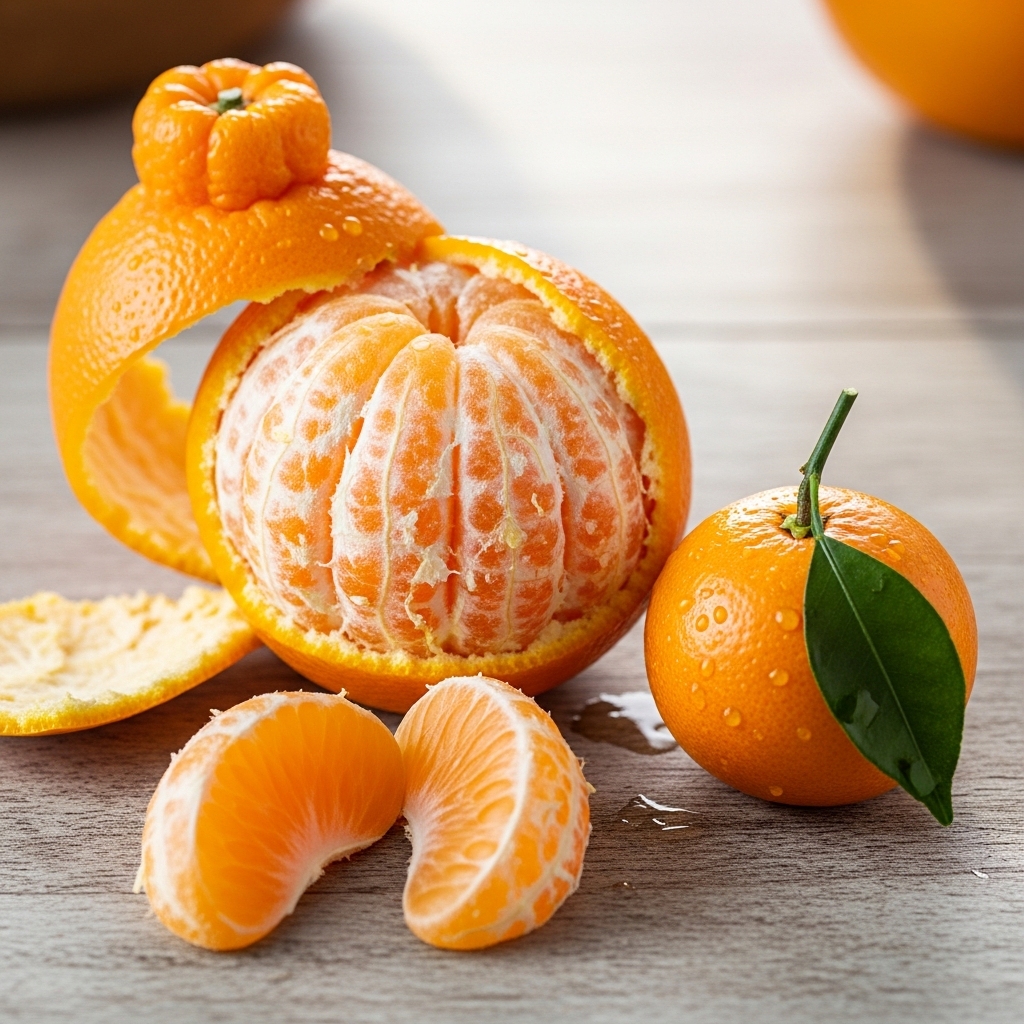
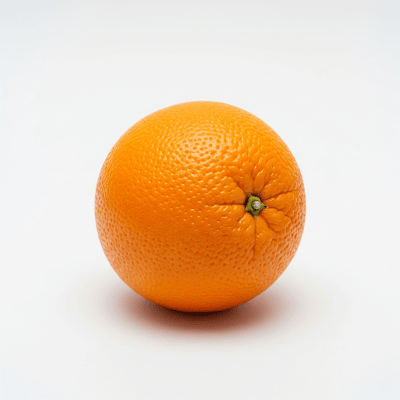
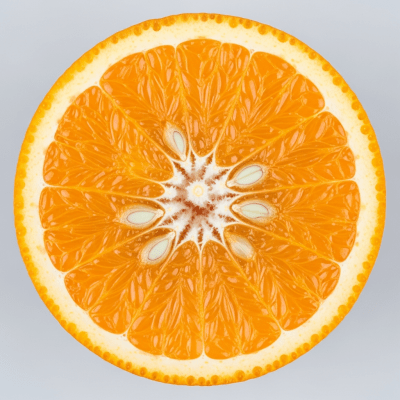
Marrs Oranges are medium to large fruits, typically measuring 7 to 9 centimeters in diameter and shaped slightly oval. Their bright orange rind is smooth and relatively easy to peel. Inside, the flesh is deep orange, tender, and extremely juicy, characterized by very low acidity and a high sugar content that imparts a mild, sweet flavor.
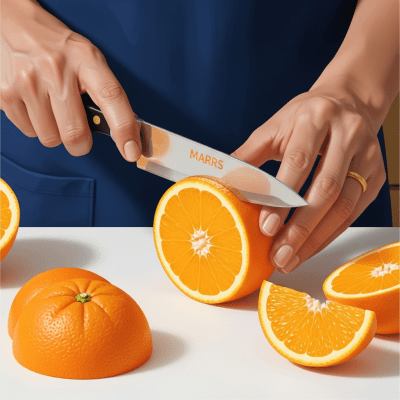
Primarily valued for fresh consumption, Marrs Oranges are favored by those who prefer mild, sweet citrus without tartness. They are commonly sold in regional markets across Texas and California. While their juice is prized for drinking, the low acidity limits their use in commercial juice blends and marmalade production, where acidity is important for flavor and gelling.
Bring this kind into your world illustrated posters, mugs, and shirts.
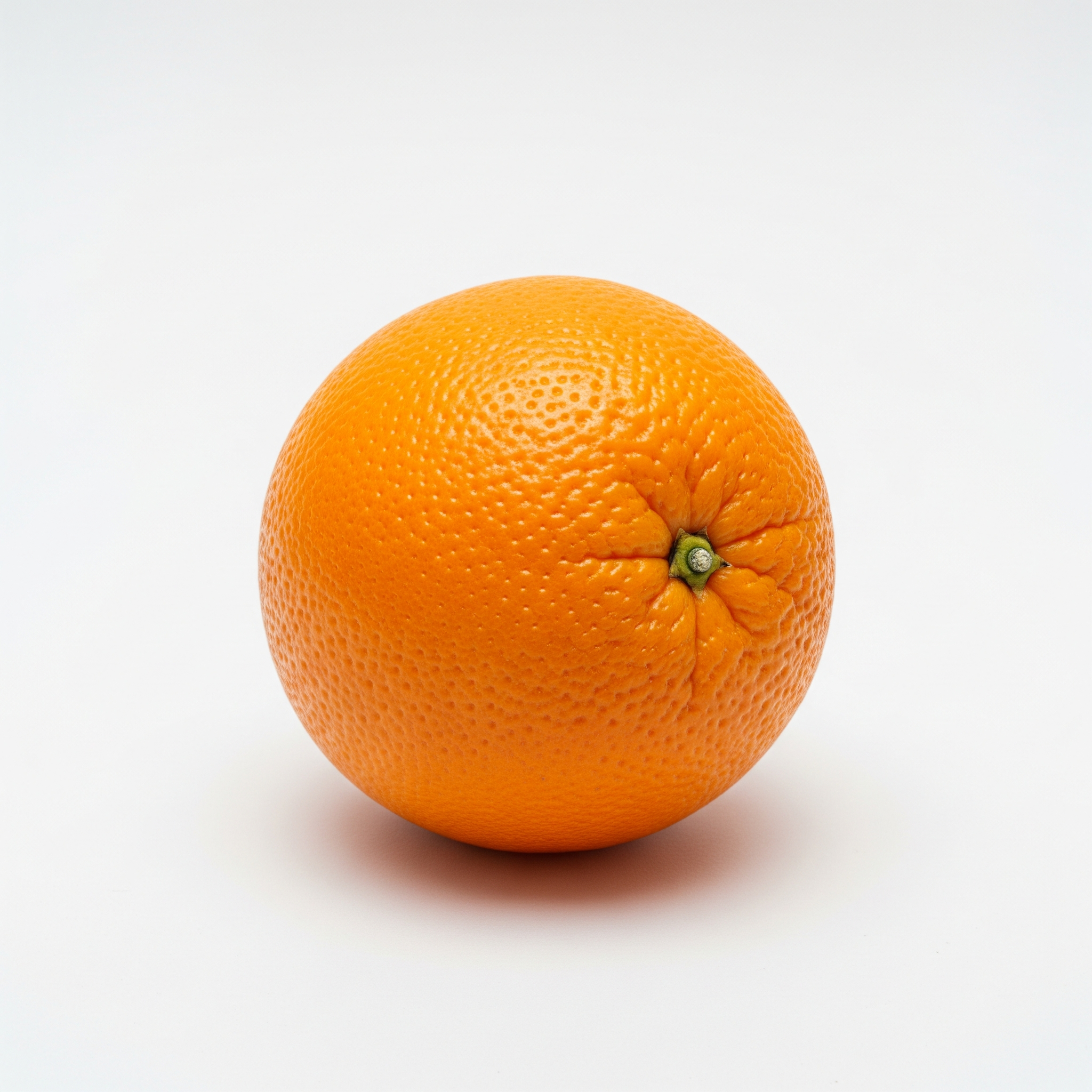
Archival print, museum-grade paper
Buy Poster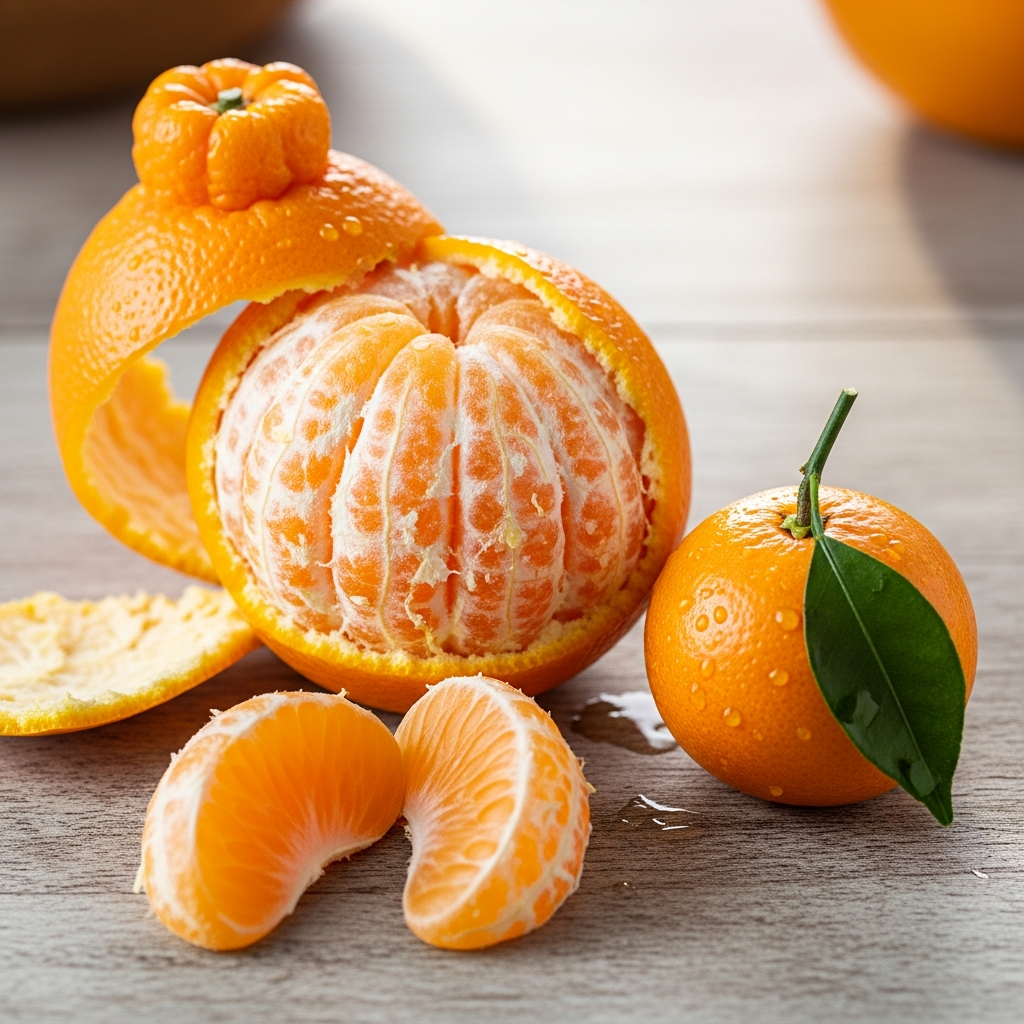
Stoneware mug, dishwasher safe
Buy Mug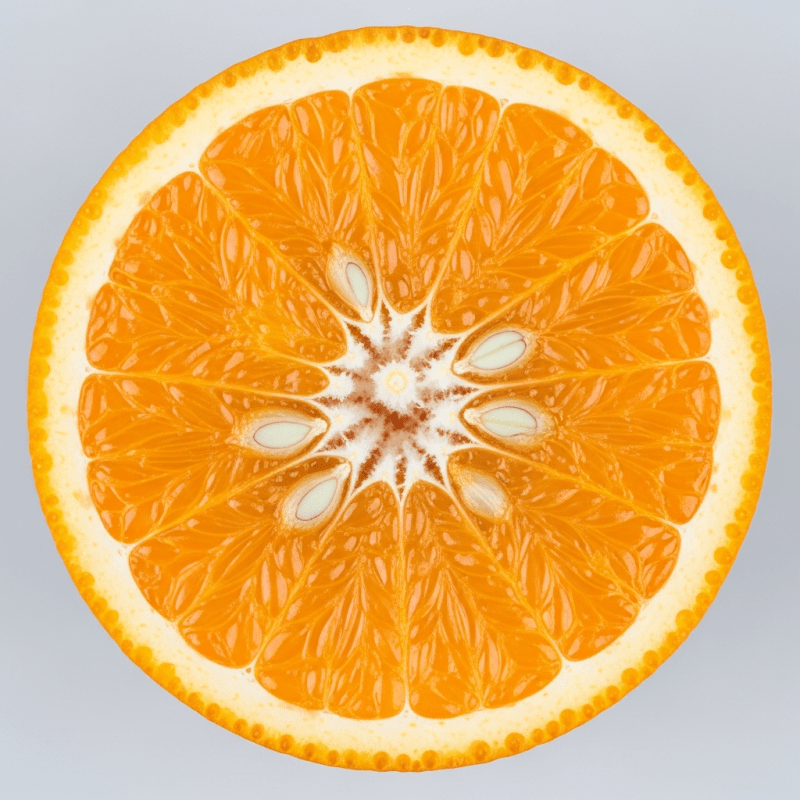
Soft cotton tee, unisex sizes
Buy ShirtThough not widely known outside its primary growing regions, the Marrs Orange holds a place in Texan and Californian local markets as a symbol of sweet, low-acid citrus. Its reputation as a "super-sweet" orange has made it a favored choice for consumers seeking a gentle, juicy fruit, contributing to regional citrus culture and preferences.
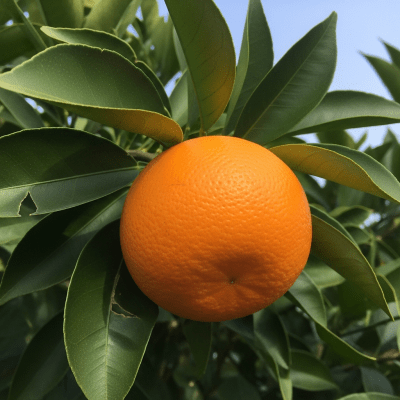
🌱 Marrs Orange trees thrive in subtropical climates and require protection from cold, as they are susceptible to frost damage. Plant in well-drained soil with full sun exposure. Regular irrigation supports their vigorous growth and good productivity. Monitor for fungal diseases and apply appropriate treatments as needed. Harvest early in the season, from November to January, to enjoy peak sweetness and juiciness.
🍊 Rich in natural sugars and vitamin C, Marrs Oranges provide a refreshing source of antioxidants and hydration. Their low acidity makes them gentle on sensitive stomachs while delivering the immune-boosting benefits typical of citrus fruits. The high juice content aids in hydration and offers a delicious way to support overall wellness.
Among sweet oranges, the Marrs Orange stands out for its sweetness and low acid profile. Other popular cultivars include the Navel Orange, known for its seedless nature and easy peeling; the Valencia Orange, prized for juicing; and the Blood Orange, recognized for its distinctive red flesh and tangy flavor. Each variety offers unique traits suited to different tastes and uses.
🗃️ Harvest Marrs Oranges when the fruit reaches full color and sweetness, typically between November and January. Handle gently to avoid bruising, as their thin skin is delicate. Due to their high juice content and thin rind, these oranges have a shorter shelf life and are best consumed fresh or stored in cool, humid conditions for only a few weeks to maintain optimal flavor and texture.