Succari Orange
The Succari Orange is a sweet, low-acid cultivar of Citrus sinensis prized for its exceptionally mild flavor and juicy, tender flesh, primarily grown in Egypt and the Middle East for fresh consumption.
The Succari Orange is a sweet, low-acid cultivar of Citrus sinensis prized for its exceptionally mild flavor and juicy, tender flesh, primarily grown in Egypt and the Middle East for fresh consumption.
Originating in Egypt, the Succari Orange derives its name from the Arabic word "sukkar," meaning sugar, a nod to its notably sweet taste. Though its exact breeder and discovery date remain undocumented, it is recognized as a local selection rather than a formal hybrid, cultivated for generations across Egypt and neighboring Middle Eastern countries.
The Succari Orange belongs to the sweet orange species, Citrus sinensis, within the Rutaceae family. It is classified as a distinct cultivar notable for its low acidity and sweetness, setting it apart from other commercial orange varieties like the Navel or Valencia oranges.
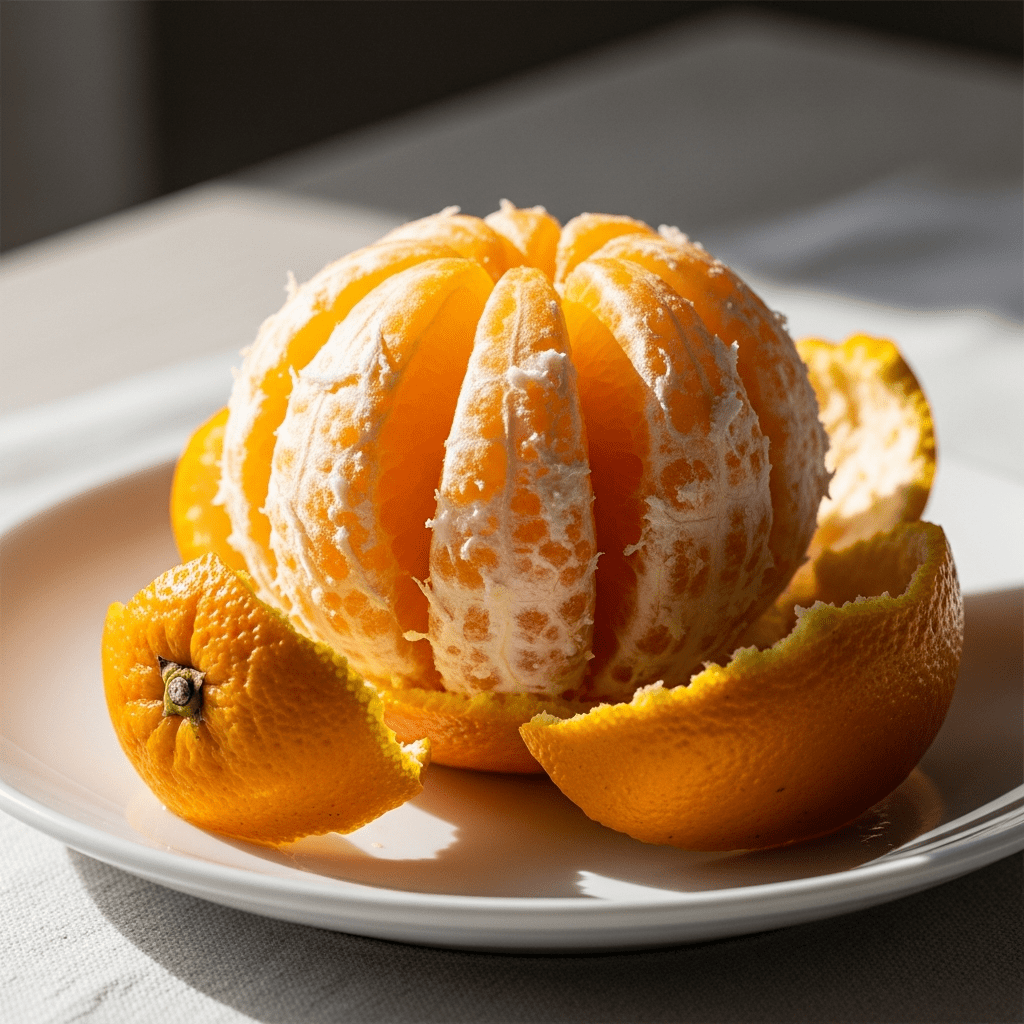
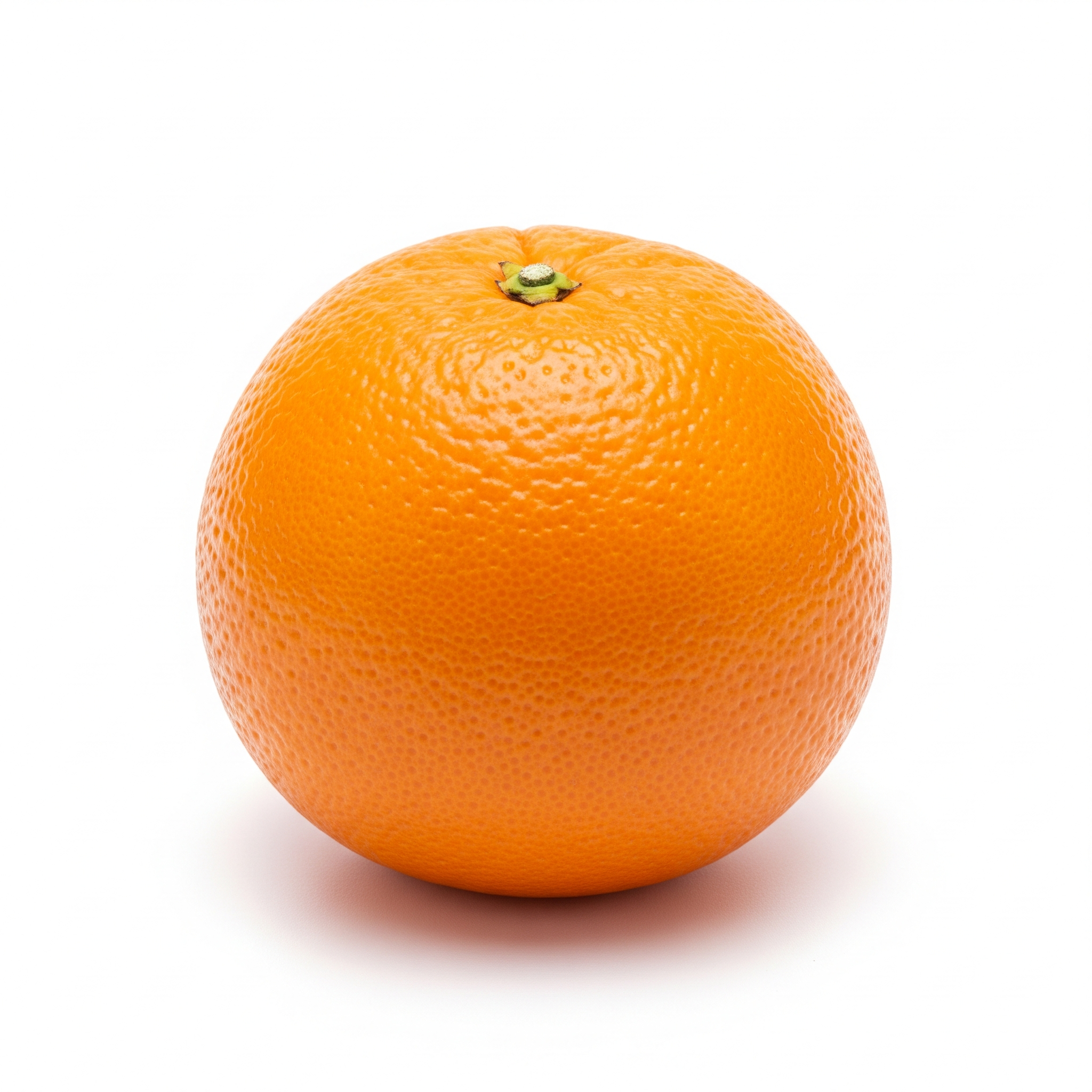
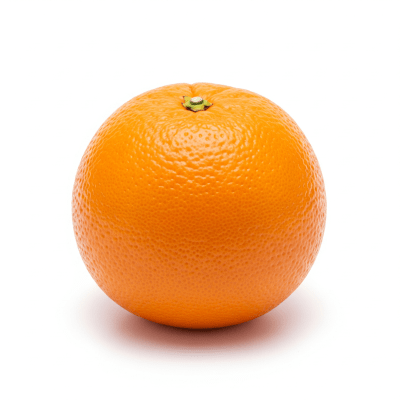
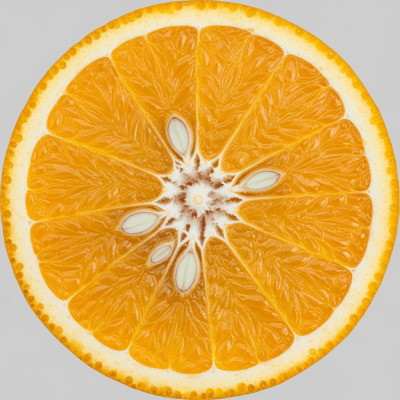
This orange typically measures 6 to 8 centimeters in diameter and has a round shape with a bright orange, smooth, and thin rind that peels relatively easily. Inside, its pale orange flesh is tender and extremely juicy, with very few seeds—usually between one and three per fruit.
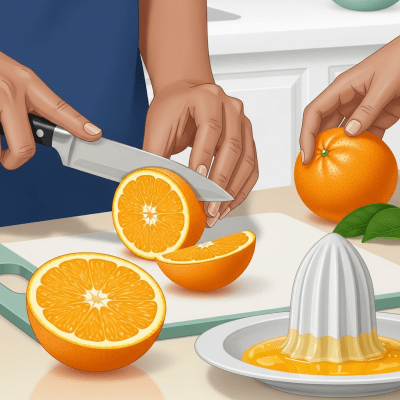
Primarily enjoyed fresh, the Succari Orange’s sweet and mild flavor makes it a favored table fruit in its native regions. While sometimes juiced, its low acidity results in a flat taste that is less popular for commercial juice production. Its delicate nature requires careful handling to preserve quality.
Bring this kind into your world illustrated posters, mugs, and shirts.
Archival print, museum-grade paper
Buy Poster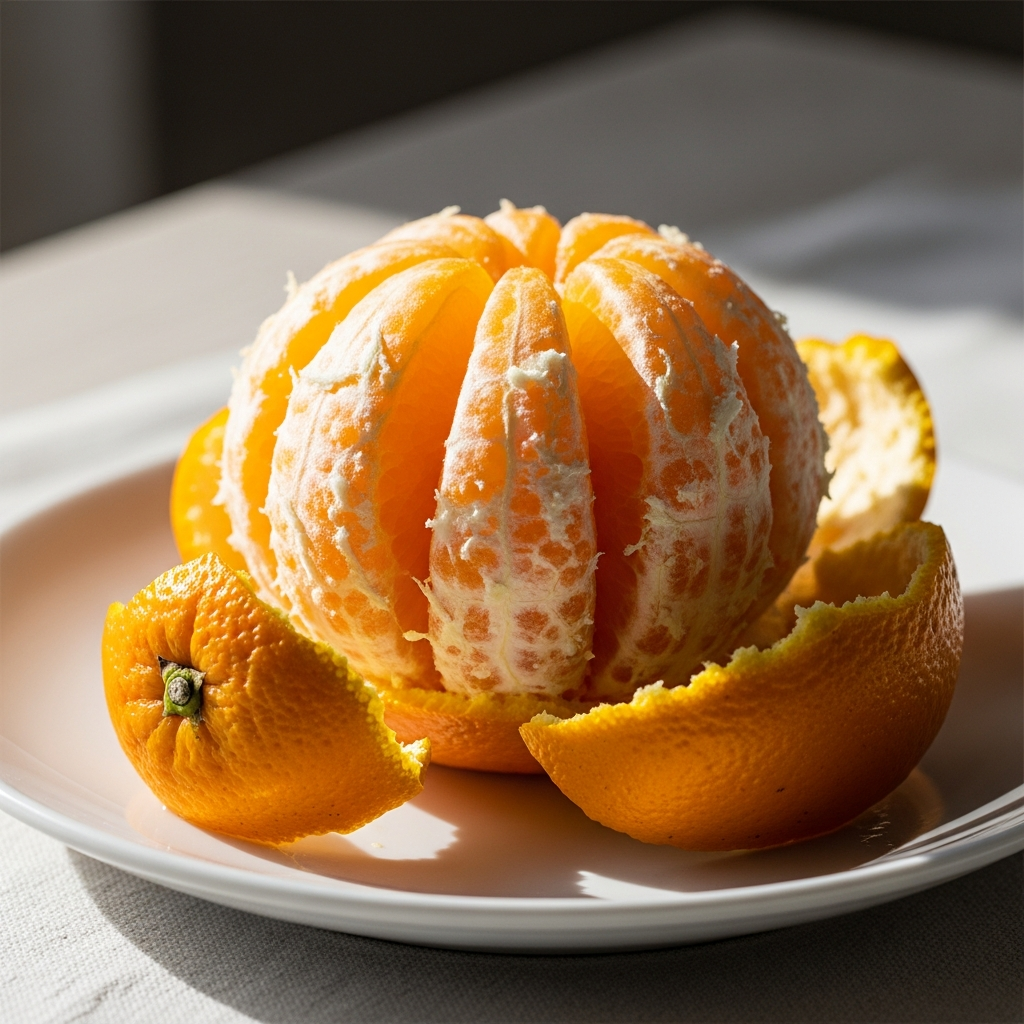
Stoneware mug, dishwasher safe
Buy Mug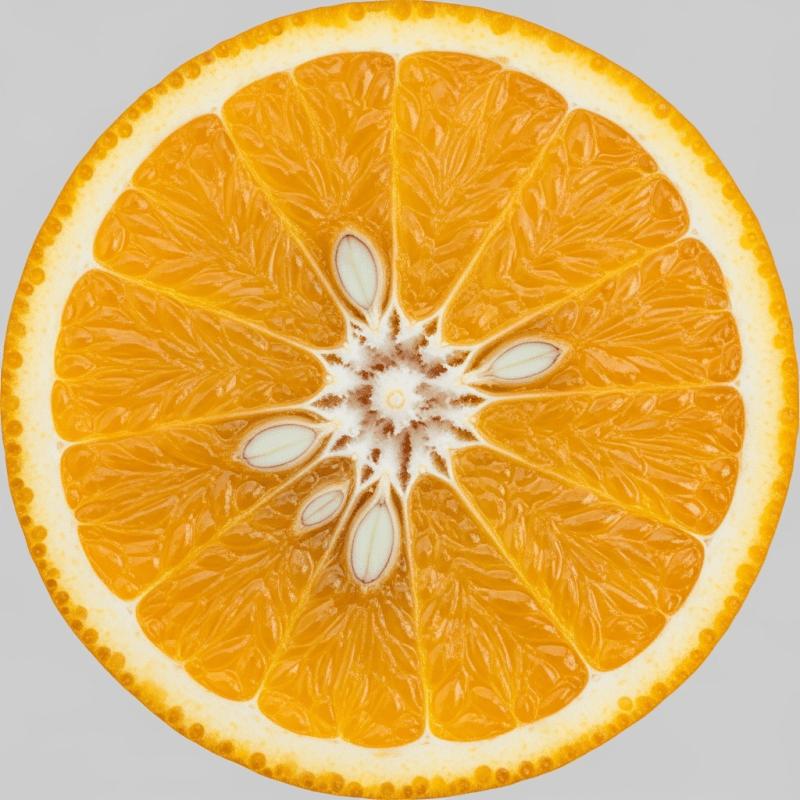
Soft cotton tee, unisex sizes
Buy ShirtIn Egypt and the Middle East, the Succari Orange holds cultural value as a symbol of natural sweetness and local agricultural heritage. Its name and popularity reflect regional tastes that favor mild, sugary fruits, distinguishing it from more acidic citrus varieties common elsewhere.
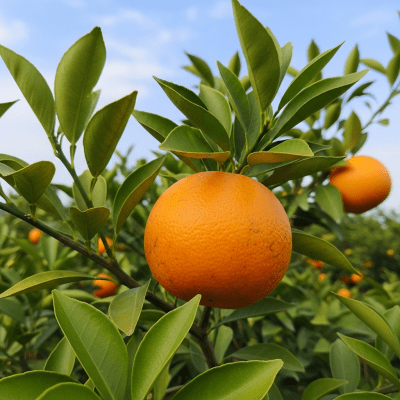
Succari Orange trees thrive in climates typical of Egypt and the Middle East, with harvest season from November to January. Growers should manage the trees carefully to prevent alternate bearing and handle fruit gently post-harvest due to its sensitivity and short shelf life. Regular monitoring for common sweet orange diseases is recommended, though no special resistances are known.
Rich in natural sugars and water, the Succari Orange provides hydration and a quick energy boost. Its juicy flesh offers vitamin C and antioxidants typical of sweet oranges, supporting immune health and skin vitality, though its low acidity makes it gentler on sensitive stomachs compared to more tart citrus varieties.
Among sweet oranges, the Succari Orange is distinguished by its low acidity and sweetness. Other well-known varieties include the seedless Navel, the juicy Valencia favored for juice, and the blood orange, known for its distinctive red flesh. Each variety offers unique flavor profiles and uses, with Succari prized for fresh eating in its native region.
Succari Oranges are best harvested from November through January when fully ripe to ensure peak sweetness. Due to their thin rind and low acidity, they require gentle handling to avoid bruising and spoilage. Storage life is relatively short, so prompt consumption or refrigeration is advised to maintain freshness.