Valencia
The Valencia orange (Citrus sinensis 'Valencia') is the world’s premier orange cultivar for juice production, celebrated for its abundant juice, balanced sweetness, and late-season harvest.
The Valencia orange (Citrus sinensis 'Valencia') is the world’s premier orange cultivar for juice production, celebrated for its abundant juice, balanced sweetness, and late-season harvest.
Originating in mid-19th century California, the Valencia orange was developed by horticulturist William Wolfskill. Though its exact genetic lineage traces back to Portuguese sweet orange types, the cultivar was named after Spain’s famed citrus region, Valencia, and quickly rose to global prominence as a leading juice orange.
Valencia belongs to the sweet orange species Citrus sinensis, a member of the Rutaceae family. It is classified as a late-season juicing orange cultivar within the broader commercial group of sweet oranges, distinct from table varieties like the navel orange.
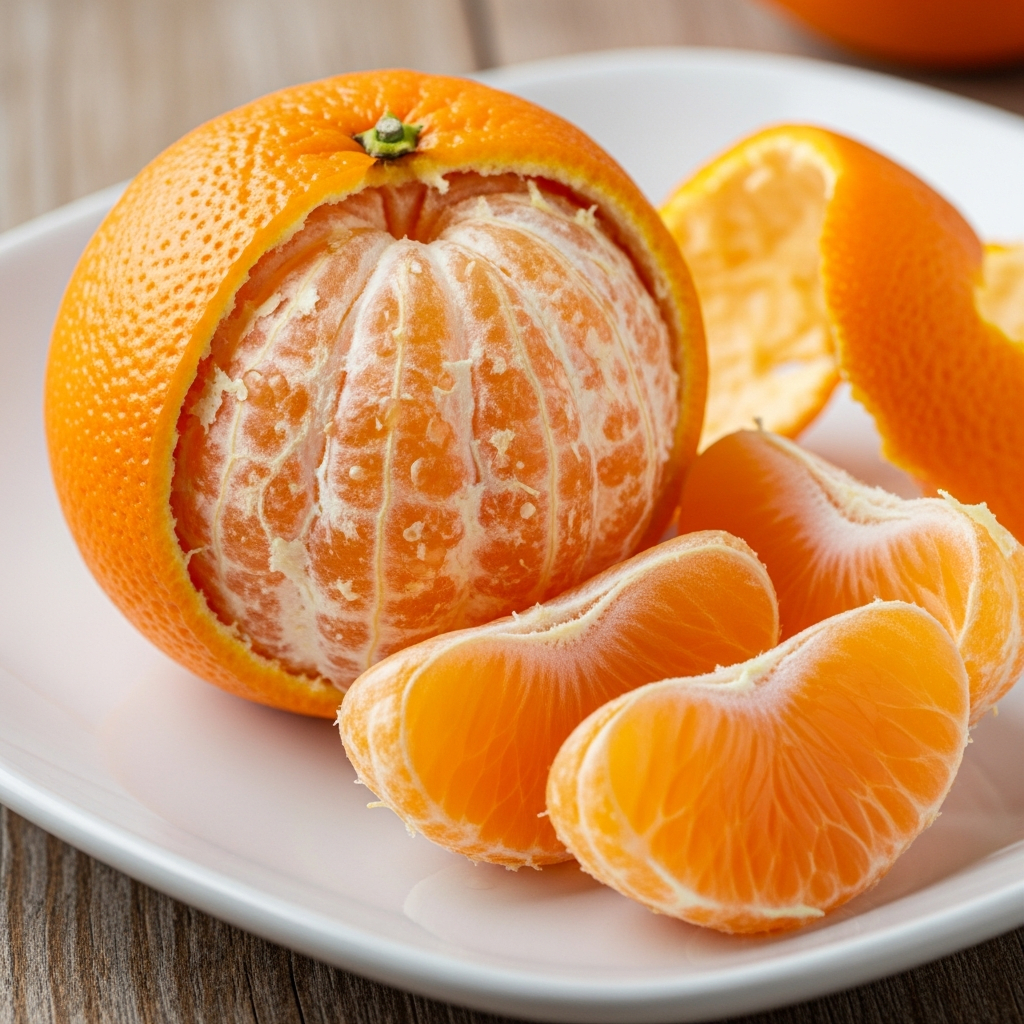
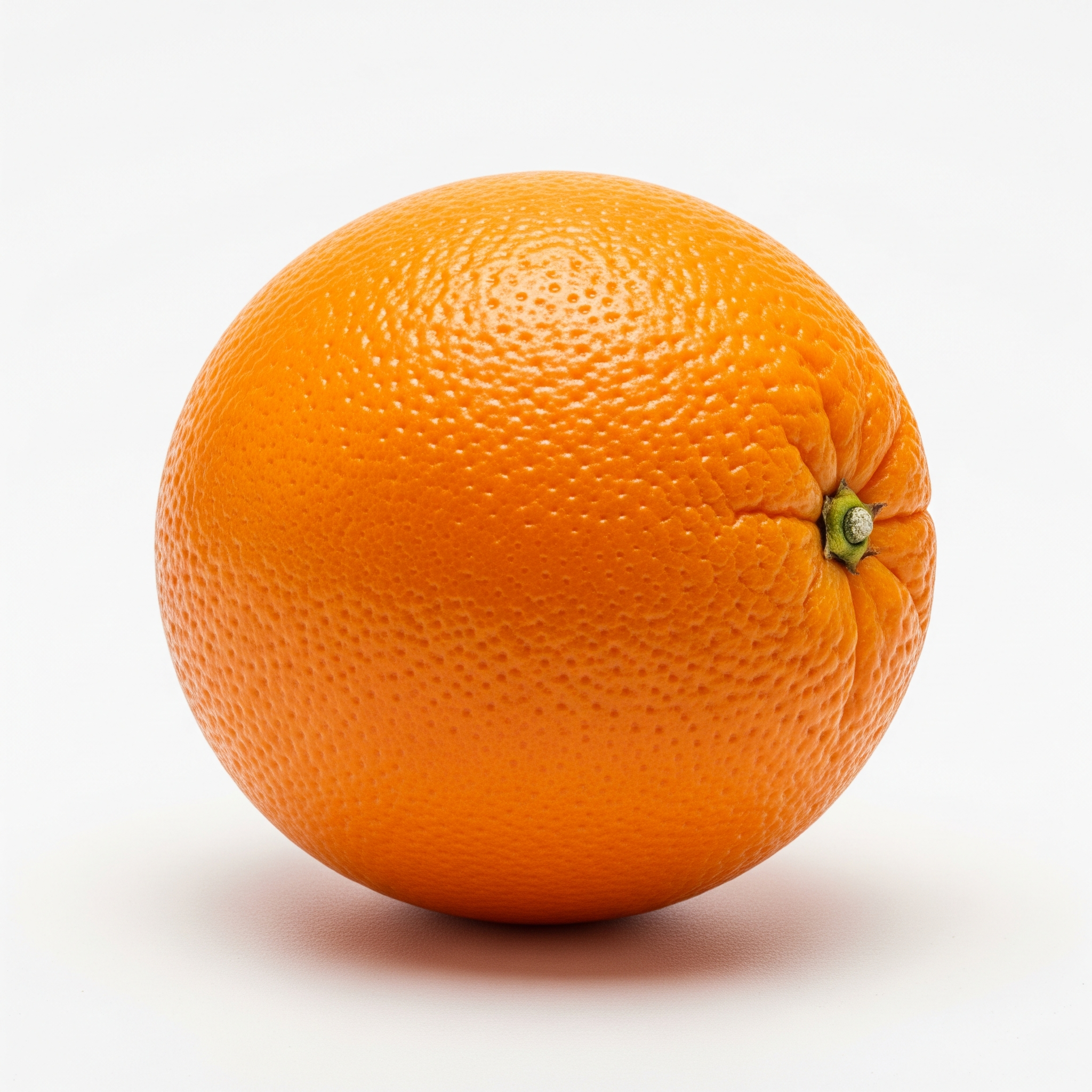
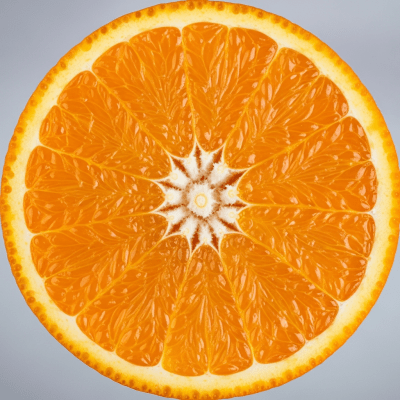
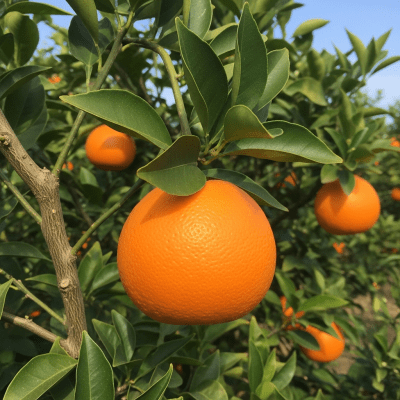
Valencia oranges are medium to large, typically round with a thin, smooth rind of bright orange color. The flesh is deep orange, tender, and exceptionally juicy, containing few seeds—usually between one and six. The trees are vigorous and upright with glossy, dark green leaves, forming a moderately dense canopy.
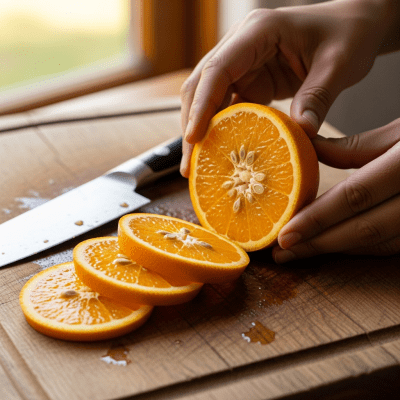
Primarily cultivated for juicing, Valencia oranges deliver a high juice yield with a bright, balanced flavor free from bitterness. Their thin skin and occasional seeds make them less popular for fresh eating compared to navel oranges. Beyond juice, they are also used in marmalades, desserts, and culinary recipes requiring fresh orange juice.
Bring this kind into your world illustrated posters, mugs, and shirts.
Archival print, museum-grade paper
Buy Poster
Stoneware mug, dishwasher safe
Buy Mug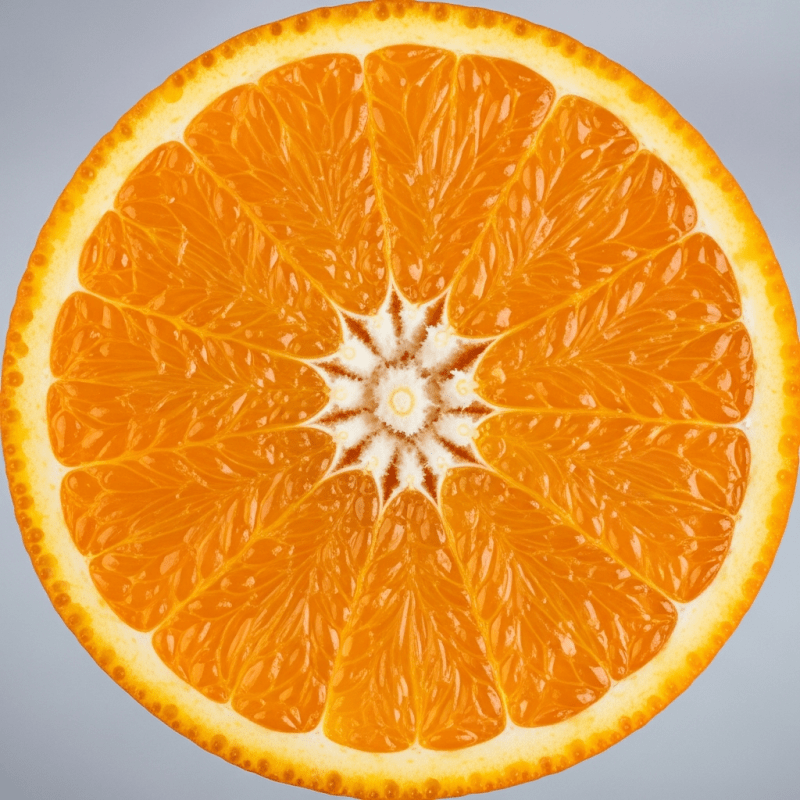
Soft cotton tee, unisex sizes
Buy ShirtAs the dominant orange for juice worldwide, Valencia oranges have become synonymous with fresh orange juice in many cultures, especially in the United States, Brazil, and Spain. Their name evokes the rich citrus heritage of Valencia, Spain, linking modern agriculture to traditional Mediterranean citrus cultivation.
Valencia oranges thrive in warm climates with good wind and heat tolerance. They require well-drained soil and benefit from regular irrigation during dry periods. Growers should monitor for citrus greening and canker, applying integrated pest management to maintain tree health. The fruit holds well on the tree, allowing flexible harvest timing from March through June.
Rich in vitamin C and antioxidants, Valencia oranges support immune health and skin vitality. Their balanced sugar-acid ratio provides natural sweetness without excessive calories, while the high juice content aids hydration and delivers beneficial flavonoids linked to cardiovascular wellness.
Among Valencia orange subtypes, the 'Midknight Valencia' stands out as a widely cultivated seedless mutation favored for export markets. Other recognized synonyms include 'Valencia Late' and 'Valencia Select,' each representing selections optimized for juice quality and yield.
Valencia oranges are best harvested when fully ripe between March and June, although their fruit can regreen on the tree without loss of quality. Prompt processing after picking preserves flavor and juice integrity, as storage life is moderate. For fresh markets, cool storage can extend shelf life but is less critical than for other cultivars.