Parson Brown Orange
The Parson Brown Orange is a historic sweet orange cultivar known for its early ripening and traditional use in juice production, originating from Florida, USA.
The Parson Brown Orange is a historic sweet orange cultivar known for its early ripening and traditional use in juice production, originating from Florida, USA.
Discovered in 1865 by Reverend N.L. Brown in Florida, the Parson Brown Orange is believed to be a chance seedling with no formal breeding program. It gained commercial importance in the late 19th and early 20th centuries as an early-season juice orange in Florida's citrus industry.
Parson Brown belongs to the sweet orange species Citrus sinensis, a member of the Rutaceae family. It is classified as a traditional cultivar within the broader group of commercial sweet oranges, distinct from mandarins and bitter oranges.
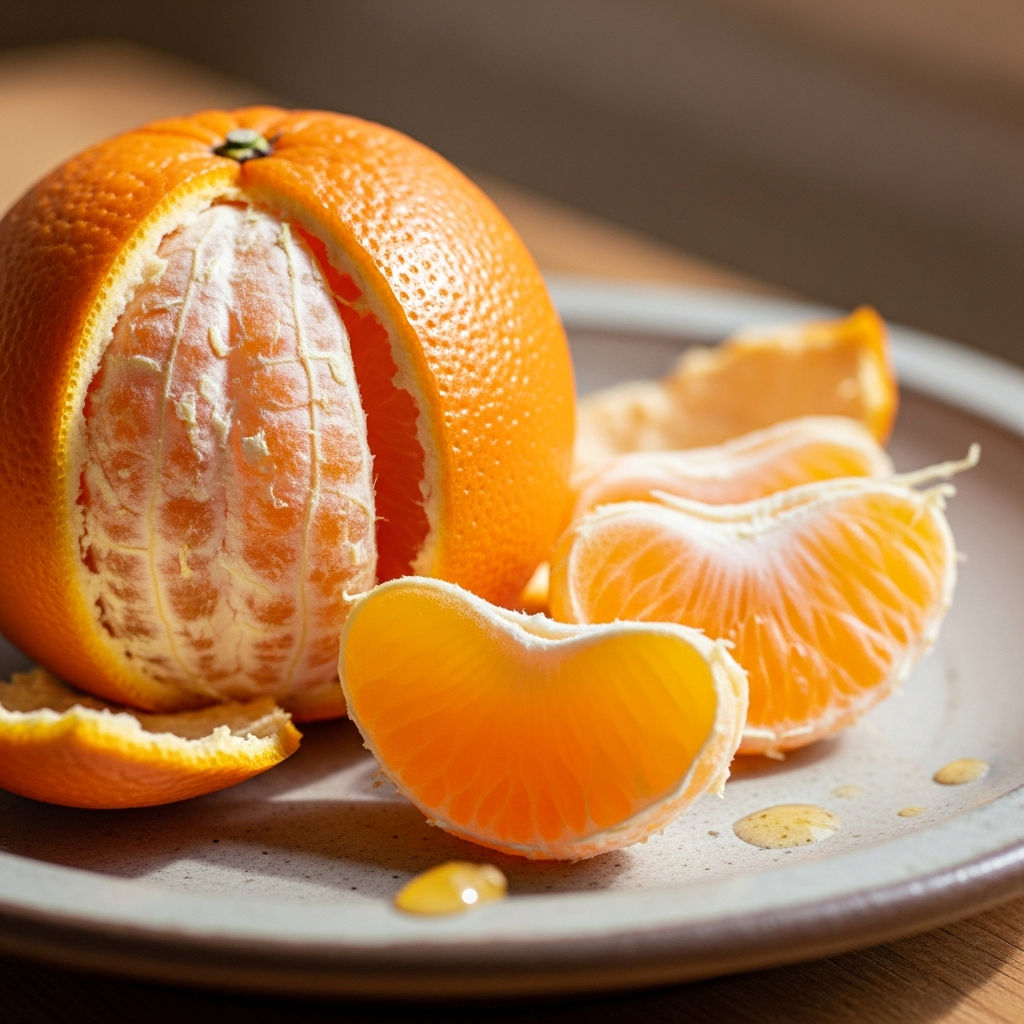
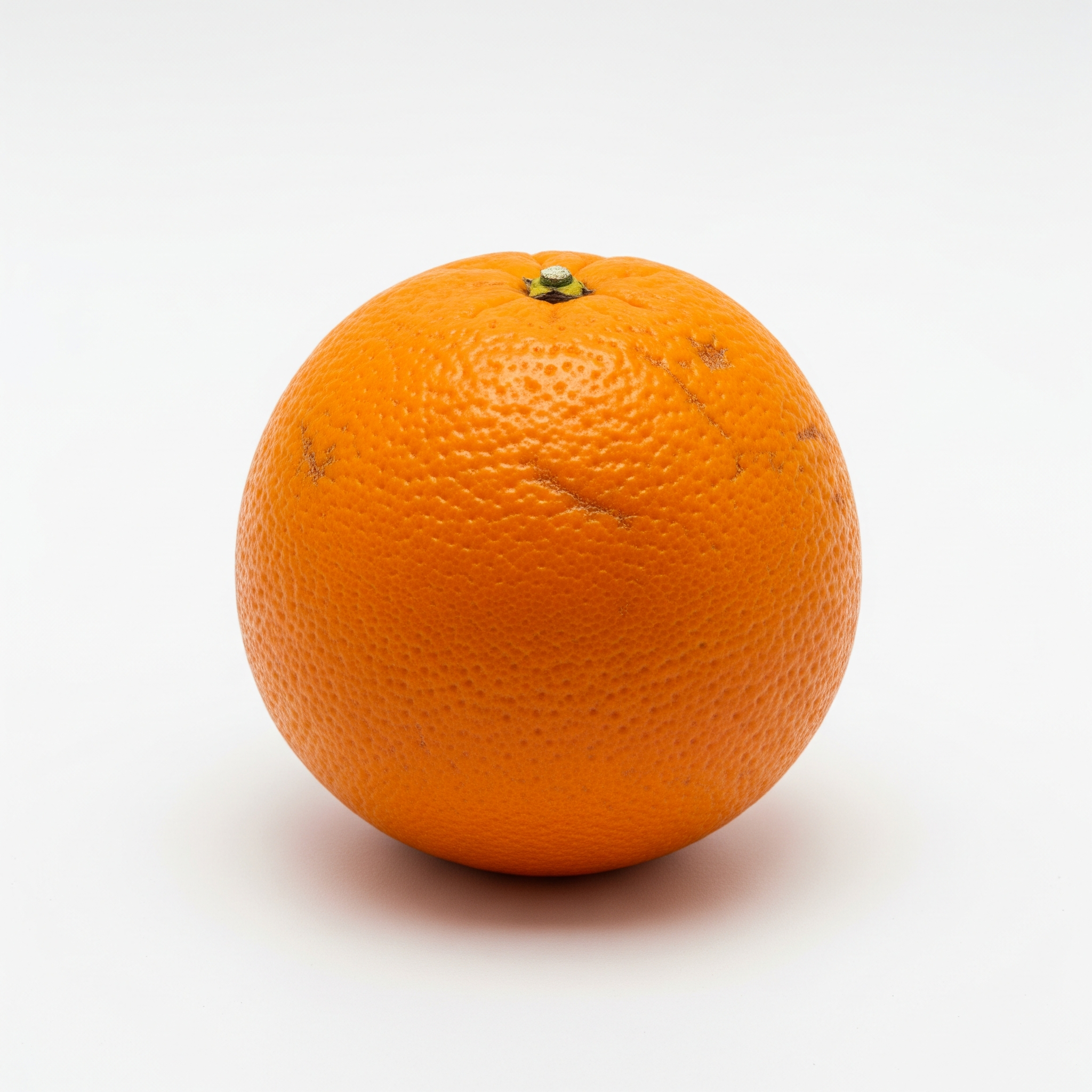
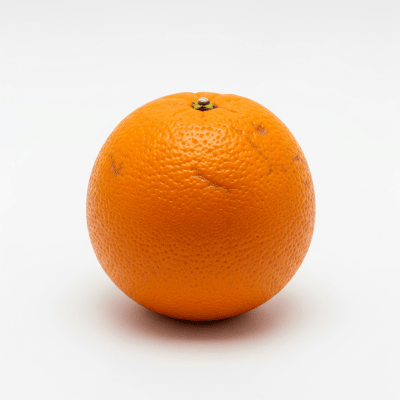
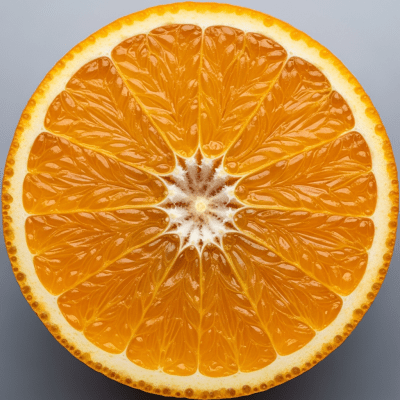
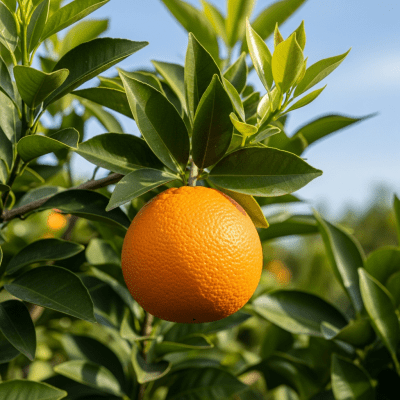
The fruit is medium-sized, measuring 6 to 8 centimeters in diameter, with a slightly oval shape. It features a bright orange rind that is moderately thick and pebbled in texture. Inside, the flesh is orange, moderately juicy, and somewhat acidic, containing between 10 and 30 seeds per fruit. The tree itself is vigorous and upright, with foliage adapted to tolerate the moderately cold climate of northern Florida.
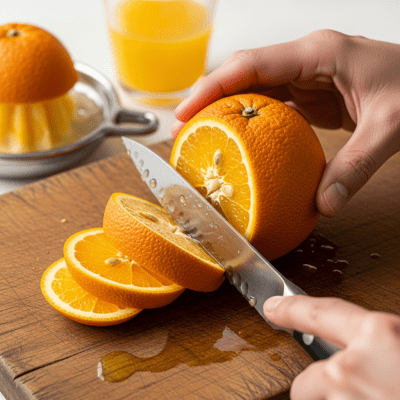
Primarily valued for early-season juicing, the Parson Brown Orange produces fruit from October to December. Its moderate juice content and sugar-acid balance make it suitable for juice, though the high seed count and acidity limit its appeal for fresh eating. The fruit is prone to splitting and granulation if left on the tree too long, requiring timely harvest.
Bring this kind into your world illustrated posters, mugs, and shirts.
Archival print, museum-grade paper
Buy Poster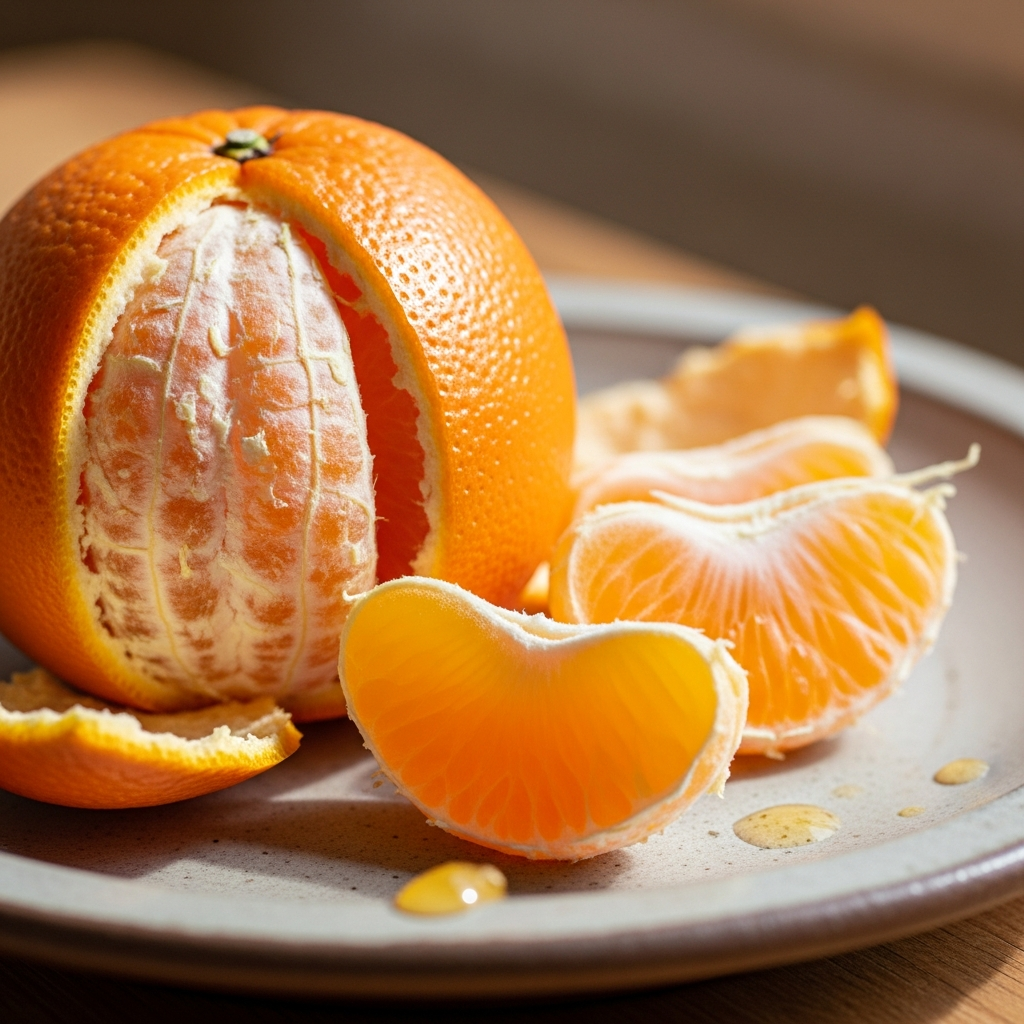
Stoneware mug, dishwasher safe
Buy Mug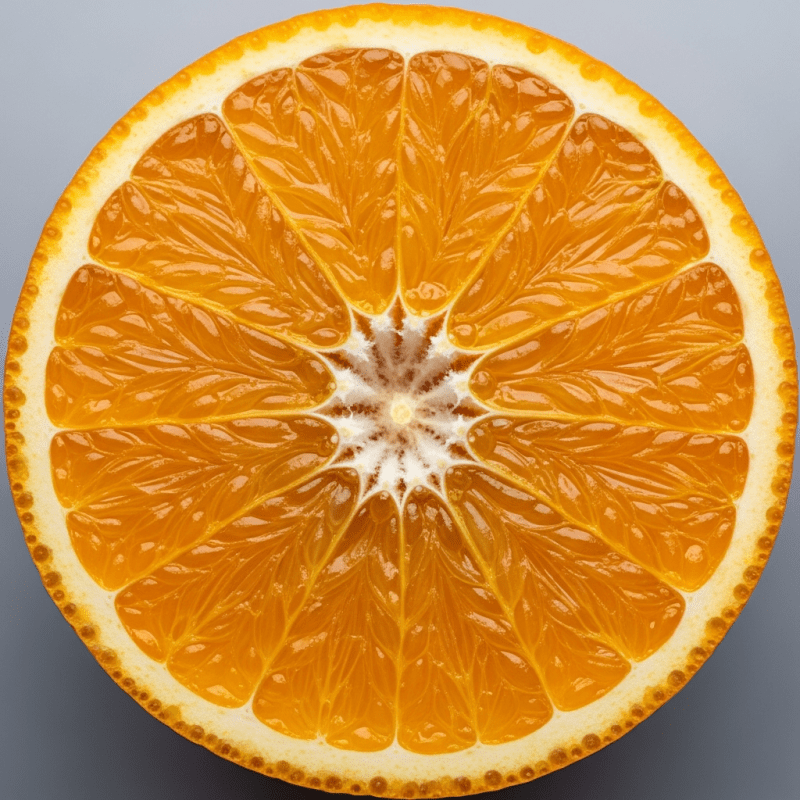
Soft cotton tee, unisex sizes
Buy ShirtAs one of Florida's early commercial orange cultivars, Parson Brown played a key role in establishing the state's citrus industry. Though largely replaced by seedless and higher-yielding varieties, it remains a symbol of heritage groves and early American citrus cultivation.
Parson Brown trees thrive in moderately cold-hardy climates like northern Florida. They require timely harvesting to avoid fruit splitting and granulation. Regular monitoring for citrus canker and greening (HLB) is important, as the cultivar has average disease resistance. Moderate watering and well-drained soil support healthy growth.
Like other sweet oranges, Parson Brown provides vitamin C, antioxidants, and dietary fiber. Its moderate acidity and juiciness contribute to refreshing, nutrient-rich juice that supports immune health and hydration.
While Parson Brown was once a commercial favorite, it has been largely supplanted by seedless and higher-yielding varieties such as Hamlin and Valencia, which offer better juice yield and fewer seeds.
Harvest Parson Brown oranges from October through December, ensuring prompt picking to prevent splitting and granulation. Due to its thinner rind and juice content, storage life is shorter than later-ripening varieties. Store in cool, dry conditions and consume quickly for best flavor and freshness.