Lane Late Navel Orange
The Lane Late Navel Orange is a late-maturing, seedless sweet orange cultivar prized for its bright orange rind, juicy deep orange flesh, and extended harvest season that fills the market gap after standard navel oranges.
The Lane Late Navel Orange is a late-maturing, seedless sweet orange cultivar prized for its bright orange rind, juicy deep orange flesh, and extended harvest season that fills the market gap after standard navel oranges.
Discovered in 1950 in Curlwaa, New South Wales, Australia, the Lane Late Navel Orange originated as a natural bud sport mutation on a Washington Navel tree. This clonal selection was propagated for its unique late-ripening trait, allowing it to extend the fresh orange season beyond traditional harvest times.
Belonging to the species Citrus sinensis, the Lane Late Navel Orange is a cultivar within the sweet orange family. It is a direct mutation of the Washington Navel orange, distinguished primarily by its later maturation rather than hybridization or crossbreeding.
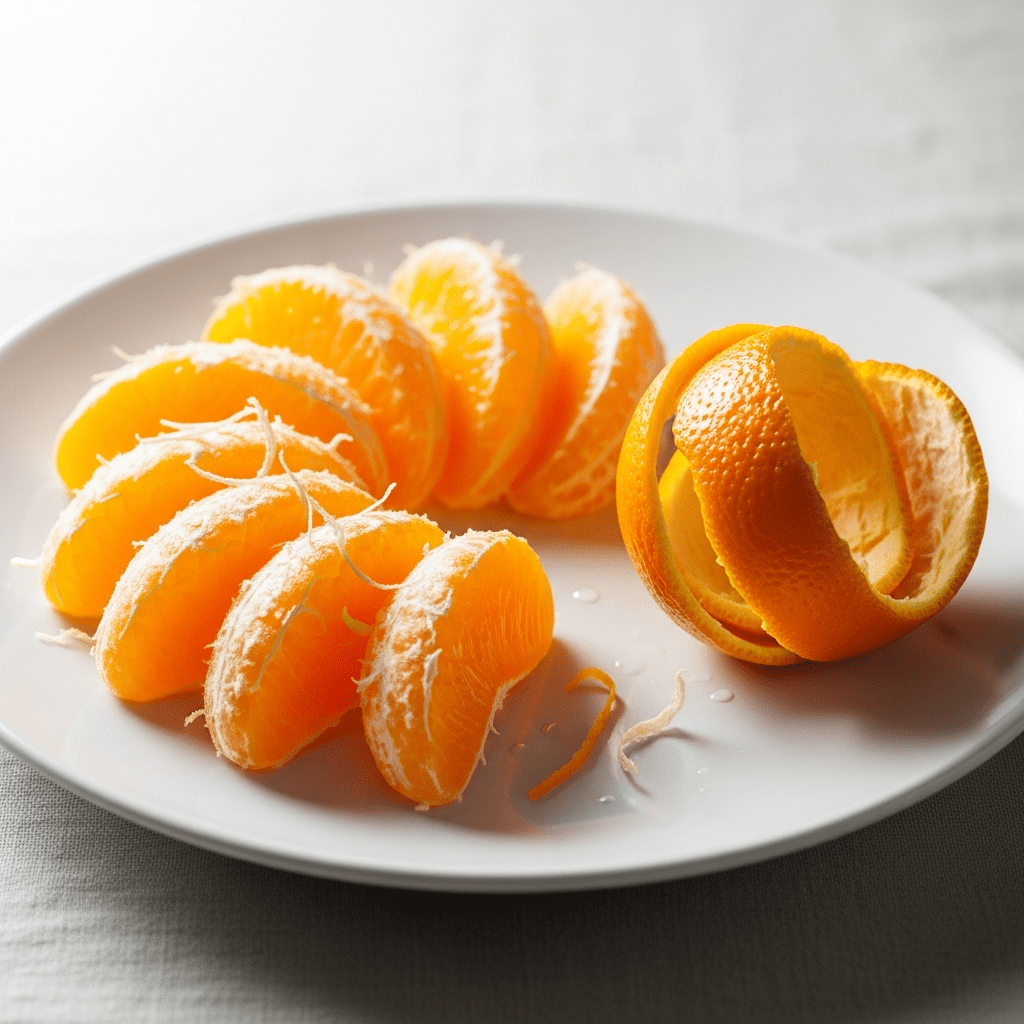
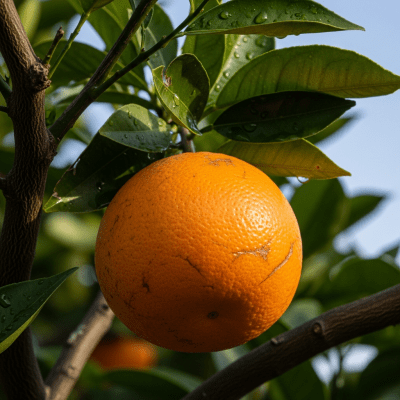
Lane Late Navel Oranges are medium to large, typically 7 to 9 centimeters in diameter, with a round shape and bright orange rind that is moderately thick yet easy to peel. The fruit is virtually seedless, revealing tender, juicy deep orange flesh that embodies the classic navel orange character.
Primarily enjoyed fresh, the Lane Late Navel Orange offers a sweet, juicy flavor ideal for eating out of hand. Its late-season harvest allows growers and markets to supply fresh oranges well into early summer in the Northern Hemisphere or late spring in Australia. Unlike some oranges, it is rarely used for juicing, as its flesh quality is best appreciated whole.
Bring this kind into your world illustrated posters, mugs, and shirts.

Archival print, museum-grade paper
Buy Poster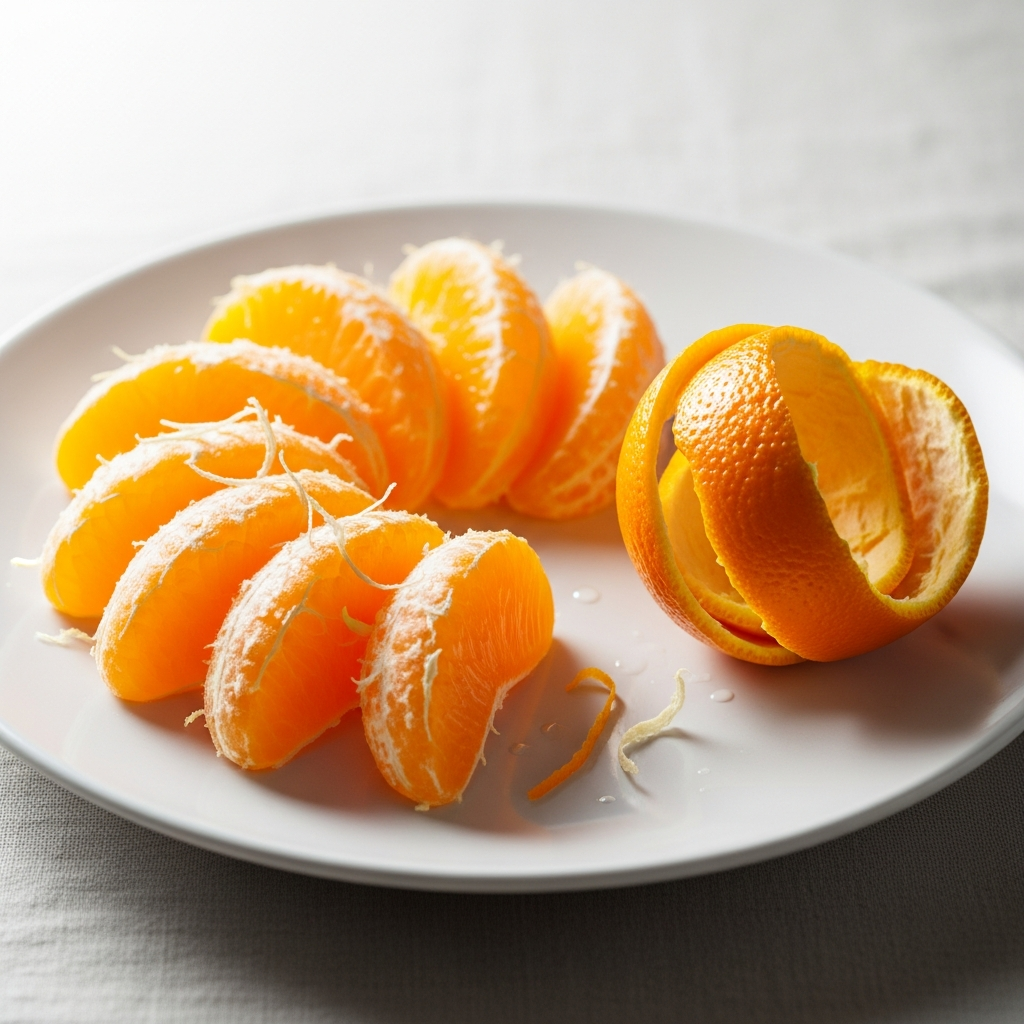
Stoneware mug, dishwasher safe
Buy Mug
Soft cotton tee, unisex sizes
Buy ShirtWhile not widely featured in art or mythology, the Lane Late Navel Orange holds cultural importance in Australian and Californian citrus industries as a dependable late-season fruit. Its ability to extend the fresh orange season has made it a valued cultivar for growers and consumers alike.
To cultivate Lane Late Navel Oranges successfully, plant in regions with a climate suitable for sweet oranges. Trees are medium-sized and vigorous, requiring well-drained soil and regular irrigation. Monitor for common citrus diseases like Phytophthora root rot and citrus canker. Harvest timing is critical to capture the late-season maturity, typically from May to July in the Northern Hemisphere or October to December in Australia.



Like other sweet oranges, Lane Late Navel Oranges are rich in vitamin C, antioxidants, and dietary fiber. Their juicy, tender flesh supports hydration and immune health, while their natural sweetness provides a wholesome, low-calorie snack option.
Lane Late Navel Orange is a notable late-season cultivar within the navel orange group, alongside the Washington Navel, which it mutated from. Other popular sweet orange varieties include Valencia oranges, known for juicing, and blood oranges, prized for their distinctive red flesh.
Harvest Lane Late Navel Oranges when fully ripe during their late season, from May to July in the Northern Hemisphere or October to December in Australia. The fruit holds well on the tree, allowing flexible picking times. After harvest, store in cool, dry conditions to maintain freshness and resist granulation, extending shelf life for market distribution.