Bitter Orange
Bitter orange (Citrus aurantium) is a distinct citrus species known for its sour, aromatic fruit, primarily valued for culinary processing, essential oils, and as a hardy rootstock in citrus cultivation.
Bitter orange (Citrus aurantium) is a distinct citrus species known for its sour, aromatic fruit, primarily valued for culinary processing, essential oils, and as a hardy rootstock in citrus cultivation.
Bitter orange originated in Southeast Asia and was introduced to the Mediterranean region around the 10th century, likely carried by Arab traders. It is a natural hybrid between pomelo (Citrus maxima) and mandarin (Citrus reticulata), with no single known breeder or institution responsible for its early propagation.
Bitter orange belongs to the genus Citrus within the Rutaceae family and is scientifically named Citrus aurantium. It is taxonomically distinct from sweet oranges (Citrus sinensis) and mandarins, often classified separately due to its unique flavor and uses.
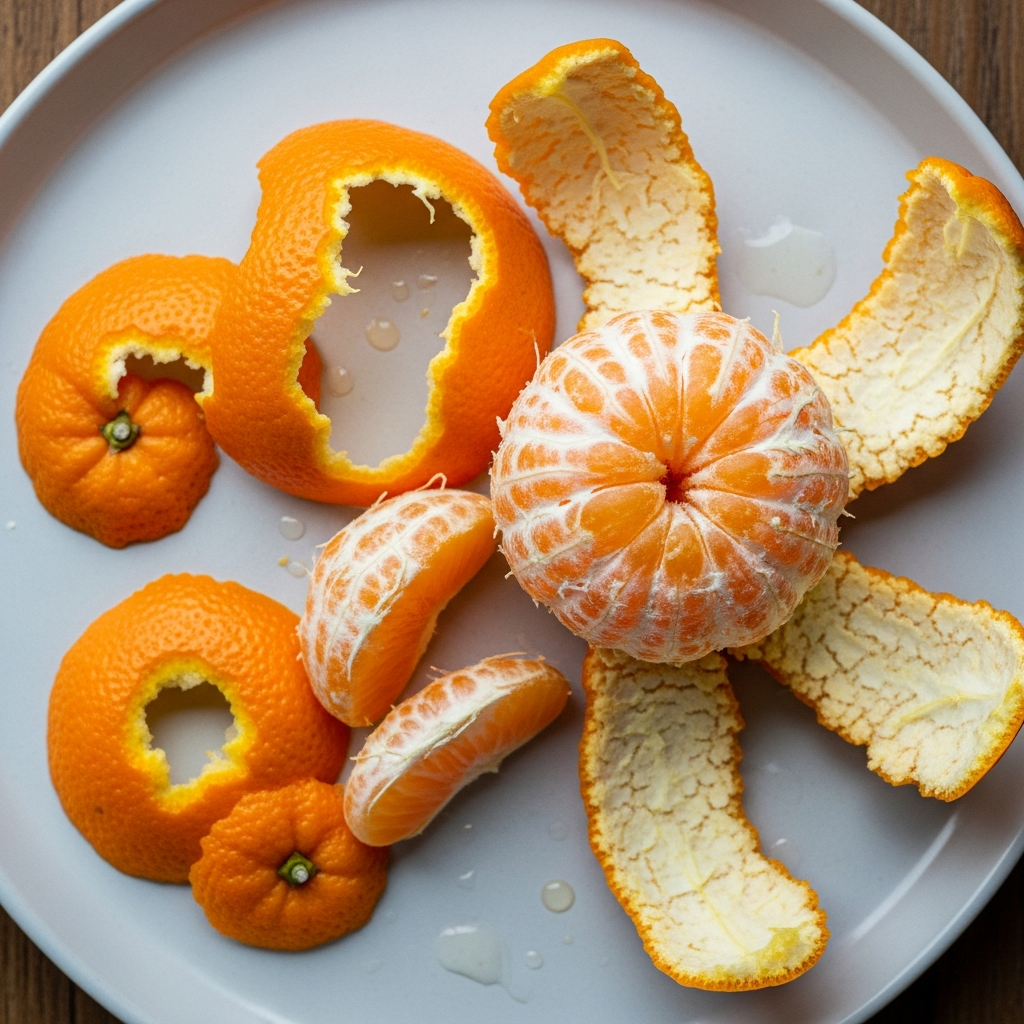
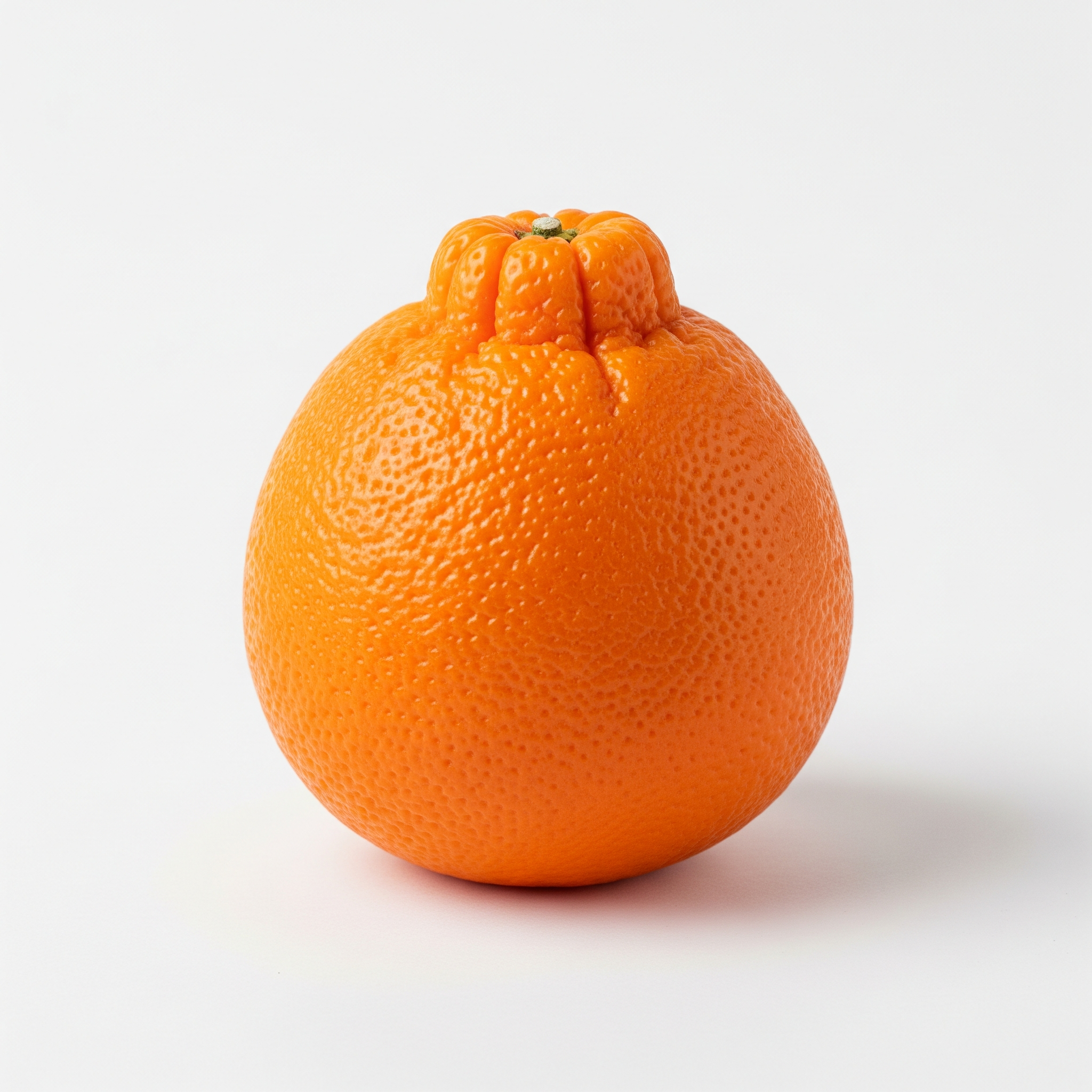
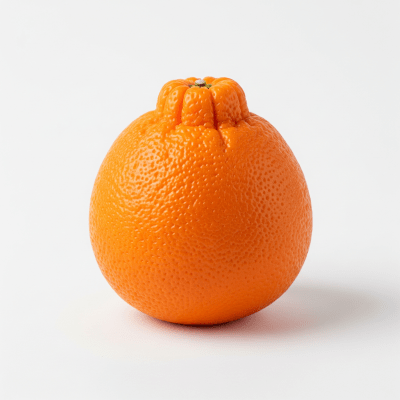
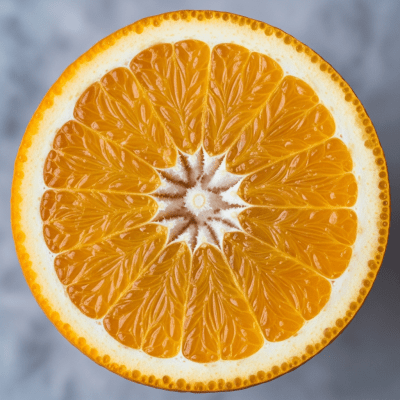
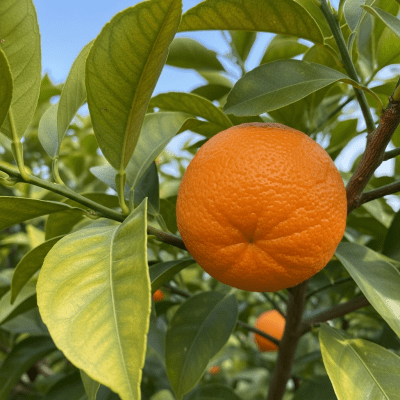
The fruit is typically round, measuring between 6 and 8 centimeters in diameter. Its rind is thick, rough, and varies from bright orange to reddish-orange. Inside, the flesh is segmented, acidic, and bitter, containing numerous seeds. The tree is medium-sized, evergreen, and vigorous, growing 3 to 9 meters tall, with dark green, glossy, aromatic leaves featuring prominent winged petioles.
Bitter orange is rarely eaten fresh due to its sour and bitter taste. Instead, it is prized for processing into marmalade, candied peel, and as a flavoring component in liqueurs such as Curaçao, Triple Sec, and Grand Marnier. The peel and flowers yield essential oils used in perfumery and aromatherapy. Additionally, the tree serves as a robust rootstock, valued for its tolerance to soil salinity, drought, and certain diseases, supporting commercial citrus cultivation worldwide.
Bring this kind into your world illustrated posters, mugs, and shirts.
Archival print, museum-grade paper
Buy Poster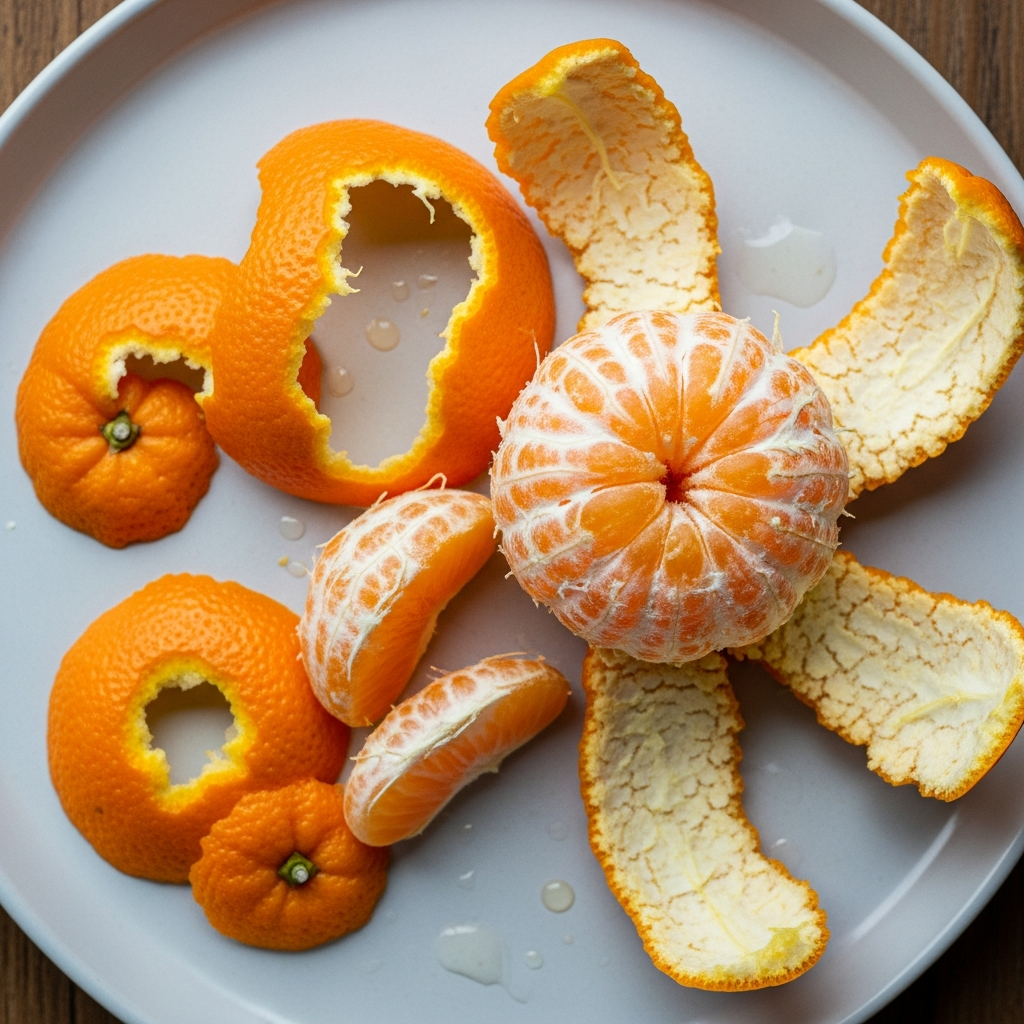
Stoneware mug, dishwasher safe
Buy Mug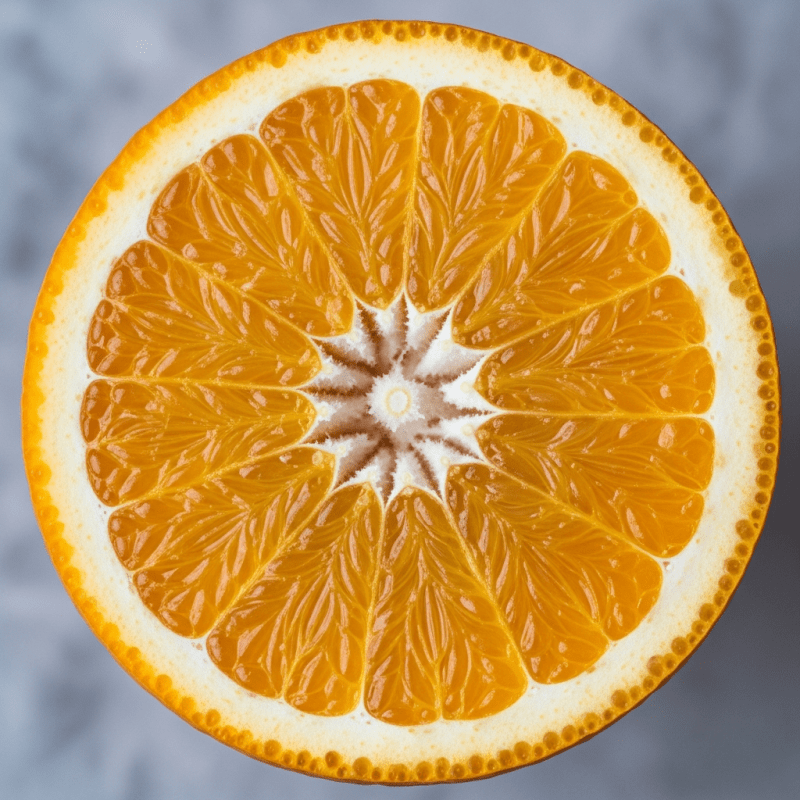
Soft cotton tee, unisex sizes
Buy ShirtKnown regionally as Seville orange, bigarade, or naranja agria, bitter orange holds a special place in Mediterranean and Middle Eastern culinary traditions, especially in marmalade production and preserves. Its distinctive aroma and flavor have also influenced European perfumery and traditional remedies, embedding it deeply in cultural practices and artisanal crafts.
To grow bitter orange successfully, plant in well-drained soil with full sun exposure. The tree thrives in Mediterranean climates and tolerates drought and soil salinity better than many citrus species. Regular irrigation during dry periods supports moderate yields. Watch for susceptibility to Phytophthora and nematodes, and consider preventive treatments. Harvest fruit in winter when the rind develops full color, and prune to maintain tree vigor and airflow.

Bitter orange contains compounds with antioxidant and digestive properties, traditionally used to support metabolism and appetite. Its peel oils are valued in aromatherapy for calming effects. However, due to its bitter and acidic nature, consumption is typically limited to processed forms rather than fresh eating.
While bitter orange itself is a distinct species, regional synonyms and variants include the Seville orange in the UK and Spain, bigarade in France, and naranja agria in Latin America. These names reflect local uses and slight variations but refer broadly to the same species prized for processing and rootstock use.
Bitter oranges are best harvested in winter when the rind is fully colored and firm. The thick, rough peel contributes to a good storage life, allowing fruit to be kept for extended periods under cool, dry conditions. Proper handling avoids rind damage, preserving essential oils and quality for processing into marmalade, liqueurs, or oil extraction.