Navelina
The Navelina orange is an early-season, seedless sweet orange cultivar known for its bright, juicy fruit and compact tree form, widely valued for fresh eating and early market availability.
The Navelina orange is an early-season, seedless sweet orange cultivar known for its bright, juicy fruit and compact tree form, widely valued for fresh eating and early market availability.
Originating as a spontaneous bud sport of the Washington Navel orange in California in 1933, the Navelina was later introduced and commercially developed in Spain during the 1970s. Its adoption in Spanish citrus regions quickly established it as a premier early-season variety prized for its maturity timing and quality.
Navelina belongs to the sweet orange species Citrus sinensis and is classified as a navel orange cultivar, distinguished by its seedless nature and characteristic navel formation at the blossom end. It fits within the broader family Rutaceae and genus Citrus, sharing lineage with other commercial sweet oranges.
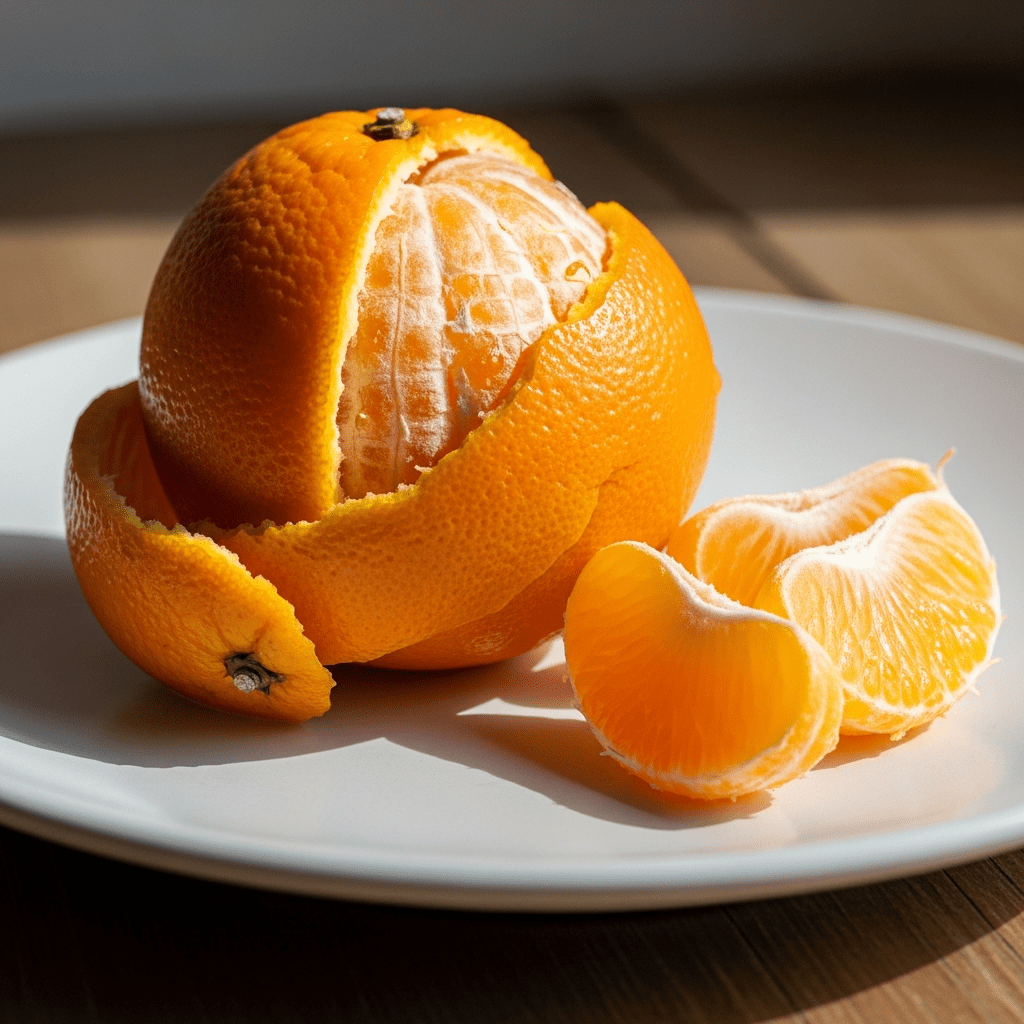
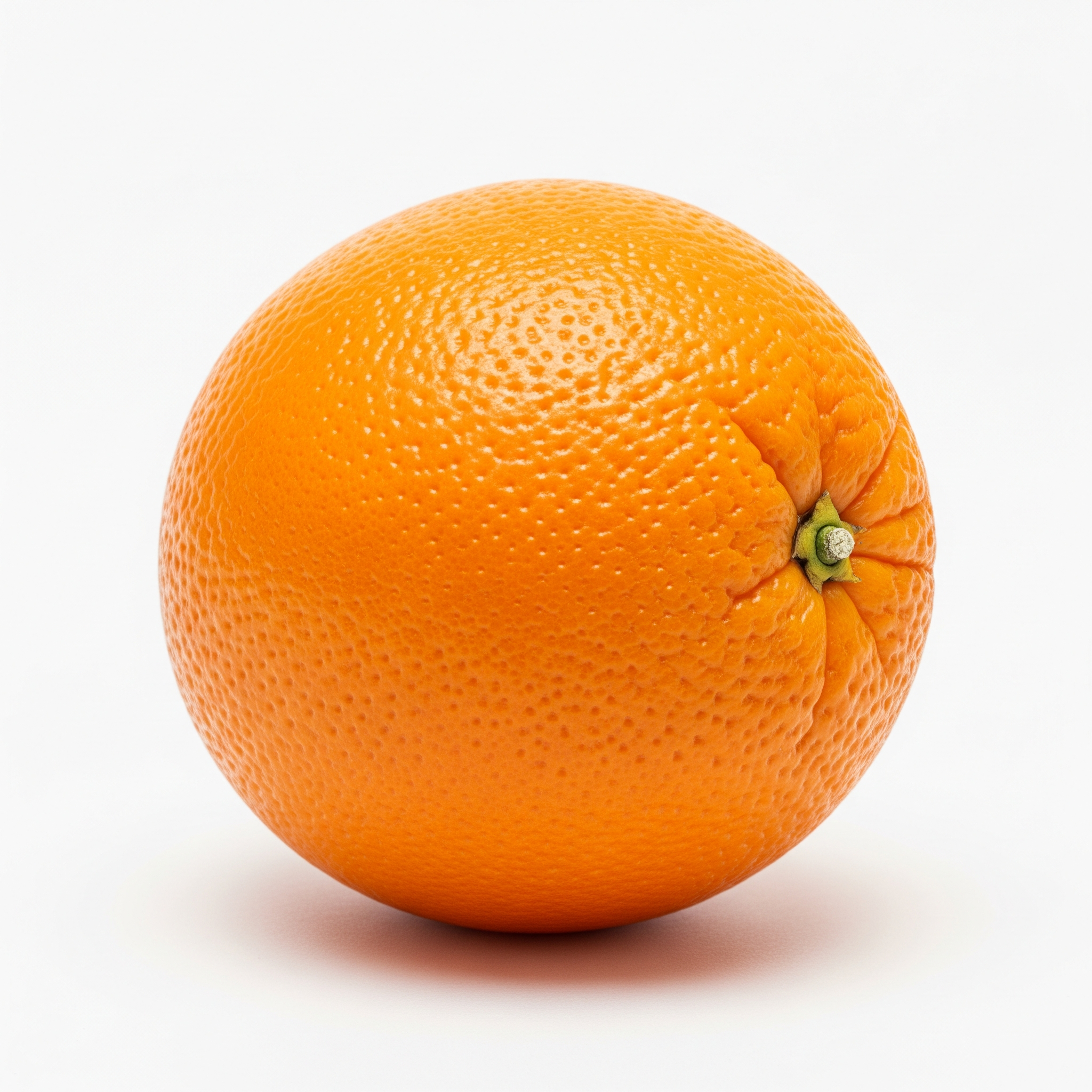
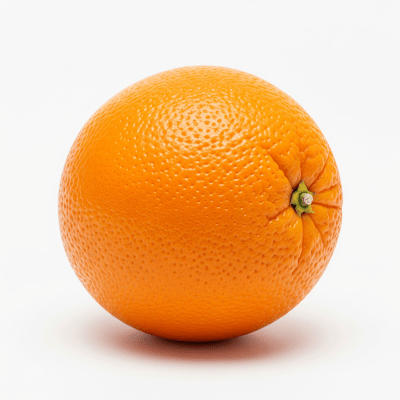
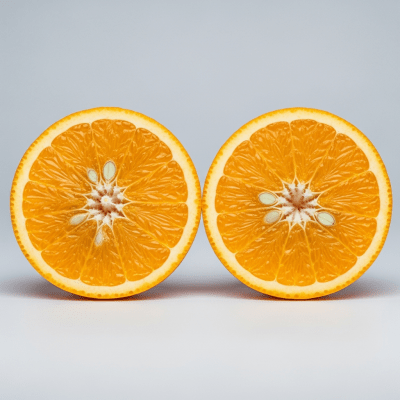
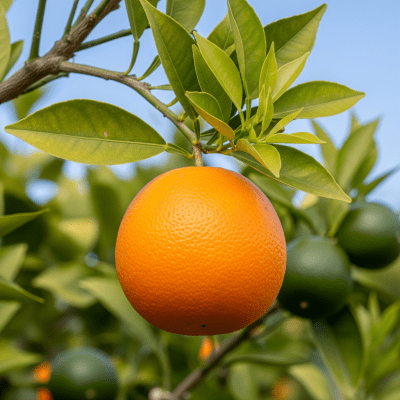
The fruit of the Navelina orange is slightly oval, medium-sized (5 to 7 cm in diameter), with a smooth, bright orange rind. Inside, the deep orange flesh is tender, juicy, and completely seedless, offering a balanced sweet flavor with low acidity. The tree itself is moderately vigorous, featuring a compact, rounded canopy and dense foliage.
Navelina oranges are primarily consumed fresh due to their appealing sweetness and seedless flesh. Their early ripening season allows growers to supply markets ahead of other navel varieties. While suitable for juicing, their juice tends to have lower acidity, making them less favored for some commercial blends. They are also popular in salads and desserts.
Bring this kind into your world illustrated posters, mugs, and shirts.
Archival print, museum-grade paper
Buy Poster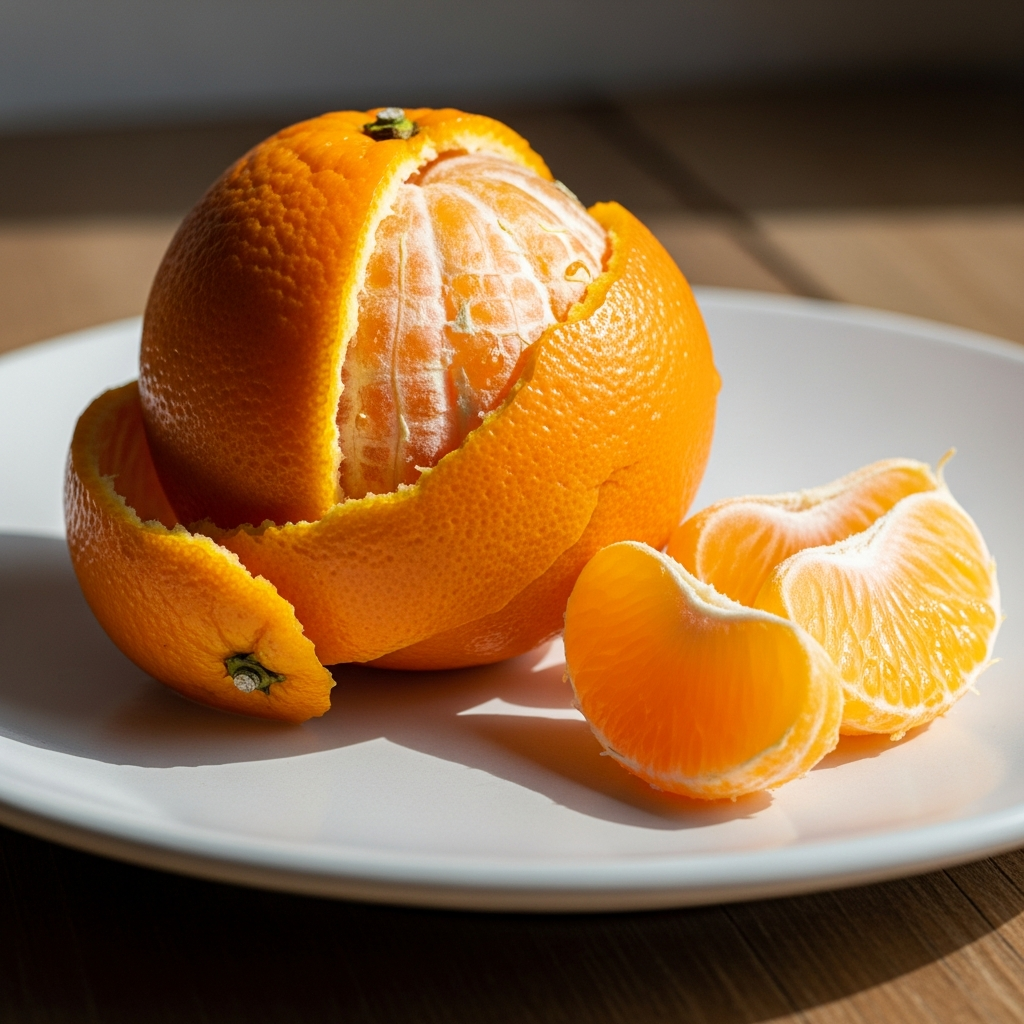
Stoneware mug, dishwasher safe
Buy Mug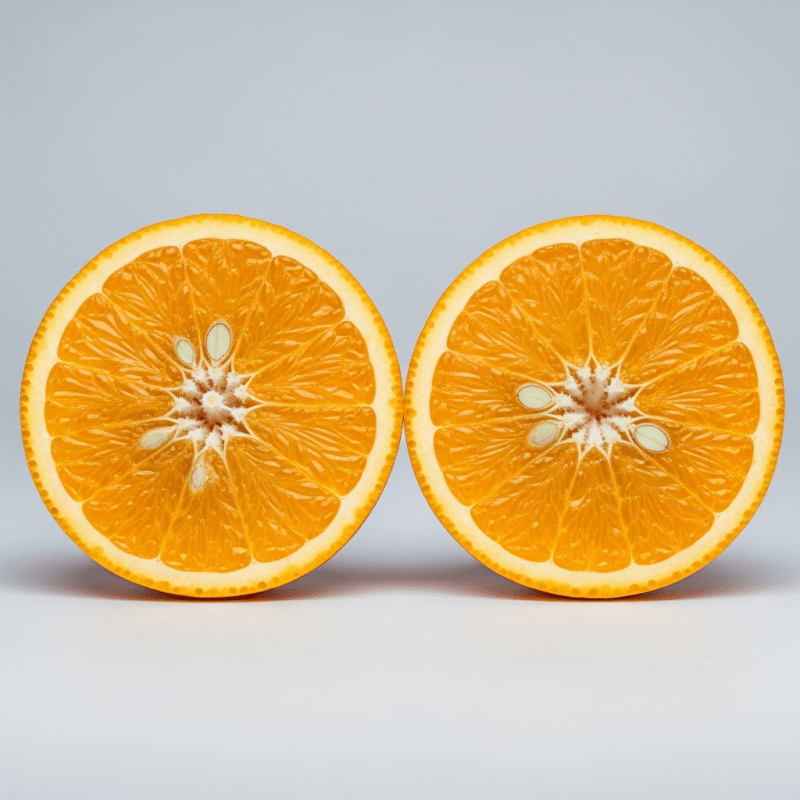
Soft cotton tee, unisex sizes
Buy ShirtIn Spain and Mediterranean regions, the Navelina orange holds cultural importance as a symbol of early citrus harvest and quality export fruit. Its presence in local markets marks the start of the orange season, celebrated for freshness and sweetness, and it contributes to the region's reputation as a leading citrus producer.
For optimal growth, Navelina oranges thrive in Mediterranean climates with mild winters and warm summers. Plant trees in well-drained soil with full sun exposure. Regular irrigation supports fruit development, but avoid excessive moisture to reduce disease risk. Monitor for fungal pathogens like Alternaria and practice timely harvest to prevent rind splitting. Pruning encourages a compact canopy and improves air circulation.

Navelina oranges offer a rich source of vitamin C, antioxidants, and dietary fiber. Their juicy, sweet flesh supports immune health, aids digestion, and provides hydration. Low acidity makes them gentle on the stomach, while natural sugars offer a refreshing energy boost. Regular consumption contributes to overall wellness and skin health.
Among navel oranges, Navelina stands out for its early maturity and seedless fruit. It is closely related to the Washington Navel, from which it mutated, and is often compared with other early navels like the Lane Late and Cara Cara, which differ in flesh color and harvest timing.
Harvest Navelina oranges when the rind turns bright orange and fruit reaches full size, typically from late October through January. Prompt picking is essential to avoid rind puffing and splitting. Store harvested fruit in cool, dry conditions to maintain freshness, with moderate shelf life under refrigeration. Proper handling reduces susceptibility to post-harvest fungal infections.