Shamouti Orange
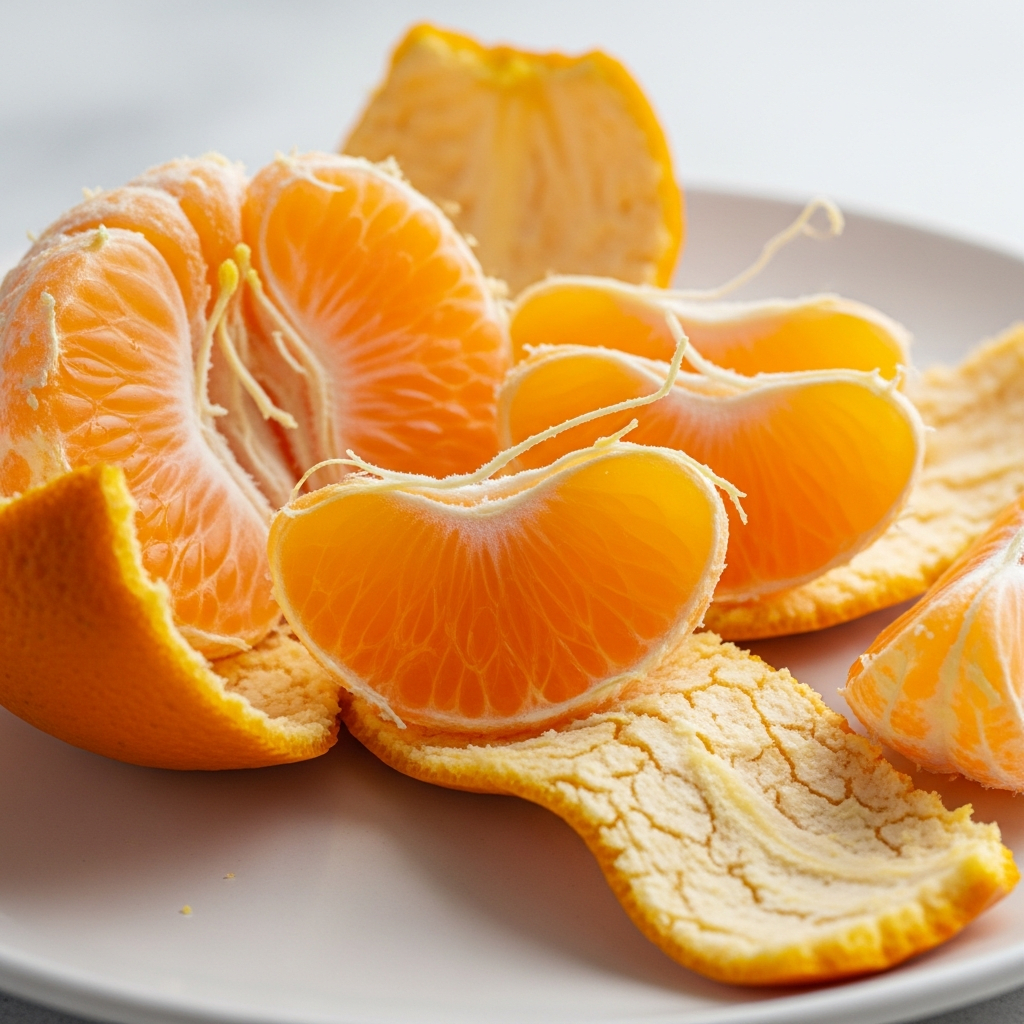
The Shamouti orange is a seedless, sweet orange cultivar known for its elongated oval shape, easy-to-peel deep orange rind, and rich aromatic flavor, making it a prized fresh-eating fruit and Israel's principal export orange.
The Shamouti orange is a seedless, sweet orange cultivar known for its elongated oval shape, easy-to-peel deep orange rind, and rich aromatic flavor, making it a prized fresh-eating fruit and Israel's principal export orange.
Originating in the mid-19th century near Jaffa, Israel, the Shamouti orange was discovered by local Arab growers and propagated commercially from the late 1800s. It likely arose as a spontaneous mutation or selection from local sweet orange populations, with no formal breeder credited, and has since become deeply tied to the region’s citrus heritage.
The Shamouti orange belongs to the species Citrus sinensis, commonly known as the sweet orange. It is classified within the broader family Rutaceae and is recognized as a distinct cultivar prized for its seedless fruit and export qualities. It is often marketed under the commercial name "Jaffa orange," linking it to its geographic origin.
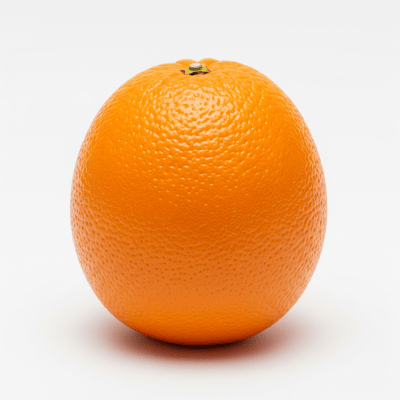
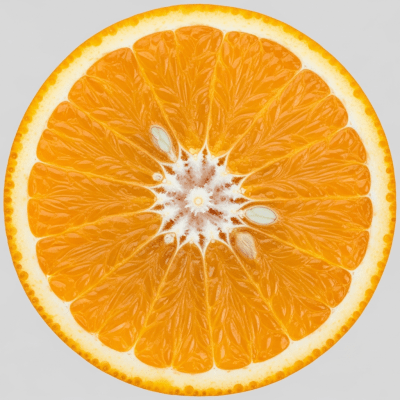
The fruit is medium to large, typically 6 to 9 centimeters in diameter, with an elongated oval shape rather than perfectly round. Its rind is thick, deep orange, and loosely attached, allowing for easy peeling. Inside, the flesh is tender, juicy, and bright orange, virtually seedless, offering a balanced sweet-tart flavor with a pronounced aromatic quality. The trees are vigorous and upright in growth.
Primarily enjoyed fresh due to its seedless nature and easy peeling, the Shamouti orange is also used for juicing. Its robust flavor and aromatic profile make it popular in domestic and international markets. The fruit’s excellent shelf life and resistance to bruising have made it ideal for export, especially to Europe and Russia, where it is sold under the "Jaffa orange" brand.
Bring this kind into your world illustrated posters, mugs, and shirts.
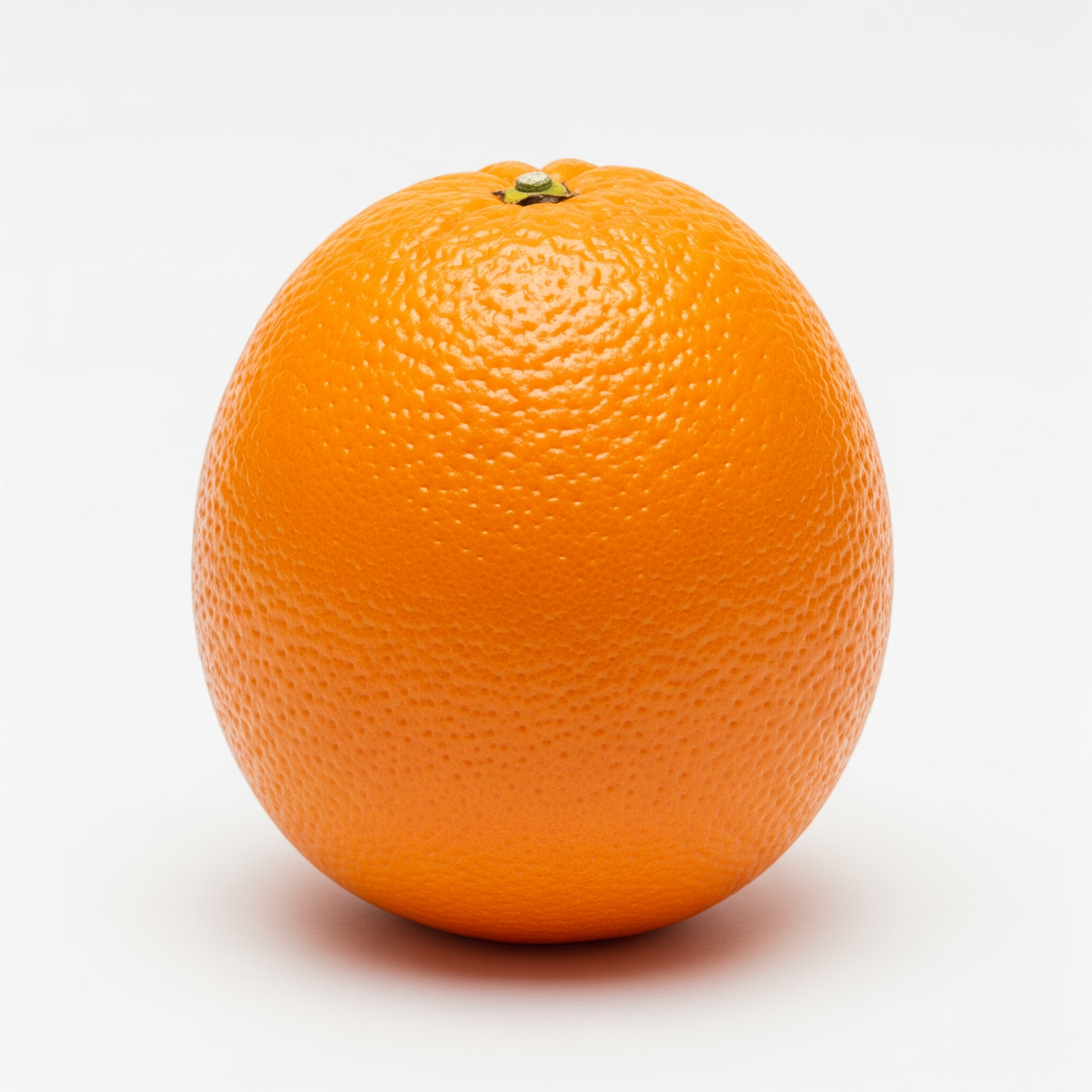
Archival print, museum-grade paper
Buy Poster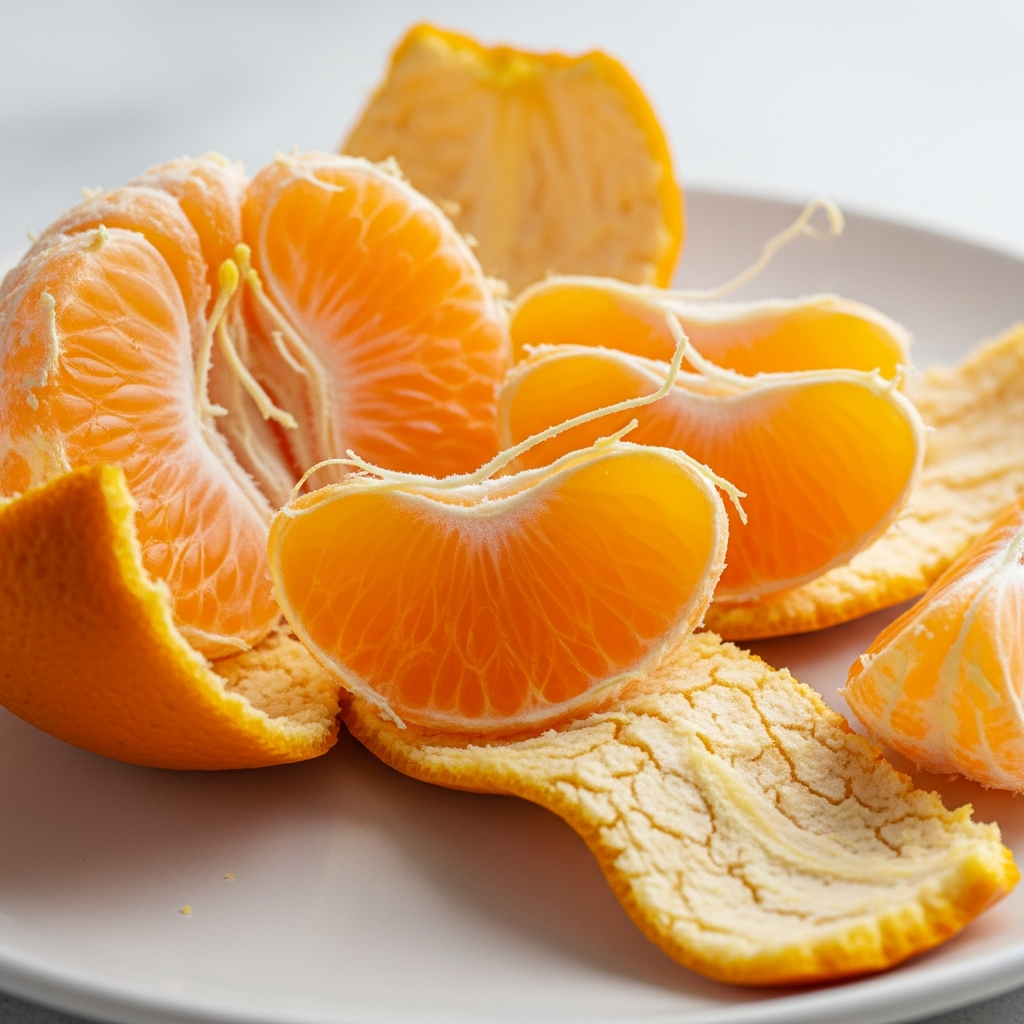
Stoneware mug, dishwasher safe
Buy Mug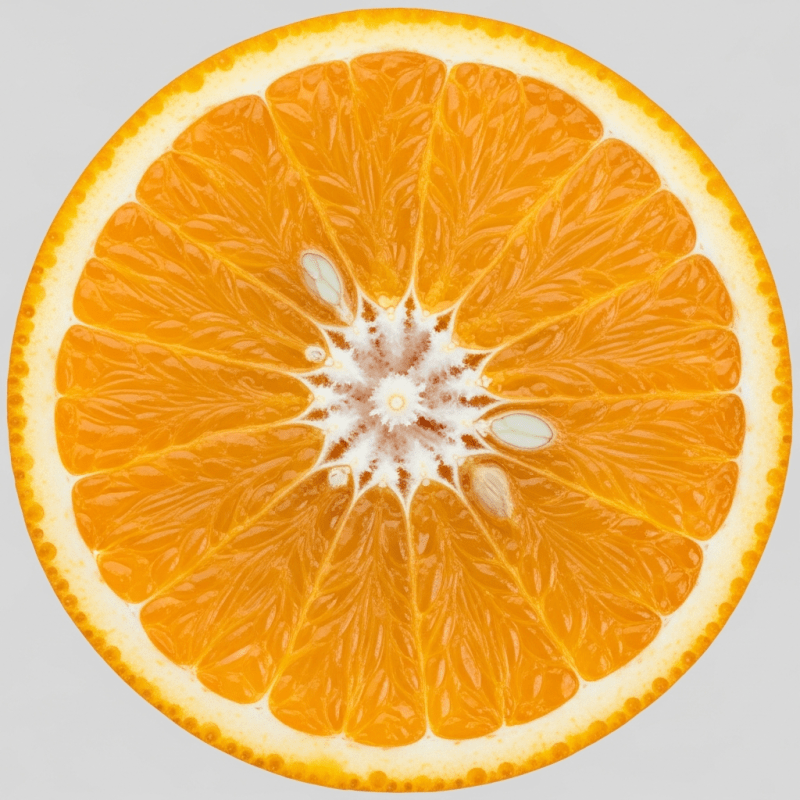
Soft cotton tee, unisex sizes
Buy ShirtThe Shamouti orange holds a special place in Israeli agricultural history as the flagship export fruit, symbolizing the region’s citrus industry and its global reach. Its commercial identity as the "Jaffa orange" connects it to the historic port city of Jaffa, reflecting both cultural pride and economic significance in Mediterranean and international markets.
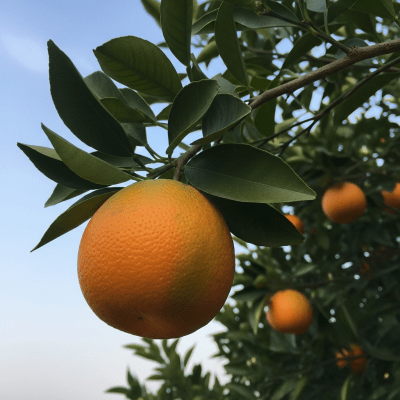
Shamouti orange trees thrive in Mediterranean climates with mild winters and warm summers. They require well-drained soil and moderate watering. To ensure healthy growth and fruit production, protect trees from cold snaps, as they are less cold-hardy than some other sweet orange cultivars. Monitor for fungal diseases such as Alternaria and apply appropriate treatments to maintain tree health. Regular pruning helps maintain an upright, vigorous canopy and promotes air circulation.

Rich in vitamin C and antioxidants, Shamouti oranges support immune health and skin vitality. Their juicy flesh provides hydration and dietary fiber, aiding digestion. The balanced sweet-tart flavor comes with natural sugars and beneficial phytochemicals, contributing to overall wellness and a refreshing, nutritious snack.
Within the sweet orange category, the Shamouti stands out for its seedless, easy-peel qualities and export suitability. Other well-known varieties include the Navel orange, prized for its distinctive seedless "navel" formation, and the Valencia orange, favored for juicing. While Shamouti is primarily linked to Israel and the Mediterranean, it shares commercial markets with these varieties globally.
Shamouti oranges are best harvested when fully colored and firm, typically from December to April. Their thick, loosely attached rind allows for gentle hand-picking to avoid damage. After harvest, the fruit’s excellent shelf life and resistance to bruising enable storage at cool temperatures to maintain freshness during transport and marketing. Proper ventilation and humidity control further extend quality.