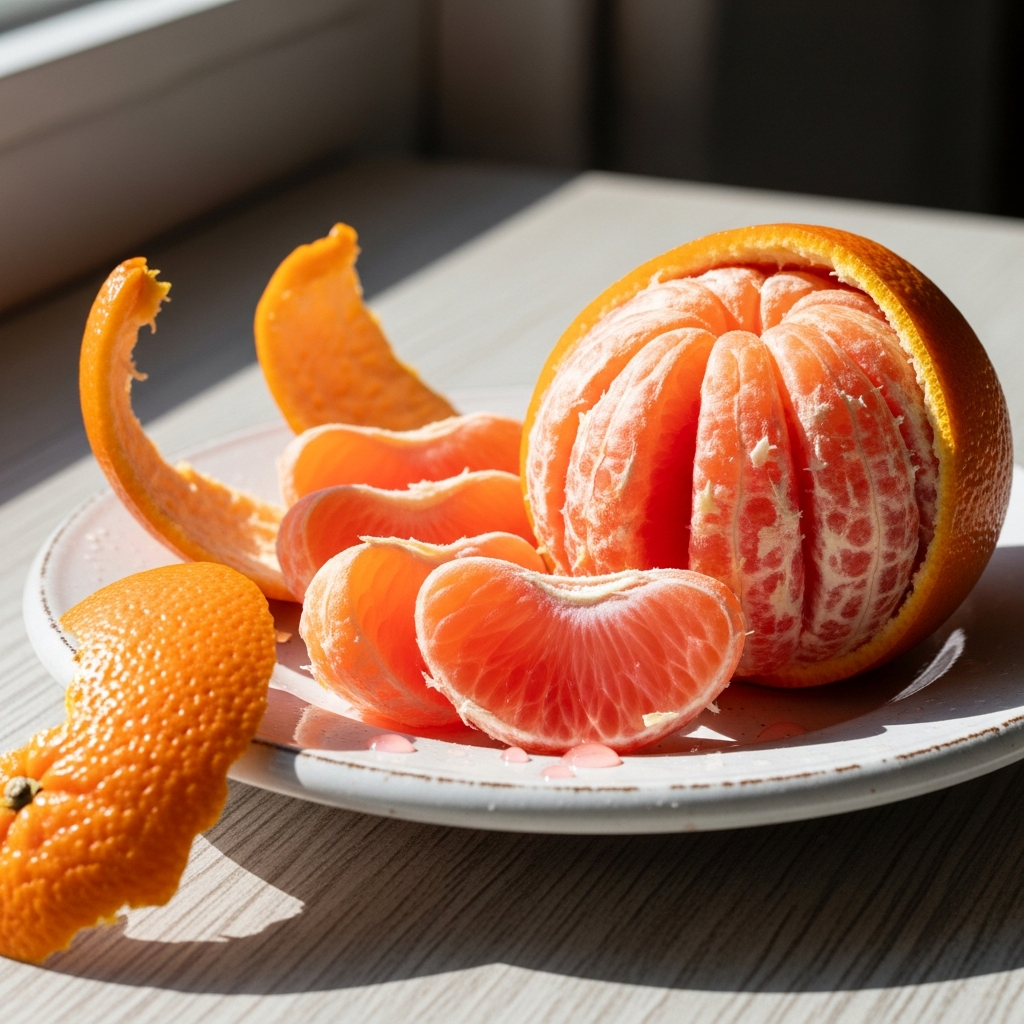
Cara Cara Orange
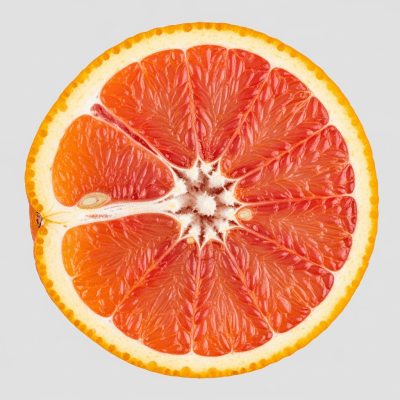
The Cara Cara orange is a distinctive pink-fleshed navel orange cultivar known for its sweet, low-acid flavor and vibrant salmon-colored interior.
The Cara Cara orange is a distinctive pink-fleshed navel orange cultivar known for its sweet, low-acid flavor and vibrant salmon-colored interior.
Discovered in 1976 at the Hacienda Cara Cara in Valencia, Venezuela, the Cara Cara orange originated as a spontaneous bud mutation of the 'Washington Navel' orange. This natural mutation was identified by local growers and later propagated commercially, eventually gaining popularity in major citrus-growing regions such as California.
The Cara Cara orange belongs to the sweet orange species Citrus sinensis and is classified as a navel orange cultivar. It is genetically a natural mutation of the 'Washington Navel' orange, sharing the seedless trait and typical navel orange characteristics.
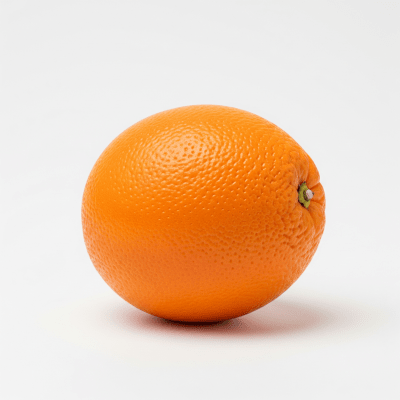
Cara Cara oranges are medium to large, round fruits with a bright orange, smooth rind that is relatively easy to peel. Inside, their flesh ranges from pink to salmon-red, colored by lycopene pigment. The fruit is seedless or nearly so, with a juicy, sweet interior that combines low acidity and a complex flavor profile.
Primarily enjoyed fresh, Cara Cara oranges are prized for their appealing color and sweet, nuanced taste featuring notes of orange, cherry, and berry. They are popular in salads, desserts, and as garnishes, and are also juiced for their unique color, though they are less common in large-scale juice production due to their premium status.
Bring this kind into your world illustrated posters, mugs, and shirts.
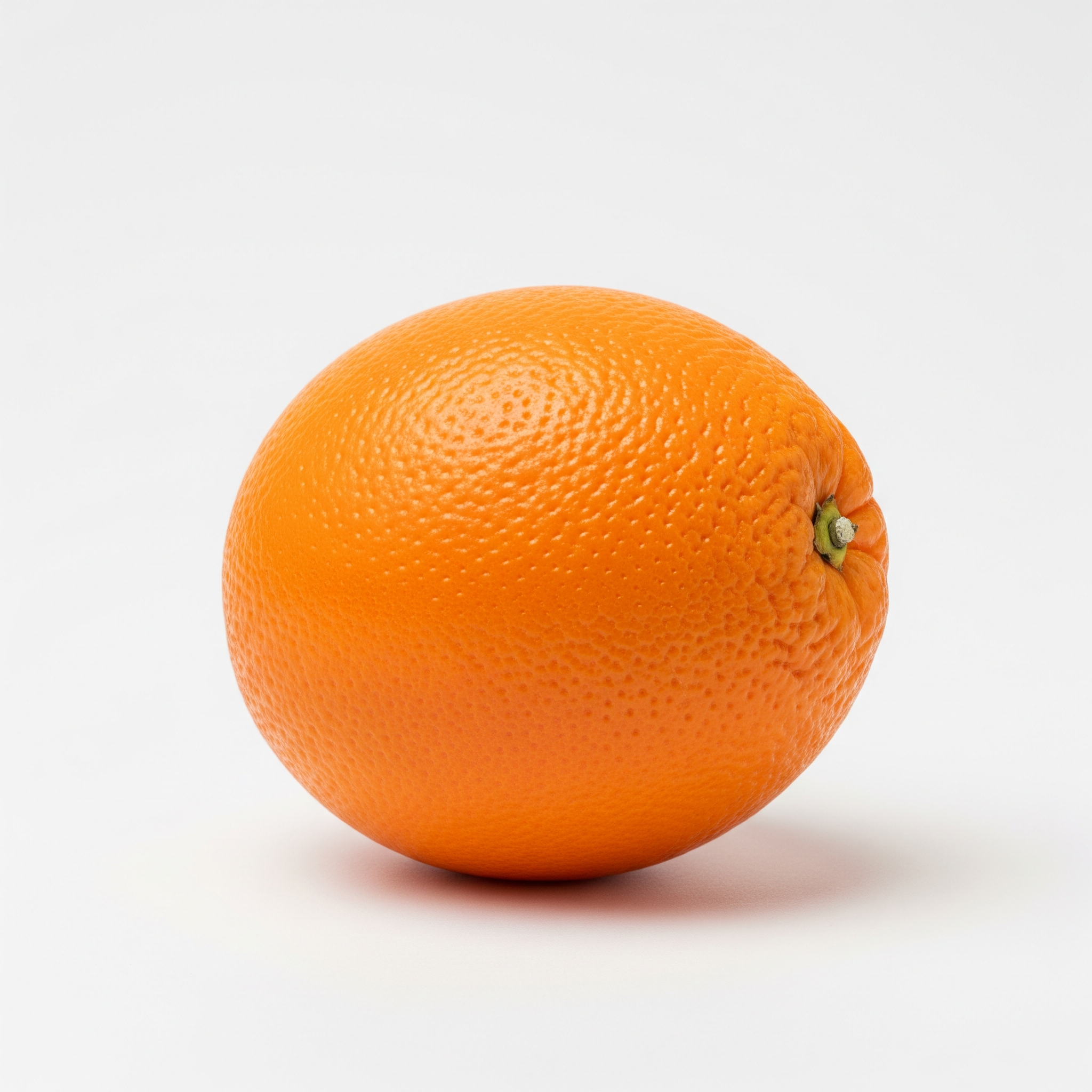
Archival print, museum-grade paper
Buy Poster
Stoneware mug, dishwasher safe
Buy Mug
Soft cotton tee, unisex sizes
Buy ShirtWhile not steeped in ancient myth, the Cara Cara orange has gained cultural recognition as a premium navel orange variety, celebrated for its striking pink flesh and sweet flavor. It is often highlighted in culinary arts and specialty markets, symbolizing innovation through natural mutation within citrus cultivation.
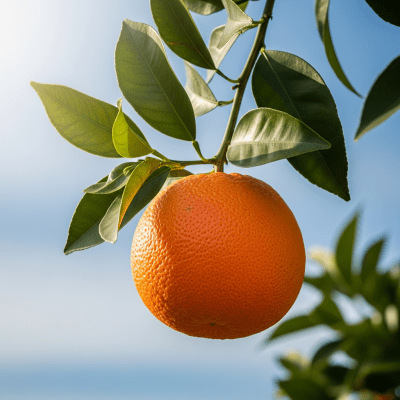
Growers should plant Cara Cara oranges grafted onto standard citrus rootstocks in climates suitable for navel oranges. Trees exhibit medium vigor with upright to spreading growth and moderate to high productivity. Harvesting is best done from December to April, and the fruit benefits from careful handling to preserve its smooth rind and vibrant flesh. Regular monitoring for common citrus diseases like canker and tristeza virus is recommended, as Cara Cara shares susceptibility with other navel varieties.

Cara Cara oranges are rich in vitamin C and antioxidants, particularly lycopene, which supports immune health and may reduce inflammation. Their low acidity and high natural sugar content make them a refreshing, nutritious choice that promotes hydration and provides essential nutrients for overall wellness.
Within the navel orange family, the Cara Cara stands out for its pink flesh and complex flavor. Other popular navel oranges include the 'Washington Navel', known for its classic sweet orange taste and seedlessness, and the 'Lane Late', prized for its late-season harvest. Blood oranges like Moro and Tarocco are related but distinguished by their deep red flesh and distinct flavor profiles.
Cara Cara oranges are best harvested when fully colored and firm, typically between December and April. The fruit holds well on the tree, allowing some flexibility in picking. For storage, keep the oranges in cool, humid conditions to maintain freshness and extend shelf life. They transport well, making them suitable for both local markets and export.