Dream Navel Orange
The Dream Navel Orange is a sweet, seedless orange cultivar prized for its bright rind, juicy deep-orange flesh, and balanced sweet-tart flavor, making it a favored choice for fresh eating and early-season enjoyment.
The Dream Navel Orange is a sweet, seedless orange cultivar prized for its bright rind, juicy deep-orange flesh, and balanced sweet-tart flavor, making it a favored choice for fresh eating and early-season enjoyment.
Discovered in Florida in the early 20th century, the Dream Navel Orange is believed to be a spontaneous mutation of the Washington Navel Orange. Though its exact breeder and discovery date remain undocumented, it was selected for its superior adaptation to Florida's climate, establishing its place among regional citrus favorites.
As a cultivar of Citrus sinensis, the Dream Navel Orange belongs to the sweet orange group, specifically within the navel orange category known for seedless fruit and a distinctive navel at the blossom end. It shares lineage with the Washington Navel, from which it likely mutated.
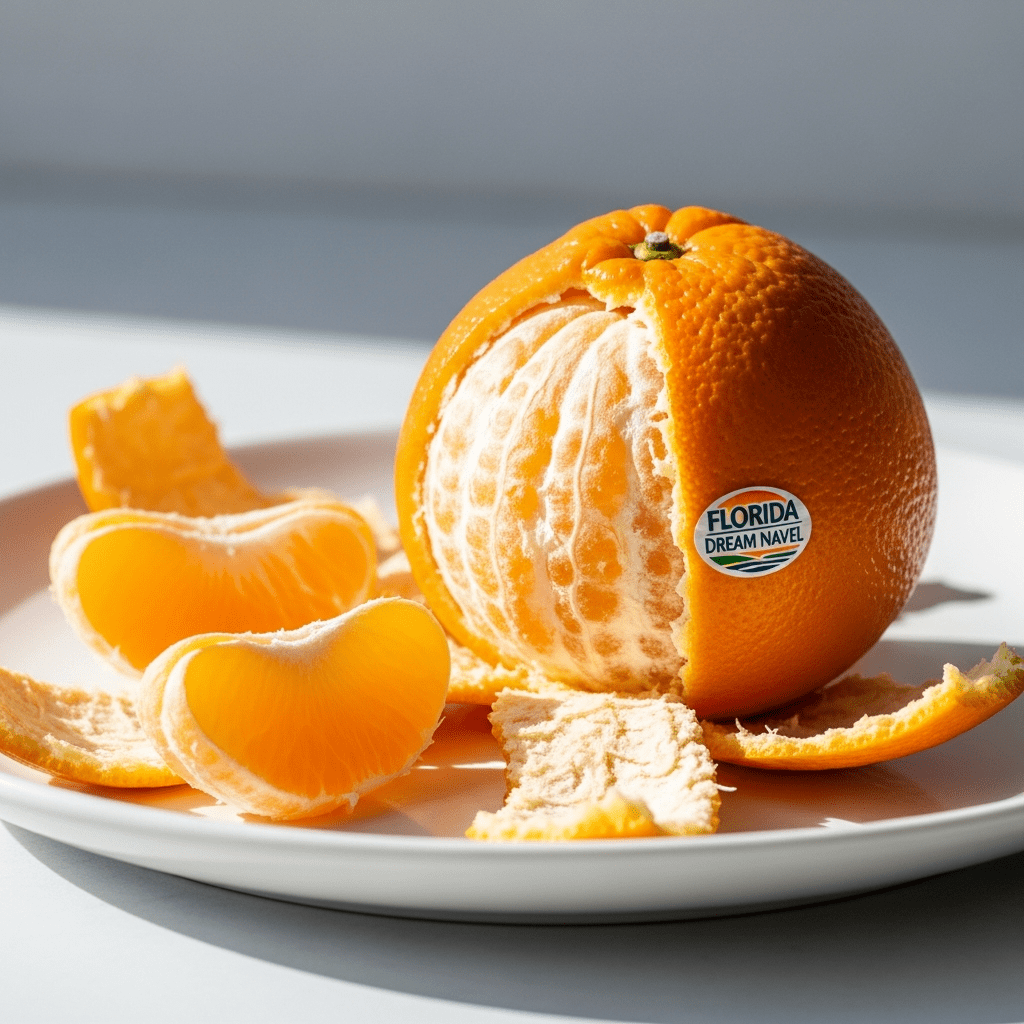
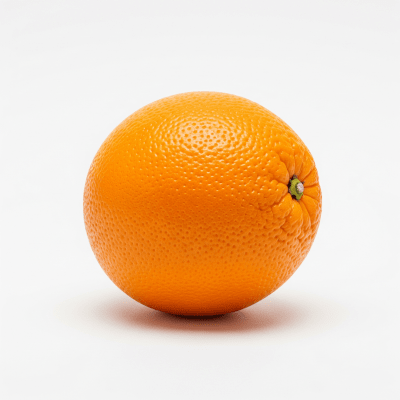
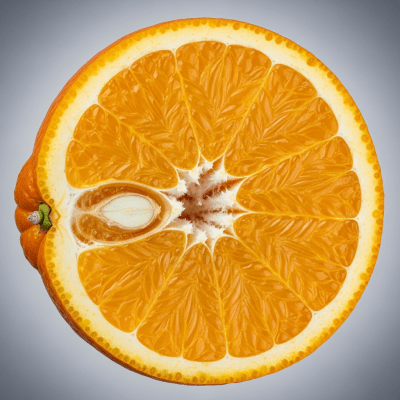
The fruit typically presents a round shape with a bright orange rind that is moderately thick yet easy to peel. Inside, the flesh is a deep orange hue, seedless, and notably juicy. The medium-sized, vigorous trees support these visually appealing and flavorful oranges, prized for their inviting appearance and texture.
Primarily enjoyed fresh, Dream Navel Oranges are valued for their ease of peeling and seedless nature, making them ideal for snacking and salads. Their high juice content also lends well to fresh-squeezed orange juice, though they are less commonly used for commercial juicing compared to other varieties.
Bring this kind into your world illustrated posters, mugs, and shirts.
Archival print, museum-grade paper
Buy Poster
Stoneware mug, dishwasher safe
Buy Mug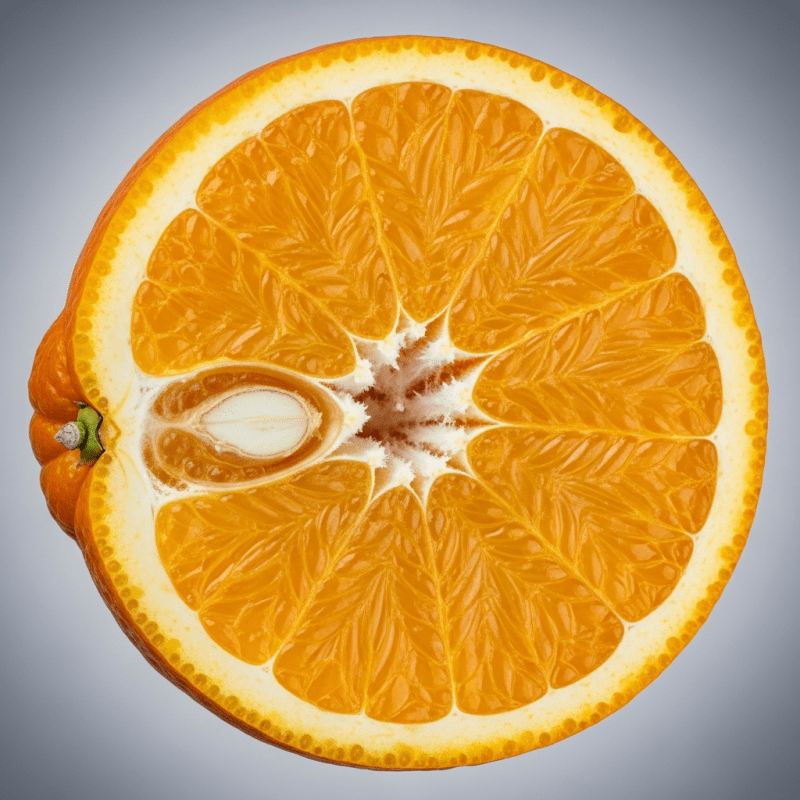
Soft cotton tee, unisex sizes
Buy ShirtWithin Florida and regional markets, the Dream Navel Orange holds a reputation as a premium early-season fruit. While it may not have widespread cultural symbolism, its role in local agriculture and seasonal markets underscores its importance as a fresh, wholesome staple in American citrus consumption.
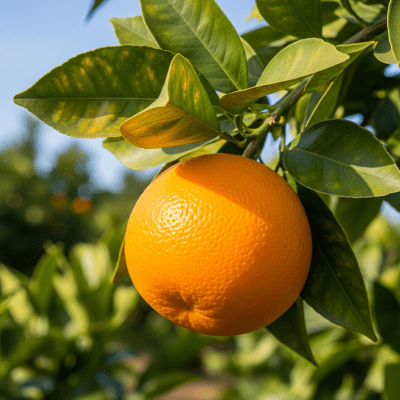
Dream Navel Orange trees thrive in Florida's warm climate and require well-drained soil with regular irrigation. Planting in full sun encourages vigorous growth and fruit production. To maintain health, monitor for citrus canker and greening diseases, applying appropriate treatments promptly. Pruning helps manage tree size and improves air circulation, supporting fruit quality.

Rich in vitamin C and antioxidants, Dream Navel Oranges support immune health and skin vitality. Their juicy flesh provides hydration and dietary fiber, aiding digestion. The balanced sweet-tart flavor reflects natural sugars and organic acids that contribute to overall wellness and energy.
Within the navel orange family, the Dream Navel Orange stands alongside well-known cultivars like the Washington Navel and Cara Cara. While Washington Navel is the classic standard, Dream offers earlier ripening and adaptation to Florida's climate, making it a preferred choice in regional markets.
Harvest Dream Navel Oranges when the rind turns bright orange and the fruit feels heavy for its size, typically from November to January. Handle gently to avoid bruising. Store in a cool, dry place or refrigerated environment to maintain freshness for several weeks. Proper storage preserves juiciness and flavor, extending shelf life post-harvest.