Sanguinello Blood Orange
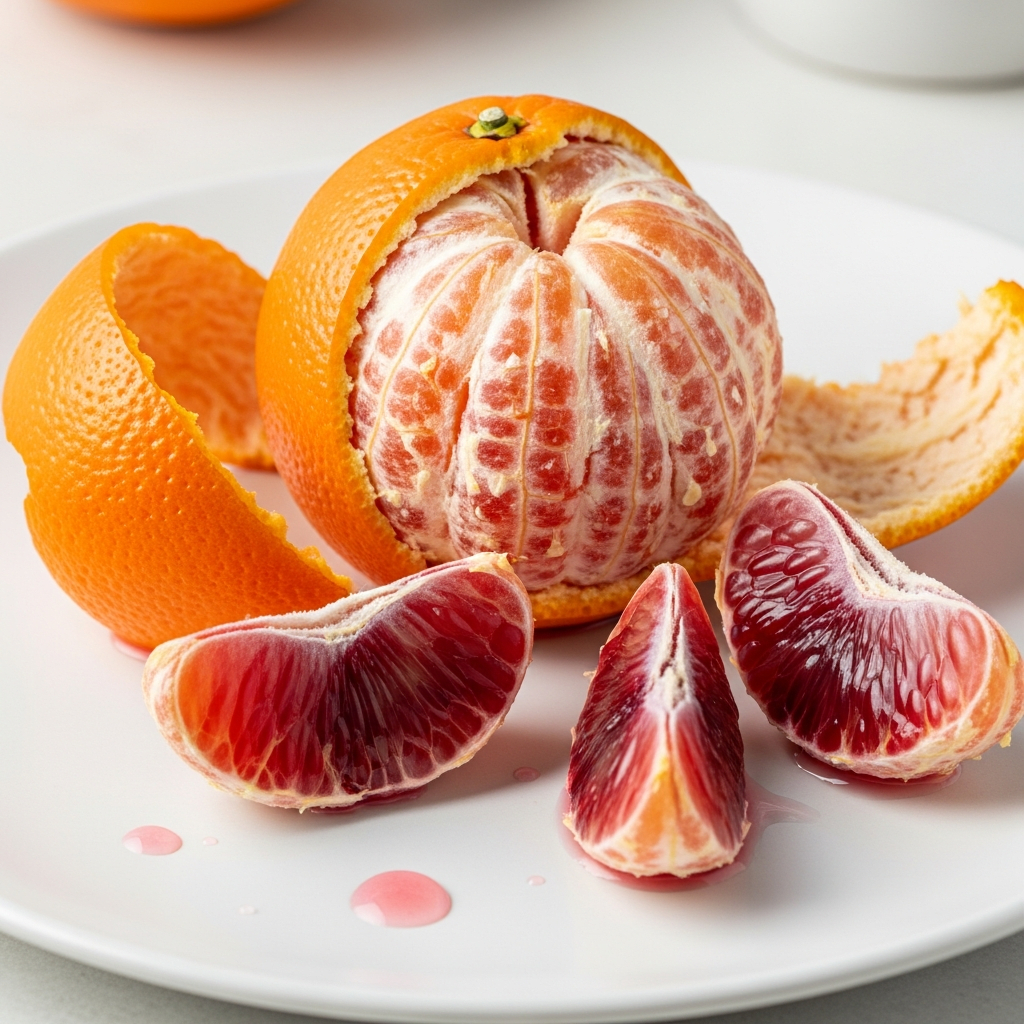
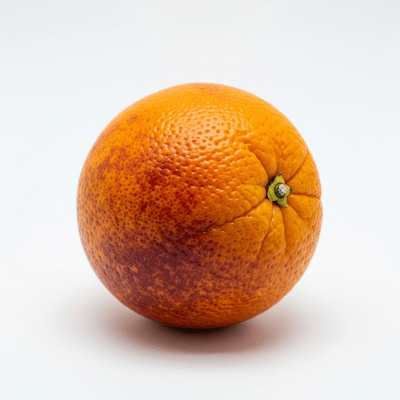
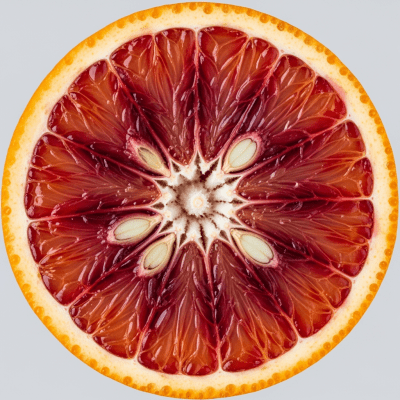
The Sanguinello Blood Orange is a distinctive late-season blood orange cultivar from Spain, celebrated for its deep red flesh, sweet berry-like flavor, and vibrant reddish blush rind.
The Sanguinello Blood Orange is a distinctive late-season blood orange cultivar from Spain, celebrated for its deep red flesh, sweet berry-like flavor, and vibrant reddish blush rind.
Discovered in 1929 near Almenara, Castellón, Spain, by Don Francisco Mosca, the Sanguinello Blood Orange arose as a spontaneous mutation of the common sweet orange (Citrus sinensis). Its unique pigmentation and later ripening set it apart from other Mediterranean blood oranges, marking it as a prized regional cultivar.
Belonging to the species Citrus sinensis, the Sanguinello Blood Orange is a cultivar within the broader sweet orange family. It is classified among blood oranges, a subgroup known for anthocyanin-rich red flesh, and is closely related to Mediterranean varieties like the Italian Sanguinello Moscato and Sicilian Tarocco.
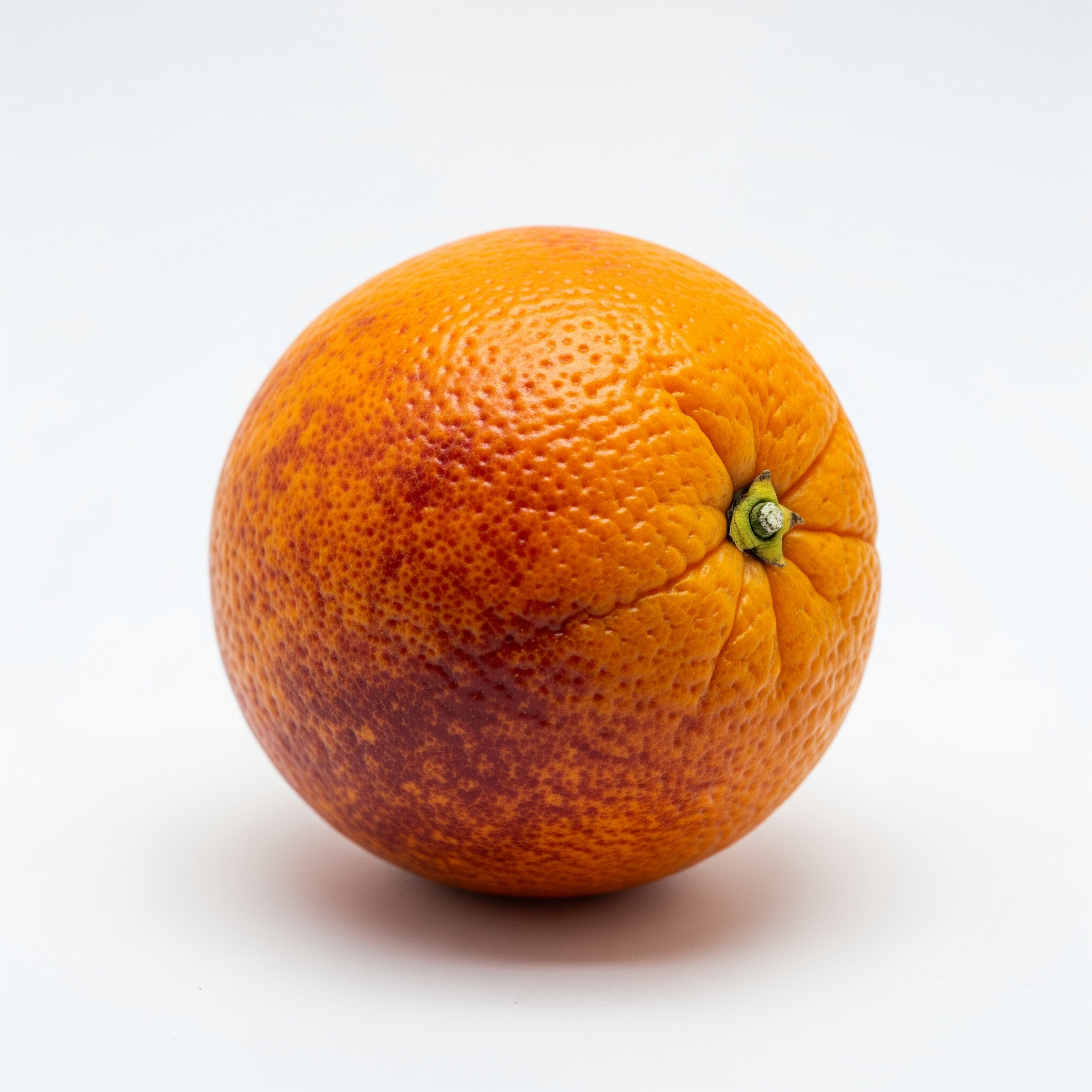
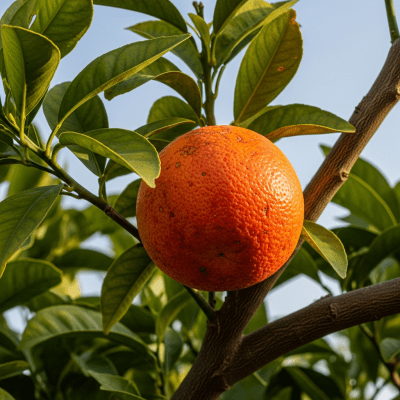
The fruit is medium-sized, typically 6 to 8 centimeters in diameter, with a round shape and a smooth, thin rind that develops a striking reddish blush as it matures. Inside, the flesh ranges from deep red to crimson, often showing variable marbling enhanced by cooler night temperatures. The fruit contains between two and six seeds. Trees are moderately vigorous with upright growth and dense foliage.
Sanguinello Blood Oranges are prized for fresh eating and juicing, offering a sweet, berry-like flavor and highly pigmented, aromatic juice. Their late maturation from March to May extends the blood orange season, making them valuable for fresh markets and culinary uses such as salads, desserts, and marmalades.
Bring this kind into your world illustrated posters, mugs, and shirts.
Archival print, museum-grade paper
Buy Poster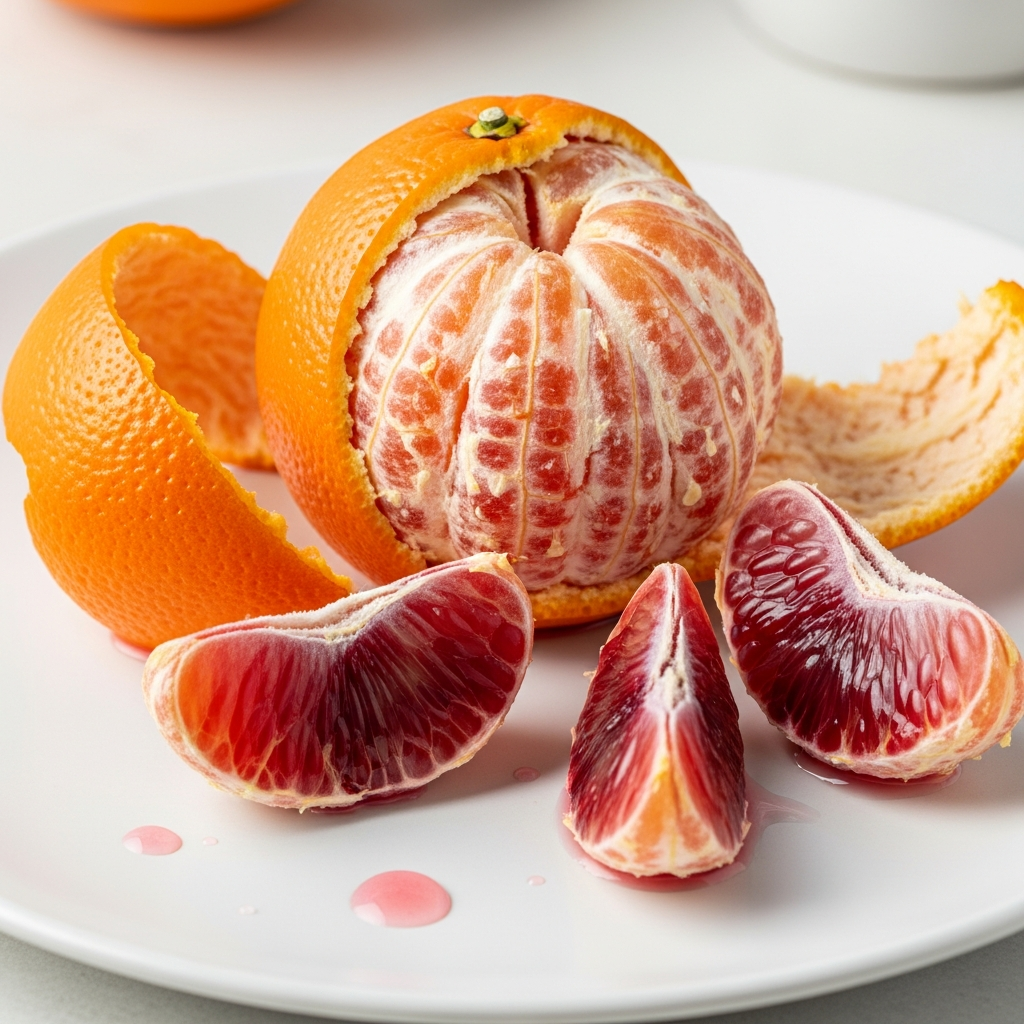
Stoneware mug, dishwasher safe
Buy Mug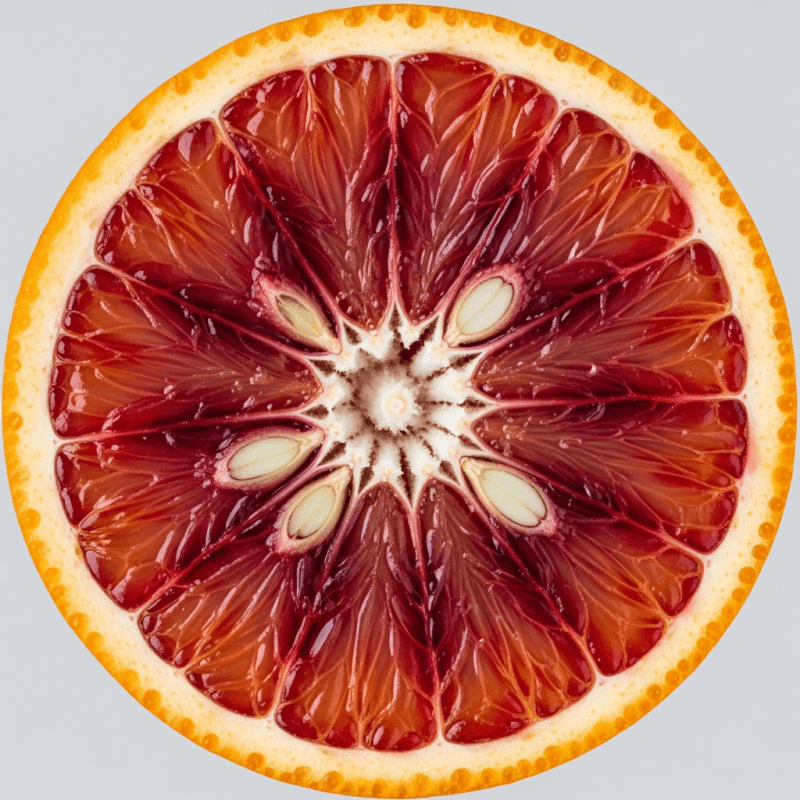
Soft cotton tee, unisex sizes
Buy ShirtAs a staple of Spanish citrus production, the Sanguinello Blood Orange holds cultural importance in Mediterranean agriculture and cuisine. Its vivid color and flavor have made it a symbol of regional pride and a favored ingredient in traditional dishes and artisanal preserves.
🌱 Sanguinello thrives in Mediterranean climates with mild winters and warm summers. Protect trees from cold damage and avoid planting in frost-prone areas. Ensure consistent watering to reduce alternate bearing and promote steady yields. The fruit holds well on the tree, allowing for flexible harvesting schedules.

🍊 Rich in vitamin C and antioxidants, especially anthocyanins, the Sanguinello Blood Orange supports immune health and combats oxidative stress. Its natural sweetness and vibrant pigments also contribute to cardiovascular benefits and anti-inflammatory effects.
Among blood oranges, the Sanguinello stands alongside notable varieties such as the Italian Sanguinello Moscato, Sicilian Tarocco, and Moro. Each offers unique ripening times and flavor profiles, with Sanguinello prized for its late season and sweet, aromatic juice.
🗓️ Harvest Sanguinello Blood Oranges from March through May when the rind shows a pronounced reddish blush and the fruit is fully ripe. The fruit stores fairly well, with anthocyanin pigments deepening after picking. Store in cool, dry conditions to maintain freshness and color intensity.