Origin Story
The origin of trucks dates back to the early 20th century with the advent of motorized transport replacing horse-drawn wagons. Initially developed to enhance cargo movement efficiency, trucks evolved rapidly through industrialization, expanding from simple flatbeds to specialized vehicles tailored for freight, construction, and emergency services. Their development was shaped by growing commercial demands and technological advances across regions worldwide.
Classification
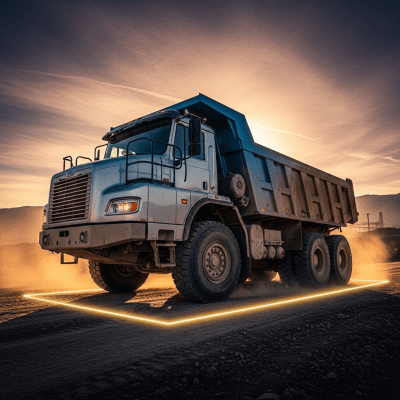
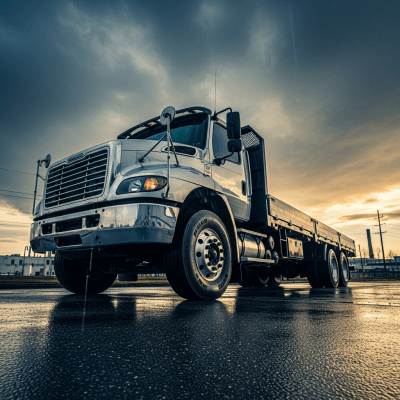
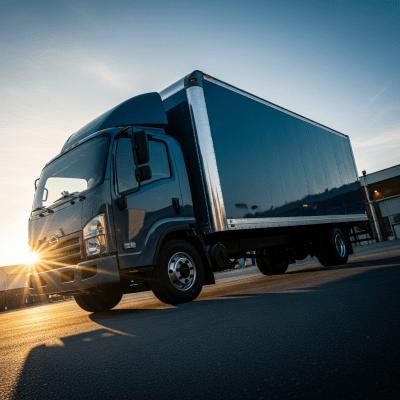
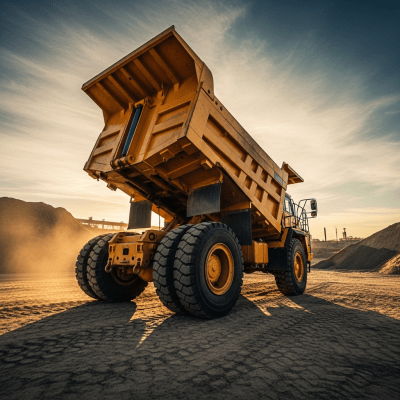
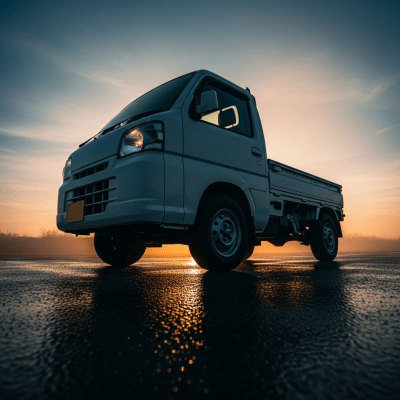
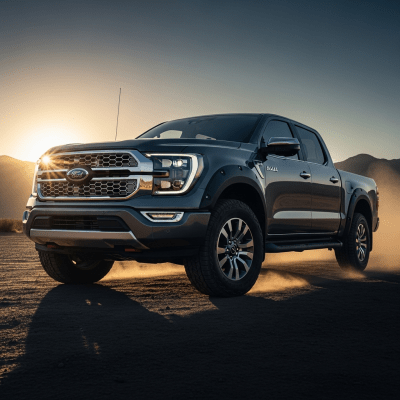
Trucks are classified within a hierarchical framework based on weight, function, and configuration. Broadly, they fall into light, medium, and heavy-duty classes, with types such as pickups, dump trucks, and tractor units further refining their roles. This classification supports regulatory compliance, fleet management, and technical standardization, with authorities like SAE International and the US DOT providing widely recognized frameworks.
Appearance or Form
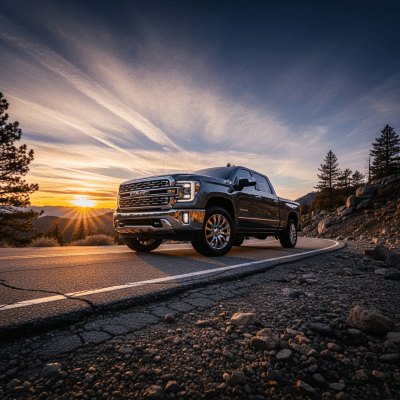
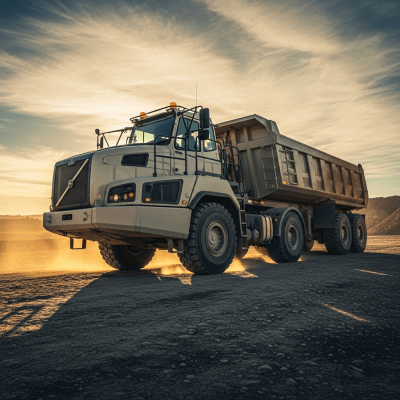
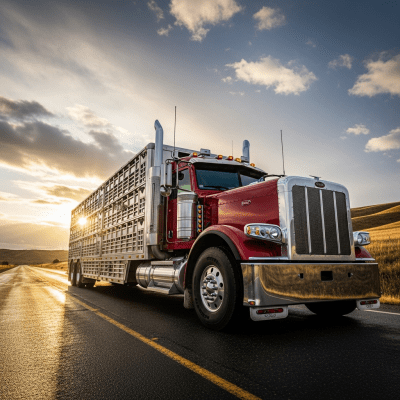
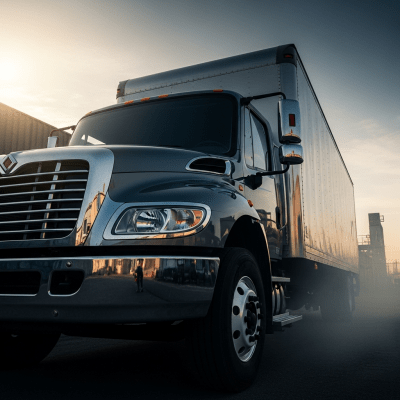
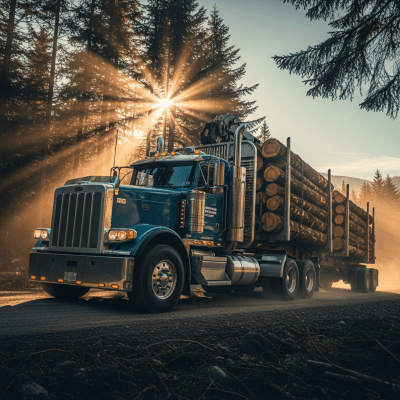
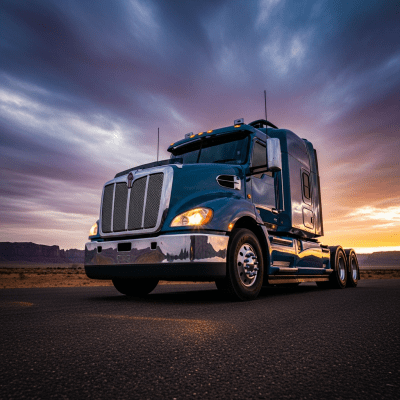
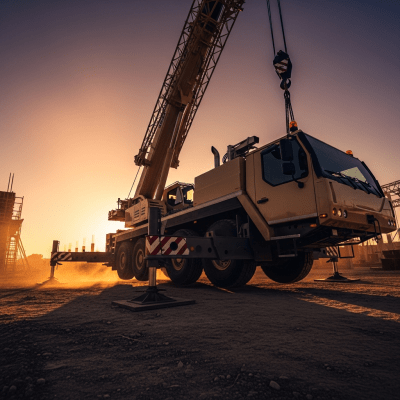
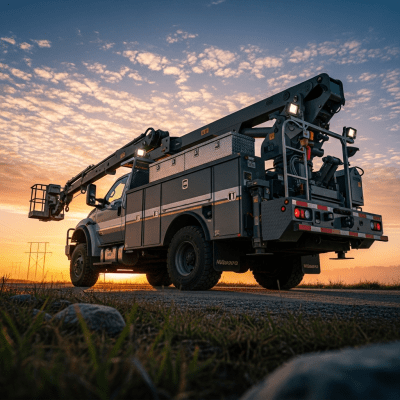
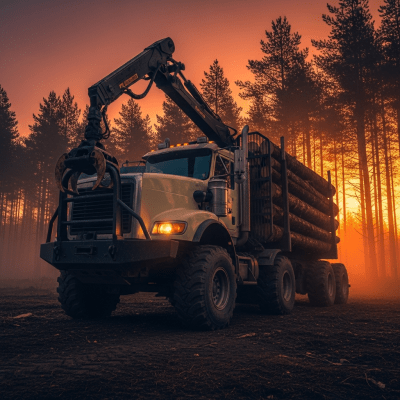
Typically, trucks feature a distinct cab for the driver and a separate cargo area designed to carry goods or equipment. Their appearance varies from compact pickups with enclosed beds to large tractor-trailers with multiple axles and sleeper cabs. Structural traits such as axle count, chassis design, and body style reflect their intended use, balancing durability, payload capacity, and maneuverability.
Behavior or Usage
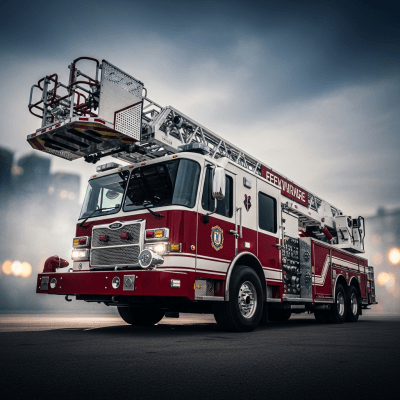
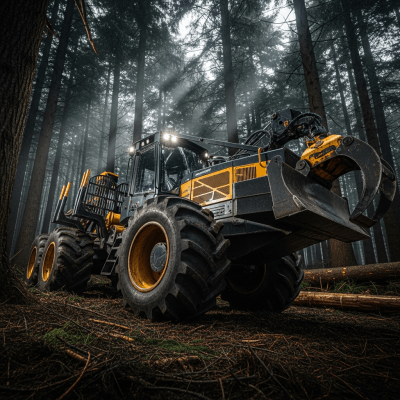
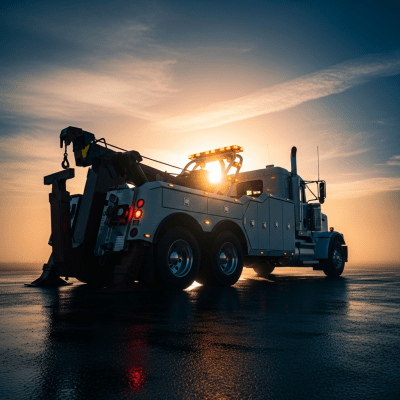
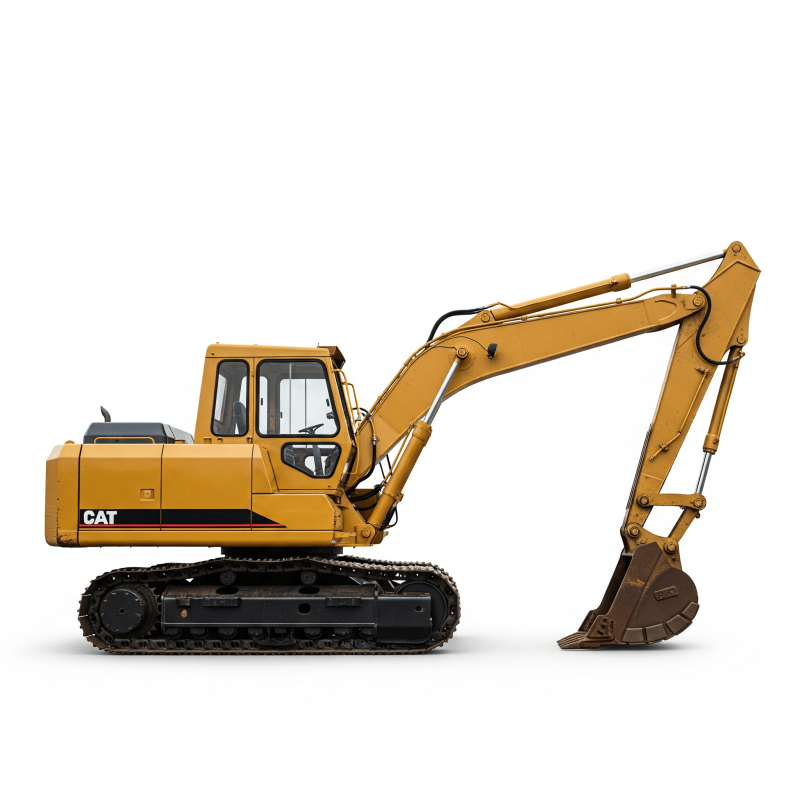
Trucks serve primarily as cargo carriers, facilitating the movement of goods across short and long distances. They are indispensable in industries like logistics, construction, agriculture, and emergency response. Usage ranges from light trucks handling local deliveries to heavy-duty trucks hauling freight over highways. Their design enables adaptation to specialized tasks, including refrigerated transport, dump hauling, and towing.