Mobile Crane Truck
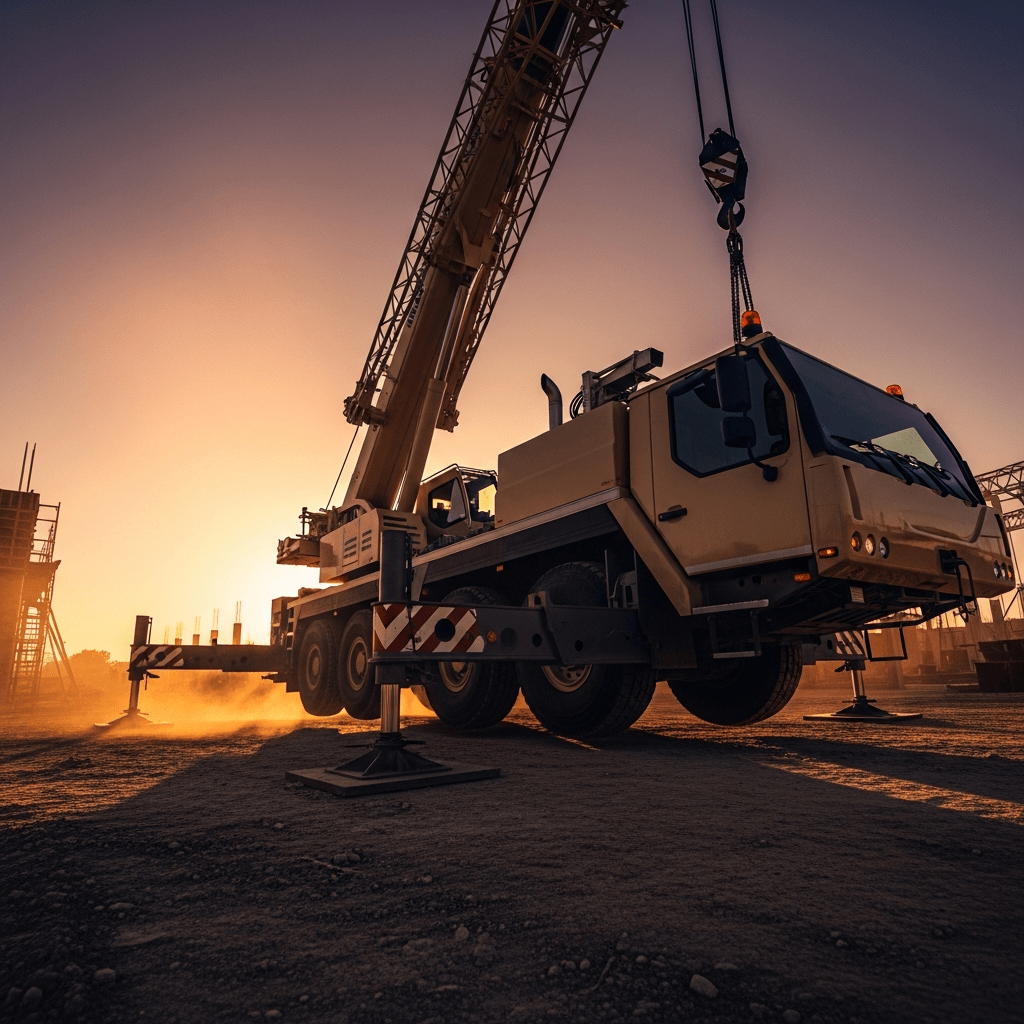
A mobile crane truck is a specialized vehicle that combines a crane apparatus with a truck chassis, enabling heavy lifting and material handling with mobility and rapid deployment at diverse job sites.
A mobile crane truck is a specialized vehicle that combines a crane apparatus with a truck chassis, enabling heavy lifting and material handling with mobility and rapid deployment at diverse job sites.
The mobile crane truck concept emerged in the early 20th century, evolving significantly during the 1950s and 1960s as hydraulic technology and stronger truck frames allowed greater lifting capacities and improved mobility. Leading manufacturers such as Liebherr, Tadano, Grove (Manitowoc), Terex, XCMG, and Zoomlion have continuously refined these vehicles to meet advancing safety and performance standards worldwide.
Classified as specialized trucks within the broader truck taxonomy, mobile crane trucks fall under heavy commercial vehicles designed for lifting tasks. They are typically categorized under US DOT Classes 7 and 8 or the EU N3 category, reflecting their substantial weight and specialized function.
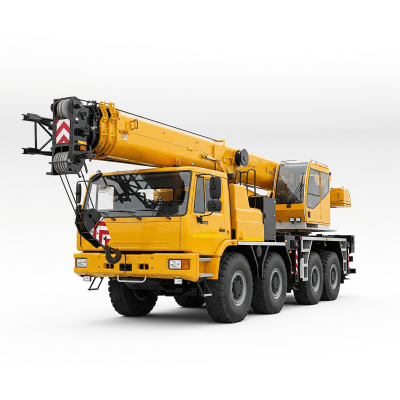
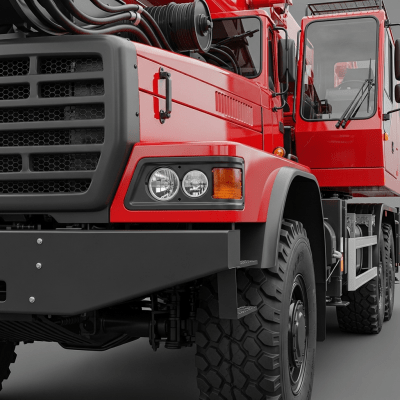
Mobile crane trucks feature a robust truck chassis outfitted with a crane apparatus, usually a telescopic or lattice boom. They range from 8 to 15 meters in length, 2.5 to 3 meters in width, and 3 to 4 meters in height. Commonly equipped with dual or single cabs, these trucks include hydraulic outriggers for stability during lifting operations, and their imposing form balances functionality with rugged industrial design.
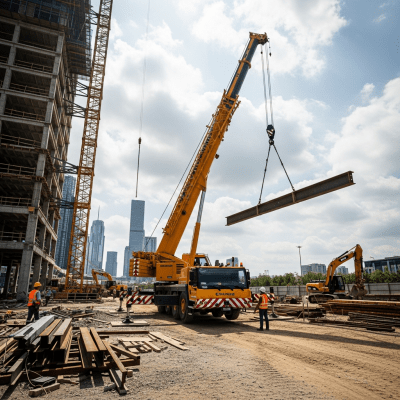
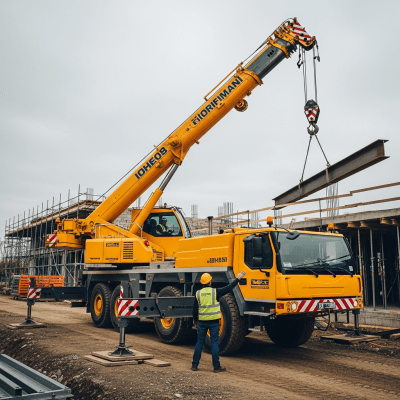
Designed for lifting and material handling, mobile crane trucks serve construction sites, infrastructure maintenance, utility work, industrial installations, and disaster response. Their mobility allows quick relocation between sites where fixed cranes are impractical, making them indispensable for versatile heavy lifting tasks across urban and remote environments.
Bring this kind into your world illustrated posters, mugs, and shirts.
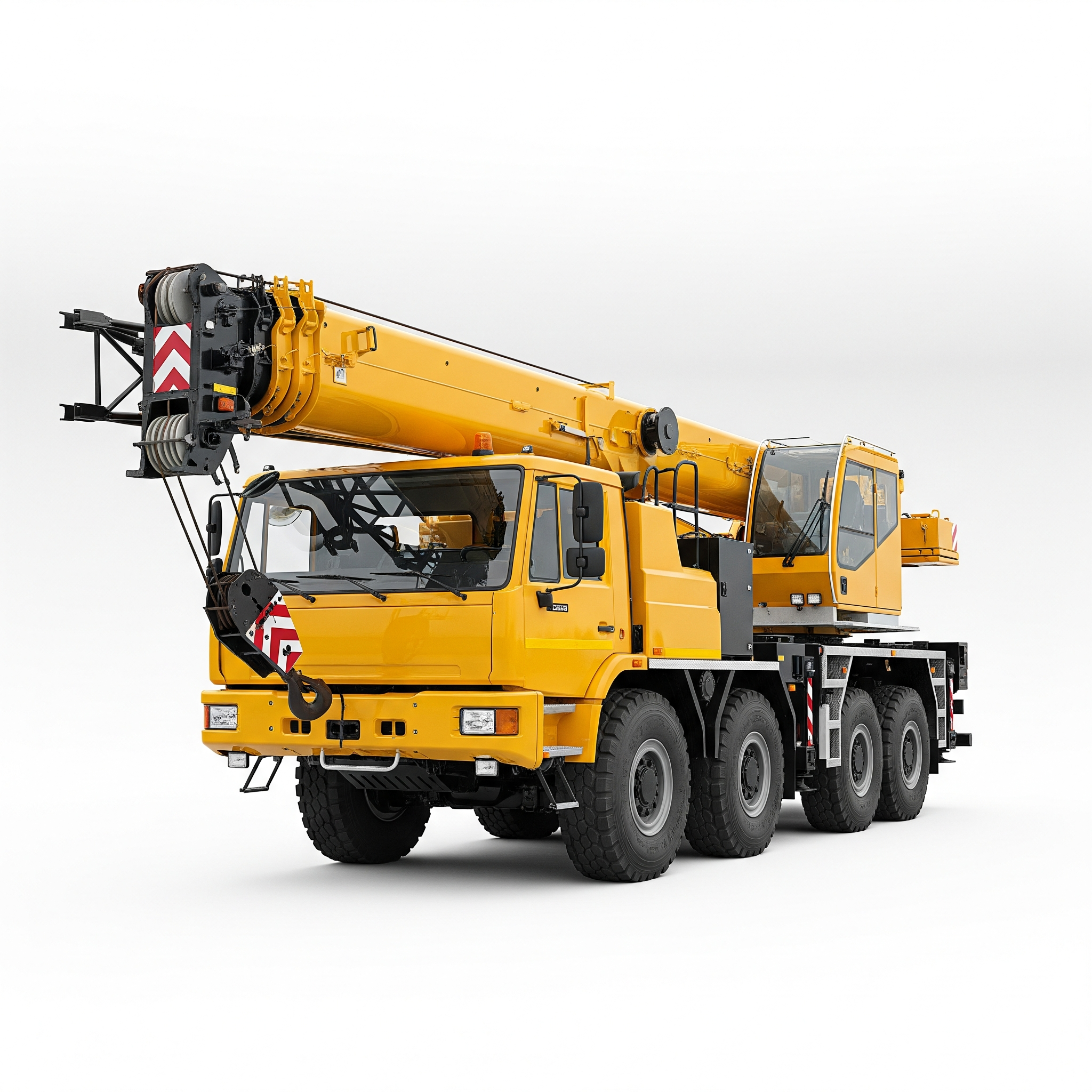
Archival print, museum-grade paper
Buy Poster
Stoneware mug, dishwasher safe
Buy Mug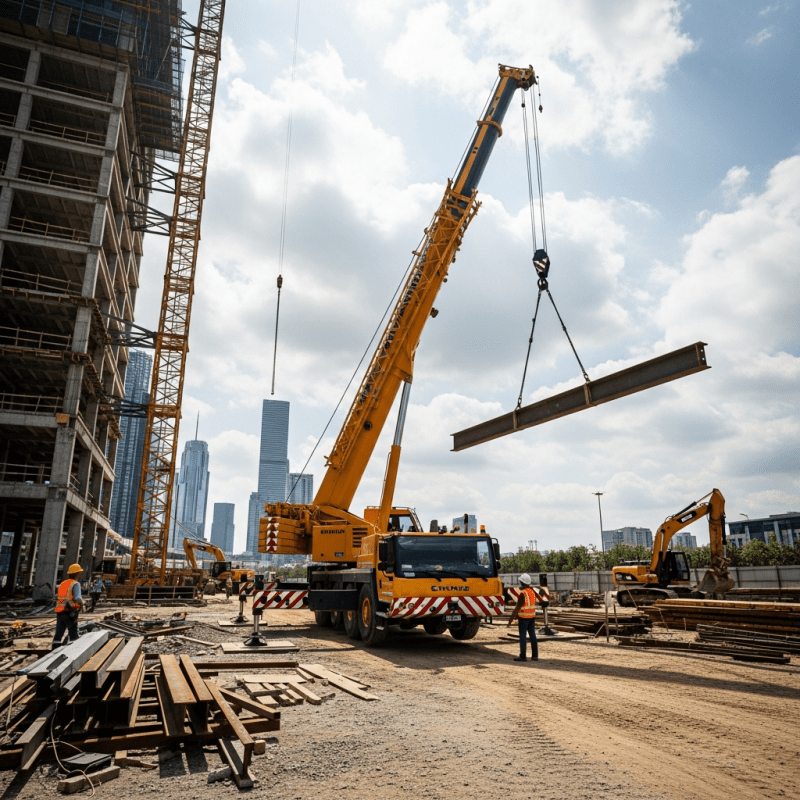
Soft cotton tee, unisex sizes
Buy ShirtMobile crane trucks symbolize industrial progress and the modern construction era, often depicted in media and art as icons of urban development and engineering prowess. Their presence at major infrastructure projects and disaster relief efforts underscores their role as essential tools in shaping and rebuilding communities worldwide.
⚙️ Mobile crane trucks generally weigh between 10,000 and 60,000 kilograms gross vehicle weight. Their lifting capacities range from 10,000 to 120,000 kilograms. They measure 8 to 15 meters in length, 2.5 to 3 meters in width, and 3 to 4 meters in height. Powered primarily by diesel engines delivering 200 to 600 horsepower, these trucks feature 2 to 5 axles and are equipped with telescopic or lattice booms and hydraulic outriggers for operational stability.
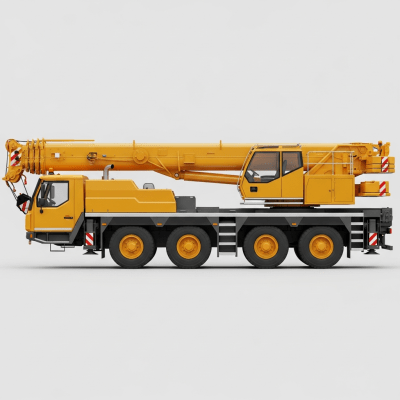
Popular and historically significant mobile crane truck models include the Grove TMS series from the USA, Liebherr LTF series from Germany, and Tadano ATF series from Japan. These models represent industry benchmarks for performance, reliability, and technological advancement in mobile crane design.
Maintaining a mobile crane truck involves regular inspection and servicing of both the truck chassis and crane components. Key tasks include hydraulic system checks, boom and cable inspections, engine and transmission servicing, and ensuring outriggers function correctly. Adhering to manufacturer guidelines and regional safety regulations is essential to preserve operational safety and longevity.
Mobile crane trucks, predominantly diesel-powered, contribute to emissions and fuel consumption typical of heavy commercial vehicles. Efforts to reduce environmental impact include adopting cleaner engine technologies, improving fuel efficiency, and exploring hybrid or electric powertrains. Regulatory compliance with emissions standards such as those in the US, EU, and Australia guides ongoing sustainability improvements.