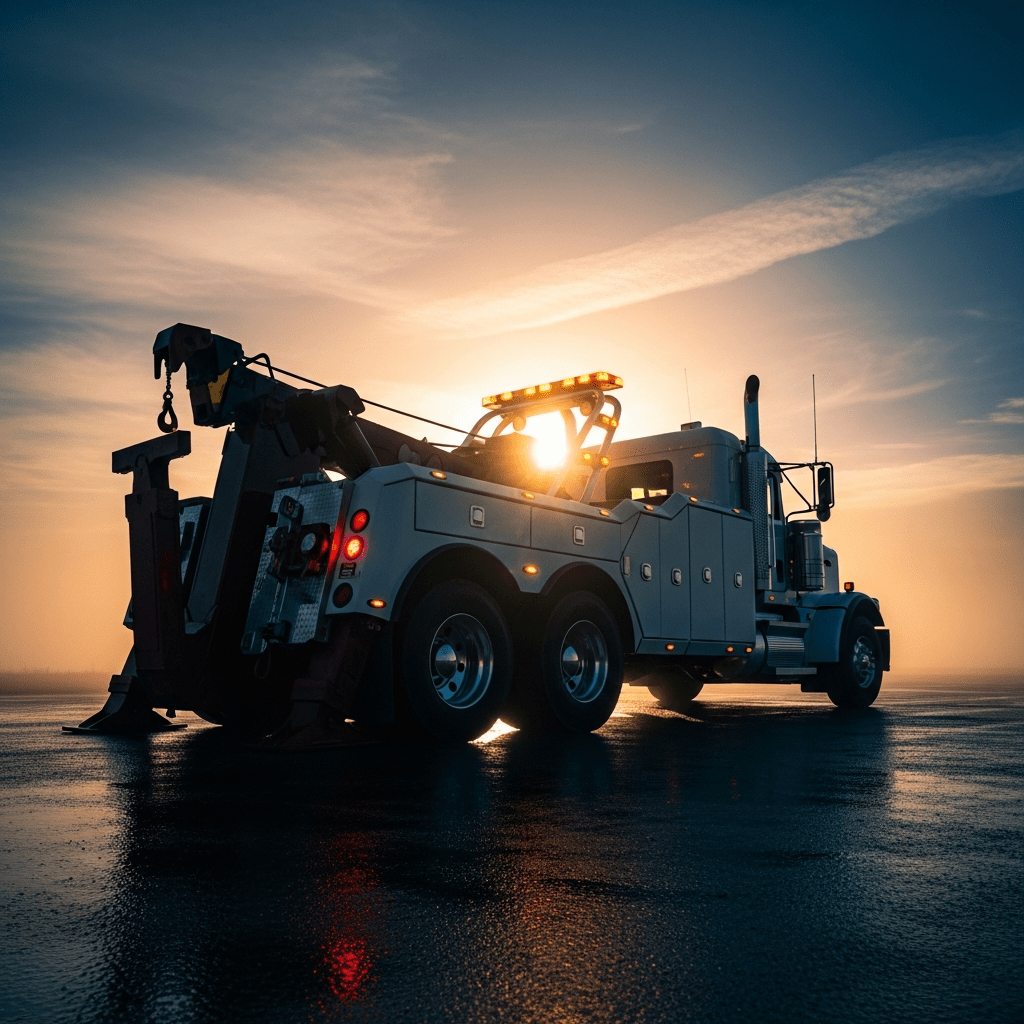
Tow Truck
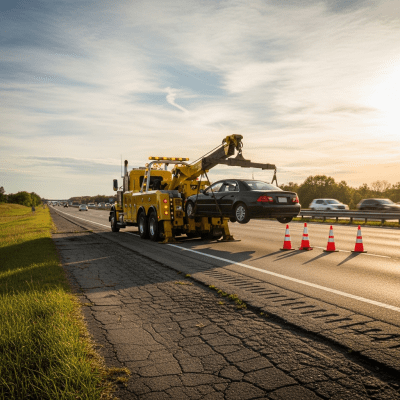
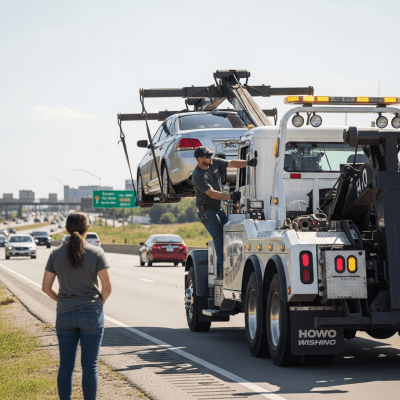
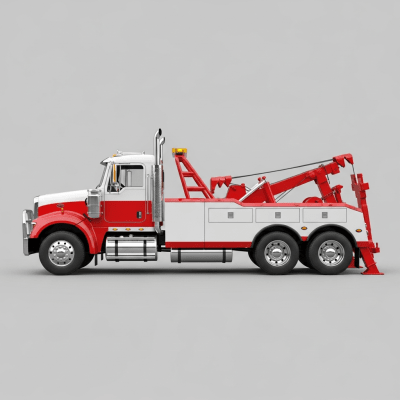
A tow truck is a specialized vehicle equipped to recover and transport disabled, improperly parked, or impounded vehicles using integrated towing apparatus such as booms, wheel-lifts, or flatbeds.
A tow truck is a specialized vehicle equipped to recover and transport disabled, improperly parked, or impounded vehicles using integrated towing apparatus such as booms, wheel-lifts, or flatbeds.
The tow truck originated in the United States in 1916 when Ernest Holmes Sr. invented the first wrecker, pioneering a new solution for vehicle recovery. Since then, manufacturers like Ford, International, and Mercedes-Benz have developed various tow truck models, often custom-built by specialized body makers to meet evolving demands and regulations worldwide.
Tow trucks belong to the broader family of recovery trucks, classified by their towing mechanisms and chassis size. They range from light-duty vehicles with a gross vehicle weight rating (GVWR) under 4,536 kg to heavy-duty rotators capable of towing over 34,000 kg. Regulatory classes include US DOT FMCSA Commercial Motor Vehicle (CMV), EU N2 and N3 categories, and Australia's ADR Heavy Recovery Vehicle standard.
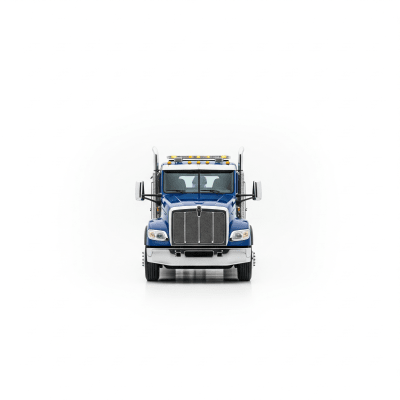
Tow trucks typically measure between 6 and 12 meters in length, 2 to 2.5 meters in width, and 2 to 4 meters in height. They feature a cab—ranging from regular to sleeper configurations—and an integrated towing apparatus such as a boom, wheel-lift, or flatbed. Their form is enhanced by functional equipment like winches, hydraulic lifts, stabilizers, tool storage, lighting, and safety gear, all designed for efficient vehicle recovery.
Primarily, tow trucks serve to recover disabled or illegally parked vehicles, assist roadside emergencies, respond to accidents, and transport vehicles to repair or impound facilities. Operated by towing companies, law enforcement, and municipal services, they are essential for maintaining road safety and vehicle flow in urban and rural environments across North America, Europe, Australia, and Asia.
Bring this kind into your world illustrated posters, mugs, and shirts.
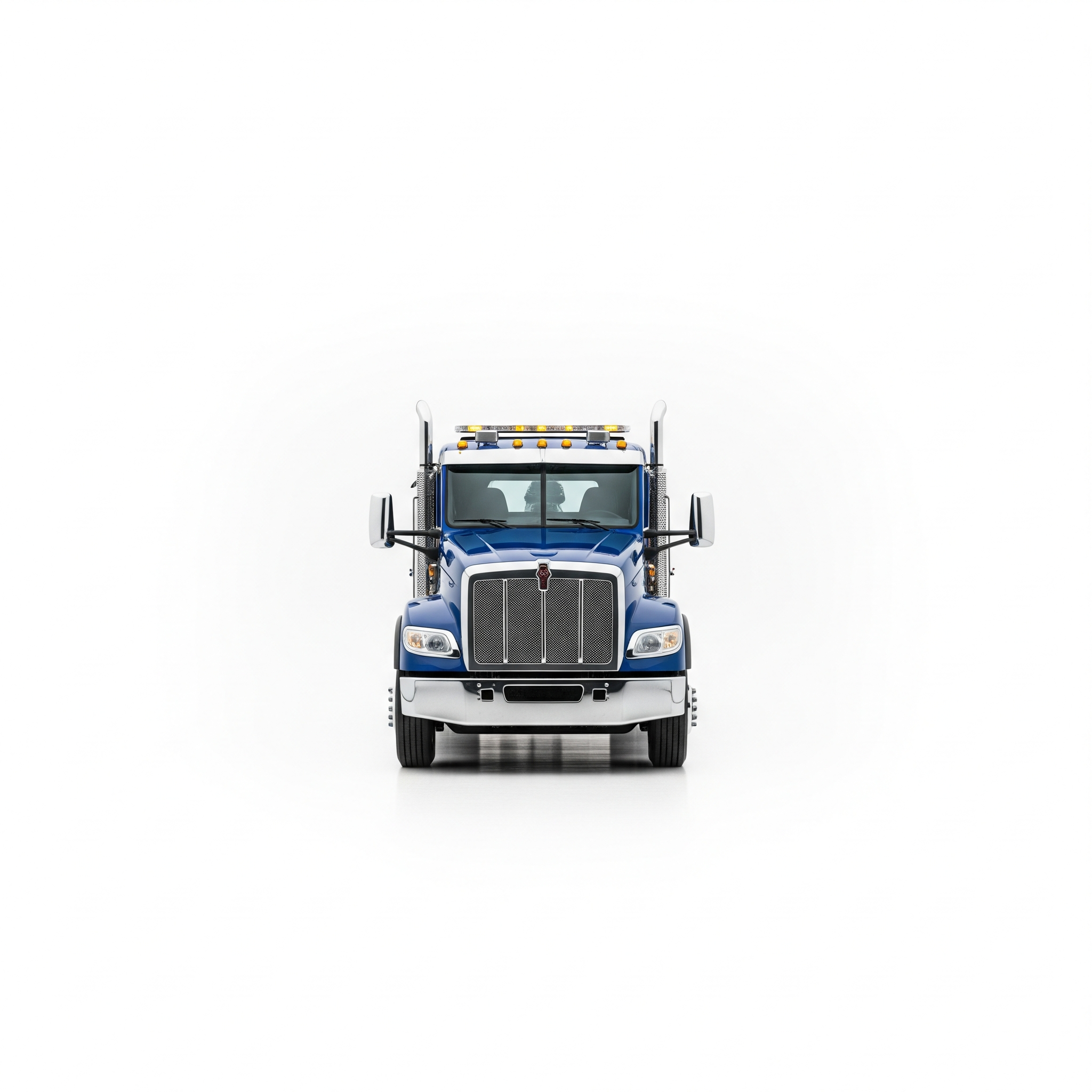
Archival print, museum-grade paper
Buy Poster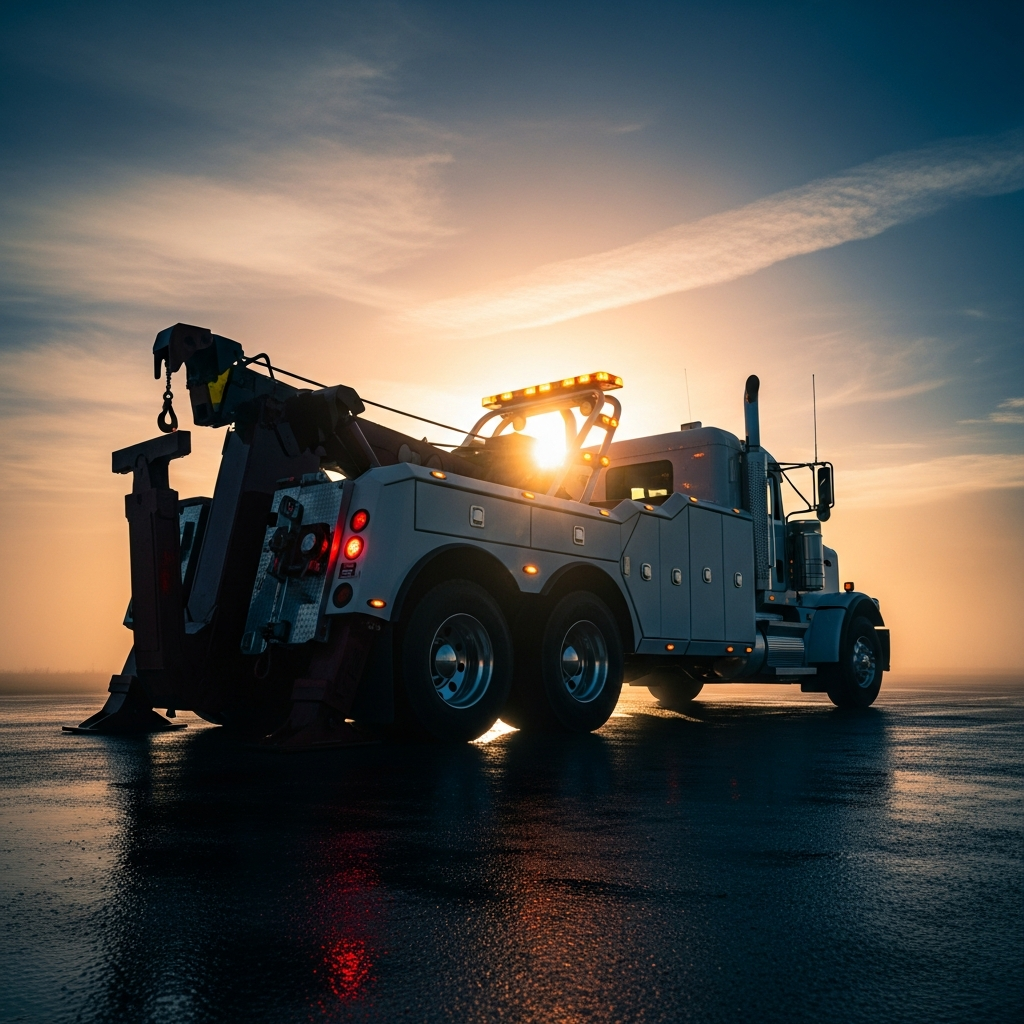
Stoneware mug, dishwasher safe
Buy Mug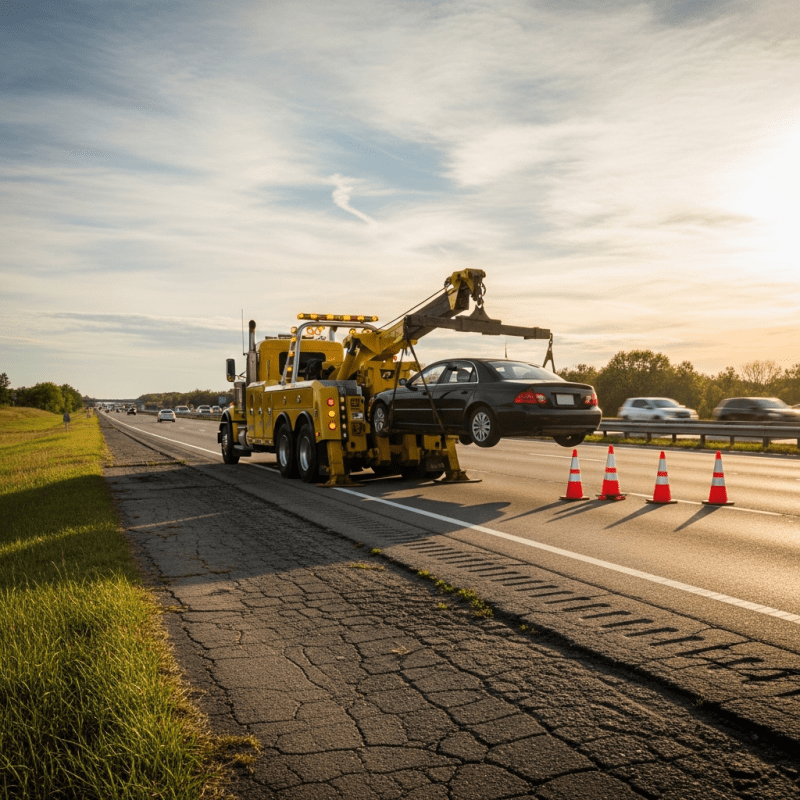
Soft cotton tee, unisex sizes
Buy ShirtTow trucks hold a notable place in modern culture as symbols of roadside assistance and emergency response. They frequently appear in films, television, and literature as indispensable helpers in vehicle breakdown scenarios, embodying reliability and swift aid. Regional terms like "wrecker" and "breakdown lorry" reflect their cultural integration across different English-speaking countries.
⚙️ Technical Specifications: Tow trucks typically weigh at least 4,536 kg GVWR, with payload capacities ranging from 1,360 to over 34,000 kg. Dimensions span 6–12 meters in length, 2–2.5 meters in width, and 2–4 meters in height. They feature 2 to 4 axles and come with various cab configurations including regular, extended, crew, and sleeper cabs. Engines are predominantly diesel, with gasoline for lighter models and emerging electric variants. The cargo area integrates towing apparatus such as booms, wheel-lifts, or flatbeds, equipped with winches, hydraulic lifts, stabilizers, and safety lighting.
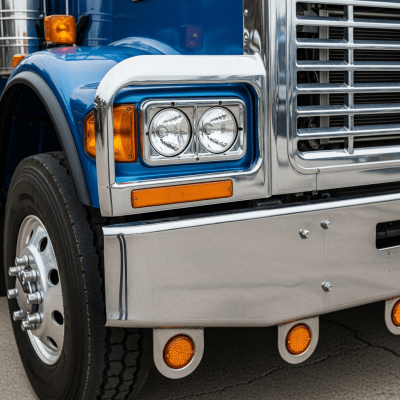
🚚 Common Models: Major manufacturers producing tow trucks include Ford, International, Freightliner, Isuzu, and Mercedes-Benz. Specialized body builders like Miller Industries, Jerr-Dan, Century, and Vulcan customize chassis to create a variety of recovery vehicles tailored to different towing needs and regional requirements.
Maintaining a tow truck involves regular inspection and servicing of its towing apparatus, hydraulic systems, winches, and safety equipment to ensure reliable operation. Engine and chassis upkeep follow standard commercial vehicle protocols, with special attention to load-bearing components and electrical systems, especially in newer electric models. Preventive maintenance helps avoid costly downtime and ensures compliance with safety regulations.
Tow trucks, especially those with diesel engines, contribute to emissions and fuel consumption typical of heavy commercial vehicles. However, advances in electric powertrains and stricter regulatory standards are driving the development of cleaner, more sustainable recovery vehicles. Efficient routing and operation also help minimize environmental footprints in towing services worldwide.