Car Carrier Truck
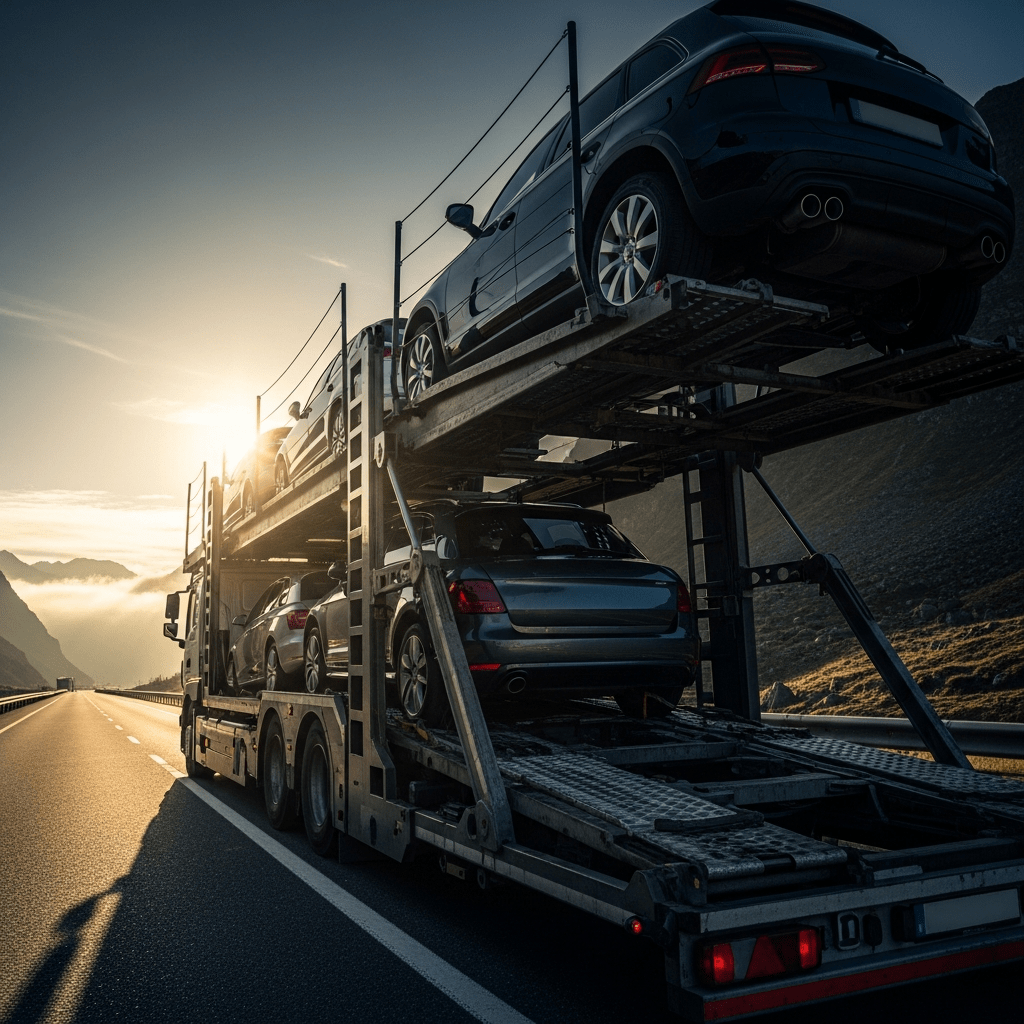
A car carrier truck is a specialized vehicle designed to transport multiple passenger cars efficiently, typically featuring a multi-level trailer that can be open or enclosed.
A car carrier truck is a specialized vehicle designed to transport multiple passenger cars efficiently, typically featuring a multi-level trailer that can be open or enclosed.
Car carrier trucks emerged in the 1920s alongside the rise of mass automobile production, evolving through decades of innovation to meet growing demands in vehicle logistics. Major manufacturers like Volvo Trucks, Daimler, Scania, and Isuzu have contributed to refining both tractor units and trailers, while specialized trailer makers such as Cottrell, Lohr, and Kässbohrer advanced designs with hydraulic ramps and lightweight materials to improve safety and efficiency.
Within the truck taxonomy, car carrier trucks fall under the heavy-duty category, often classified as US DOT/FMCSA Class 8 or EU N3 vehicles. They belong to a functional group focused on vehicle transport, distinguished by their multi-level trailer configurations designed specifically for carrying multiple passenger cars simultaneously.
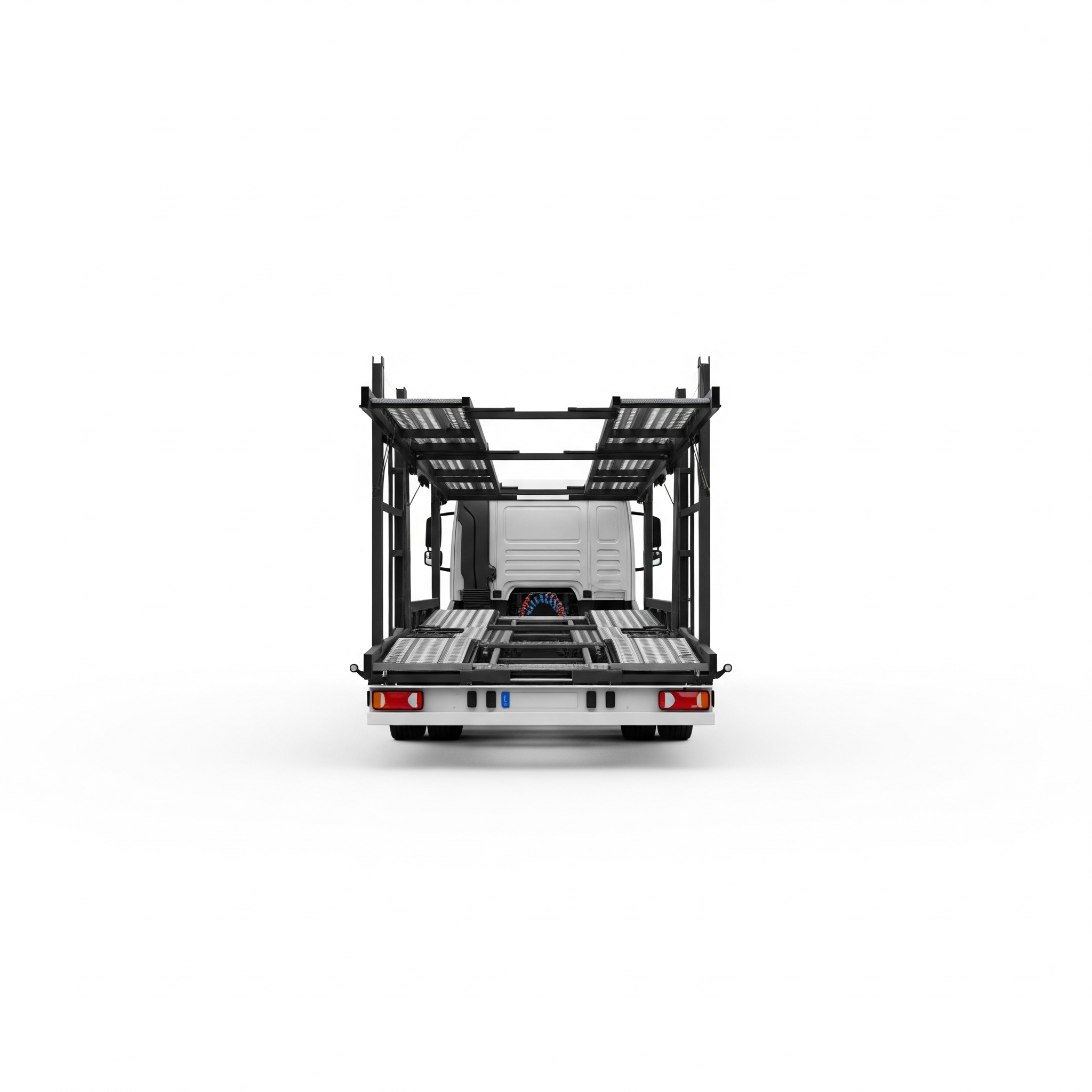
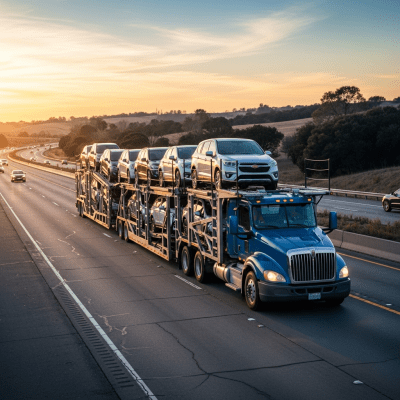
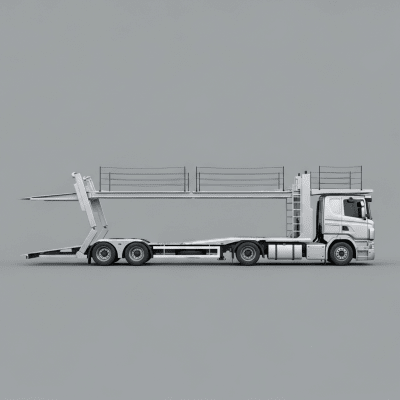
Car carrier trucks combine a robust tractor unit with a distinctive multi-level trailer that can be either open or enclosed. Open trailers, common in North America, feature visible metal ramps and rails, while enclosed trailers, favored in Europe and for luxury vehicles, offer full coverage. These trailers typically range from 16 to 25 meters in length and stand up to 4.1 meters tall, with 5 to 9 axles supporting the heavy loads. The tractor cabs are usually sleeper or day cab types, built to accommodate long-haul routes.
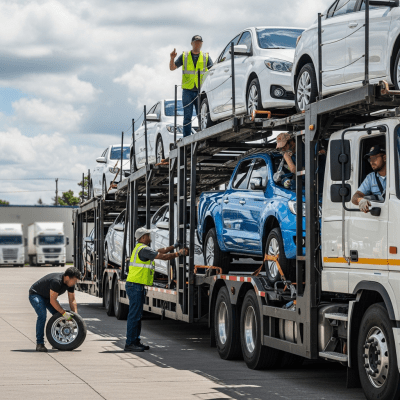
Primarily, car carrier trucks serve the automotive supply chain by transporting multiple finished vehicles from factories, ports, or auctions to dealerships and customers. Their multi-level trailers maximize load capacity, carrying between five and ten cars per trip. Open trailers are favored for cost-effective bulk transport, while enclosed trailers protect high-value vehicles. Operators must comply with strict regulations on load limits, driver hours, and vehicle safety to ensure secure and efficient delivery.
Bring this kind into your world illustrated posters, mugs, and shirts.
Archival print, museum-grade paper
Buy Poster
Stoneware mug, dishwasher safe
Buy Mug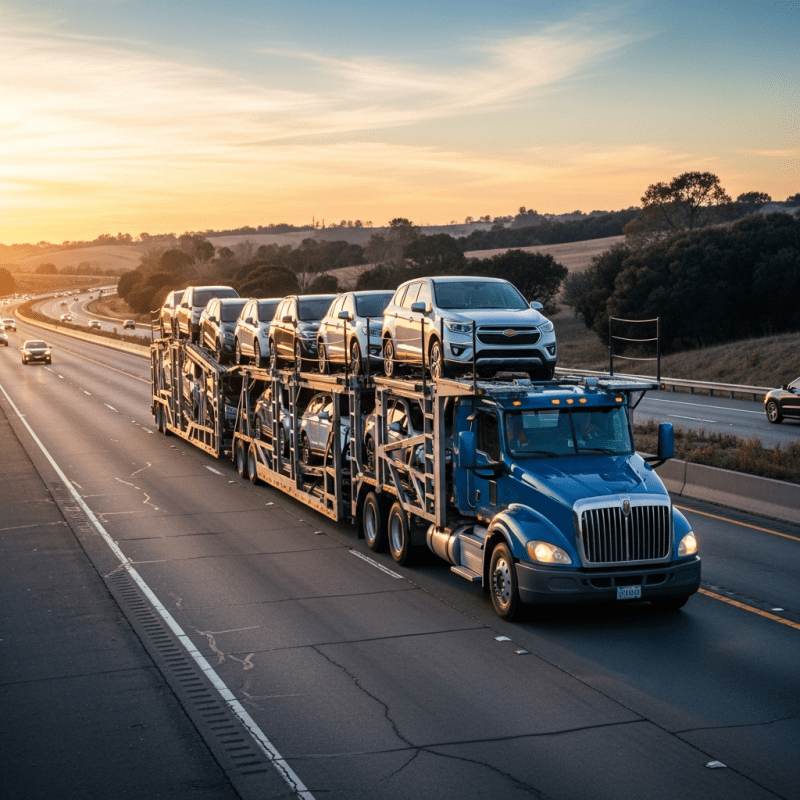
Soft cotton tee, unisex sizes
Buy ShirtCar carrier trucks symbolize the vast scale and complexity of modern automotive logistics, often featured in media and documentaries highlighting vehicle manufacturing and distribution. They represent industrial efficiency and the interconnectedness of global markets, occasionally appearing in art and photography as icons of transportation and commerce. Their presence on highways is a familiar sight, underscoring the behind-the-scenes efforts that bring new cars to consumers.
⚙️ Key Specifications:
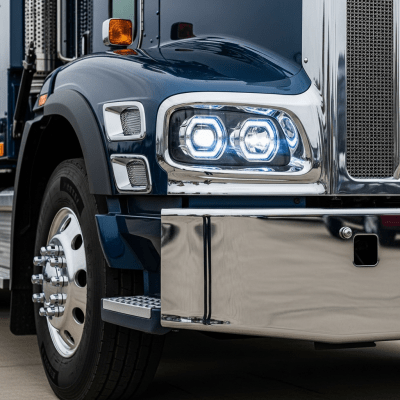
Leading manufacturers producing car carrier trucks include Volvo Trucks, Daimler (Freightliner and Mercedes-Benz), Scania, and Isuzu for tractor units. Specialized trailers are often supplied by companies such as Cottrell, Lohr, and Kässbohrer, each known for innovations in trailer design and load handling.
Maintaining a car carrier truck involves regular inspection of both tractor and trailer components. Key areas include engine performance, braking systems (ABS/EBS), hydraulic ramp functionality, and load-securing equipment. Due to the heavy loads and complex trailer mechanisms, preventative maintenance is critical to ensure safety and compliance with regulations. Trailer upkeep often requires specialized knowledge, especially for hydraulic systems and structural integrity checks.
Car carrier trucks, as heavy-duty diesel vehicles, contribute to emissions and fuel consumption typical of large freight transport. Efforts to reduce their environmental footprint include exploring electric and hybrid powertrains and improving aerodynamic trailer designs. Regulatory standards in regions like the US, EU, and Australia enforce emissions controls, encouraging manufacturers and operators to adopt cleaner technologies and optimize logistics for fewer trips.