Logging Tractor
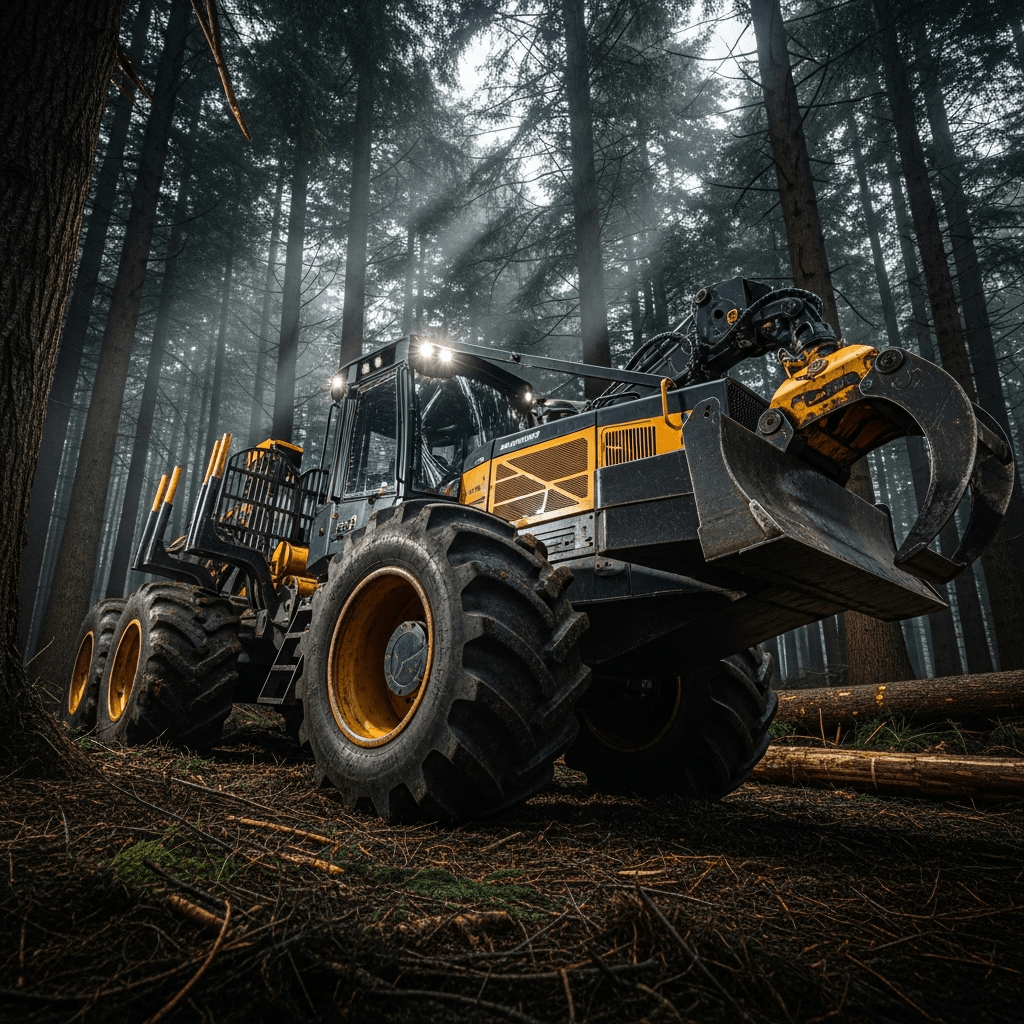
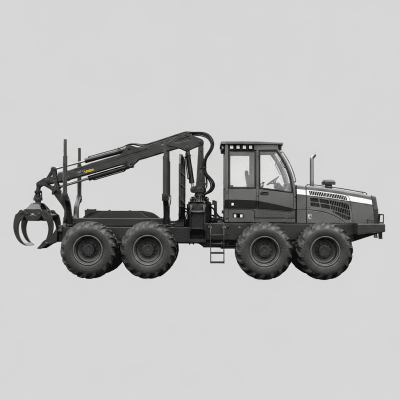
A logging tractor is a heavy-duty vehicle engineered specifically for forestry tasks, designed to haul logs from cutting sites to collection or processing areas with robust off-road capability and powerful engines.
A logging tractor is a heavy-duty vehicle engineered specifically for forestry tasks, designed to haul logs from cutting sites to collection or processing areas with robust off-road capability and powerful engines.
Logging tractors trace their roots to the late 19th and early 20th centuries, evolving from steam-powered skidders and crawler tractors used in early forestry. Modern versions emerged mid-20th century, shaped by advances in hydraulics, safety, and environmental standards, with leading manufacturers like John Deere, Caterpillar, Komatsu, and Tigercat driving continuous innovation.
Classified as special purpose vehicles within the truck taxonomy, logging tractors belong to a niche group designed for off-road timber extraction rather than road transport. They differ from logging trucks by focusing on maneuverability and log handling within forest environments, often regulated under US DOT and EU special purpose vehicle categories.
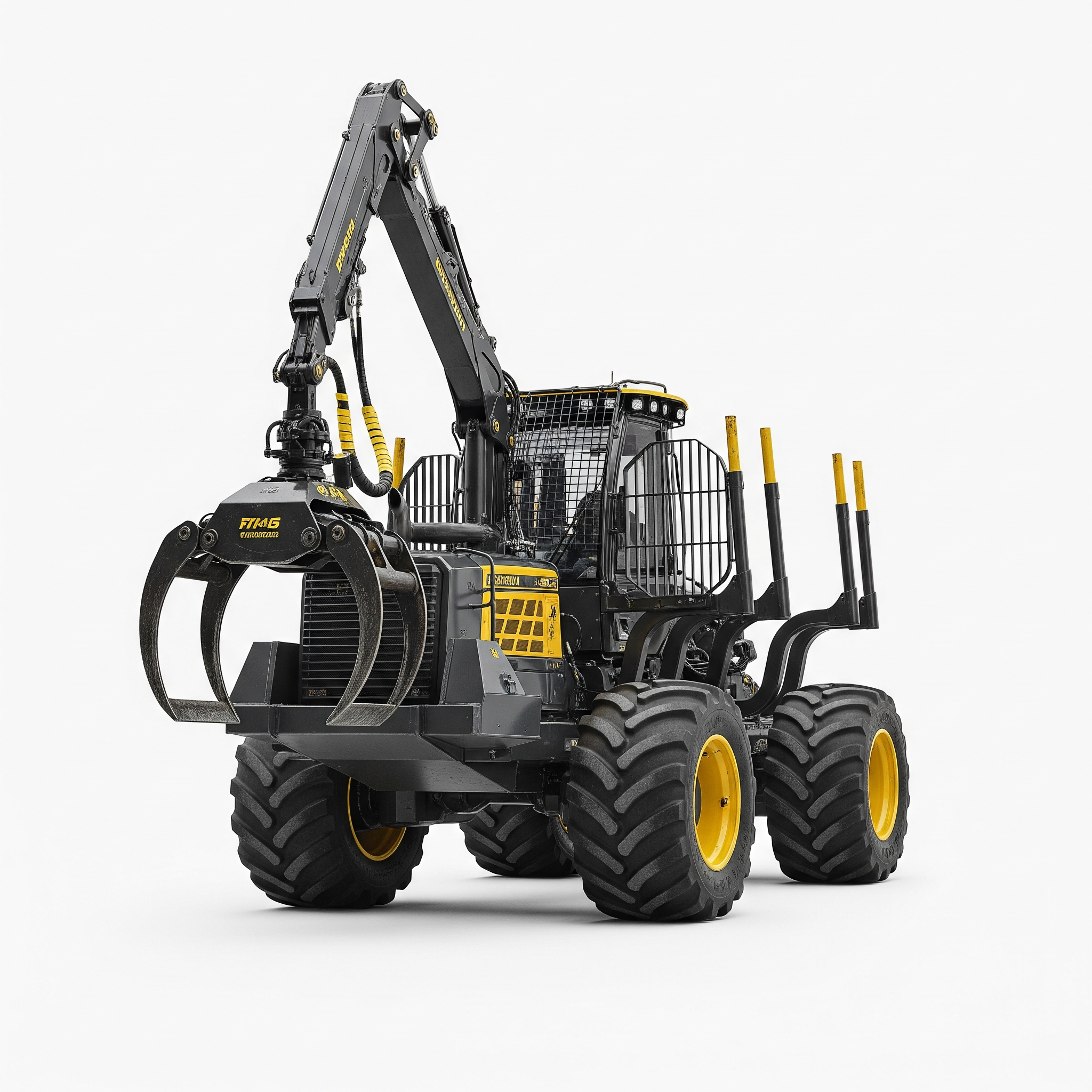
Logging tractors are sizable machines, typically 6 to 10 meters long, 2.5 to 3.5 meters wide, and 3 to 4 meters tall. They feature reinforced, enclosed cabs—sometimes elevated for better visibility—with rollover protection and climate control. Their rugged frames often include 2 to 4 axles, heavy-duty tires or tracks, and articulated steering to navigate rough terrain.
Primarily used in forestry, logging tractors skid, forward, and transport logs from harvest sites to roadside landings or mills. Equipped with hydraulic attachments such as grapples, winches, cable skidders, and log bunks, they enable precise log handling. Their powerful diesel engines and all-wheel-drive configurations ensure mobility across uneven, challenging landscapes.
Bring this kind into your world illustrated posters, mugs, and shirts.
Archival print, museum-grade paper
Buy Poster
Stoneware mug, dishwasher safe
Buy Mug
Soft cotton tee, unisex sizes
Buy ShirtWhile not commonly featured in mainstream art or myth, logging tractors hold cultural importance in timber-producing regions, symbolizing the rugged, industrious spirit of forestry communities. They represent technological progress in sustainable resource extraction and appear in forestry-focused media and vocational training materials.
⚙️ Logging tractors typically weigh between 10,000 and 30,000 kg and measure 6 to 10 meters in length, 2.5 to 3.5 meters in width, and 3 to 4 meters in height. They feature 2 to 4 axles and employ diesel engines delivering 150 to 400 horsepower. Common drivetrains include 4x4, 6x6, and articulated configurations. Cabs are enclosed and reinforced with rollover protection and climate control. Cargo handling is facilitated by hydraulic attachments such as grapples, winches, cable skidders, and log bunks.



Popular logging tractor families include the John Deere 900 Series and Caterpillar 500 Series, both renowned for durability and advanced forestry features. Other notable manufacturers producing specialized models are Komatsu and Tigercat, each offering machines tailored to diverse logging environments and operational needs.
Maintaining a logging tractor involves regular inspection of hydraulic systems, drivetrain components, and heavy-duty tires or tracks to ensure reliability in harsh terrain. Operator safety features like rollover protection structures require routine checks. Engine maintenance focuses on diesel performance and emissions compliance, while telematics systems aid in predictive upkeep and fleet management.
Logging tractors are designed to minimize ecological disturbance through advanced suspension and low-ground-pressure tires or tracks, reducing soil compaction. Modern models incorporate Tier 4-compliant engines to limit emissions. Their use supports sustainable forestry by enabling efficient timber extraction with reduced environmental footprint compared to less specialized equipment.