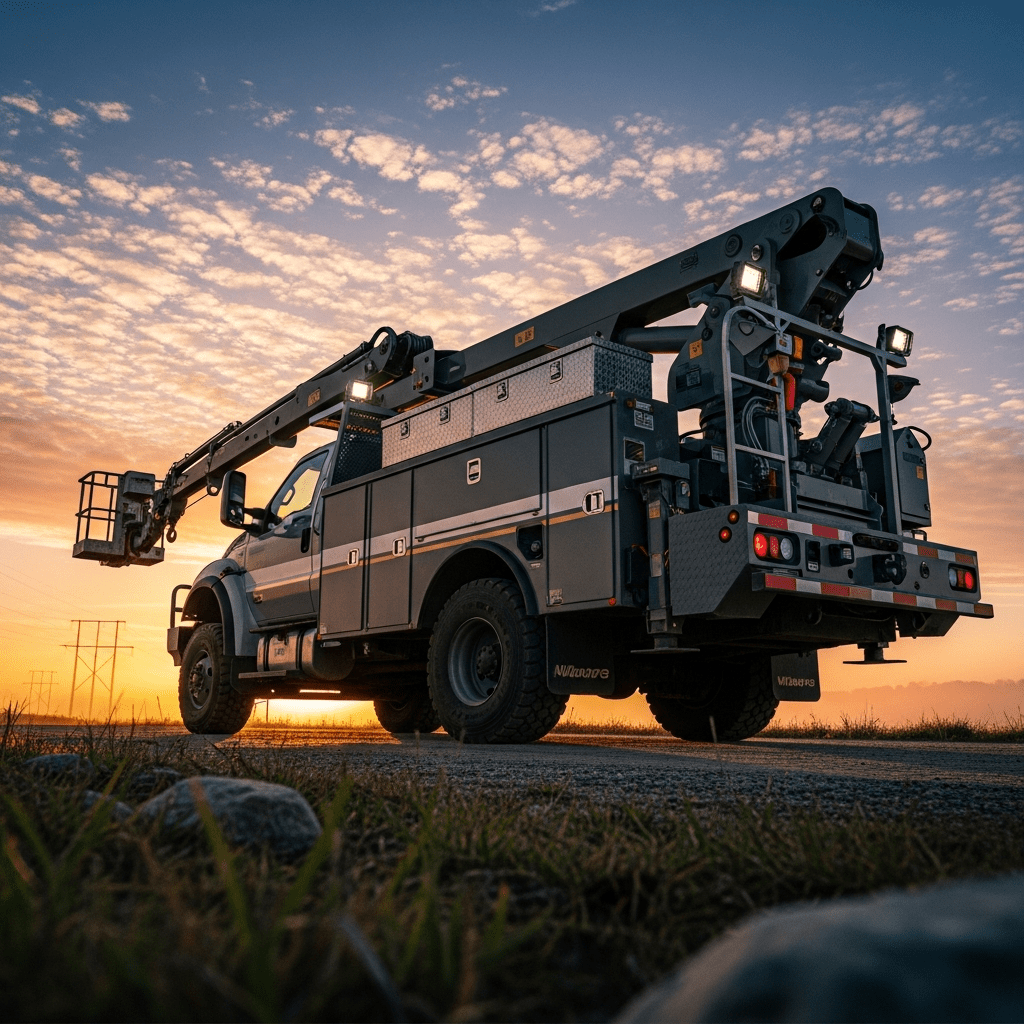
Utility Truck
A utility truck is a specialized vehicle designed to transport tools, equipment, and personnel essential for the maintenance and repair of public utilities such as electricity, telecommunications, water, and gas.
A utility truck is a specialized vehicle designed to transport tools, equipment, and personnel essential for the maintenance and repair of public utilities such as electricity, telecommunications, water, and gas.
Utility trucks originated from light- and medium-duty truck chassis adapted with custom bodies and equipment to meet the needs of utility service providers. This evolution began in the early 20th century and accelerated during the mid-1900s as public utility infrastructure expanded, with ongoing advancements driven by safety regulations and technology.
Classified as special purpose trucks, utility trucks span a range of regulatory classes from light-duty (US DOT Classes 2 and 3) through heavy-duty (Classes 7 and 8). They are recognized under standards such as SAE J684 and OSHA's Mobile Elevating Work Platform (MEWP) regulations when equipped with aerial devices, fitting within commercial vehicle categories globally.
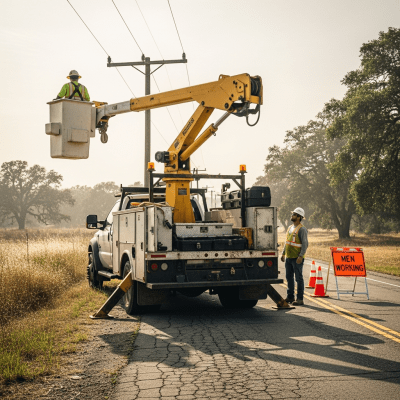
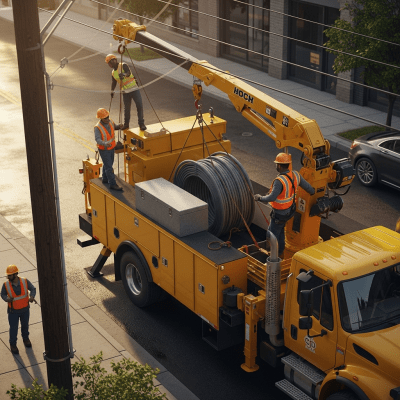
Utility trucks typically feature a service body with multiple lockable compartments for tools and parts. They vary in length from about 5.5 to 8.5 meters and can reach heights up to 4 meters when equipped with aerial lifts. Cab configurations include regular, extended, and crew cabs, often mounted on two- or three-axle chassis. Specialized equipment such as hydraulic cranes, bucket lifts, winches, and generators are common, along with stabilizers or outriggers for safety during operations.
Primarily, utility trucks support field operations for utility companies and municipal services by transporting personnel and specialized equipment needed for installation, maintenance, and emergency repairs of infrastructure. They operate in diverse environments, including urban, rural, and challenging off-road locations, enabling rapid response to outages and service needs.
Bring this kind into your world illustrated posters, mugs, and shirts.
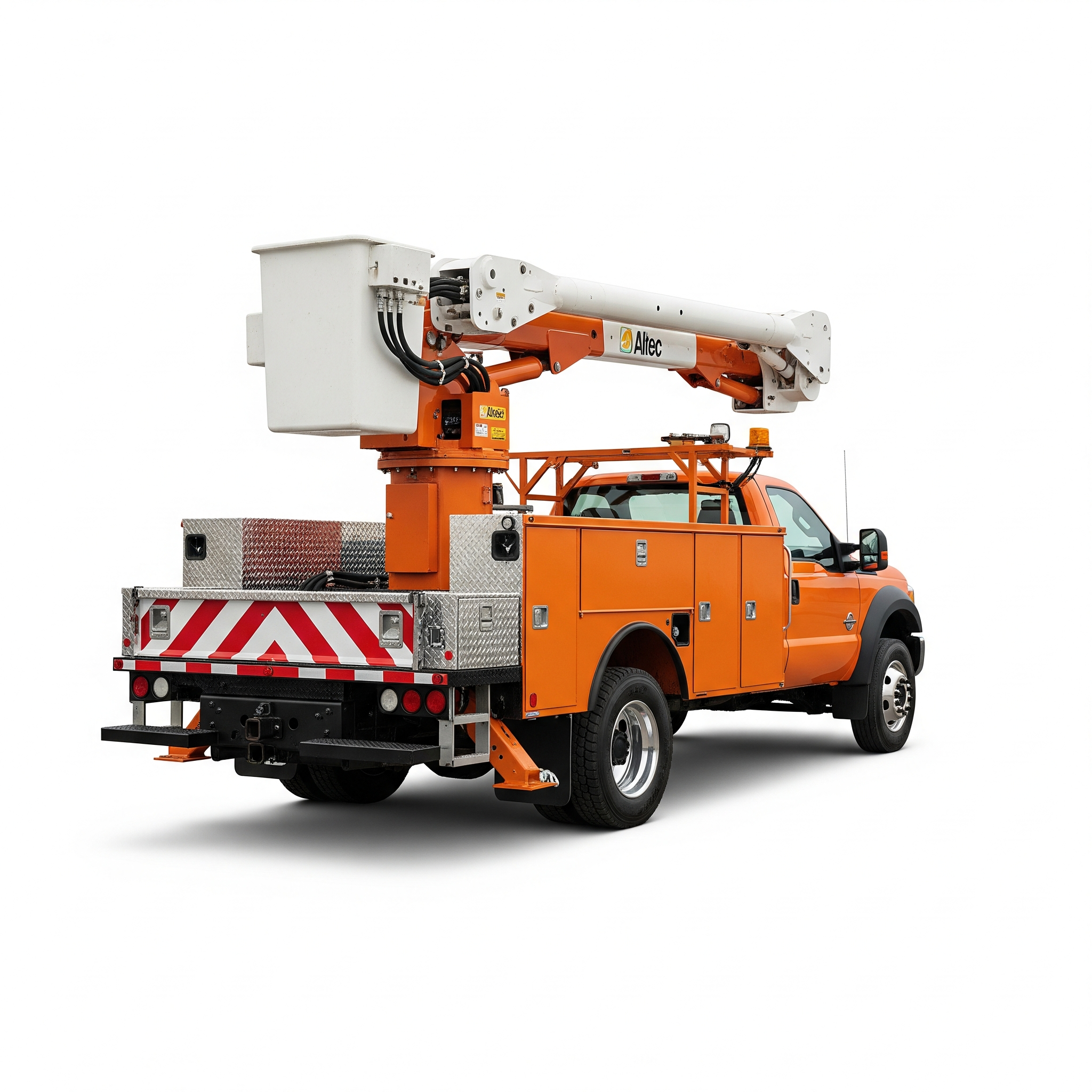
Archival print, museum-grade paper
Buy Poster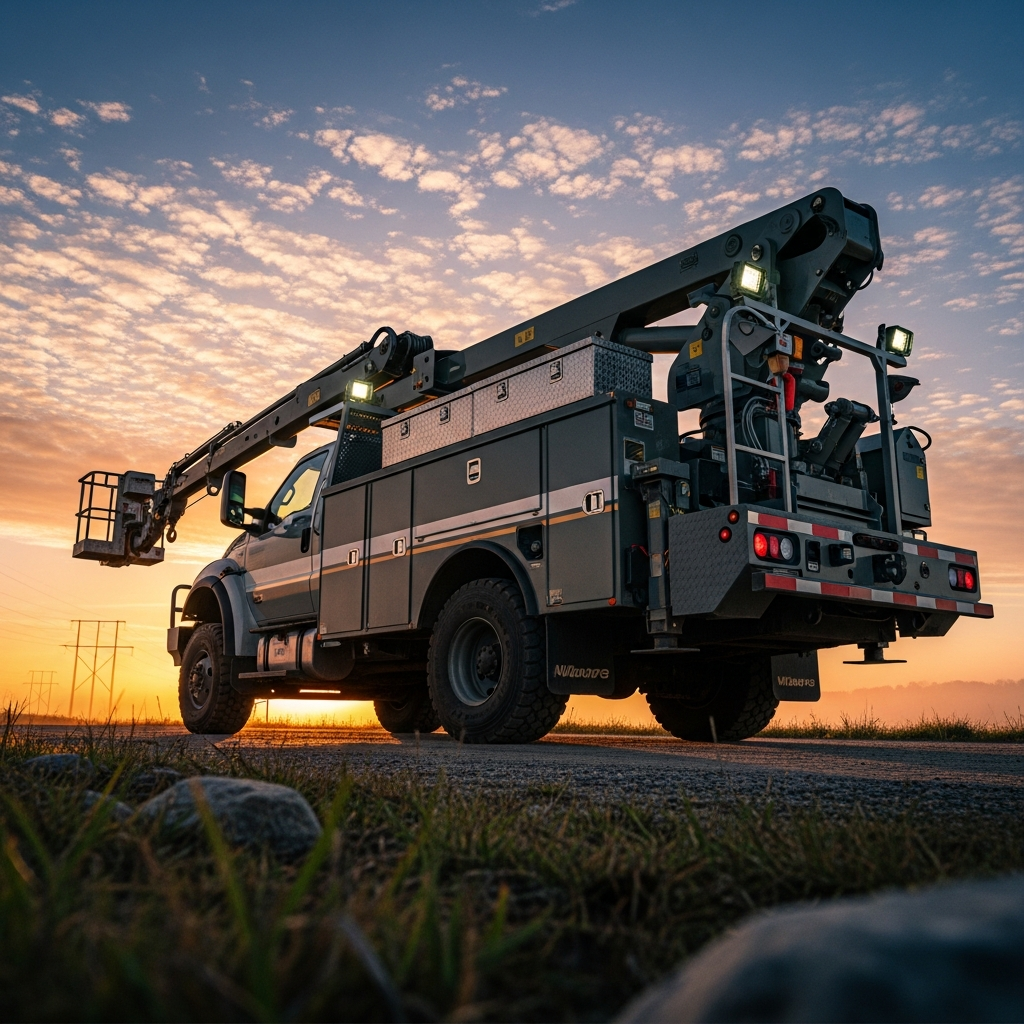
Stoneware mug, dishwasher safe
Buy Mug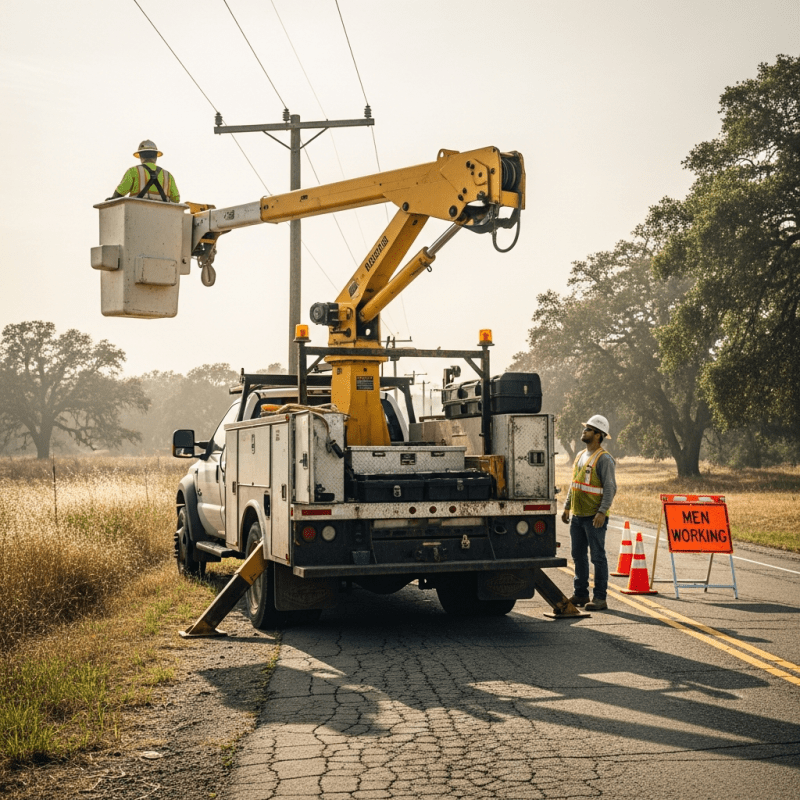
Soft cotton tee, unisex sizes
Buy ShirtUtility trucks symbolize the backbone of modern infrastructure maintenance, frequently appearing in media and public works imagery as essential tools for keeping utilities operational. Their presence reflects societal reliance on continuous utility services and the skilled labor behind them, embodying themes of reliability, service, and community support.
⚙️ Utility trucks typically range from 2,722 to 11,793 kilograms in gross vehicle weight rating (GVWR), with payload capacities between 1,000 and 6,000 kilograms. Lengths vary from 5.5 to 8.5 meters, and heights can reach up to 4 meters for aerial-equipped models. They commonly have two or three axles and come with cab options including regular, extended, and crew configurations. Engines span gasoline, diesel, hybrid, and electric types. Cargo areas are service bodies featuring lockable compartments and specialized equipment like hydraulic cranes, aerial lifts, winches, and generators.
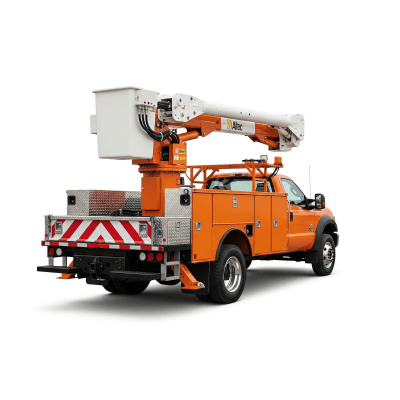
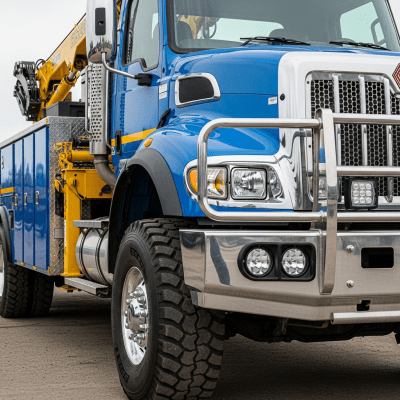
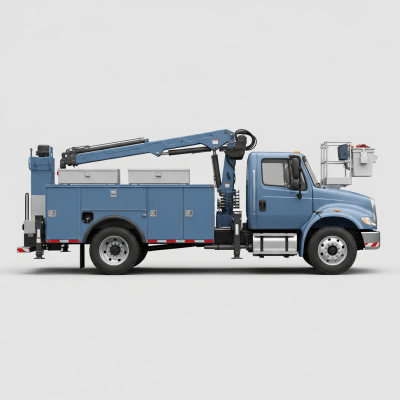
Popular utility truck bases include chassis from Ford F-Series, Chevrolet Silverado, Ram trucks, International medium-duty models, and Isuzu NPR series. These chassis are frequently upfitted by body manufacturers such as Altec, Reading, and Knapheide to create tailored utility vehicles for various service needs.
Maintaining a utility truck involves regular inspection of both the vehicle chassis and specialized equipment. Key areas include hydraulic systems, aerial lifts, stabilizers, and lockable compartments. Routine engine and drivetrain servicing follow manufacturer guidelines, while safety-critical components require adherence to regulatory inspection schedules to ensure reliable and safe operation in demanding field conditions.
Utility trucks traditionally rely on gasoline and diesel engines, contributing to emissions and environmental impact. However, the integration of hybrid and electric powertrains is growing, reducing carbon footprints and improving energy efficiency. Regulatory standards and technological advances continue to drive sustainability efforts within this vehicle segment, balancing operational needs with environmental responsibility.