Excavators

19 kinds of excavators described and visualized

Excavators are powerful machines designed primarily for digging, earthmoving, and material handling through articulated booms, arms, or cable systems. They serve as indispensable tools across construction, mining, demolition, and utility industries, distinguished by their mechanism, mobility, and application.

A collection from Kinds Of - designing the world’s structured knowledge

Kinds of Excavators

Origin Story

The origins of excavators trace back to early mechanical shovels and steam-powered digging machines developed in the 19th century. Over time, advancements in hydraulics and electric power transformed these bulky contraptions into versatile, efficient machines. Hydraulic excavators emerged mid-20th century, revolutionizing earthmoving with precise control and mobility, while cable-operated rope shovels and draglines became staples in large-scale mining operations. These innovations laid the foundation for the diverse excavator classes seen today.

Classification

Excavators are classified primarily by their excavation mechanism: hydraulic, cable-operated, suction-based, or dredging types. Within these, mobility forms such as crawler (tracked), wheeled, mini, pontoon (amphibious), rail-mounted, and stationary further define their capabilities. Applications span construction, mining, demolition, utility work, dredging, forestry, and material handling. Size classes range from mini (under 6 tonnes) to giant mining machines exceeding 80 tonnes. Powertrains include diesel, electric, hybrid, and cable-electric systems, while control modes vary from manned to remote and autonomous operation.

Appearance or Form

Typically, excavators feature a rotating platform mounted on a mobile undercarriage—either tracks or wheels—supporting an articulated boom and arm equipped with various attachments like buckets or breakers. Their form varies by size and purpose: mini excavators are compact with short tails for tight spaces, while large crawler excavators boast robust frames and extended reach. Cable excavators, including rope shovels and draglines, display massive booms and suspended buckets operated by cables. Suction excavators incorporate vacuum hoses for precise material removal, and amphibious variants rest on pontoons for waterlogged terrains.

Behavior or Usage

Excavators perform earth removal, trenching, demolition, material handling, and mining tasks by manipulating soil, rock, or debris with their articulated arms or cable systems. Operators select attachments like buckets for digging, breakers for demolition, or grapples for lifting. Hydraulic excavators excel in precision and versatility on construction sites, while cable-operated machines handle heavy-duty mining excavation. Suction excavators specialize in utility work, safely extracting underground materials without damage. Their mobility—tracked or wheeled—affects stability and transportability, and emerging autonomous controls enhance efficiency and safety.

Buy the Collection

See how the Excavators edition appears in two poster formats.

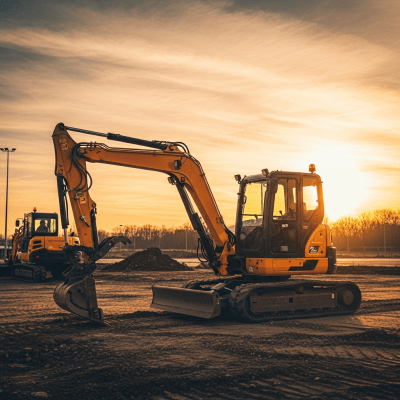
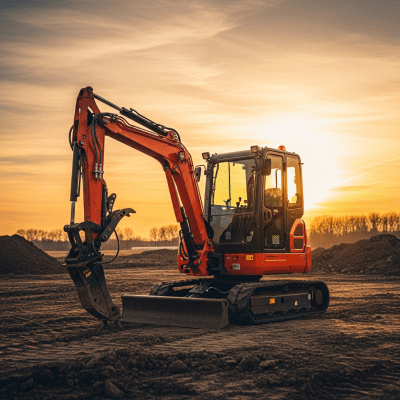
Hydraulic mini crawler excavator

Hydraulic mini crawler excavator

A hydraulic mini crawler excavator is a compact, tracked earthmoving machine designed for precise excavation and material handling in confined spaces, typically weighing under 6 metric tonnes and powered by hydraulic actuation.

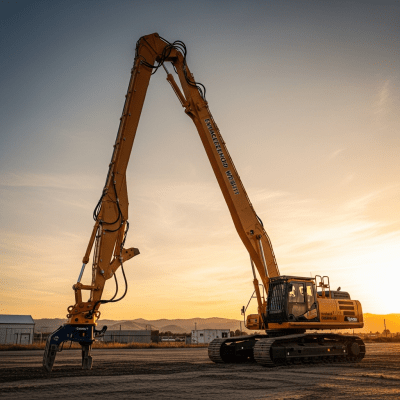
Hydraulic demolition/high-reach excavator

Hydraulic demolition/high-reach excavator

A hydraulic demolition/high-reach excavator is a specialized tracked machine designed for the controlled dismantling of multi-story structures, featuring extended articulated booms that enable precise demolition at heights beyond standard excavators.

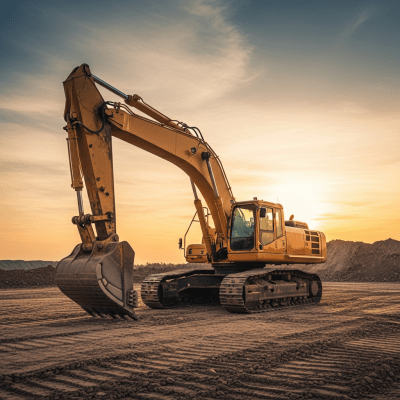
Hydraulic large crawler excavator (heavy duty)

Hydraulic large crawler excavator (heavy duty)

A hydraulic large crawler excavator (heavy duty) is a powerful tracked earthmoving machine designed for demanding construction and quarry tasks, delivering exceptional digging force, reach, and stability through advanced hydraulic systems.

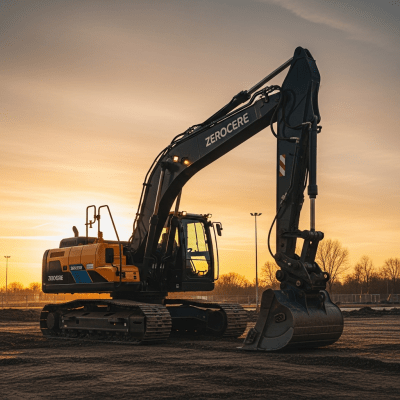
Battery-electric hydraulic excavator

Battery-electric hydraulic excavator

A battery-electric hydraulic excavator is an earthmoving machine that uses electric power to drive its hydraulic excavation system, delivering zero local emissions while maintaining the conventional articulated boom, arm, and bucket mechanism.

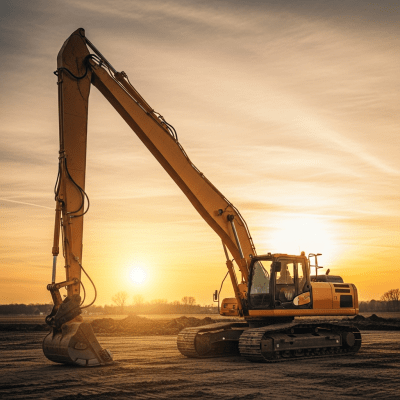
Long-reach hydraulic excavator

Long-reach hydraulic excavator

A long-reach hydraulic excavator is a specialized earthmoving machine equipped with an extended boom and arm, designed to perform deep excavations, reach distant or inaccessible areas, and conduct high-reach demolition with precision and safety.

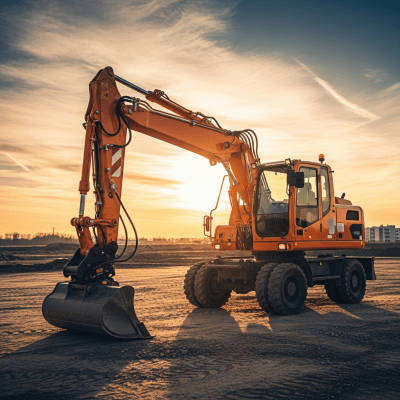
Hydraulic wheeled excavator (standard)

Hydraulic wheeled excavator (standard)

The hydraulic wheeled excavator (standard) is a versatile earthmoving machine featuring an articulated hydraulic boom and arm mounted on a wheeled chassis, designed for efficient excavation and rapid relocation in urban and utility environments.

Zero-tail-swing hydraulic excavator

Zero-tail-swing hydraulic excavator

A zero-tail-swing hydraulic excavator is a compact, crawler-mounted machine engineered so its rear counterweight remains within the track width during rotation, enabling safe operation in confined spaces.

Trailing Suction Hopper Dredger

Trailing Suction Hopper Dredger

A Trailing Suction Hopper Dredger (TSHD) is a large, self-propelled vessel designed to excavate underwater sediments by suction and transport them in an onboard hopper for dredging and land reclamation projects.

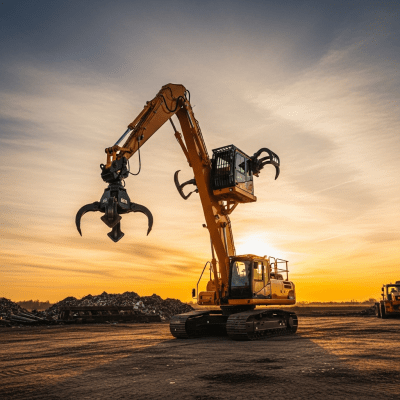
Hydraulic material handler

Hydraulic material handler

A hydraulic material handler is a specialized excavator designed primarily for lifting, sorting, and transferring bulk materials such as scrap, timber, and recyclables, distinguished by its robust hydraulic system and rotating upper structure optimized for precise material manipulation rather than earth excavation.

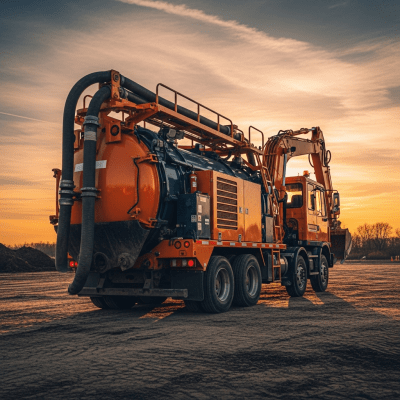
Suction (vacuum) excavator

Suction (vacuum) excavator

A suction (vacuum) excavator is a specialized earthmoving machine that uses powerful vacuum suction to safely remove soil and debris without mechanical digging, enabling non-destructive excavation around underground utilities.

Dragline Excavator

Dragline Excavator

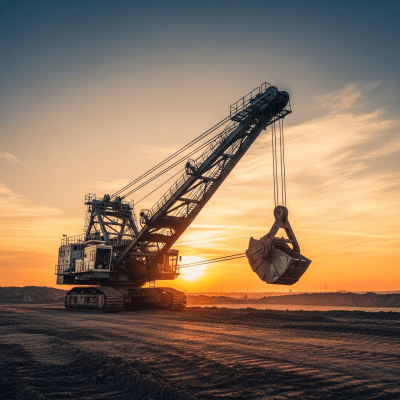
A dragline excavator is a massive cable-operated earthmoving machine that uses a suspended bucket dragged by cables to excavate and move large volumes of material, primarily in surface mining and major civil engineering projects.

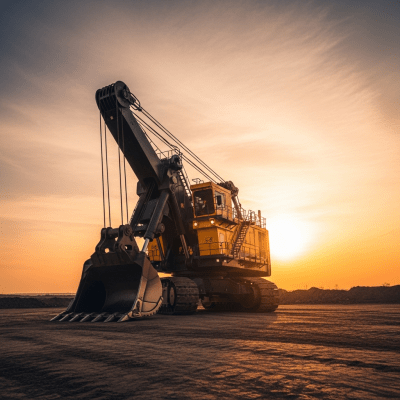
Electric rope shovel

Electric rope shovel

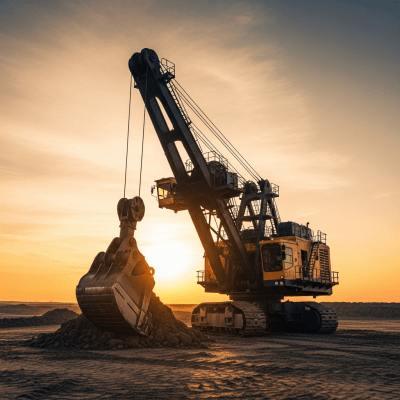
An electric rope shovel is a massive mining excavator that uses cable-driven winches and electric motors to operate a large dipper bucket for high-volume earth removal in surface mining.

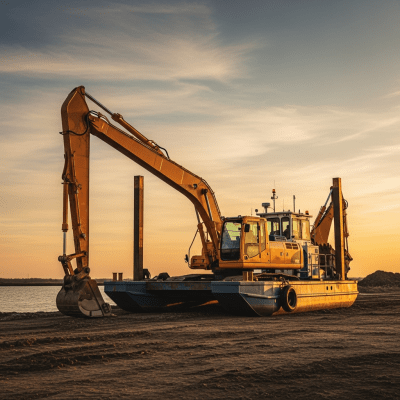
Amphibious pontoon excavator

Amphibious pontoon excavator

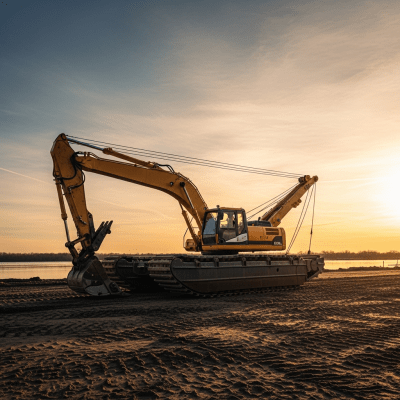
An amphibious pontoon excavator is a specialized hydraulic excavator designed to operate on waterlogged, marshy, or shallow aquatic environments by utilizing a buoyant pontoon undercarriage that enables flotation and mobility where conventional excavators cannot function.

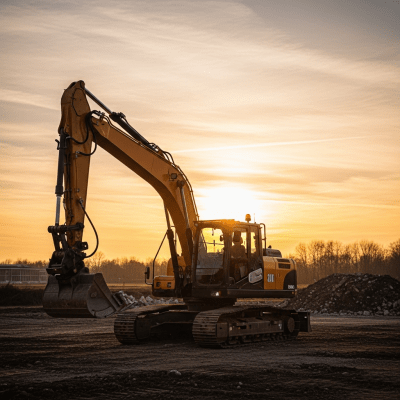
Hydraulic crawler excavator (standard)

Hydraulic crawler excavator (standard)

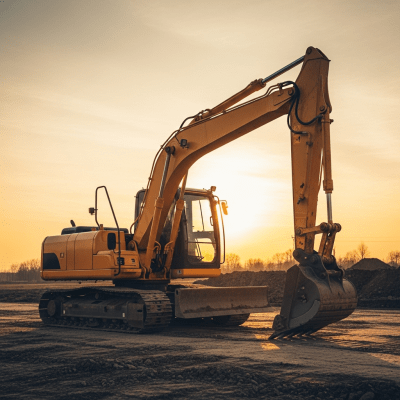
The hydraulic crawler excavator (standard) is a mid-sized tracked earthmoving machine featuring an articulated boom and arm powered by hydraulic cylinders, widely used for versatile excavation tasks in construction, civil engineering, and utility projects.

Hydraulic mining shovel

Hydraulic mining shovel

A hydraulic mining shovel is a large crawler-mounted excavator that uses hydraulic cylinders to power its articulated boom, stick, and bucket, designed primarily for high-volume material excavation and loading in surface mining operations.

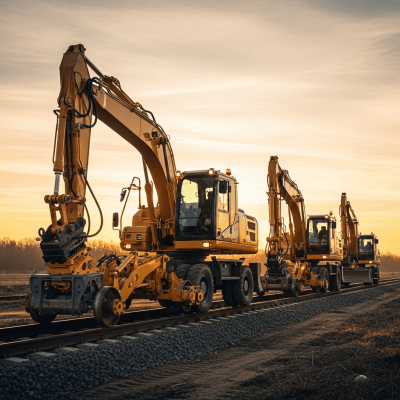
Rail-mounted excavator

Rail-mounted excavator

A rail-mounted excavator is a specialized hydraulic excavating machine equipped with rail gear that enables it to operate directly on railway tracks for maintenance, construction, and utility tasks.

Buy Large Edition with 16 Kinds

Cultural Significance

Excavators symbolize industrial progress and human mastery over the earth, frequently depicted in media and public works as icons of construction and development. They embody the transformative power of technology in shaping landscapes and infrastructure. In mining regions, massive rope shovels and draglines have become landmarks, reflecting economic lifelines. Their presence in educational and training contexts underscores their role in skilled labor and engineering culture. Modern advances in electrification and autonomy position excavators at the forefront of sustainable and innovative industry practices.

Notable Facts

  • Hydraulic excavators dominate construction due to their precise boom and arm articulation powered by hydraulic cylinders.
  • Draglines, with their cable-suspended buckets, can excavate massive volumes in mining but have limited mobility.
  • Mini excavators weigh under 6 tonnes, ideal for confined urban sites and utility work.
  • Suction excavators use vacuum technology to remove soil safely around underground utilities.
  • Electric rope shovels in mining can weigh hundreds of tonnes and are among the largest excavators globally.

Kinds of Excavators

Explore the range of forms, textures, and traditions within this collection.

Sorted by popularity

Editorial-style hero shot of a Hydraulic mini (compact) crawler excavator (excavators), dramatically lit at sunset on an open site.

Hydraulic mini crawler excavator

A hydraulic mini crawler excavator is a compact, tracked earthmoving machine designed for precise excavation and material handling in confined spaces, typically weighing under 6 metric tonnes and powered by hydraulic actuation.

Editorial-style hero shot of a Hydraulic demolition / high-reach excavator (excavators), dramatically lit at sunset on an open site.

Hydraulic demolition/high-reach excavator

A hydraulic demolition/high-reach excavator is a specialized tracked machine designed for the controlled dismantling of multi-story structures, featuring extended articulated booms that enable precise demolition at heights beyond standard excavators.

Editorial-style hero shot of a Hydraulic large crawler excavator (heavy duty) (excavators), dramatically lit at sunset on an open site.

Hydraulic large crawler excavator (heavy duty)

A hydraulic large crawler excavator (heavy duty) is a powerful tracked earthmoving machine designed for demanding construction and quarry tasks, delivering exceptional digging force, reach, and stability through advanced hydraulic systems.

Editorial-style hero shot of a Battery-electric hydraulic excavator (zero-emission variant) (excavators), dramatically lit at sunset on an open site.

Battery-electric hydraulic excavator

A battery-electric hydraulic excavator is an earthmoving machine that uses electric power to drive its hydraulic excavation system, delivering zero local emissions while maintaining the conventional articulated boom, arm, and bucket mechanism.

Editorial-style hero shot of a Long-reach hydraulic excavator (excavators), dramatically lit at sunset on an open site.

Long-reach hydraulic excavator

A long-reach hydraulic excavator is a specialized earthmoving machine equipped with an extended boom and arm, designed to perform deep excavations, reach distant or inaccessible areas, and conduct high-reach demolition with precision and safety.

Editorial-style hero shot of a Hydraulic wheeled excavator (standard) (excavators), dramatically lit at sunset on an open site.

Hydraulic wheeled excavator (standard)

The hydraulic wheeled excavator (standard) is a versatile earthmoving machine featuring an articulated hydraulic boom and arm mounted on a wheeled chassis, designed for efficient excavation and rapid relocation in urban and utility environments.

Editorial-style hero shot of a Zero-tail-swing (compact-radius) hydraulic excavator (excavators), dramatically lit at sunset on an open site.

Zero-tail-swing hydraulic excavator

A zero-tail-swing hydraulic excavator is a compact, crawler-mounted machine engineered so its rear counterweight remains within the track width during rotation, enabling safe operation in confined spaces.

Editorial-style hero shot of a Trailing suction hopper dredger (TSHD) (excavators), dramatically lit at sunset on an open site.

Trailing Suction Hopper Dredger

A Trailing Suction Hopper Dredger (TSHD) is a large, self-propelled vessel designed to excavate underwater sediments by suction and transport them in an onboard hopper for dredging and land reclamation projects.

Editorial-style hero shot of a Hydraulic material handler (rotating upper, grapple) (excavators), dramatically lit at sunset on an open site.

Hydraulic material handler

A hydraulic material handler is a specialized excavator designed primarily for lifting, sorting, and transferring bulk materials such as scrap, timber, and recyclables, distinguished by its robust hydraulic system and rotating upper structure optimized for precise material manipulation rather than earth excavation.

Editorial-style hero shot of a Suction (vacuum) excavator (excavators), dramatically lit at sunset on an open site.

Suction (vacuum) excavator

A suction (vacuum) excavator is a specialized earthmoving machine that uses powerful vacuum suction to safely remove soil and debris without mechanical digging, enabling non-destructive excavation around underground utilities.

Editorial-style hero shot of a Dragline excavator (excavators), dramatically lit at sunset on an open site.

Dragline Excavator

A dragline excavator is a massive cable-operated earthmoving machine that uses a suspended bucket dragged by cables to excavate and move large volumes of material, primarily in surface mining and major civil engineering projects.

Editorial-style hero shot of a Electric rope shovel / power shovel (cable-electric) (excavators), dramatically lit at sunset on an open site.

Electric rope shovel

An electric rope shovel is a massive mining excavator that uses cable-driven winches and electric motors to operate a large dipper bucket for high-volume earth removal in surface mining.

Editorial-style hero shot of a Amphibious / pontoon excavator (excavators), dramatically lit at sunset on an open site.

Amphibious pontoon excavator

An amphibious pontoon excavator is a specialized hydraulic excavator designed to operate on waterlogged, marshy, or shallow aquatic environments by utilizing a buoyant pontoon undercarriage that enables flotation and mobility where conventional excavators cannot function.

Editorial-style hero shot of a Hydraulic crawler excavator (standard) (excavators), dramatically lit at sunset on an open site.

Hydraulic crawler excavator (standard)

The hydraulic crawler excavator (standard) is a mid-sized tracked earthmoving machine featuring an articulated boom and arm powered by hydraulic cylinders, widely used for versatile excavation tasks in construction, civil engineering, and utility projects.

Editorial-style hero shot of a Hydraulic mining shovel (large hydraulic mining excavator) (excavators), dramatically lit at sunset on an open site.

Hydraulic mining shovel

A hydraulic mining shovel is a large crawler-mounted excavator that uses hydraulic cylinders to power its articulated boom, stick, and bucket, designed primarily for high-volume material excavation and loading in surface mining operations.

Editorial-style hero shot of a Rail-mounted excavator (rail-road excavator) (excavators), dramatically lit at sunset on an open site.

Rail-mounted excavator

A rail-mounted excavator is a specialized hydraulic excavating machine equipped with rail gear that enables it to operate directly on railway tracks for maintenance, construction, and utility tasks.

Editorial-style hero shot of a Cutter suction dredger (CSD) (excavators), dramatically lit at sunset on an open site.

Cutter Suction Dredger

A Cutter Suction Dredger (CSD) is a large, vessel-based dredging machine that mechanically loosens underwater sediment with a rotating cutter head and hydraulically transports it via suction pipelines, primarily used for dredging rivers, harbors, and coastal areas.

Editorial-style hero shot of a Remote-teleoperated / unmanned excavator (tele- or robot-operated) (excavators), dramatically lit at sunset on an open site.

Remote-teleoperated and unmanned excavator

A remote-teleoperated and unmanned excavator is an earthmoving machine designed to be operated without a human physically present in the cab, using advanced remote control or autonomous systems to perform excavation tasks safely and efficiently in hazardous or inaccessible environments.

Editorial-style hero shot of a Pontoon-mounted backhoe dredger (excavator on barge) (excavators), dramatically lit at sunset on an open site.

Pontoon-mounted backhoe dredger

The pontoon-mounted backhoe dredger is a specialized hydraulic excavator mounted on a floating pontoon, designed for precise mechanical dredging in aquatic environments such as harbors, rivers, and canals.

A collection is complete only when its kinds are seen in full.