Refrigerated Truck
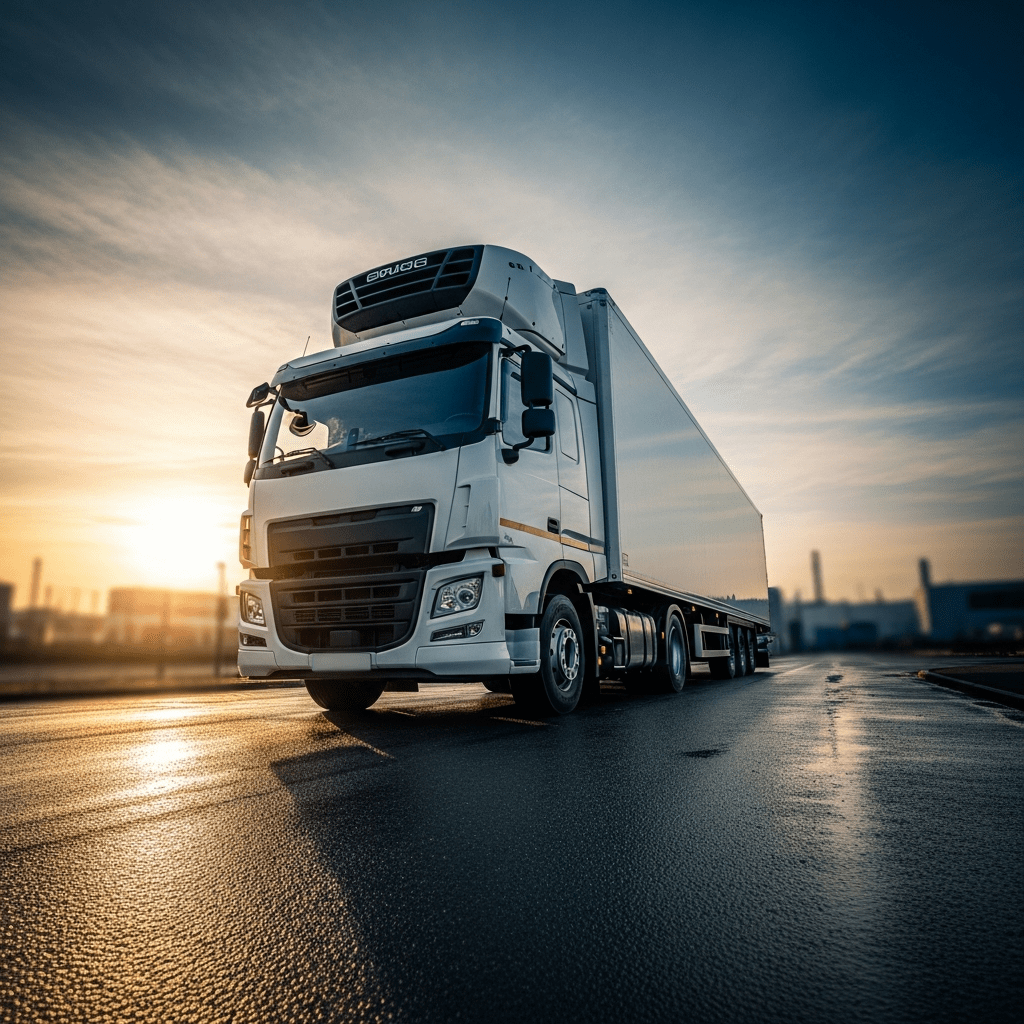
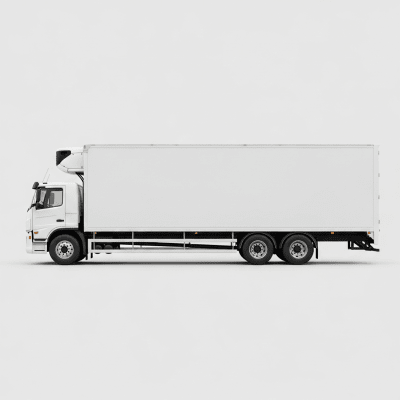
A refrigerated truck is a motor vehicle equipped with a temperature-controlled, insulated cargo area designed specifically for transporting perishable goods safely over varying distances.
A refrigerated truck is a motor vehicle equipped with a temperature-controlled, insulated cargo area designed specifically for transporting perishable goods safely over varying distances.
Refrigerated trucks trace their origins to insulated horse-drawn wagons of the late 19th century, evolving significantly with the advent of mechanical refrigeration in the 1920s. Thermo King, founded in 1938, was a pioneer in mobile refrigeration technology, setting the stage for modern refrigerated transport. Since then, advancements in insulation, refrigeration efficiency, and vehicle design have propelled these trucks into essential roles across global supply chains.
Classified within the broader truck family as a specialized box truck, refrigerated trucks span multiple regulatory weight classes, including US DOT Classes 2 through 8 and European N1 to N3 categories. They are distinguished by their temperature-controlled cargo compartments and are often certified under international standards such as the ATP agreement for perishable goods transport.
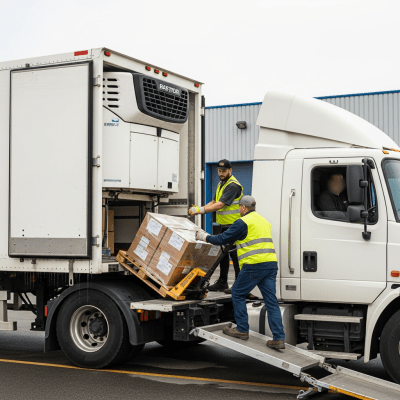
Refrigerated trucks typically feature an enclosed box-shaped cargo area with thick, high-density foam insulation and vapor barriers to maintain temperature integrity. The exterior often includes a visible refrigeration unit mounted on the front or roof of the cargo box. Sizes vary widely, from compact 3-meter vans to large 13.6-meter semi-trailers, with cab configurations ranging from standard to extended and sleeper cabs.
Designed to maintain precise temperature ranges from as low as -30°C to as high as +20°C, refrigerated trucks transport sensitive goods such as fresh produce, dairy, meat, seafood, frozen foods, pharmaceuticals, and flowers. They play a critical role in cold chain logistics, ensuring product safety and regulatory compliance from origin to destination across diverse markets worldwide.
Bring this kind into your world illustrated posters, mugs, and shirts.
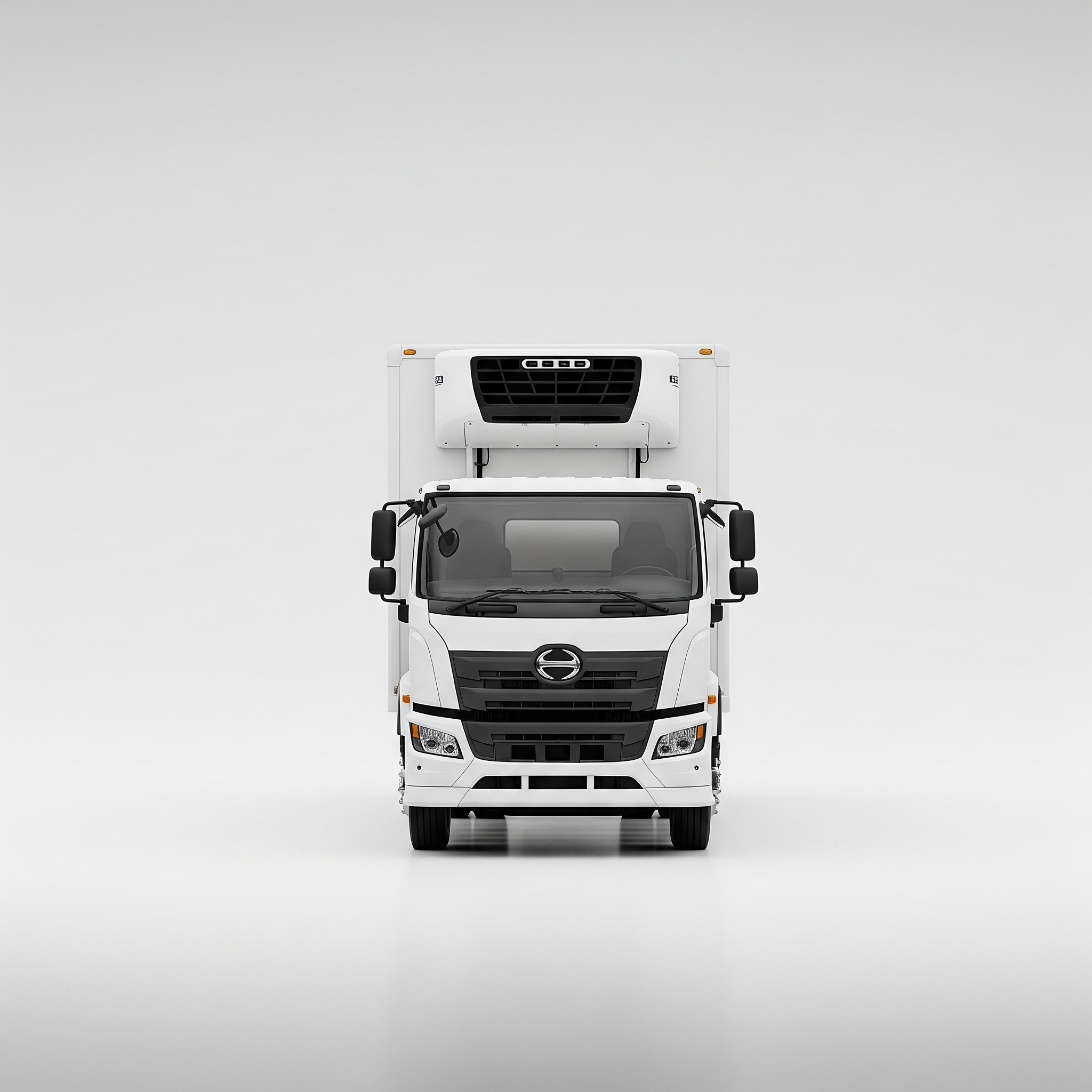
Archival print, museum-grade paper
Buy Poster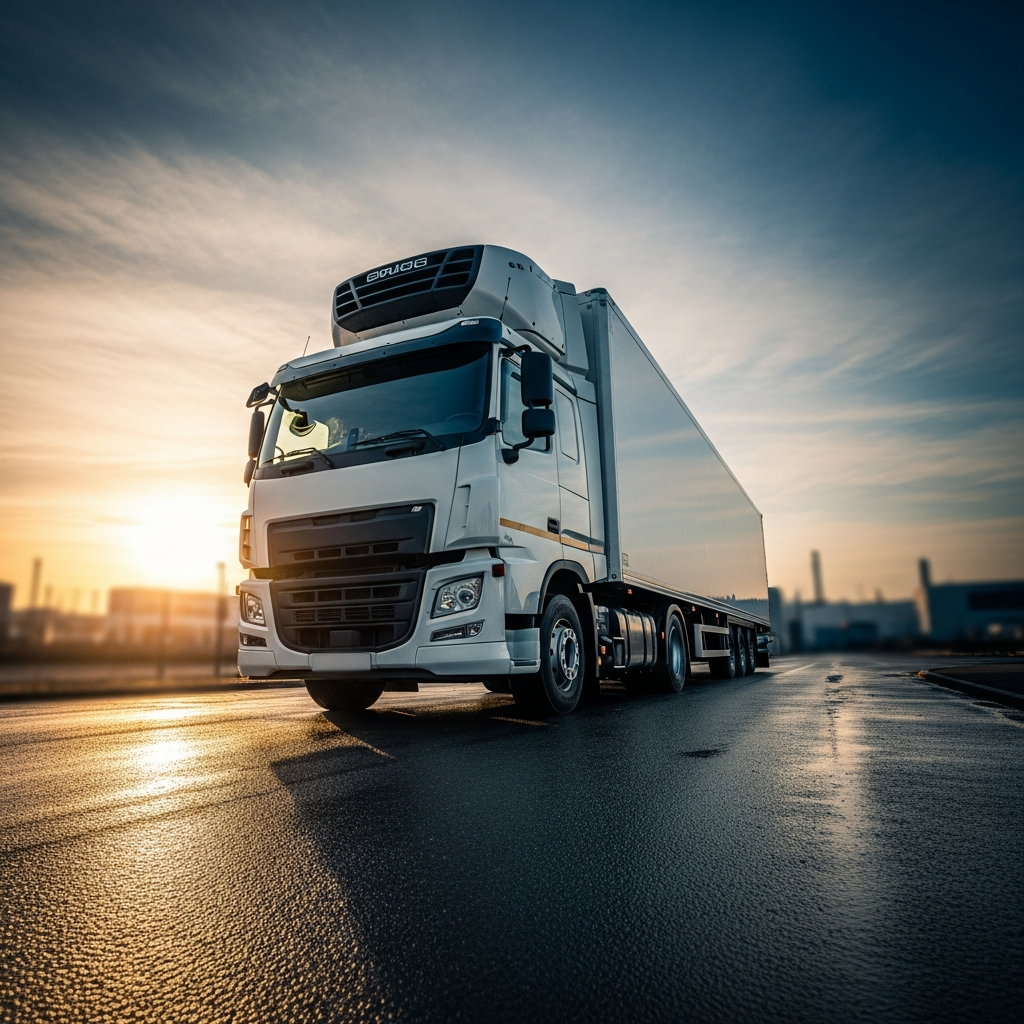
Stoneware mug, dishwasher safe
Buy Mug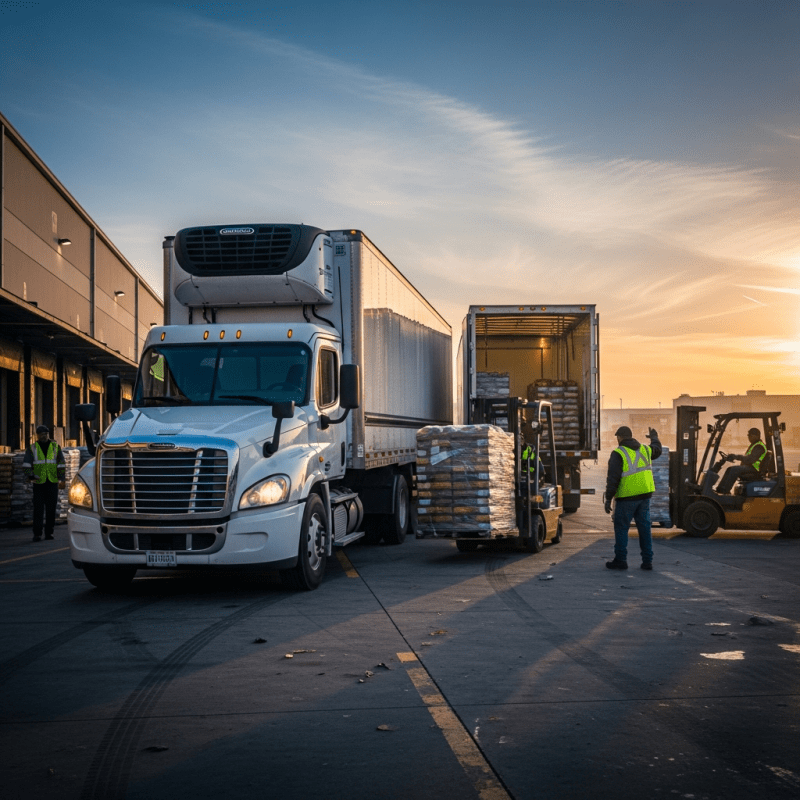
Soft cotton tee, unisex sizes
Buy ShirtWhile refrigerated trucks are primarily functional, their presence symbolizes modern food safety and globalized trade. They appear in media and advertising as icons of freshness and reliability, underpinning the modern consumer’s expectation of year-round availability of perishable goods. In some regions, terms like "reefer truck" or "refrigerated lorry" have entered everyday language, reflecting their embedded role in commerce and daily life.
Weight Classes: US DOT Classes 2–8; EU Categories N1–N3.
Payload Capacity: Approximately 1,000 to 25,000 kg.
Dimensions: Lengths from 3 m to 13.6 m.
Axle Count: Typically 2 to 5 axles.
Cab Configurations: Standard, extended, and sleeper cabs.
Engine Types: Diesel, gasoline, electric, and hybrid.
Cargo Area: Enclosed box with insulated walls, integrated refrigeration units, temperature monitoring, multi-zone cooling, and data logging.
Certifications: ATP certification for international perishable goods transport.
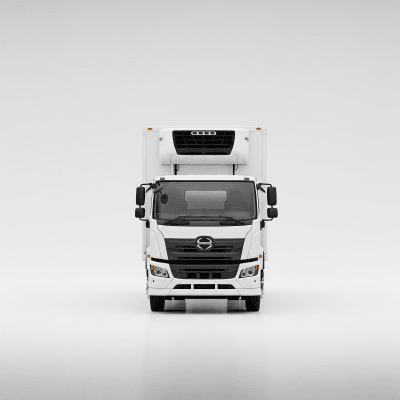
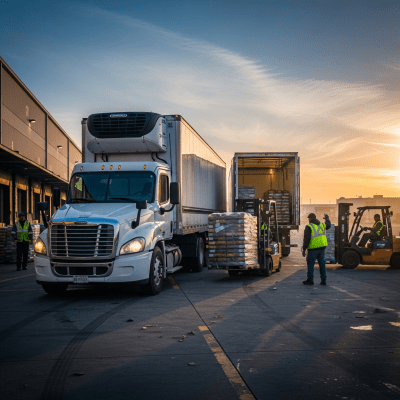
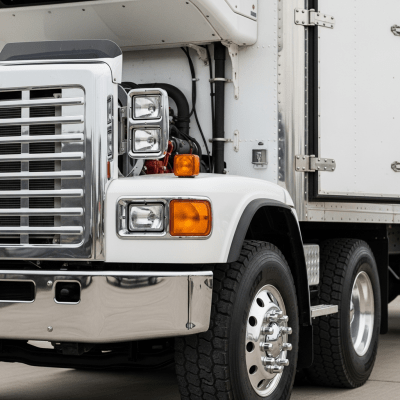
Popular refrigerated truck models are often variants of established commercial trucks adapted with refrigeration bodies. Leading manufacturers producing these include Daimler (Mercedes-Benz refrigerated trucks), Volvo, Scania, Isuzu, Hino, Ford, and Tata. These manufacturers offer a range of light to heavy-duty reefers tailored for regional markets and specific cold chain requirements.
Maintaining a refrigerated truck involves regular servicing of both the vehicle chassis and the refrigeration unit. Key care includes checking insulation integrity, refrigeration system performance, and temperature monitoring equipment. Preventive maintenance ensures reliable temperature control, minimizes thermal loss, and extends component lifespan. Repairs often require specialized technicians familiar with refrigeration technology and cold chain compliance standards.
Refrigerated trucks contribute to greenhouse gas emissions through diesel engines powering both propulsion and refrigeration units. However, advances in electric and hybrid powertrains are reducing their carbon footprint. Improved insulation and efficient refrigeration technologies also help lower energy consumption. Regulatory standards and certifications encourage manufacturers and operators to adopt greener practices, balancing cold chain demands with sustainability goals.