Box Truck
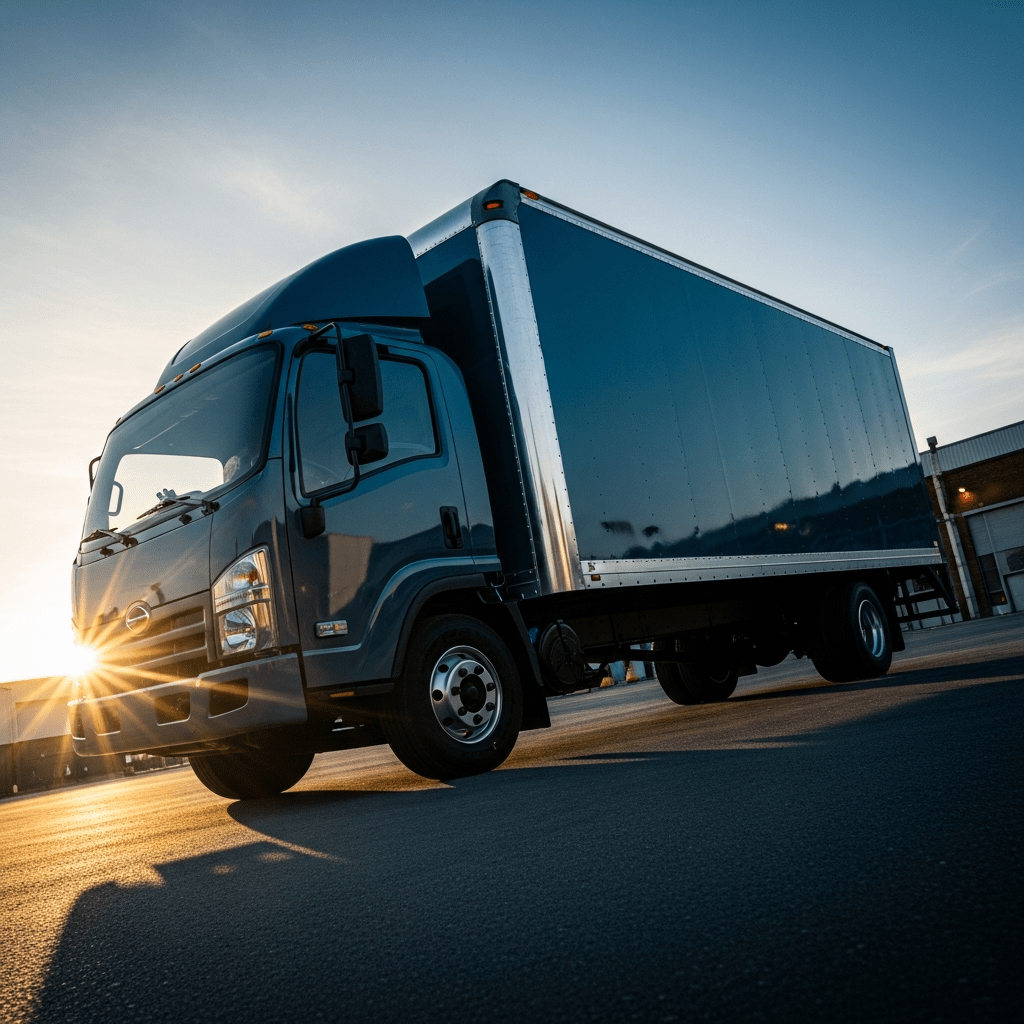
A box truck is a medium-duty vehicle featuring a fully enclosed, rectangular cargo area mounted directly to the chassis, designed primarily for secure and weather-protected transport of goods.
A box truck is a medium-duty vehicle featuring a fully enclosed, rectangular cargo area mounted directly to the chassis, designed primarily for secure and weather-protected transport of goods.
Box trucks emerged in the mid-20th century, evolving from early straight truck designs that combined cab and cargo on a single frame. Produced globally by manufacturers such as Ford, Chevrolet, Isuzu, Mercedes-Benz, and Hino, they have steadily advanced with improvements in safety, fuel efficiency, and cargo management to meet growing commercial demands.
Classified within the medium-duty truck category, box trucks fall under regulatory classes including US DOT Classes 3 through 7, EU Categories N2 and N3, and Australian Design Rules (ADR). They belong to the broader family of straight trucks, distinguished by their integrated cab and enclosed cargo box, and are recognized by synonyms like cube van, dry van, and pantech truck.
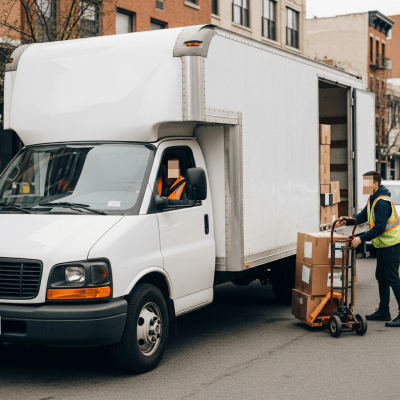
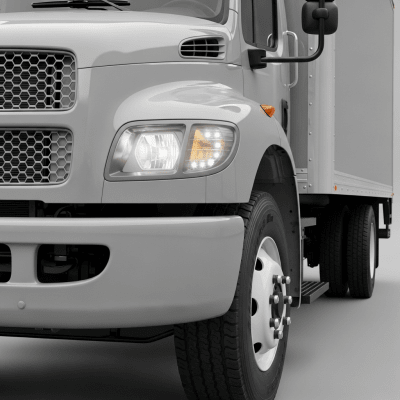
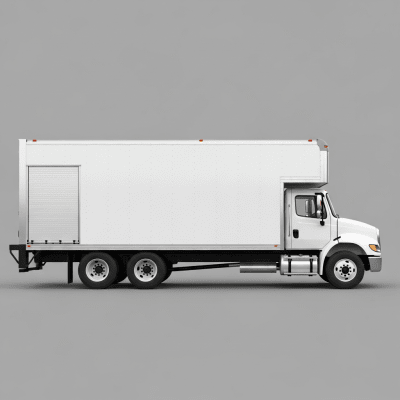
Box trucks present a distinctive, rectangular cargo box mounted behind the cab, typically ranging from 3 to 8 meters in length. Their cargo area is enclosed, with heights between 2.1 and 2.6 meters and widths from 2.1 to 2.5 meters, creating a spacious, weather-tight volume. Common features include roll-up rear doors, side access doors, and optional liftgates, while the cab may be conventional, cutaway, or crew style, all resting on a two-axle (4x2) chassis.
Primarily used for transporting general cargo, furniture, appliances, and parcels, box trucks excel in local and regional deliveries, moving services, and commercial logistics. Their enclosed cargo space safeguards goods from weather and theft, while their manageable size allows easy navigation in urban and suburban environments. They are widely employed by rental fleets and small businesses for last-mile distribution.
Bring this kind into your world illustrated posters, mugs, and shirts.
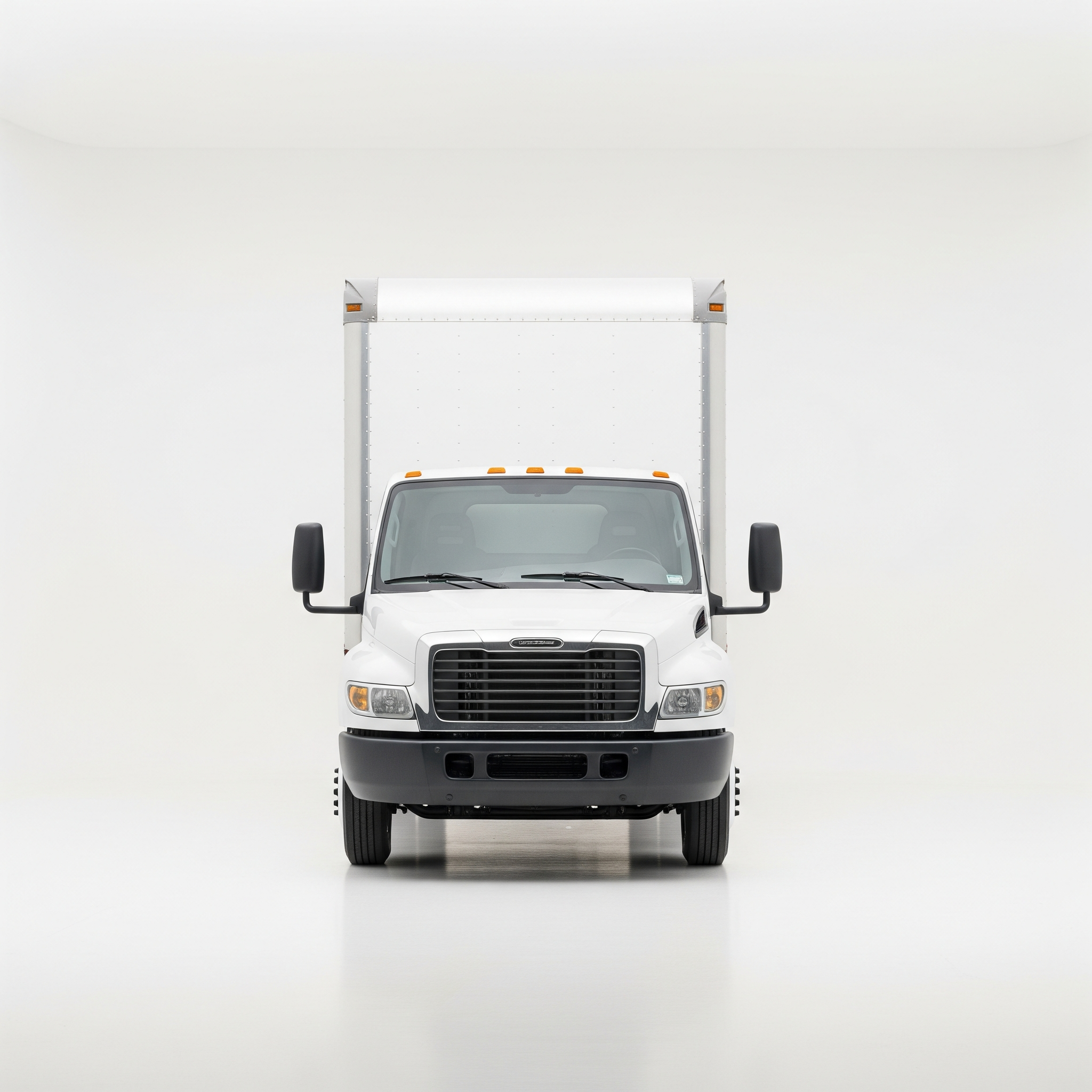
Archival print, museum-grade paper
Buy Poster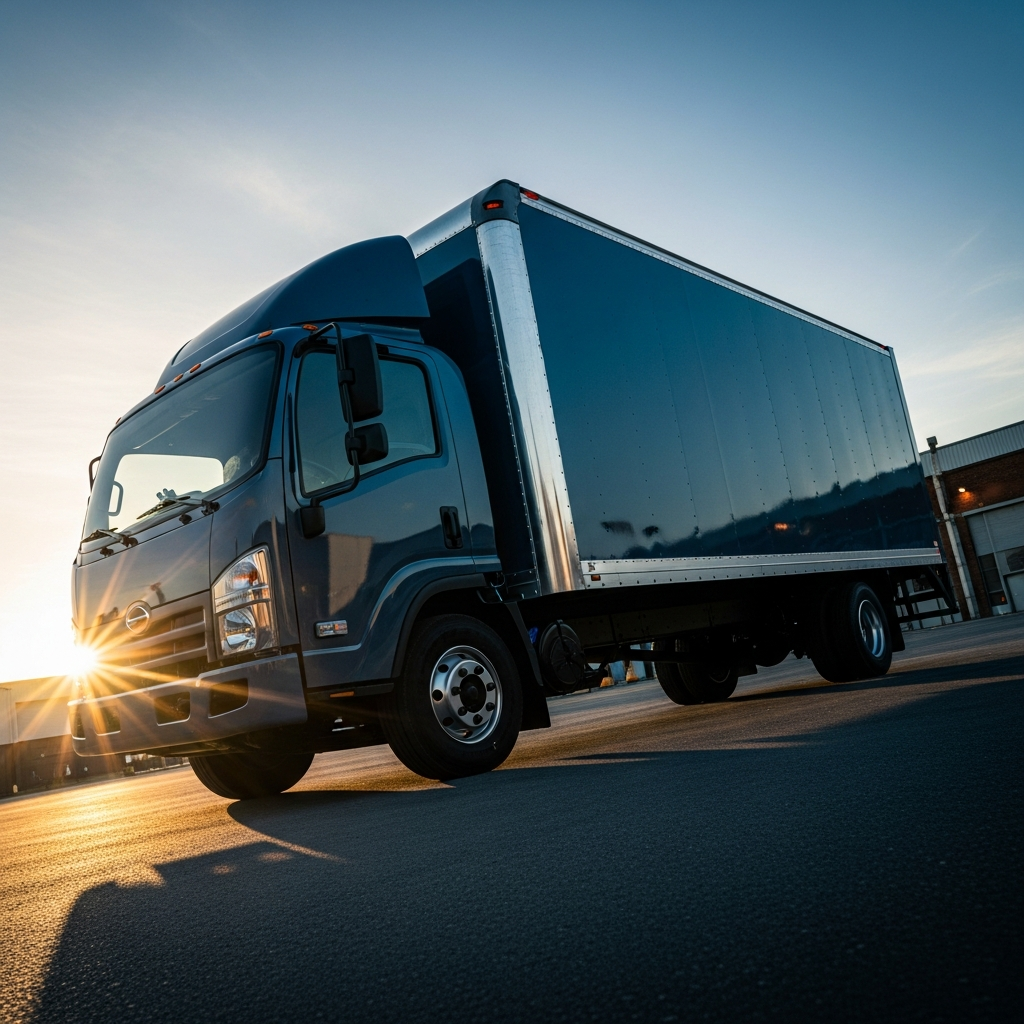
Stoneware mug, dishwasher safe
Buy Mug
Soft cotton tee, unisex sizes
Buy ShirtBox trucks have become iconic in the logistics and moving industries, often symbolizing reliability and practicality in urban commerce. They appear frequently in media and advertising as the vehicle of choice for moving homes and delivering goods, embodying the backbone of everyday supply chains and small business operations across many regions.
⚙️ Technical Specifications

Popular box truck models include the Ford E-Series Cutaway, Chevrolet Express Cutaway, Isuzu N-Series, Mercedes-Benz Sprinter Box, and Hino medium-duty trucks. These models are widely used across North America, Europe, Australia, and Asia, each offering variations tailored to regional regulations and commercial needs.
Maintaining a box truck involves regular engine and drivetrain servicing, inspection of the cargo box for structural integrity, and upkeep of specialized features like roll-up doors and liftgates. Tire condition and brake systems require close attention due to frequent stop-and-go urban use. Preventive maintenance ensures reliability and safety, while timely repairs minimize downtime in commercial operations.
Box trucks contribute to urban emissions, especially those powered by diesel and gasoline engines. However, the rise of electric box trucks is reducing their environmental footprint by lowering greenhouse gas emissions and noise pollution. Efficient route planning and vehicle load optimization further enhance sustainability in their widespread use for last-mile delivery and regional transport.