Flatbed Truck
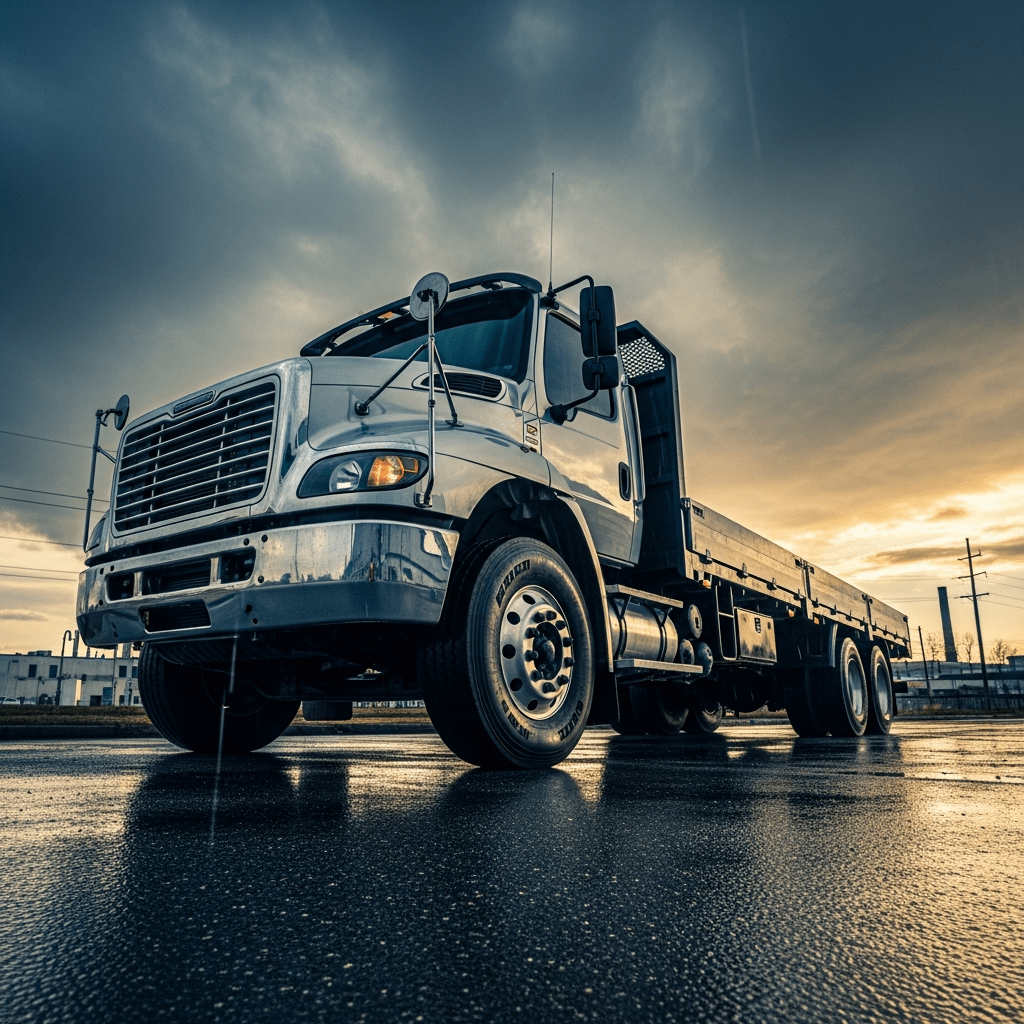
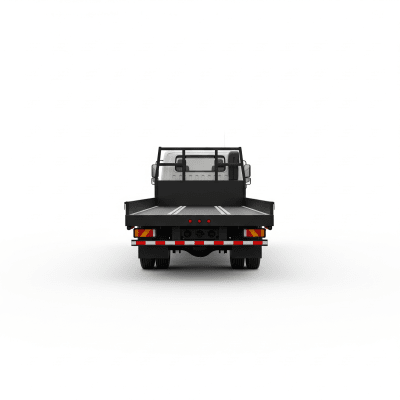
A flatbed truck is a motor vehicle featuring an open, level cargo area without fixed sides or a roof, designed to transport oversized, irregularly shaped, or heavy loads that do not require enclosure.
A flatbed truck is a motor vehicle featuring an open, level cargo area without fixed sides or a roof, designed to transport oversized, irregularly shaped, or heavy loads that do not require enclosure.
Emerging in the early 20th century, the flatbed truck evolved from simple truck chassis fitted with wooden platforms into versatile vehicles with steel or aluminum beds. This configuration arose to meet the growing demand for flexible cargo transport and has since been adopted and refined by major manufacturers worldwide, including Daimler, Volvo, Ford, Tata, Isuzu, and Hino.
Flatbed trucks belong to a broad category of trucks defined by their open cargo bed body style rather than a specific model. They span multiple weight classes—from light-duty to heavy-duty—and fit within regulatory classes such as US DOT Classes 1 through 8, EU N2 and N3 categories, and JAMA truck body types, reflecting their varied sizes and applications.
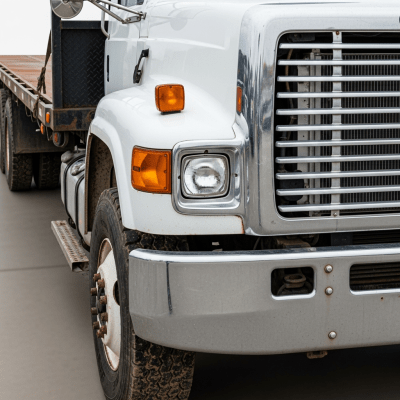
Characterized by a flat, open cargo bed typically made of steel or aluminum, flatbed trucks lack fixed sides or a roof, allowing easy access from all directions. Bed lengths range from about 2.4 meters for light-duty models to over 13.7 meters for heavy-duty versions, with widths commonly between 2.4 and 2.6 meters. Cab styles vary widely, including regular, extended, crew cabs, cab-over-engine, and conventional layouts, complementing the truck's utilitarian form.
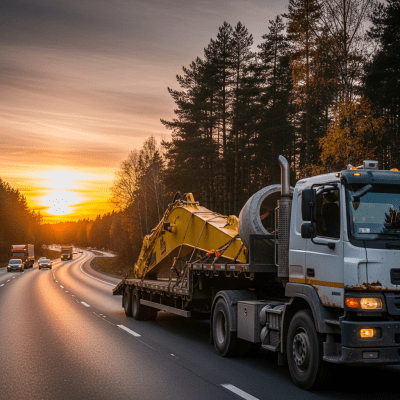
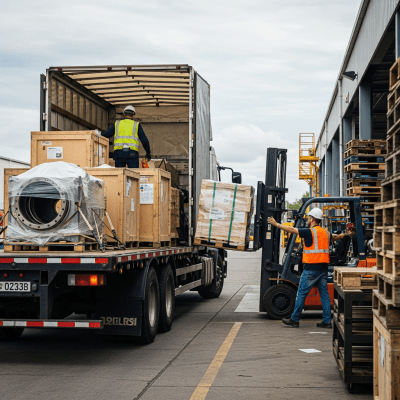
Flatbed trucks excel at transporting cargo that is oversized, irregularly shaped, or heavy, which cannot be enclosed in standard vans or box trucks. Their open design facilitates loading and unloading from the sides or above, often with forklifts or cranes. Commonly used in freight, construction, agriculture, and manufacturing, they carry materials like steel beams, lumber, machinery, and large equipment across diverse global markets.
Bring this kind into your world illustrated posters, mugs, and shirts.
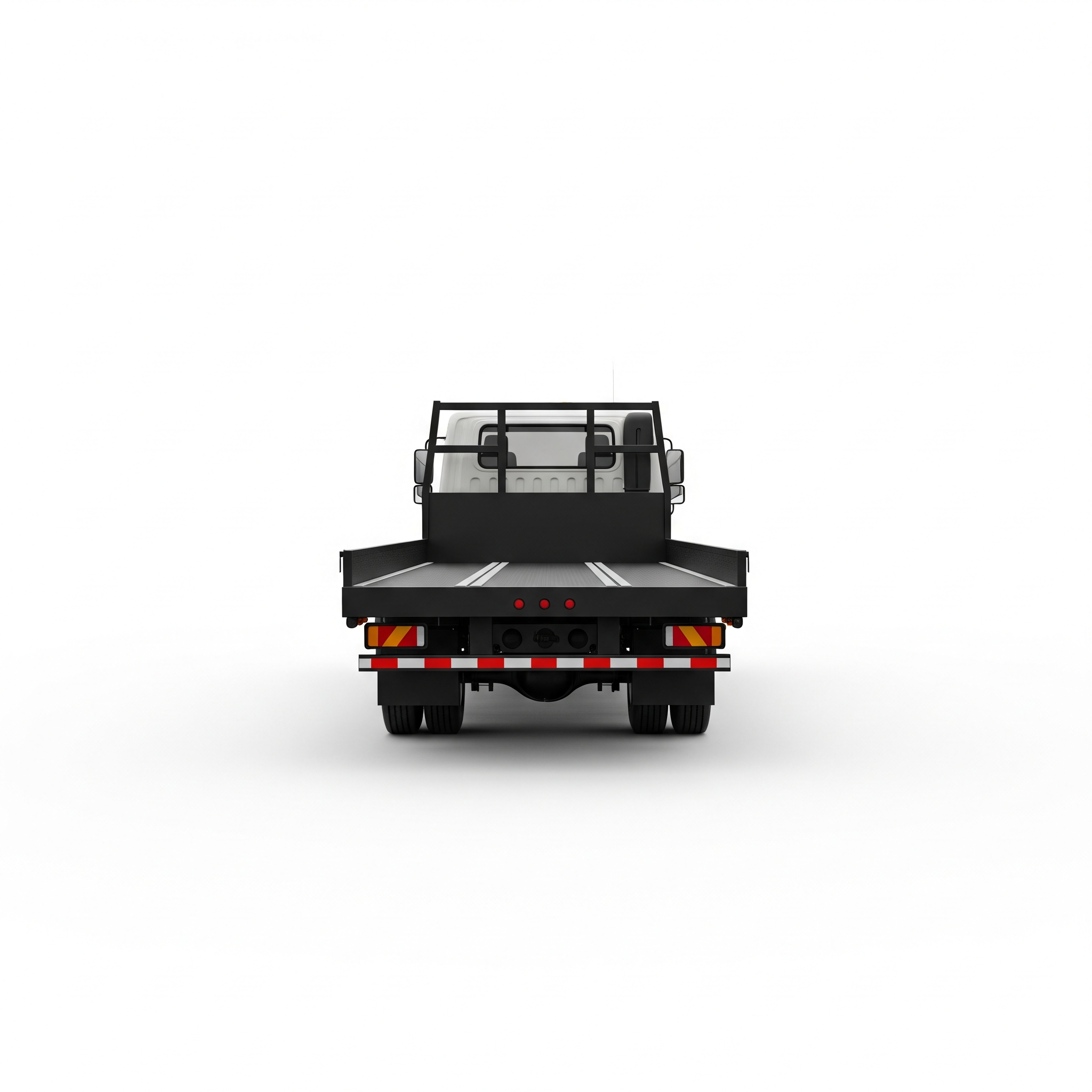
Archival print, museum-grade paper
Buy Poster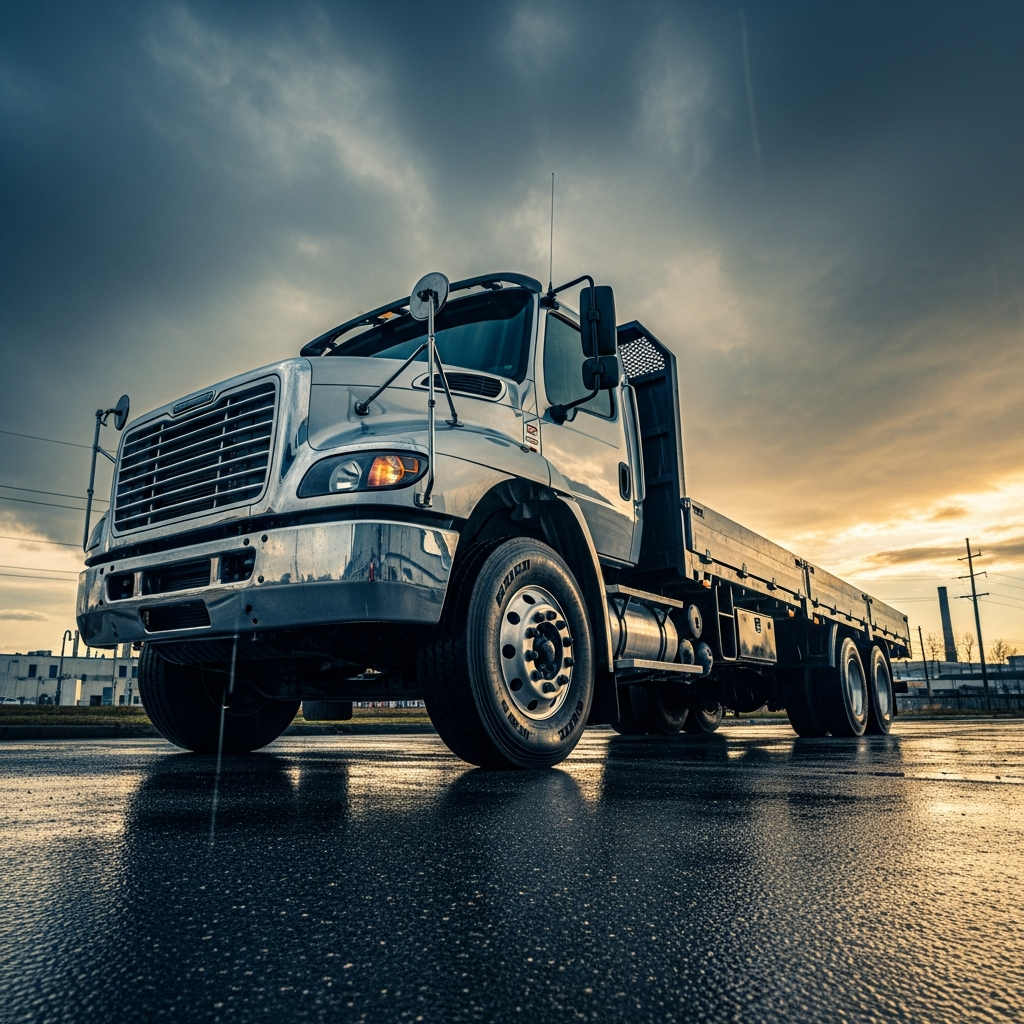
Stoneware mug, dishwasher safe
Buy Mug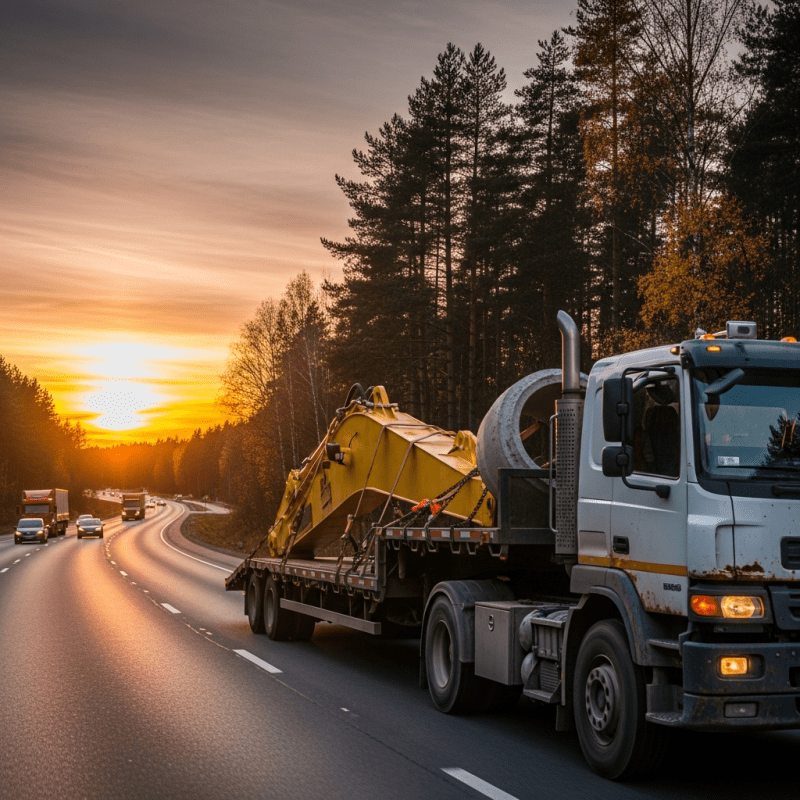
Soft cotton tee, unisex sizes
Buy ShirtFlatbed trucks symbolize rugged practicality and industrial strength in modern culture, often appearing in media related to construction, logistics, and heavy industry. In regions like Australia and the UK, their presence is embedded in everyday life and vernacular, known respectively as "tray trucks" or "flatbed lorries," reflecting their integral role in commerce and transport.
⚙️ Technical Specifications:
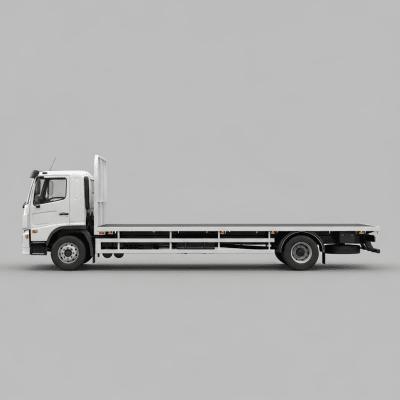
While the flatbed truck is a body style rather than a specific model, popular chassis frequently adapted include the Ford F-Series, Volvo FH series, Daimler trucks, Tata commercial vehicles, Isuzu NPR, and Hino trucks. These platforms serve as bases for a wide range of flatbed configurations tailored to different payloads and regional requirements.
Maintaining a flatbed truck involves regular inspection of the cargo bed for structural integrity, especially the steel or aluminum platform and removable side components. Tie-down points and hydraulic lift gates require routine checks for wear and proper function. Engine and chassis maintenance follow standard truck care protocols, with attention to axle and suspension systems due to variable heavy loads.
Flatbed trucks contribute to environmental impact primarily through fuel consumption and emissions, especially in heavy-duty diesel-powered models. However, increasing availability of electric and hybrid powertrains is reducing their carbon footprint. Their ability to transport large, irregular loads efficiently can also optimize logistics, potentially lowering overall environmental costs in freight and construction sectors.