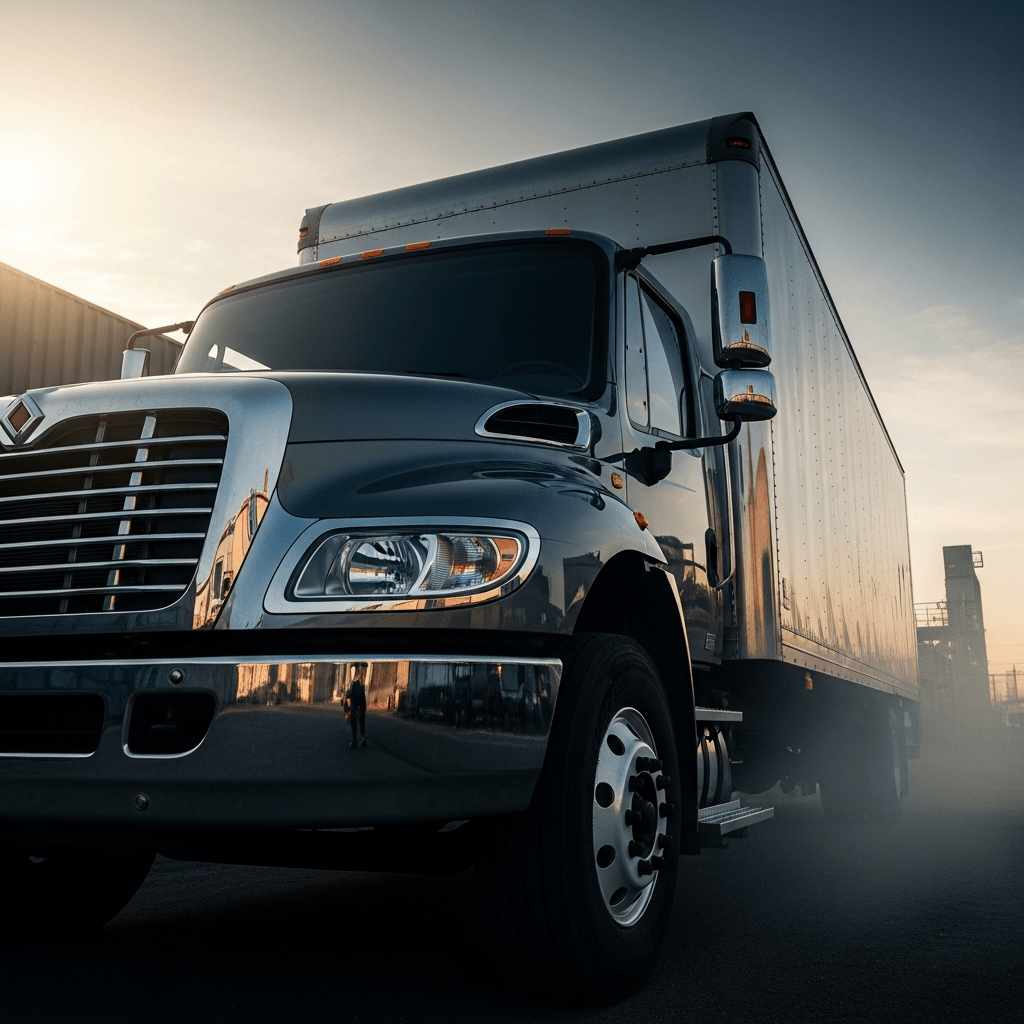
Medium-Duty Truck
A medium-duty truck is a versatile commercial vehicle class defined by a gross vehicle weight rating (GVWR) between light-duty and heavy-duty trucks, designed primarily for urban and regional cargo transport and vocational tasks.
A medium-duty truck is a versatile commercial vehicle class defined by a gross vehicle weight rating (GVWR) between light-duty and heavy-duty trucks, designed primarily for urban and regional cargo transport and vocational tasks.
The medium-duty truck category emerged globally during the 20th century as commercial transport needs evolved, shaped by regulatory standards and industry demands. It is not tied to a single origin but developed through contributions from major manufacturers such as Ford, Isuzu, Hino, and Daimler, adapting over decades to changing regulations and technological advances.
Medium-duty trucks occupy a distinct segment within the truck family, bridging the gap between light-duty pickups and heavy-duty tractor-trailers. They are classified under regulatory schemes such as US DOT Classes 4 to 6, the European Union's N2 category, Japan's JAMA medium-duty class, and Australia's medium rigid classification, reflecting their intermediate weight and capacity.
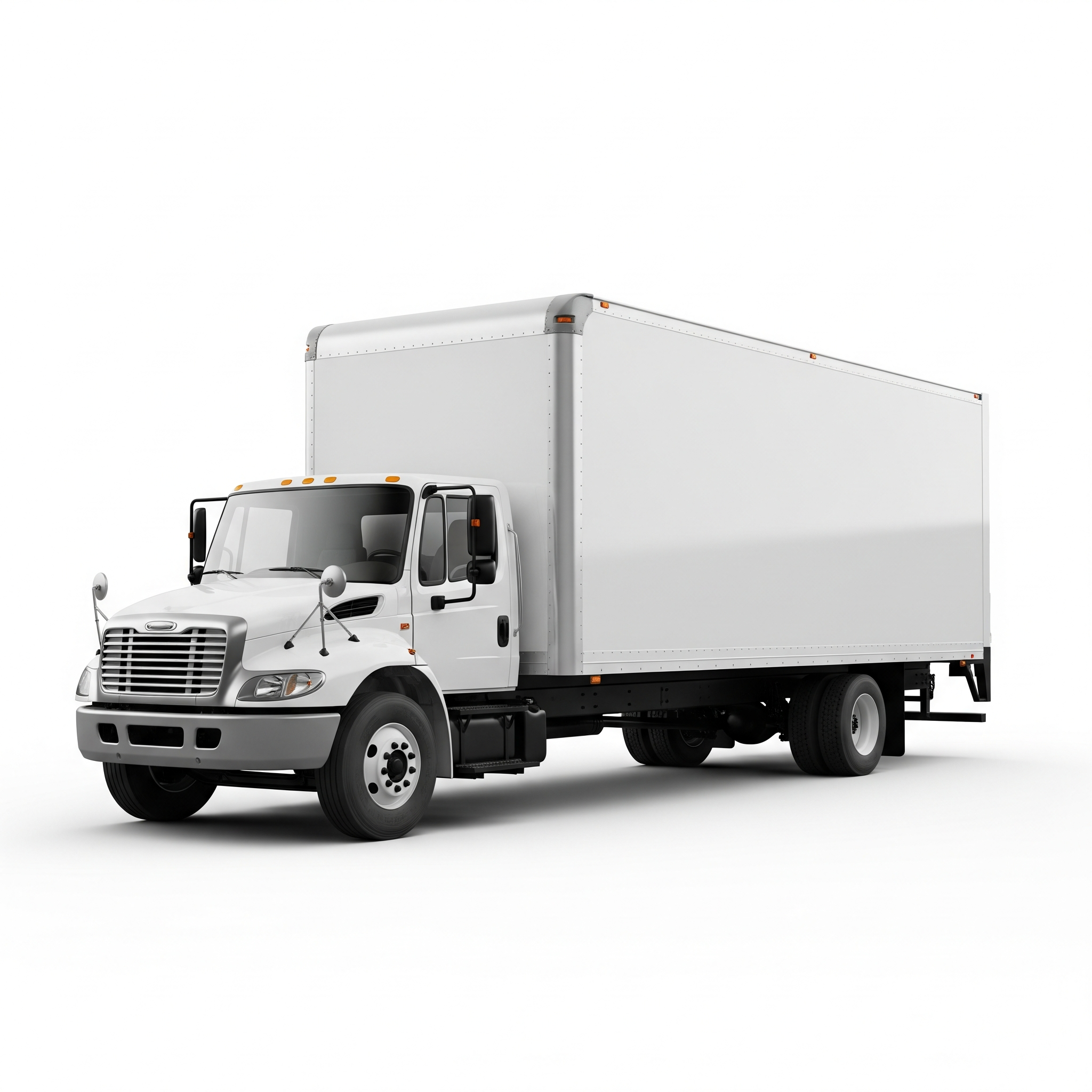
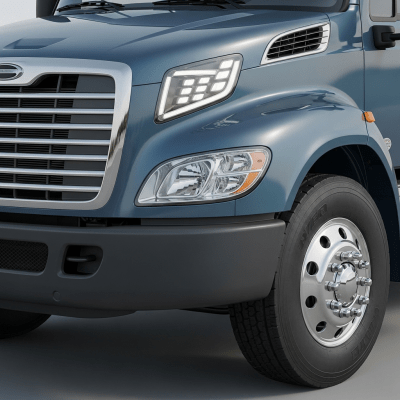
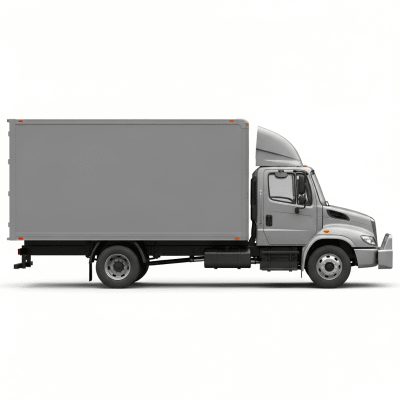
These trucks typically range from 6 to 10 meters in length and 2.4 to 2.6 meters in width. They feature a variety of cab configurations—including standard, extended, crew cabs, and both conventional (bonneted) and cab-over-engine designs. Their cargo areas vary widely, accommodating box trucks, flatbeds, dump beds, and specialized vocational bodies, all tailored to specific operational needs.
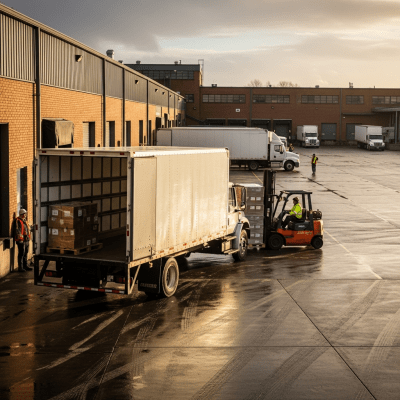
Medium-duty trucks serve a broad spectrum of functions such as urban and regional delivery, utility and municipal services, construction support, and vocational roles like towing and small-scale dumping. Their balance of payload capacity and maneuverability makes them ideal for city environments and short- to medium-haul routes, adapting to diverse commercial demands.
Bring this kind into your world illustrated posters, mugs, and shirts.
Archival print, museum-grade paper
Buy Poster
Stoneware mug, dishwasher safe
Buy Mug
Soft cotton tee, unisex sizes
Buy ShirtWhile not often the centerpiece of popular culture, medium-duty trucks symbolize the backbone of everyday commerce and municipal operations. They appear in media and art as essential workhorses, representing industry, service, and the urban logistics that sustain modern life.
⚙️ Key Technical Features:

🚛 Popular Medium-Duty Truck Models:
Maintenance of medium-duty trucks focuses on regular engine servicing, brake system checks, and timely inspection of chassis and suspension components to ensure safety and reliability. Diesel engines require attention to fuel and emission systems, while newer alternative fuel models demand specialized care for electric or CNG powertrains. Routine upkeep of tires, cab systems, and cargo area equipment is essential to maintain operational efficiency and extend vehicle lifespan.
Medium-duty trucks contribute significantly to urban emissions due to their widespread use in delivery and service roles. However, the segment is rapidly evolving with the adoption of cleaner technologies such as electric drivetrains and alternative fuels like compressed natural gas. Regulatory frameworks worldwide encourage emissions reductions, prompting manufacturers to develop more efficient engines and integrate advanced safety and environmental controls, thereby improving sustainability in commercial transport.